Archive | February 2017

After fleeing the Nazis, many Jewish refugee…

After fleeing the Nazis, many Jewish refugee professors found homes at historically black colleges

Heather Gilligan


And they were shocked by race relations in the South
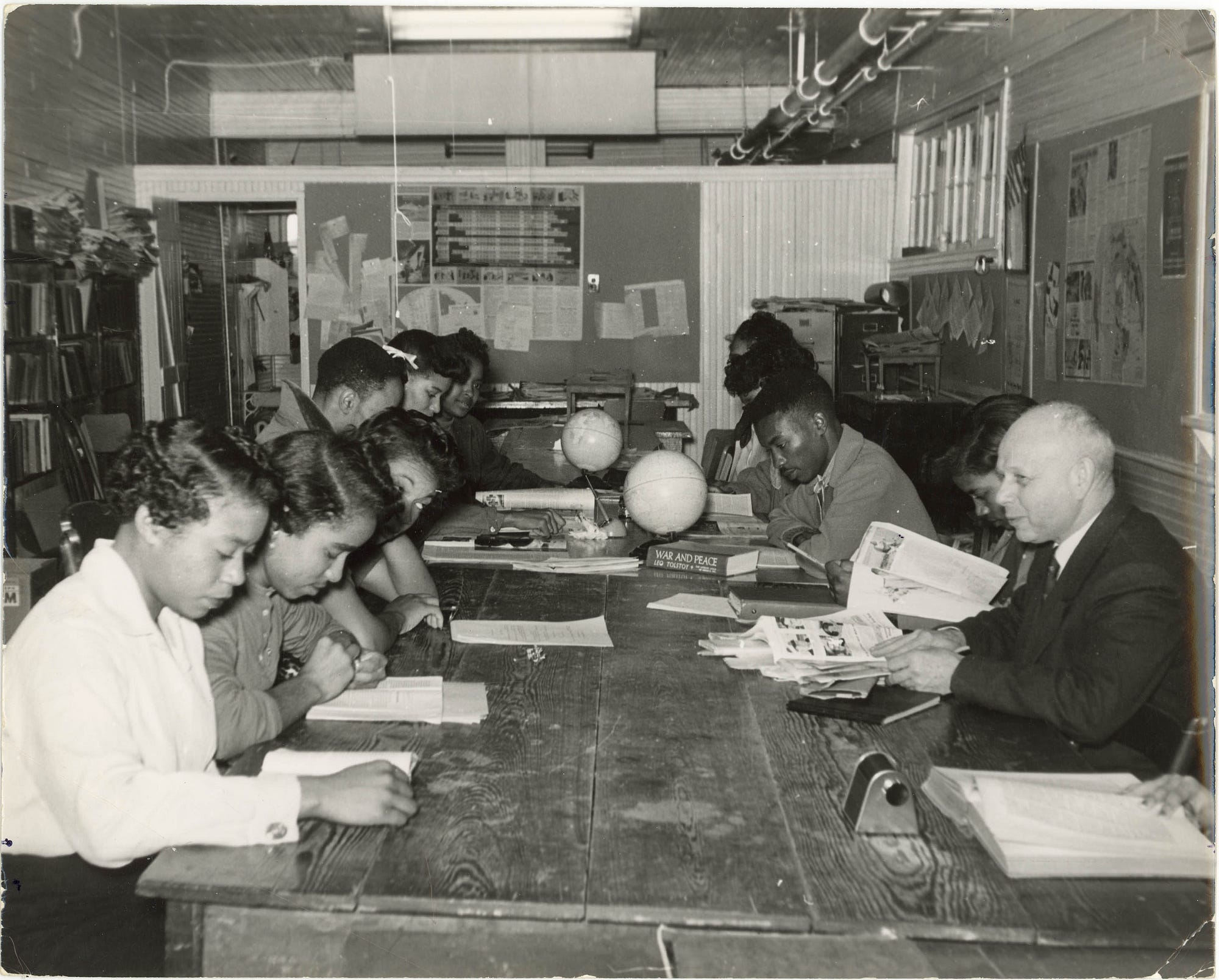
Professor Ernst Borinski (right) teaching in the Social Science Lab at Tougaloo College, Mississippi, circa 1960. (Coral Gables Museum)

When Jewish refugee Ernst Borinski fled Nazi Germany, he found a new home in very strange place: Jackson, Mississippi. The South was openly a racial hierarchy when he arrived in the 1940s, and Jews were not considered white. Yet Borinski was just one of about 50 Jewish intellectuals who fled the Holocaust and settled in the deep South to teach at historically black universities.

Not all intellectuals who made it to the United States were so relatively fortunate as Albert Einstein, who spent his later career at the Institute for Advanced Study in Princeton. Anti-semitism was part of life here, with official and unofficial quota systems in place to limit the number of Jewish students on campuses. Most colleges did not throw open their doors to lesser-known academics seeking refuge from the Nazis, but other organizations, including the American Quakers, did work to place Jewish academics at universities throughout the West and South. They circumvented quotas by dispersing the refugees, even paying their salaries for universities that agreed to hire the German Jews.

Borinski, one of those lesser-known intellectuals, was a judge and lawyer when he left Germany for the United States in 1938. He served in the United States army during WWII and earned his master’s degree from the University of Chicago before he applied for the position at Tougaloo College. His fellow German Jewish intellectuals who found refuge at historically black colleges in the South included economist Fritz Pappenheim and philosopher Ernst Manasse.

They were uniformly shocked by conditions in the South. “I was entirely unprepared when I came here,” Manasse told historian Gabrielle Simon Edgcomb, who first collected their stories in her book From Swastikas to Jim Crow, in a 1991 interview. Manasse taught at North Carolina Central University in Durham, North Carolina, starting in 1939. Decades after his arrival in the United States, Manasse stuttered with amazement as he told Edgcomb stories of his early days in the South. Manasse did not have a car, and kind African American colleagues had taken to giving him a lift. “We had rented the house at this time,” he recalled, “and I was called to the rent office. The neighbors had complained that I had Negro visitors who were not cleaning ladies or something like that.” A month or so later he got a ride again, and was once again called to the rent office. “I was told that the neighbor would not stand for it, and that if it happened again that he would shoot. Not at me, but at him [my colleague].”

They were a group of people who should have been more difficult to surprise, given what was happening in Europe at the time. Pappenheim, who taught sociology, economics and German at Talladega College in Talladega, Alabama left Germany in 1933 following Hitler’s rise to power. He settled in Spain, only to run from Franco’s regime at the end of the Spanish Civil War. Pappenheim then sought refuge in France, and was interned there in a concentration camp. Eight years after he left Hitler’s Germany, in 1941, he settled in the United States.

Pappenheim was determined to remain in Alabama, but he was denied tenure because of his openly Marxist orientation and left the South for Cambridge, Massachusetts. His students were furious, and protested by locking the board of regents in the building where they met on a steamy, southern summer day. The board acquiesced to their demands and fired the college president who had denied Pappenheim tenure. Pappenheim remains well-known for the book he wrote after leaving Talladega, The Alienation of Modern Man.

Borinski became a noted sociologist from his perch in the deep South, but his legacy at Tougaloo College extended far beyond his academic field. He created an interracial intellectual salon called the Social Science Forum that featured speakers critical of injustice, a dangerous act at the time. Even more radical were the dinners that preceded the talks. He asked his African American students to come early and sit in every other seat, so that whites arriving later had to sit next to a black person. For many, black or white, it was the first time they’d had a meal with someone of a different race.

The college was a refuge for Borinski, and in turn he made the college a refuge for his students and others who wanted to see a change in the South, offering a place of like-mindedness, if not physical safety, at a time when protest could easily be a deadly proposition. “Each person in his own way could make a contribution,” Borinski explained, “and mine was to bring people together to share ideas.” He devoted his life to the college, and asked to be buried on the campus.

The roster of students who called these refugee intellectuals their mentors is impressive, including civil rights activists Joyce Ladner, former Surgeon General Jocelyn Elders, and artist John Biggers. The refugee professors recall the kinship they felt with their students because of their shared experiences as persecuted minorities, a rapport that may have been hard to build at other institutions. “It was relatively easy to teach them,” Manasse reflected, “something that may not have been as easy as that at a white college.”

The debt the refugees owed the black colleges who welcomed them, as Manasse acknowledged, could not be repaid. Though he too was eventually invited to the Institute for Advanced Studies, he took a temporary position there and returned to North Carolina Central after a semester. When one of his students asked why he didn’t leave, Manasse replied, “Oh, I could never do that. I will always stay here.”


twoje uwagi, linki, wlasne artykuly, lub wiadomosci przeslij do: webmaster@reunion68.com



Police demand filmed materials of Israel Big Brother contestant

Police demand filmed materials of Israel Big Brother contestant

TIMES OF ISRAEL STAFF


Andel Kabeda has been accused of sexually harassing another contestant, also called police ‘Nazis’; production office is resisting warrant;
Big Brother contestant Andel Kabeda (Channel 2)Big Brother contestant Andel Kabeda (Channel 2)

The production offices of Israel’s Big Brother reality TV show were visited by police on Friday, who demanded that producers hand over filmed material featuring current season contestant Andel Kabeda, Haaretz reported.

Police reportedly had a warrant for the materials, and told producers it had been issued in light of a complaint filed against Kabeda, though they would not give any more details. Producers refused to hand in the materials and said they would appeal the warrant on Sunday.

Kabeda, who is of Ethiopian descent, has railed against police treatment of his community, and in one recent exchange called policemen “Nazis.”

The controversial candidate has also been accused of sexual harassment of another contestant, Maayan Ashkenazi. Kabeda has frequently attempted to touch Ashkenazi in seemingly inappropriate ways and has often spoken to her in an offensive manner, suggesting she undress and that they engage in an orgy together, as well as expressing his desire to “drink from your lips.” Ashkenazi’s father recently said production had cautioned Kabeda about his behavior.

It was unclear whether Friday’s police visit was tied to one of these matters.


twoje uwagi, linki, wlasne artykuly, lub wiadomosci przeslij do: webmaster@reunion68.com


Dlaczego organizacje pokojowe polegają na “alternatywnych faktach”?

Dlaczego organizacje pokojowe polegają na “alternatywnych faktach”?

Emanuel Miller
Tłumaczenie: Małgorzata Koraszewska


W zeszłym tygodniu zaproszono mnie do Al Dżaziry, żebym opowiedział o wsi beduińskiej, Umm al-Hiran. Zaszokowało mnie to, co odkryłem, przygotowując się do tego programu.

Z “Haaretz” dowiedziałem się, że mieszkańcy Umm al-Hiran zostali tam przeniesieni przez Izraelskie Siły Obronne (IDF) w 1956 r. Niemniej, według znanej izraelskiej organizacji praw człowieka, Adalah, ponad 60 lat później Izrael nie uznaje tej wsi i stara się przesiedlić Beduinów, zniszczyć budynki i zbudować w tym miejscu “żydowskie miasto”.

Brzmi strasznie, prawda?

Wstrząsnęła mną ta lektura. Czy mój kraj naprawdę może być tak bezduszny? Czy jest możliwe, że ci ludzie są bezlitośnie wyrzucani ze swoich domów, a reszta populacji pozostaje obojętna? Przez moment zamartwiałem się, że zgodziłem się bronić czegoś, co jest nie do obrony.

W miarę jednak jak znajdowałem więcej informacji, wyłaniał się radykalnie odmienny obraz. Okazuje się, że opowieść szerzona przez Adalah i powtarzana przez „Haaretz” wprowadza w błąd, ujmując to najbardziej łagodnie. Choć Beduini zostali istotnie przeniesieni do Um al-Hiran w 1956 r., ziemia została im wydzierżawiona. Nigdy nie była ich ziemią. Ponadto Izrael wybudował dla tego plemienia permanentne domy w pobliskiej miejscowości Hura i zaoferował mieszkańcom Ummal-Hitan możliwość przeniesienia się tam za darmo, jak również otrzymania rekompensaty za spowodowaną niewygodę. Jak dotąd dwie trzecie populacji zaakceptowało to rozwiązanie i przeniosło się do Hura.

Dalej jest jeszcze ciekawiej. Rzekomo “żydowskie” miasto budowane na miejscu Umm al-Hiran będzie w rzeczywistości otwarte dla ludzi wszystkich, bez względu na przynależność etniczną, kolor skóry czy wyznanie. Obecna ludność Umm al-Hiran będzie mogła mieszkać w tym mieście, jeśli będą mieli na to ochotę. Naturalnie, w wersji podawanej przez Adalah nikt o tym wszystkim nie wspomina.

W związku z obroną Izraela powiedziano, że uprawiam hasbarę, nazywano mnie propagandzistą i kłamcą. W rzeczywistości, kiedykolwiek mówię o Izraelu, staram się mówić prawdę zamiast odruchowo wszystko usprawiedliwiać. Nie mam zamiaru wybielać win Izraela. Traktuję poważnie twierdzenia przeciwko Izraelowi i nie zbywam ich automatycznie. Jako człowiek przekonany, że najlepszym adwokatem jest uczciwy adwokat, uważam, że ważne jest rozpoznanie błędów i wad. Tak więc, kiedy przedstawiono mi poważne oskarżenia dotyczące zachowania Izraela wobec jego populacji beduińskiej, potraktowałem je poważnie.

Proszę sobie wyobrazić moją frustrację, kiedy zrozumiałem, że zostałem oszukany. Twierdzenie, że Beduinów wyrzuca się z „ich” ziemi, jest zwyczajnie nieprawdą. I żadne „żydowskie” miasto nie jest budowane zamiast Umm al-Hiran. Jest w najwyższym stopniu irytujące, kiedy traktujesz kogoś poważnie, a potem odkrywasz, że ten ktoś próbuje cię omamić.

Przez ostatni rok zainwestowałem wiele godzin na wysłuchanie organizacji “zwalczających okupację”. Zeszłego lata dołączyłem do wielu wypraw organizowanych przez czołowe lewicowe grupy izraelskie, włącznie z Machsom Watch, Breaking the Silence i Ir Amim. Raz za razem słyszałem, jak te organizacje opowiadały niepokojące historie i fakty próbując przekonać łatwowiernych turystów europejskich i amerykańskich o prawości ich sprawy. I raz za razem odkrywałem, że te opowieści były zwyczajnym oszustwem.

Znakomitym przykładem są wyprawy organizowane przez Breaking the Silence na górzysty teren Południowego Hebronu. W Susija zabierają turystów do studni – otworu w ziemi o powierzchni około metra kwadratowego. Kiedy stałem tam, przewodnik wyjaśniał, że Izraelskie Siły Obronne wepchnęły do studni cały pojazd. „Tutaj, jeśli spojrzycie, głęboko w środku jest samochód subaru – twierdził. – Wepchnęli go do środka, żeby zatruć studnię”. Oderwane drzwi białego samochodu leżały na ziemi przy otworze.

Brzmiało to okropnie. Początkowo byłem zaszokowany. Jest tylko jeden problem: jak zaświadczy każdy, kto tam był, nie widać żadnego samochodu. A to dlatego, że nie ma tam żadnego samochodu. Wspomniane drzwi to tylko oszukańczy, strategicznie umieszczony rekwizyt. Kiedy zastanowiłem się przez moment, zrozumiałem całkowitą niemożliwość wepchnięcia całego samochodu przez otwór o powierzchni jednego metra kwadratowego. Jednak wielu ludzi po prostu ślepo akceptuje tę historię.

Innym razem Breaking the Silence zamieściła na swojej stronie Facebooka opowieść o rodzinie palestyńskiej, która osiem razy w ciągu jednego roku dostała nakaz opuszczenia swojego domu, żeby armia mogła przeprowadzać w pobliżu ćwiczenia. W tym czasie byłem częścią My Truth, organizacji, która obaliła wiele kłamstw Breaking the Silence. Chociaż już wtedy nie miałem cienia zaufania do tej organizacji, to twierdzenie było zbyt mocne, by je zignorować. Niepokoiła mnie możliwość, że IDF działała tak bezwzględnie.

Chcąc zweryfikować sprawę, powiedziałem mojemu szefowi o moim niepokoju i o tym, że powinniśmy zachować ostrożność, bo armia mogła rzeczywiście oznaczyć ziemię tej rodziny jako część poligonu. Doradzałem, że sprawę należy zbadać. I zrobiliśmy to. Zdobyliśmy fotografie lotnicze tego terenu od 1999 do 2016 r. Odkryliśmy, co naprawdę się zdarzyło: podczas gdy fotografia z 2016 r. wyraźnie pokazuje stojące tam domy, zdjęcia z 1999 r. pokazują niezamieszkałą ziemię. Był to rok, kiedy teren ogłoszono zamkniętą strefą militarną i nie było tam wówczas żadnej wsi palestyńskiej. Ta rodzina świadomie postanowiła zamieszkać na poligonie, wbrew zarówno prawu, jak zdrowemu rozsądkowi. Mówiąc po prostu: twierdzenie Breaking the Silence o manewrach i używaniu tego jako pretekstu do wysiedlenia rodziny, było bezczelnym kłamstwem.

Al Dżazira była ostatnią kroplą. Raz za razem przez ostatni rok stykałem się z szokującymi opowieściami lewicowych organizacji „pokojowych”. Raz za razem odkrywałem, że choć niektóre z nich wymagały wzięcia pod uwagę, wiele było wyraźnie zmanipulowanych lub fikcyjnych. Poza faktem, że te oszukańcze opowieści są obrazą dla naszej inteligencji, podsycają one nieufność i nienawiść do Izraela.

Kiedy zaproszono mnie do Al Dżaziry, martwiłem się, że będę musiał bronić tego, co nie jest do obrony. Ale im więcej dowiadywałem się, tym większe ogarniało mnie obrzydzenie. Kiedy Izrael jest atakowany nieustannie w salach ONZ i w światowych mediach, przynajmniej organizacje „pokojowe” mogłyby ograniczyć swoją krytykę Izraela do rzetelnych relacji.

Kłamstwa, szkalowanie i krokodyle łzy Adalah i Breaking the Silence utrudniają osiągnięcie pokoju. Zamiast podsycać dialog, pogłębiają podziały. Pora, by wyrzekły się swoich alternatywnych faktów.


Emanuel Miller
Izraelski bloger, działacz w pozarządowej organizacji My Truth, skupiającej żołnierzy i byłych żołnierzy izraelskich i dokumentującej fałszywe informacje o izraelskiej armii.
Autora można również obserwować na jego stronie Facebooka: www.facebook.com


twoje uwagi, linki, wlasne artykuly, lub wiadomosci przeslij do: webmaster@reunion68.com



Schindler’s List ‘House of Horrors’

Schindler’s List ‘House of Horrors’

JAKE WALLIS SIMONS


Who would live in a house like this? Schindler’s List ‘House of Horrors’ where Nazi butcher Amon Göth shot Jews from the balcony and his dogs ripped victims apart is being turned into a LUXURY VILLA

  • Nazi beast Amon Göth tortured and murdered Jews at his villa in Kraków, Poland
  • Göth was Kraków-Płaszów concentration camp commander in Schindler’s List 
  • Played by Ralph Fiennes in the film, evil Göth was executed for genocide in 1946
  • He held luxurious parties for SS Nazi guards at the villa, where he kept a mistress
  • Two Jewish maids held prisoner in the cellar told of the horrors inside Göth’s villa
  • In a haunting adaptation for Schindler’s list, Fiennes shot Jews from the balcony
  • Göth’s two dogs tore victims to pieces on the twisted Nazi commander’s orders
  • Young Jewish boy was shot dead by Göth when he left room without permission
  • One maid was stabbed in the leg because she didn’t set enough places for dinner

The ‘House of Horrors’ made famous by Schindler’s List where Nazi butcher Amon Göth shot Jews from the balcony is at the centre of a row after a developer began converting it into a luxury villa.
Sadist Göth ran the villa with an iron fist, torturing Jews in the cellar and stabbing one of his maids in the leg because she did not set enough places at the dinner table.
The monster shot dead a young Jewish boy because he left the room without asking for permission. Göth also set his two dogs on his other victims, tearing them apart.
In a notorious adaptation from the 1993 film Schindler’s List, the Austrian SS commandant, played by Ralph Fiennes, was shown shooting prisoners from the balcony of the villa.
Developer Artur Niemyski purchased the property last year and is renovating it to move his family in.

House of horrors:The villa, made famous by Schindler's List, on the former Kraków-Płaszów Nazi concentration camp Kraków-Płaszów, where Nazi Amon Göth tortured and humiliated Jews is at the centre of a row after a developer decided to convert it into a luxury homeHouse of horrors:The villa, made famous by Schindler’s List, on the former Kraków-Płaszów Nazi concentration camp Kraków-Płaszów, where Nazi Amon Göth tortured and humiliated Jews is at the centre of a row after a developer decided to convert it into a luxury home


Imprisoned: Göth held his two Jewish maids prisoner in the basement, pictured. The villa is now at the centre of a row because the owner Artur Niemyski has turned it into a luxury villa. The developer said he plans to turn the basement into a workshop or a wine cellarImprisoned: Göth held his two Jewish maids prisoner in the basement, pictured. The villa is now at the centre of a row because the owner Artur Niemyski has turned it into a luxury villa. The developer said he plans to turn the basement into a workshop or a wine cellar

read more: Schindler’s List…


twoje uwagi, linki, wlasne artykuly, lub wiadomosci przeslij do: webmaster@reunion68.com