Archive | 2025/09/11

Arabowie nie są zaintersowani rozbrojeniem Hamasu

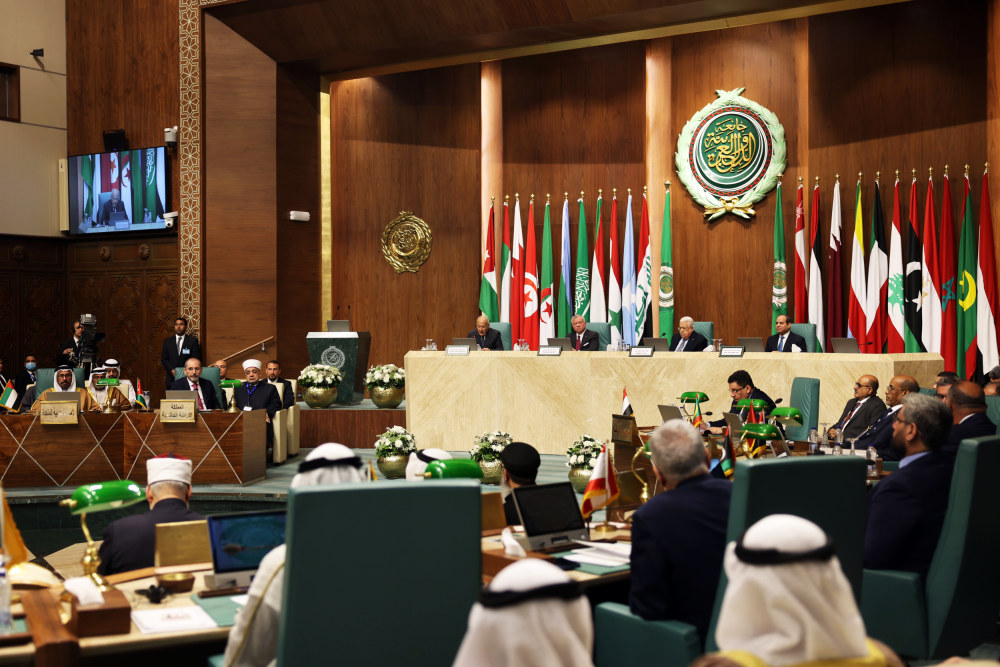
Posiedzenie Ligi Arabskiej w Kairze.


Arabowie nie są zaintersowani rozbrojeniem Hamasu

Khaled Abu Toameh


Liga Arabska, reprezentująca 22 państwa arabskie, 30 lipca wezwała wspieraną przez Iran palestyńską organizację Hamas do złożenia broni i rezygnacji z kontroli nad Strefą Gazy. Hamas odrzucił to wezwanie. Jak zareagowały kraje arabskie na odmowę Hamasu? Zamiast potępić Hamas za śmierć i zniszczenie w Strefie Gazy, potępiły Izrael.

Na początku tego roku wysoki rangą przedstawiciel Ligi Arabskiej, Hossam Zaki powiedział, że oddanie przez Hamas władzy nad Strefą Gazy byłoby w interesie narodu palestyńskiego. Jak zwykle, Hamas odrzucił to wezwanie. Od tego czasu – jak i wcześniej – Liga Arabska wielokrotnie potępiała Izrael za walkę z organizacją terrorystyczną odpowiedzialną za inwazję na Izrael z 7 października 2023 roku, która była najgorszą zbrodnią przeciwko Żydom od lat 40. XX wieku.

Co najmniej 1200 Izraelczyków i cudzoziemców zostało zamordowanych, tysiące odniosło rany, a 251 osób zostało uprowadzonych do Strefy Gazy jako zakładnicy. Hamas nadal przetrzymuje 48 zakładników; przypuszcza się, że żyje tylko 28 z nich.

Liga Arabska nie zwołała nadzwyczajnej sesji w celu omówienia lekceważącej odpowiedzi Hamasu wobec swoich arabskich braci. Odrzucając wezwanie do rozbrojenia i oddania kontroli nad Strefą Gazy, Hamas pokazał, że nie ma najmniejszego szacunku dla państw arabskich i muzułmańskich, w tym Arabii Saudyjskiej, Jordanii, Egiptu, Zjednoczonych Emiratów Arabskich, a nawet Kataru.

Hamas nie ma powodu, by spełniać żądania krajów arabskich i muzułmańskich. Nie boi się ich nawet w najmniejszym stopniu. Spędzają oni większość czasu na potępianiu Izraela i nie wywierają żadnej presji na tę organizację terrorystyczną, by zakończyła wojnę, uwolniła zakładników, złożyła broń lub zrezygnowała z władzy nad Strefą Gazy. Kraje arabskie, takie jak Katar, wciąż goszczą większość przywódców Hamasu – wielu z nich to miliarderzy, którzy nadal kierują zniszczeniem Gazy z luksusowych hoteli i willi w Dosze. To właśnie Katar, podczas całej rzekomej „mediacji” administracji Trumpa, wielokrotnie instruował Hamas, by dalej atakował Izrael i nie rozbrajał się (przykłady: tutaj, tutaj i tutaj).

Nawet po przyłączeniu się do apelu Ligi Arabskiej o zawieszenie broni, katarscy dziennikarze rządowi wzywają Hamas do porywania kolejnych izraelskich żołnierzy, do „[w]alki z Żydami i ich zabijania”, oraz twierdzą, że „zwycięstwo dżihadu w Gazie zakończy syjonizm”. Po wejściu w życie zawieszenia broni w styczniu 2025 roku, katarskie media rządowe ogłosiły je „miażdżącym historycznym zwycięstwem” Hamasu, „poważną porażką” Izraela, i porównały do traktatu z Hudajbijji – „który Prorok Mahomet podpisał ze swoimi wrogami z plemienia Kurajszytów” na dziesięć lat, ale „który złamał po około dwóch latach”, po czym zdobył Mekkę.

Iran finansuje Hamas na poziomie szacowanym na 100 milionów dolarów rocznie.

Przywódcy państw arabskich, którzy publicznie nie krytykują Hamasu, najwyraźniej obawiają się, że mogliby spotkać się z gniewem ulicy arabskiej, gdzie Hamas i inne ugrupowania islamistyczne nadal cieszą się dużą popularnością. Niektórzy arabscy przywódcy już są nazywani zdrajcami przez Arabów ze względu na swoje bliskie relacje z Izraelem i USA.

Niestety, można bezpiecznie założyć, że większość arabskich przywódców niespecjalnie przejmuje się cierpieniem narodu palestyńskiego, zwłaszcza mieszkańców Strefy Gazy. Przez ostatnie dekady większość państw arabskich ograniczała swoje wsparcie dla Palestyńczyków do pustych deklaracji i sloganów.

Na początku sierpnia Liga Arabska zwołała nadzwyczajną sesję w Kairze, aby omówić izraelskie plany przejęcia kontroli nad Gazą jako element nacisku na Hamas w celu uwolnienia zakładników i zakończenia jego rządów nad całą Strefą Gazy. Przywódcy arabscy, ignorując odmowę Hamasu wobec ich apelu o rozbrojenie i ustąpienie z władzy, zamiast tego określili izraelskie plany jako „rażący akt agresji” i zażądali pilnej presji międzynarodowej na Izrael, by ten zaprzestał działań zbrojnych przeciwko tej organizacji terrorystycznej. Można by się spodziewać, że przywódcy arabscy będą wściekli na Hamas za odrzucenie ich apelu. Byłoby to jednak błędne założenie.

Jeśli 22 państwa arabskie i muzułmańskie nie mają odwagi, by sprzeciwić się Hamasowi, jak można oczekiwać, że odegrają jakąkolwiek rolę w zakończeniu wojny w Strefie Gazy? Egipt i Katar to jedyne dwa państwa, które bezpośrednio negocjują z Hamasem w sprawie potencjalnego porozumienia o zawieszeniu broni i uwolnieniu zakładników. Pozostałe państwa arabskie postanowiły się nie angażować.

Przywódcy Hamasu regularnie odwiedzają Kair w celu rozmów z egipskimi urzędnikami na temat sytuacji w Strefie Gazy. Egipcjanie jednak nie wydają się wywierać na Hamas realnej presji. Podobnie Katar jak dotąd nie zdołał zmusić tej organizacji terrorystycznej do złożenia broni i rezygnacji z władzy nad Strefą Gazy. Jak wspomniano wcześniej, dziennikarze katarskich mediów rządowych wciąż aktywnie zachęcają Hamas do kontynuowania wojny.

Podobnie jak reszta krajów arabskich, Egipt i Katar nie sprawiają wrażenia szczególnie zaniepokojonych odmową Hamasu wobec apelu Ligi Arabskiej. Gdyby oba państwa rzeczywiście chciały wywrzeć presję na Hamas, przynajmniej zagroziłyby deportacją jego przywódców i ich rodzin oraz zamrożeniem ich kont bankowych. Nic takiego jednak się nie wydarzyło – przywódcy Hamasu nadal prowadzą wygodne życie w Dosze i są serdecznie przyjmowani za każdym razem, gdy przylatują do Egiptu.

Przywódcy Hamasu po prostu nie czują żadnej presji ze strony Arabów, by zakończyć wojnę w Strefie Gazy. Najprawdopodobniej dlatego są zdeterminowani, by walczyć do ostatniego Palestyńczyka. Ze swoich bezpiecznych domów i biur w Katarze i Turcji przywódcy Hamasu nadal gloryfikują palestyński „opór” i grożą Izraelowi kolejnym terrorem.

Najszybszym sposobem na zakończenie wojny byłoby domaganie się – z konsekwencjami w przypadku opieszałości – by państwa arabskie, zwłaszcza Egipt i Katar, przyjęły naprawdę stanowczą postawę wobec Hamasu. Administracja Trumpa jest prawdopodobnie jedynym podmiotem, który może wywrzeć presję na Egipt i Katar, aby zmusiły Hamas do uwolnienia zakładników i złożenia broni. Przywódcy arabscy, w końcu, nigdy nie słynęli ze współczucia wobec tych, którzy ośmielili się im przeciwstawić lub ich obrazić.


Khaled Abu Toameh – urodzony w 1963 r. w Tulkarem na Zachodnim Brzegu, arabski dziennikarz, któremu wielokrotnie grożono śmiercią. Publikował między innymi w “The Jerusalem Post”, “Wall Street Journal”, “Sunday Times”, “U.S. News”, “World Report”, “World Tribune”, “Daily Express” i palestyńskim dzienniku “Al-Fajr”. Od 1989 roku jest współpracownikiem i konsultantem NBC News.


Zawartość publikowanych artykułów i materiałów nie reprezentuje poglądów ani opinii Reunion’68,
ani też webmastera Blogu Reunion’68, chyba ze jest to wyraźnie zaznaczone.
Twoje uwagi, linki, własne artykuły lub wiadomości prześlij na adres:
webmaster@reunion68.com


Hamas Claims Responsibility for Monday’s Deadly Jerusalem Terror Attack


Hamas Claims Responsibility for Monday’s Deadly Jerusalem Terror Attack

Algemeiner Staff


People inspect a bus with bullet holes at the scene where a shooting terrorist attack took place at the outskirts of Jerusalem, Sept. 8, 2025. Photo: REUTERS/Ammar Awad

The Palestinian terrorist group Hamas‘s military wing, the al-Qassam Brigades, on Tuesday claimed responsibility for the shooting that killed six people in Jerusalem on Monday.

In a statement, the internationally designated terrorist group, which has ruled Gaza for nearly two decades and also maintained operations in the West Bank, said the two assailants who carried out the attack, Muhammad Taha and Muthanna Amro, were members.

The two Palestinian gunmen boarded a bus at Ramot Junction in northern Jerusalem and opened fire, killing six people before the attackers were shot dead by a soldier and an armed civilian. They were believed to have set out from two villages in the West Bank, according to Israeli officials. A third suspect was later arrested.

Those who were killed include Jacob Pinto, 25; Sarah Mendelson, 60; Rabbi Israel Matzner, 28; Rabbi Yosef David, 43; Rabbi Mordechai Steintzag, 79; and Rabbi Levi Yitzhak Pash. About 15 others were reportedly injured in the attack, including a pregnant woman and six who were in critical condition with gunshot wounds. Pinto, who recently immigrated to Israel from Spain, was a newlywed and the cousin of Instagram influencer Ariella Charnas.

Israeli Prime Minister Benjamin Netanyahu told security agencies on Monday night to prepare for a strike on Hamas leaders abroad following the terrorist attack in Jerusalem and a separate attack on an Israeli tank in northern Gaza that killed four soldiers, according to a joint statement from Netanyahu and Defense Minister Israel Katz.

Israel’s military and Shin Bet security agency on Tuesday targeted senior Hamas leadership in Qatar with airstrikes. For years, Qatar has not only hosted and sheltered top Hamas leaders but also supported the Islamist group diplomatically and financially.

“The prime minister and defense minister believed the operation was fully justified, given that this Hamas leadership was the one that initiated and organized the Oct. 7 massacre,” Netanyahu and Katz said, referring to Hamas’s 2023 invasion of southern Israel that started the war in Gaza. The two leaders added in their statement that Hamas “has since continued to carry out murderous attacks against Israel and its citizens, including taking responsibility for the murder of our civilians in yesterday’s attack in Jerusalem.”

Katz and Netanyahu added that they identified an “operational opportunity” to give Shin Bet and the Israel Defense Forces (IDF) the green light to carry out the strikes in Qatar.

A taxi driver helped rescue an elderly woman from Monday’s terrorist attack, according to video circulating on social media. The footage, taken from a vehicle’s dashboard camera, showed the driver, reportedly named Yigal, rushing from his seat to the passenger seat, which was occupied by an elderly woman he had driven in the city.

Israeli President Isaac Herzog spoke with the driver and praised the man for his courage.

“I am moved to speak with you, dear Yigal; you are truly an example of civilian heroism. I saw the video and said, ‘Get me Yigal!’” Herzog said, according to Israeli media reports. “Well done. You are an exemplary citizen. I want to thank you. You bring immense pride to the State of Israel.”

Several guns, ammunition, and a knife used by the attackers were found at the scene of the shooting.


Zawartość publikowanych artykułów i materiałów nie reprezentuje poglądów ani opinii Reunion’68,
ani też webmastera Blogu Reunion’68, chyba ze jest to wyraźnie zaznaczone.
Twoje uwagi, linki, własne artykuły lub wiadomości prześlij na adres:
webmaster@reunion68.com


Israeli Military Expert: Doha Strike Was Backed by US and Qatar Coup, Will Bring Hostage Deal Closer


Israeli Military Expert: Doha Strike Was Backed by US and Qatar Coup, Will Bring Hostage Deal Closer

Debbie Weiss


A damaged building, following an Israeli attack on Hamas leaders, according to an Israeli official, in Doha, Qatar, Sept. 9, 2025. Photo: REUTERS/Ibraheem Abu Mustafa

Israel’s unprecedented strike on Hamas leaders in Doha this week was not a rogue act of military aggression, but rather the outcome of quiet coordination between Qatar and the US that could bring a hostage deal closer, Israeli intelligence expert Eyal Pinko said on Wednesday.

The strike, which officials have said was planned months ago, came a day after 10 Israelis were killed by Hamas in Gaza and Jerusalem. Four were soldiers who died in an attack on an Israeli tank in northern Gaza. The separate shooting attack in Jerusalem, in which six Israelis were killed and several more wounded, was the “straw that broke the camel’s back,” Pinko, a national security expert who served in Israeli intelligence for more than three decades, said in a press briefing.

Pinko contended that while Qatar publicly condemned the attacks, it also enabled them. “I am sure they were involved and the attack was coordinated with the [Qataris],” Pinko later told The Algemeiner

The most recent round of negotiations to secure a Gaza ceasefire and hostage-release deal were nothing more than a “deception” by the US and Israel designed to gather Hamas leaders in one place “in order to set the timing to eliminate them,” he said. 

Pinko said the strike should also be seen in light of US President Donald Trump’s impatience with the stalled hostage talks, arguing it showed Trump was on board with assassinations of Hamas leaders despite public declarations that he was “very unhappy” with the attack. He also pointed to Trump’s comments from last month, in which the US president predicted the Gaza conflict would reach a “conclusive ending” within two or three weeks.

Qatar, which has long hosted Hamas’s exiled leadership, benefits strategically from replacing the terrorist group’s leaders loyal to Iran with figures it can trust, Pinko maintained. Doha holds billions of dollars belonging to Hamas officials and has no interest in letting Ankara or Tehran displace it as the group’s patron. The timing of the attack is also significant, Pinko said, coming in the wake of Israel’s strikes against Iran’s nuclear program over the summer. “Iran is in a very bad situation. Qatar can easily overcome Iran,” he said.

Pinko further argued that the strike may serve to bring forward the release of the Israeli hostages still being held in Gaza since Hamas itself was no longer a coherent negotiating partner. The terrorist group operating in Gaza had become fragmented, “divided into five families that are fighting each other” and sometimes giving the impression that “they hate each other more than they hate Israel,” Pinko said. Recent talks proved “there was no longer a decisionmaker in Hamas,” and this disarray had allowed Hamas leaders to drag out the process with unrealistic demands. Removing those figures, he argued, would leave room for Qatar to install leaders who could cut a deal. “This will make the negotiation process much faster,” he said.

Pinko’s assessment stands in stark contrast to the fears of some of the families of the remaining 48 hostages held in Gaza, who said in a statement they had “grave fear” the Doha strike could sabotage the chances of bringing their loved ones home. 

He placed the operation in a wider context, linking it to the revival of the Abraham Accords and US efforts to build a trade corridor from India through the Gulf to Israel and Europe as a counterweight to China’s trillion-dollar Belt and Road initiative, ending with Gaza as a key trade hub. “Trump is very serious in making the northern part of the Gaza Strip as [having] US autonomy. That will be the end of the American belt and road initiative to compete with the Chinese,” he said.

Israeli Prime Minister Benjamin Netanyahu on Wednesday called on Qatar, which “gives safe haven [and] harbors terrorists,” to expel them or bring them to justice, adding that if they don’t, “we will.”

Qatari Prime Minister Sheikh Tamim bin Hamad Al Thani, for his part said his country would retaliate over the strike, and accused Netanyahu of “wasting” Qatar’s time in negotiations and “leading the Middle East to chaos.”

Pinko called out Doha for its “duplicity” in pretending to be a peacemaker on the one hand, while “fueling Hamas and hatred” in the US and Europe, on the other. 

“They are against Israel in their DNA. They don’t want Israel to exist,” he said. “So Gaza and Hamas are a very important asset for them.”

Some critics have denounced the Doha strike as a violation of international law, but international law experts note that Article 51 of the UN Charter recognizes a state’s inherent right to self-defense and that this right is not confined by geography if attacks are directed from outside its borders. The so-called “unwilling or unable” doctrine holds that if a host country does not act against militants on its soil, the victim state may use proportionate force.

The US relied on this doctrine when it killed Osama bin Laden in Pakistan in a 2011 operation that was widely hailed by Western governments and the UN, whose then secretary-general Ban Ki-moon said at the time that he was “very much relieved by news that justice has been done” and called it “a watershed moment in our common global fight against terrorism.”


Zawartość publikowanych artykułów i materiałów nie reprezentuje poglądów ani opinii Reunion’68,
ani też webmastera Blogu Reunion’68, chyba ze jest to wyraźnie zaznaczone.
Twoje uwagi, linki, własne artykuły lub wiadomości prześlij na adres:
webmaster@reunion68.com