Archive | August 2025

Pan Romek ma pytanie

Jak donosi Al Dżazira, Katar negocjuje zawieszenie broni w Demokratycznej Republice Konga.


.

Pan Romek ma pytanie

Andrzej Koraszewski


Pan Romek w prywatnych wiadomościach na Facebooku zadaje mi pytanie o to, co proponuję w kwestii palestyńskiej, skoro nie „rozwiązanie dwupaństwowe”? Profil pana Romka jest skromny — nie wiadomo, gdzie mieszka ani czym się zajmuje. Zastanawiam się, dlaczego zwraca się z tym dręczącym go pytaniem akurat do mnie, mieszkańca Dobrzynia nad Wisłą? Być może wyczytał gdzieś, że jestem emerytowanym dziennikarzem i nie domyślił się tego, że byłem dziennikarzem jeszcze wtedy, kiedy wierzono, że dziennikarze mają informować, a nie wymyślać rozwiązania konfliktów w odległych krajach.

Zastanawiam się, czy pan Romek próbował kiedykolwiek rozwiązać jakikolwiek problem swojej gminy, pomóc w czymkolwiek najbliższemu sąsiadowi czy komuś z rodziny? Naprawianie świata jest zazwyczaj specjalnością ludzi, którzy nie potrafią pomóc sami sobie, a tym bardziej drugiemu człowiekowi.

Zapytałem pana Romka (tak, podpisuje się Romek, a nie Roman, co może wskazywać na głębokie przywiązanie do infantylizmu), dlaczego akurat mam mieć propozycję dla Palestyńczyków, a nie dla Demokratycznej Republiki Konga? Odpowiedział, że ma również jedynie słuszne rozwiązanie dla DRK. Proponuje zatem nasz Romek, żeby międzynarodowe siły pokojowe zakończyły wojnę domową w Demokratycznej Republice Konga, a następnie rozpisały wolne wybory.

Zadałem Romkowi kilka niestosownych pytań — czy kiedykolwiek interesował się mapami, czy wie, że Kongo to ponad sto milionów ludności, ponad dwieście grup etnicznych, których wspólnym językiem jest francuski? Czy może słyszał, że wojny domowe w Kongo po uzyskaniu niepodległości pochłonęły dziesięć do dwudziestu milionów ludzkich istnień, a dokładnych liczb nie ma, bo nikt nie prowadzi dokładnych statystyk? Dalsze moje pytania do naszego Romka były jeszcze bardziej retoryczne, bo niby skąd nasz Romek ma wiedzieć, że Uniwersytet im. Patryka Lumumby w Moskwie to „Watykan” rosyjskiej walki z imperializmem i kolonializmem, że tu kształcili się i nadal kształcą się ludzie, których zadaniem jest podtrzymywanie morderczej walki o pokój?

Oczywiście na pytanie, czy czytał Jądro ciemności Conrada, Heban Kapuścińskiego, Tropical Gangsters Roberta Klitgaarda, czy Breakfast in Hell Harrisa, podobnie jak na pytanie, czy zna jakikolwiek konflikt zbrojny rozwiązany z pomocą międzynarodowych sił pokojowych oraz długą historię nie tylko impotencji tych sił, ale i ich kryminalnych działań — odpowiedzi już nie dostałem.

A jednak centralnym problemem pana Romka jest „rozwiązanie w postaci dwóch państw” i jest to całkowicie zrozumiałe, bo Romek jest dziecięciem szkoły, może również uniwersytetu, mediów krajowych i zagranicznych oraz instytucji międzynarodowych. Różni się nawet od polityków, dziennikarzy i celebrytów, bo ma odwagę zadawania pytań, chociaż nie czeka na odpowiedź — więc trudno powiedzieć, w jakim celu je zadaje.

Co w tym wszystkim zastanawia? Być może przede wszystkim fakt, że kiedy pojawia się problem dziury w drodze przed domem osób takich jak pan Romek — dziury, która może spowodować, że zniszczy resory swojego samochodu lub, co gorsza, że jego dziecko skręci kark jadąc na rowerze — zazwyczaj osoby zafrapowane rozwiązaniem w postaci dwóch państw, tysiące kilometrów dalej, albo nie reagują w ogóle, albo mają pretensje do władz państwowych, które przecież powinny się tą dziurą zająć.

Marzyliśmy o oddolnej demokracji uczestniczącej, o radach robotniczych, o spółdzielniach rolniczych i mieszkaniowych, o radach mieszkańców, o radach rodzicielskich, o radach gminnych. To wszystko okazało się marzeniem, sprzedanym za tanie, modne bzdury naprawiaczy świata.

Wolność okazała się zbyt trudna, zbyt nieciekawa. Zostaliśmy z wyborami co cztery lata, z pretensjami, że władza o nas nie dba, i z milionami panów Romków szukających rozwiązania w postaci dwóch państw.

Pan Romek jest tu najmniej winny. To ofiara kultury centralizmu, obietnic i nieustannego upupiania. Demokracja rozumiana jako bezpośrednia odpowiedzialność za życie własne i życie swoich dzieci to marzenia pradziadów, o których zdążyliśmy zapomnieć. Gazety przypominają, że powinniśmy być wrażliwi i troszczyć się o drugiego człowieka, informują nawet, którego człowieka — ta wskazówka należy nam się jak kuroniówka, jak dodatek na dziecko i jak dobre stopnie naszego dziecka.

Żyjemy w wolnym, demokratycznym i zamożnym kraju. Pan Romek nie pyta, jak dotarł do natarczywego pytania, co zamiast rozwiązania w postaci dwóch państw, czyli: co powinien zrobić Izrael, żeby pan Romek miał poczucie, że spełnił swój obowiązek wrażliwości i dobrze wykorzystał wolność, o którą tak gorąco modlił się dla nas nasz Papież.

Mamy wolność i używamy jej zgodnie z własną tradycją i modnymi trendami płynącymi z Zachodu. Zakładamy zbroję Chrystusowego Rycerza albo kefiję postępowego ateisty i ruszamy w trans w poszukiwaniu żądań Wielkiej Sprawiedliwości, która uwolni nas od korzystania z nadmiaru wolności.

I tu pojawia się praktyczne pytanie: czy Romkom odpowiadać, czy próbować ich ignorować? Wszystkie możliwe odpowiedzi wydają się błędne.


Zawartość publikowanych artykułów i materiałów nie reprezentuje poglądów ani opinii Reunion’68,
ani też webmastera Blogu Reunion’68, chyba ze jest to wyraźnie zaznaczone.
Twoje uwagi, linki, własne artykuły lub wiadomości prześlij na adres:
webmaster@reunion68.com

Year three of the siege on Jewish students begins


Year three of the siege on Jewish students begins

Jonathan S. Tobin


Blood libels against Israel may reignite campus antisemitism. Administrators who tolerate the targeting of Jews, however, will have to reckon with President Donald Trump.

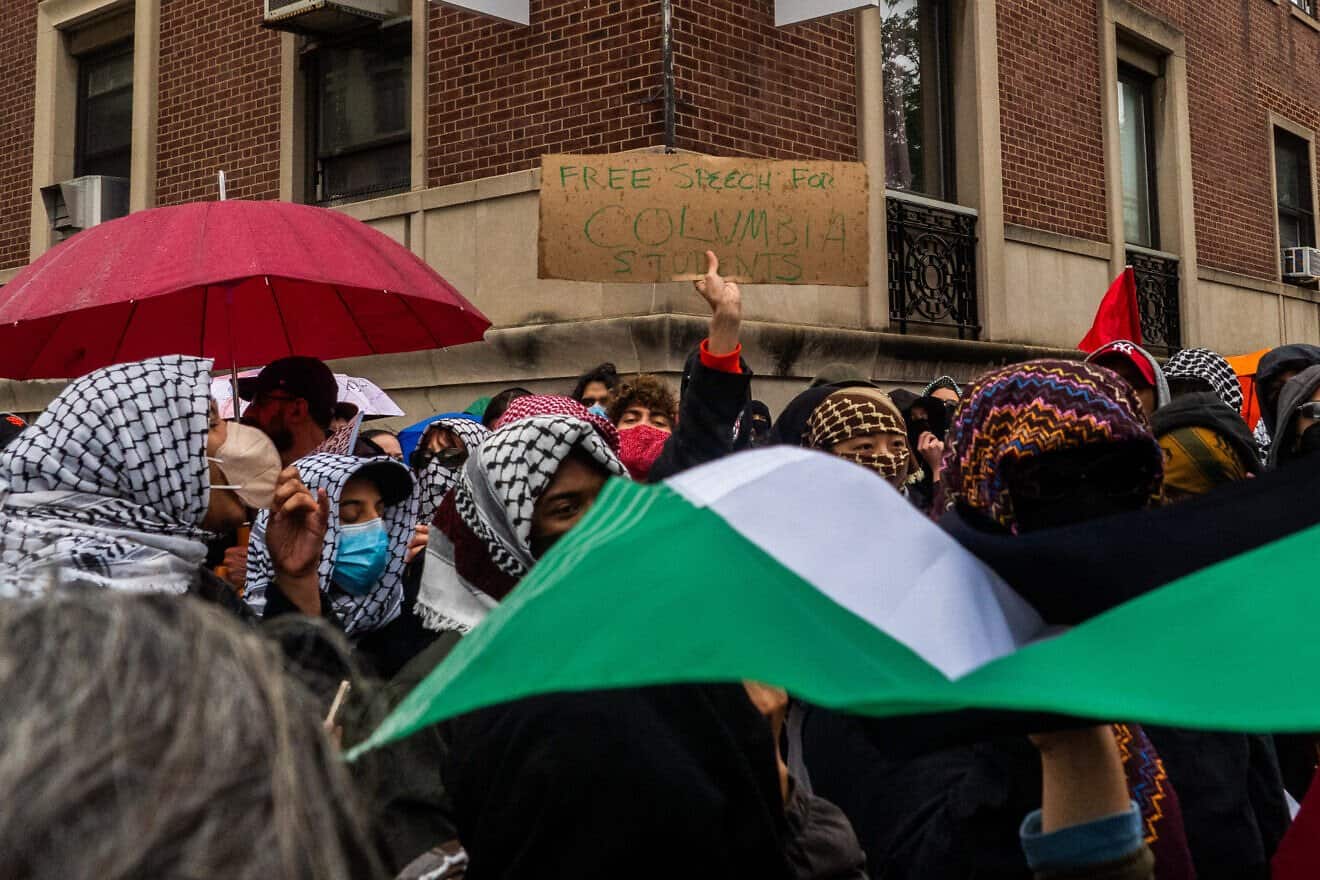
A protester holds a sign reading “Free Speech for Columbia Students” over a large crowd gathered for a pro-Palestinian protest near campus, May 21, 2025. Photo by Madison Swart/Hans Lucas/AFP via Getty Images.

By the end of the second academic year since the Hamas-led Palestinian Arab attack against southern Israeli communities on Oct. 7, 2023, the unprecedented increase in antisemitism on American college campuses appeared to have abated. Some of the steam seemed to have gone out of the organized mobs of pro-Hamas demonstrators who took part in encampments and building takeovers while chanting for the destruction of Israel and Jewish genocide (“From the river to the sea”) and for terrorism against Jews wherever they lived (“Globalize the intifada”).

More importantly, the administrators who tolerated and encouraged the abuse of Jews—something they never would have stood for had the victims been any other minority group—had met a force they feared just as much, if not more, than truculent leftist faculty members and students. President Donald Trump came into the picture with an aggressive and ambitious plan to make campuses safe for Jewish students and roll back factors that had made the post-Oct. 7 surge of antisemitism possible.

By the time this past spring semester had ended, the second-term president’s effective threats of defunding those institutions that had tolerated and encouraged Jew-hatred had forced many schools to shut down the wave of illegal activity. The high tide that had flooded colleges under the Biden administration seemed to have ebbed.

Two forces collide

Still, as students return to campus for the fall semester, complacency about the problem would be a mistake. If anything, the coming months could turn out to be even more problematic for Jewish students as two equally powerful forces collide: the anti-Israel and antisemitic fervor that is the result of the war in Gaza eclipsing every other left-wing cause in importance, and the determination of Trump to end the reign of woke leftism in academia.

In recent months, as the campuses quieted down for the summer, the drumbeat of incitement against Israel, Zionism and Jews has increased rather than died down. Hamas propaganda about Israel committing “genocide” in Gaza and deliberately starving Palestinians in the Strip has been mainstreamed by corporate media outlets, making headlines worldwide.

These blood libels have become part of the conventional wisdom about the Middle East among liberal and left-wing elites in journalism, academia, cultural establishments and unions, as well as in the Democratic Party. That has caused even many Jews who fear being out of sync with liberal fashion to engage in unfair criticism of Israel, which essentially legitimizes anti-Zionist invective and the cause of letting the Hamas monsters behind the unspeakable atrocities survive the war they started on Oct. 7.

Most schools now understand that Trump means business and that he fully intends to punish academic institutions that let Jew-hatred flourish with defunding measures that will devastate their budgets. While most of them are far from ready to comply with the full range of demands, none want their campuses to become the focus of administration or congressional inquiries, let alone wake up and discover that Washington is pulling the money that represents the lifeblood for even the richest of universities.

That means they will, as many were in the spring, be ready to suspend and expel students who engage in campus takeovers. Nevertheless, the forces behind the pro-Hamas mobs are just as determined to exploit the successes in the information wage that the terrorists, their funders and enablers in the media have won.

So, as American higher education reopens for business, it’s far from clear which of these two immovable forces will prevail. The one thing we do know is that the stakes in this battle of wills between liberal educational bureaucrats and the Republican administration are not merely a matter of political advantage for Trump or his opponents.

Those at risk if the administration’s defunding threats and justified demands for reforms to abolish the root causes of campus antisemitism are ignored or fail to have the intended effect will not be Trump’s appointees. It is Jewish students who will suffer if administrators believe that they are better off appeasing leftist antisemites instead of the president. Their ability to move about their schools without fear of intimidation and even violence, as well as to engage in academic life without having to disavow their people, their faith and Israel, hinges on whether the administration makes it clear that the consequences of another antisemitic surge will prove serious.

A woke bureaucracy

The forces behind the pro-Hamas agitation on campus have not been eliminated by Trump. The same factors that had ignited the firestorm of Jew-hatred throughout many of the country’s institutions of higher learning remain in place.

The administration’s campaign to deal with campus antisemitism came down like a ton of bricks on elite institutions like Columbia and Harvard. The president’s task force dealing with the subject demanded that they not only take stringent measures to curb the activities of the pro-Hamas mobs but also address the inherent factors that had made them possible.

Trump’s ambitious goal was not only to make schools safer for Jewish students but to roll back the hold of leftist doctrines that made the post-Oct. 7 troubles inevitable. While a turning point may have been reached in which these forces will now start to decline, these institutions have not been converted from woke strongholds to their previous position as defenders of the Western canon, the neo-Marxists have warred against.

The reign of bureaucrats implementing the woke catechism of diversity, equity and inclusion (DEI) that sought to exacerbate racial divisions, as well as falsely labeling Jews as “white” oppressors, is largely still there. So, too, are the overwhelmingly leftist faculties and administrators who have been thoroughly indoctrinated in the toxic myths of critical race theory, intersectionality and settler-colonialism.

The progressive takeover of academia has been slowly unfolding as the left has completed its long march through American educational institutions for decades. It reached its high point during the moral panic of the Black Lives Matter summer of 2020, following the killing that spring of George Floyd by a Minneapolis police officer. But as interest in dividing all Americans along immutable racial lines waned, the neo-Marxist ideas that animated this movement are held up as a new orthodoxy throughout the humanities and among educational bureaucrats.

Woke policies didn’t just predispose people to dislike Israel. They influenced the curricula taught at schools, as well as the hiring of professors and admissions, creating left-wing bubbles where antisemitic denial of Jewish history and rights became normative. And as “free Palestine,” the phrase that has come to encapsulate a belief in destroying the State of Israel and demonizing Jewish peoplehood, became the primary obsession of the American left, the Oct. 7 terrorist attacks helped mobilize students, faculty, school employees—aided and abetted by outside agitators and funders—to turn campuses into hostile environments for Jews.

Foreign students and funding

So, while the people who run American higher education understood that the election in 2024 of a president who prioritized the fight against antisemitism endangered their businesses, the inmates of these academic asylums remain just as interested in turning the fall 2025 semester into another ordeal for Jews and supporters of Israel.

Nor has the funding for these antisemitic groups, like Students for Justice in Palestine and others, from both foreign sources, such as the emirate of Qatar and left-wing foundations like those controlled by the Soros family, dried up.

One factor that may alleviate the problem has been Trump’s focus on the role of foreign students in campus disturbances.

Trump hasn’t yet banned the entry of students from abroad, especially Muslim-majority countries. Nor has he succeeded, as he still hopes to do, in deporting some of the leaders of the pro-Hamas and antisemitic illegal demonstrations and takeovers.

Syrian-born Mahmoud Khalil, who helped lead the chaos at Columbia, has (with the support of many liberal Democrats who have wrongly depicted him as a martyr to free speech and some empathetic judges) been able to remain in the country, despite the administration’s best effort to deport him.

Many other foreign students, who make up significant percentages of the student bodies of many leading schools like New York University, the Massachusetts Institute of Technology, Harvard and Columbia, have essentially self-deported since they, like Khalil, have undoubtedly lied on their visa applications and are vulnerable to legal action. Others who were similarly intent on coming to the United States to benefit from the education system here while undermining the values of the American republic and spreading Islamist doctrines have taken Trump’s hint and decided not to come to the United States this fall.

But there are likely enough still here, along with a cadre of leftist activists, to create havoc at schools in the name of the supposedly starving Palestinian people and against Israel.

Trump must double down

Averting another situation such as the one that unfolded after Oct. 7 will require two things to happen.

One is that the Trump administration must be prepared to double down on its threats against colleges and universities that behave as they did two years ago and let antisemites run amok.

Moreover, rather than work solely toward striking more deals with schools, such as the one they struck with Columbia, Trump’s team must escalate their efforts to pull funding and force them to give up their DEI bureaucracies, as well as dismantle those departments, like those in Middle East studies, that are engines of antisemitism.

At the same time, those whose job it is to defend Jews, in general, like the Anti-Defamation League and American Jewish Committee, and Jewish students, in particular, such as Hillel International, need to understand that they must cease opposing Trump’s efforts to reform academia and end DEI. Measures that are supposed to aid Jewish students that do not attack the reasons why they are under attack are useless and say more about the bankruptcy of many leading mainstream Jewish groups than anything else.

The coming months may prove trying for American Jews as they undergo another trial by fire, fueled by lies about Israel. The same leftist-Islamist alliance that has done so much damage in the last two years seeks to ignite another storm of antisemitism on campuses.

Still, they need to remember that they are not alone in this fight. Trump’s prioritization of the battle against Jew-hatred has put colleges and universities that would otherwise be inclined to abandon their Jewish students on notice that there will be a cost to doing so. We can only hope that this will be enough to force school administrations into actions that will finally rid academia of this scourge.


Jonathan S. Tobin is editor-in-chief of the Jewish News Syndicate, a senior contributor for The Federalist, a columnist for Newsweek and a contributor to many other publications. He covers the American political scene, foreign policy, the U.S.-Israel relationship, Middle East diplomacy, the Jewish world and the arts. He hosts the JNS “Think Twice” podcast, both the weekly video program and the “Jonathan Tobin Daily” program, which are available on all major audio platforms and YouTube. Previously, he was executive editor, then senior online editor and chief political blogger, for Commentary magazine. Before that, he was editor-in-chief of The Jewish Exponent in Philadelphia and editor of the Connecticut Jewish Ledger. He has won more than 60 awards for commentary, art criticism and other writing. He appears regularly on television, commenting on politics and foreign policy. Born in New York City, he studied history at Columbia University.


Zawartość publikowanych artykułów i materiałów nie reprezentuje poglądów ani opinii Reunion’68,
ani też webmastera Blogu Reunion’68, chyba ze jest to wyraźnie zaznaczone.
Twoje uwagi, linki, własne artykuły lub wiadomości prześlij na adres:
webmaster@reunion68.com


Anti-Israel Rioters Attack Israeli Cruise Ship, Prevent Tourists From Disembarking in Greece


Anti-Israel Rioters Attack Israeli Cruise Ship, Prevent Tourists From Disembarking in Greece

Ailin Vilches Arguello


Greek riot police clash with pro-Palestinian protesters near the port of Rhodes during a demonstration targeting an Israeli cruise ship. Photo: Screenshot

Anti-Israel rioters on the Greek island of Crete have attacked an Israeli cruise ship, preventing tourists from disembarking in the latest incident targeting Israeli visitors in Greece. 

The MS Crown Iris — operated by Israeli cruise line Mano Maritime — was targeted once again by pro-Palestinian activists this week.

On Thursday, Israeli tourists were physically assaulted and temporarily blocked from disembarking in Crete by about 25 protesters gathered at the island’s main port to demonstrate against the war in Gaza.

The rioters, waving Palestinian flags and holding banners falsely accusing Israel of genocide, clashed violently with police who were trying to secure a safe passage for the Israeli tourists.

As Israeli tourists tried to disembark, they were attacked by the demonstrators, who threw rocks and metal bars, forcing many to retreat back onto the ship.

After those who first tried to leave the ship were physically assaulted, police advised everyone to return onboard, as protesters appeared to be blocking all exits from the port.

The port then closed its gates, and all passengers returned to the ship while authorities worked to regain control of the situation.

Greek riot police intervened, using pepper spray to disperse the crowd and detaining four protesters, but some passengers were still injured during the incident.

This latest attack marks the third incident in a month in which anti-Israel protesters have targeted Israeli tourists and attempted to boycott the Mano Maritime cruise line.

Greece’s Minister of Citizen Protection, Michalis Chrysochoidis, condemned these targeted attacks, vowing that anyone who tries to prevent a foreign national from legally entering the country will “face prosecution, arrest, and then criminal proceedings under the anti-racism law.”

Las month, approximately 1,600 Israeli passengers expecting a peaceful stop on their cruise were unable to disembark from a ship docked on the island of Syros after a pro-Palestinian protest erupted at the port, raising safety concerns.

Around 300 demonstrators had gathered at the dock to protest against the war in Gaza, while Syros Port Authority police guarded the area and intervened to prevent violence until the ship departed.

Amid the large anti-Israel protest, the cruise company chose to divert the ship to Limassol, Cyprus.

In videos circulating on social media, protesters were seen waving Palestinian flags and holding banners with slogans such as “Stop the Genocide” and “No AC [Air Conditioning] in Hell,” while chanting antisemitic slogans.

In a similar incident, pro-Palestinian protesters clashed with Greek riot police on the island of Rhodes as they attempted to block a Mano Maritime cruise ship from docking at the island’s main port.

More than 600 passengers were set to disembark when tensions escalated and brief clashes broke out as authorities worked to control the protest.

According to videos circulating on social media, riot police can be seen confronting a group of pro-Palestinian protesters gathered near the dock, who shouted slogans such as “Freedom for Palestine.”

Since the Hamas-led invasion of and massacre across southern Israel on Oct. 7, 2023, antisemitic incidents have surged to alarming levels across Europe.

These incidents appear to be the latest in an increasing wave of anti-Jewish hate crimes that Greece and other countries have experienced in recent months.

On Friday, a group of Israeli tourists from London were thrown out of a Greek taverna and called “baby killers” after a dispute with the pro-Palestinian restaurant owner.

Last month in Athens, a group of pro-Palestinian activists vandalized an Israeli restaurant, shouting antisemitic slurs and spray-painting graffiti with slogans such as “No Zionist is safe here.”

The attackers also posted a sign on one of the restaurant’s windows that read, “All IDF soldiers are war criminals — we don’t want you here,” referring to the Israel Defense Forces.

In June, an Israeli tourist was attacked by a group of anti-Israel activists after they overheard him using Google Maps in Hebrew while navigating through Athens.

When the attackers realized the victim was speaking Hebrew, they began physically assaulting him while shouting antisemitic slurs.


Zawartość publikowanych artykułów i materiałów nie reprezentuje poglądów ani opinii Reunion’68,
ani też webmastera Blogu Reunion’68, chyba ze jest to wyraźnie zaznaczone.
Twoje uwagi, linki, własne artykuły lub wiadomości prześlij na adres:
webmaster@reunion68.com


Człowiek, który przeprasza swojego kata

Jak zachodnie uniwersytety, biurokraci i wielokulturowa lewica zamienili prawdę na uczucia, wolność na kruchość, a społeczeństwo obywatelskie na piaskownicę dla histerycznych dzieci.


.

Człowiek, który przeprasza swojego kata


Paul Finlayson


„Istotą tyranii nie jest żelazne prawo. Jest nią kapryśne prawo” – napisał Christopher Hitchens. I nigdzie ta ponura maksyma nie objawia się tak wyraźnie jak we współczesnej biurokratycznej farsie sprawiedliwości. Dawni tyrani rządzili batem i ogłaszali swoje prawa.

Nasi chowają się za politykami HR i plastycznymi kodeksami postępowania – za słowami takimi jak „odpowiedniość”, „bezpieczeństwo”, „szacunek” – których znaczenia są nie tylko niejasne, ale celowo elastyczne. To nie przypadek. Ta niejasność to sedno sprawy. Gdy zasady mogą znaczyć wszystko, nie znaczą nic – a władza może być sprawowana bez odpowiedzialności, kierując się polityką, zemstą lub próżnością.

W tym reżimie ruchomych piasków, wina nie jest dowodzona – jest przypisywana. Niewinność to nie domniemanie, lecz przeszkoda.

Żyjemy dziś w groteskowym odwróceniu moralnej jasności – gdzie krzyki oprawców brzmią jak skargi ofiar, a ciężko wypracowane zasady Zachodu nie służą już obronie wolności, lecz jej tłumieniu.

Etyka, która niegdyś nakazywała oceniać charakter, a nie kolor skóry, dziś pada na kolana przed arytmetyką tożsamości. Martin Luter King Jr. jest passé. Malcolm X – w modzie.

A pośród tego moralnego karnawału trwamy w złudzeniu, że kultura to tylko dekoracyjny bukiet – o wymiennych płatkach, uniwersalnym zapachu i korzeniach, które można odciąć.

Ale kultura to nie ścięty kwiat. Jej piękno, jej rozkwit, karmione są nie sterylnymi abstrakcjami ani modnymi frazesami, lecz dzięki głębokim korzeniom – które sięgają przez wieki walki, przez odcięcie zabobonów w czasie Reformacji, przez rozum Oświecenia, przez powolny i uparty rozwój prawa, wolności i literatury.

A dziś każe się nam o tym zapomnieć – uwierzyć, jak klienci duchowego Costco, że te wolności są dostępne hurtowo, gotowe do użycia bez gleby, poświęcenia i pamięci.

Wielokulturowość, daleka od bycia filozofią, nie jest nawet spójną ideą. To emocjonalna fanaberia – ciepła kąpiel dla tych, którzy desperacko chcą czuć się moralnie lepsi. To ewangelia nie tyle zrozumienia, co ostentacji. Opiera się nie na rozumie, lecz na narkotycznym sygnalizowaniu cnót.

To utopijne złudzenie pozwala jej kaznodziejom zadzierać nosa, ignorując ciernie pod płatkami. Bo jak inaczej można twierdzić, że wszystkie kultury są równe, skoro w każdej prywatnej decyzji wybieramy inaczej?

Wybieramy, gdzie mieszkać, gdzie posyłać dzieci do szkoły, do których restauracji chodzić, z kim się spotykać, gdzie jeździć na wakacje – każda decyzja to mała zdrada świętej doktryny, że wszystko jest sobie równe.

To jak trzymać gówno w lodówce i nazywać je „klopsikami Babci”. To jak powtarzać banał, że „obcy to tylko przyjaciele, których jeszcze nie poznaliśmy” – fraza tak obraźliwie idiotyczna, że mogła przetrwać tylko w pokoju socjalnym modnych bzdur Zachodu.

To moralny odpowiednik mówienia dziecku, że drut kolczasty to po prostu źle zrobiona blaszka.

Kultura – właściwie pojęta – to nie bazar estetycznych błyskotek. To gleba – gęsta, żyzna i ciężko wywalczona. Niektóre kultury wyrastają na czarnoziemie i rodzą ogrody postępu. Inne rodzą się z jałowego okrucieństwa i dają nam chwasty, ciernie, pokrzywy i trującą wilczą jagodę. Jedne rozkwitają ziołami i mądrością, inne – duszącymi pnączami, mięsożernymi roślinami albo inwazyjnym zielskiem, które dławi wszystko wokół. A jednak współczesna lewica upiera się, by wszystkie te kwiaty – niezależnie od pochodzenia – ścinać i układać razem, jakby brak korzeni był powodem do dumy.

To odcięcie korzeni od kwiatu zostawiło nas kulturowo jałowymi. Wyobrażamy sobie, że wolność to cudowny rozkwit, dostępny w koszach w Costco, zmieniany co tydzień w zależności od nastroju. Ale ścięte kwiaty więdną. Bez gleby – bez tradycji, buntów, herezji i ludzkiego cierpienia, które dały im początek – wolność i rozum więdną, a ich zapach znika o poranku.

Jesteśmy jak idiota, który przekopuje ogród, zastępuje glebę żwirem i sztuczną trawą, po czym rzuca róże z supermarketu i krzyczy: „Rośnijcie!”

Witaj w nowoczesnym uniwersytecie – nowym Areopagu, starożytnym greckim miejscu spotkań, gdzie wymieniano się ideami, ale nigdy się do żadnej nie zobowiązywano. Dzieje Apostolskie notują z lodowatą ironią: „Wszyscy Ateńczycy i mieszkający tam cudzoziemcy spędzali czas tylko na mówieniu i słuchaniu czegoś nowego.”¹ Nie był to komplement.

Dzisiejsze uniwersytety to nasz Areopag – intelektualna turystyka udająca głęboką myśl. Tu idee sprzedaje się jak pamiątki, ale nigdy nie konfrontuje. Powaga moralna to trąd towarzyski. Studenci wychodzą nie mądrzejsi, lecz bardziej biegli w hashtagach i rytuałach urazy. A to właśnie tym instytucjom powierzamy zadanie integracji – przygotowania całej cywilizacji na szok importowania innej.

Porzućmy fikcję, że to nieszkodliwe. Same liczby powinny zmrozić krew. Badania Pew Research jasno pokazują, czego salony profesorskie boją się powiedzieć: w Iraku 91% muzułmanów popiera prawo szariatu. W Pakistanie – 84%. W Afganistanie – uwaga – 99%. Nawet w „umiarkowanej” Malezji – 86%. To nie marginesy. To główny nurt.

A mimo to zachowujemy się, jakby idee zatrzymywały się na granicy. Jakby karta pokładowa mogła wymazać stulecia teologii. A w Wielkiej Brytanii? Wg sondażu ICM z 2016 roku, 23% brytyjskich muzułmanów popierało wprowadzenie szariatu w części kraju. Ponad połowa (52%) uważała, że homoseksualizm powinien być nielegalny. Prawie 40% uważało, że żony zawsze powinny być posłuszne mężom. To nie są preferencje. To teologie polityczne. Plany na społeczeństwo równoległe, w którym liberalna demokracja to co najwyżej tymczasowa niedogodność.

To nie integracja. To infiltracja.

Na scenę wchodzi Keir Starmer – wybrana meduza brytyjskiej Partii Pracy – rozpływający się nad „islamskimi wkładami kulturowymi” z nabożnością studenta pierwszego roku antropologii na wieczorku poezji sufickiej. Zapytaj go o apartheid płciowy w muzułmańskich szkołach albo o zasłanianie dziewięcioletnich dziewczynek, a obróci się szybciej, niż zdążysz powiedzieć „intersekcjonalność”. Jego tchórzostwo nie jest tylko żałosne – jest groteskowe, ciągnące się za nim jak motocyklista Hamasu wlokący dysydenta przez zakrwawione ulice Gazy.

A oto Mark Carney – elegancki bankier, który przeistoczył się w petenta – promujący w Wielkiej Brytanii produkty finansowe zgodne z szariatem, jakby pluralizm ekonomiczny był przykazaniem, a nie ustępstwem. Nazywają to „inkluzywnością” – powolnym wtapianiem prawa teokratycznego w życie świeckie, jakby Magna Carta była czymś, co można po cichu wykreślić na marginesie.

Klasa polityczna, krótko mówiąc, nie jest ślepa. Jest kupiona. Kupiona nie ropą (przynajmniej nie bezpośrednio), lecz obietnicą wyborczą płynącą z gęsto zaludnionych okręgów, w których meczety pełnią także rolę maszyn politycznych. Jak ujęła to Asra Nomani w książce Woke Army: „To nie są sojusznicy. To okupanci.”

Joseph Goebbels – niech gnije w niesławie – wiedział, że propaganda nie ma tylko zwodzić. Ma przekształcać rzeczywistość. „Kłamstwo powiedziane raz pozostaje kłamstwem – powiedział – ale powtarzane tysiąc razy staje się prawdą.”

Bractwo Muzułmańskie – duchowy sternik współczesnego islamizmu – wzięło to sobie do serca. Ich taktyką nie są zamachy samobójcze, lecz „bombardowanie opowieściami”. Zamiast granatów, rzucają narracje.

Rozsiewają urazę, nie odłamki. A z pomocą uległych akademików i zastraszonych dziennikarzy przekonali znaczną część zachodniej inteligencji, że muzułmanie to najbardziej prześladowana grupa na świecie – nawet gdy tłumy skandują „śmierć Żydom” w stolicach Europy, nawet gdy Salman Rushdie zostaje dźgnięty nożem w biały dzień.

Krytyka staje się „islamofobią”.
Nadzór – „rasizmem”.
Wolność słowa – „mową nienawiści”.

Tymczasem ambony pozostają bez kontroli. Meczetom finansowanym przez wahabitów, think tankom opłacanym przez Katar, islamistycznym influencerom na Twitterze z niebieskimi ptaszkami i retorycznymi koktajlami Mołotowa – wszystkim pozwala się działać.

Trifković w The Sword of the Prophet ostrzegał przed tym dawno temu: „Islam dzieli świat na dwie strefy – Dar al-Islam (dom poddania) i Dar al-Harb (dom wojny). Zachód nie jest postrzegany jako partner, lecz jako terytorium do podbicia.”

W 2023 roku tłum ludzi w Birmingham odprawiał publiczne modły przed biblioteką, blokując wejście i powodując wielogodzinne korki. Policja stała z boku niczym maitre d’hotel w ekskluzywnej restauracji, dbając o to, by niewierni się nie skarżyli. Zapytana, dlaczego na to pozwolono, rzeczniczka wymamrotała coś o wrażliwości, więzach społecznych i znaczeniu „dialogu”.

Trudno sobie wyobrazić, by inna religia mogła liczyć na taką pobłażliwość. Katolicka msza na ulicy zostałaby nazwana utrudnieniem ruchu. Żydowski minjan – upomniany za naruszenie przepisów zagospodarowania przestrzennego. Ewangelicka manifestacja modlitewna – uznana za grupę nienawiści. Ale islam – ulubiona tyraniczna teokracja Zachodu – dostaje przepustkę.

Dlaczego? Bo połknęliśmy mit o muzułmańskiej kruchości – przekonanie, że każda krytyka wiary czy jej publicznych przejawów to podżeganie do nienawiści. To sztuczka naszych czasów: ogłaszasz się ofiarą i natychmiast zyskujesz władzę. Oskarżony staje się oskarżycielem. A reszta jest winna „obrazy”.

Asra Nomani trafnie opisuje ten sojusz. W jej ocenie Bractwo Muzułmańskie nie tyle infiltrowało lewicę, co się z nią zespoliło. Poprzez organizacje takie jak CAIR w USA czy MEND w Wielkiej Brytanii przemawiają słodkim językiem różnorodności i równości, a jednocześnie przemycają kodeks moralny, przy którym Torquemada wygląda na łagodnego demokratę.

A lewica? Lewica się kłania. Spragniona nowych ikon, wynosi kobiety w hidżabach na piedestał feministek, a imamów – na obrońców praw obywatelskich. Feminizm broni dziś hidżabu. Aktywiści LGBT skandują ramię w ramię z ludźmi, którzy chcieliby ich ukamienować. To nie koalicja. To pakt samobójczy.

Zachód, w swoim samopotępieniu, stał się jak człowiek, który przeprasza swojego kata za marną jakość ostrza.

Musimy zerwać maskę z tego balu przebierańców. Publiczna modlitwa bez zezwolenia to nie wielokulturowość. To wyzwanie rzucone państwu świeckiemu. Żądania sądów szariackich to nie przejawy kultury – to polityczne deklaracje wojny z zachodnim systemem prawnym.

Nadszedł czas, by wytyczyć granice – nie z nienawiścią, lecz z jasnością. Nie z przemocą, lecz z stanowczością. Odpowiedzią nie jest prześladowanie muzułmanów, ale odmowa udziału w farsie. Powiedzmy: możesz wyznawać swoją religię, ale nie blokować ulicy. Możesz mieć swoje przekonania, ale nie żądać, by prawo się im podporządkowało. Możesz głosić swoją ewangelię, ale my zachowamy prawo do odpowiedzi.

Kulturowy system odpornościowy Zachodu musi się obudzić, zanim będzie za późno. Nie jesteśmy islamofobami. Kochamy wolność. A jesteśmy pod oblężeniem.

Orwell przewidział but, który bez końca depcze ludzką twarz. Hitchens przypomniał, że jedyną postawą bardziej godną pogardy niż mylenie się jest strach przed byciem w porządku.

Mówmy – głośno. Obrażajmy – z dumą. Brońmy tego, za co inni oddali życie, by nam przekazać: kultury, w której jednostka jest święta, prawo ślepe, a Bóg – jakiekolwiek nosi imię – nie ma prawa zawetować wolnej myśli.

Bo jeśli to utracimy, nie wymienimy naszej cywilizacji na pokój, lecz na przyzwolenie. I nie dostaniemy ani jednego, ani drugiego.


Zawartość publikowanych artykułów i materiałów nie reprezentuje poglądów ani opinii Reunion’68,
ani też webmastera Blogu Reunion’68, chyba ze jest to wyraźnie zaznaczone.
Twoje uwagi, linki, własne artykuły lub wiadomości prześlij na adres:
webmaster@reunion68.com


Only a rule-breaking administration can truly combat antisemitism


.

Only a rule-breaking administration can truly combat antisemitism

Jonathan S. Tobin


An ambassador’s broadside aimed at French President Emmanuel Macron is another example of how Trump 2.0 is prioritizing the battle against a rising tide of Jew-hatred.

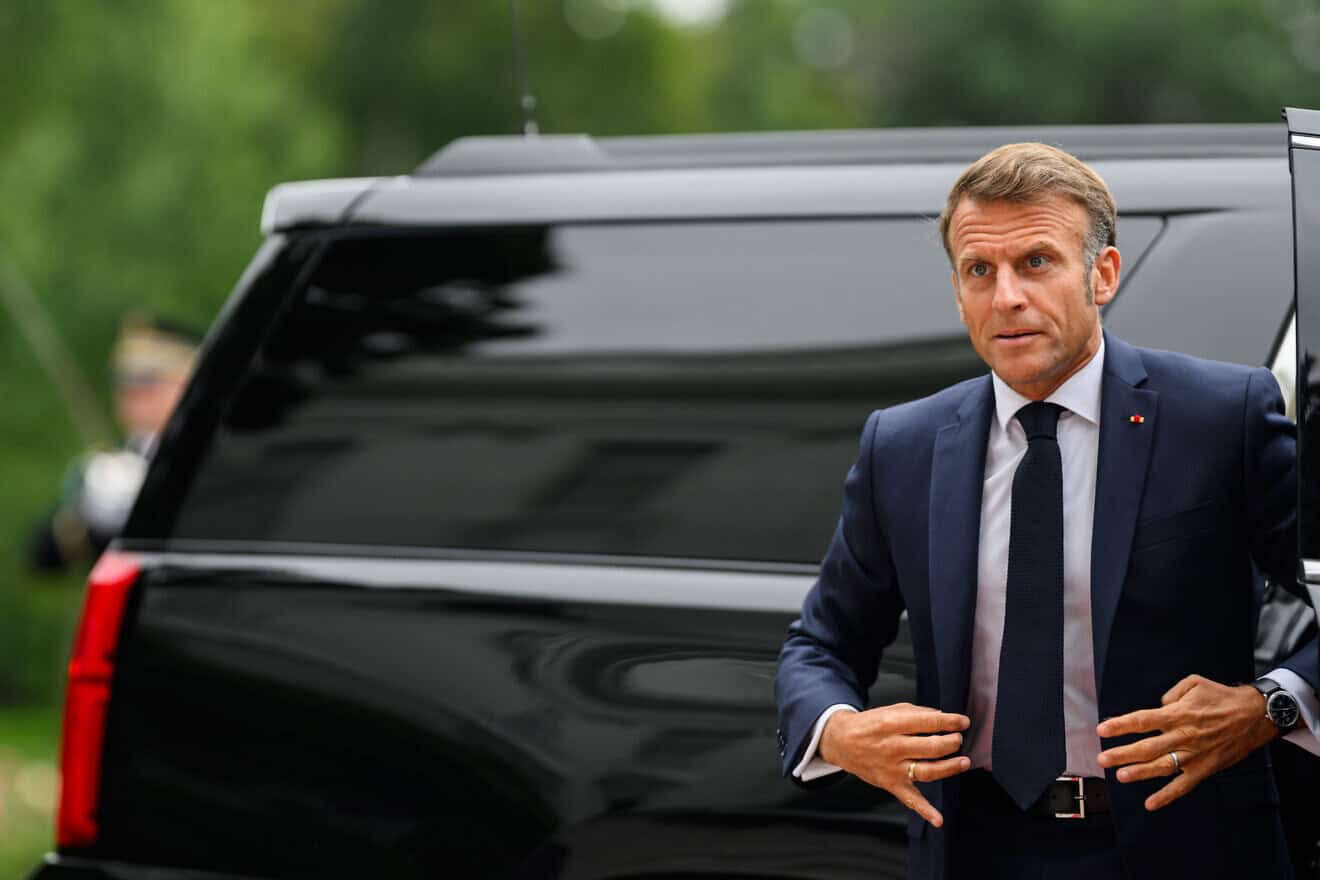
French President Emmanuel Macron arrives to the South Portico of the White House in Washington, D.C., for a meeting with U.S. President Donald Trump, Ukrainian President Volodymyr Zelensky and other world leaders, Aug. 18, 2025. Credit: Daniel Torok/White House.

To say this is the sort of thing that just isn’t done is the understatement of the century. It’s not clear if there is any precedent in the nearly 250 years of Franco-American diplomatic relations for the decision of Charles Kushner, the U.S. ambassador to France, to directly attack the French government’s indifference to antisemitism in a Wall Street Journal op-ed.

The traditional job of ambassadors is to promote good relations between the nations they represent and the government to which they are accredited. To speak out in this manner from that perch is pretty much the opposite of traditional ideas of diplomacy. In fact, that tradition dates back to the ancient world, when the concepts of nation-states and ambassadors, as well as the notion of diplomatic immunity for those who serve as go-betweens in this manner, were first known.

But the issue here isn’t—as some of Kushner’s critics and those of the administration he represents claim—one of an unqualified and even unsuitable ambassador behaving badly. Nor is it a matter of, as Trump’s detractors habitually assert, that on his watch the United States has been alienating its friends while cozying up to enemies. That is often how they misrepresent the president’s efforts to use diplomacy while attempting to solve problems like the Russia-Ukraine war and the North Korean nuclear threat.

The real significance

It is true that allowing the U.S. ambassador to Paris to take shots at the president of France is highly unorthodox. And it’s far from clear as to whether it will lead to a policy shift, either in terms of combating antisemitism or affecting its destructive anti-Israel stands.

However, the true significance is being lost amid the usual cacophony of criticism of Trump and his appointees, as well as the snark about Kushner, who is a convicted felon who was pardoned by the president and, more significantly, the father of Jared Kushner, the presidential son-in-law and former White House advisor.

Instead, what matters about this contretemps is that it demonstrates just how seriously this administration takes the issue of antisemitism and the way America’s traditional allies in Europe have become the allies, whether intentionally or not, of Hamas.

Everything else, including the sniping at Kushner, the foreign-policy establishment and the mainstream media’s horror at Trump’s unusual approach to diplomacy, remains secondary to this very obvious fact about the administration that its critics prefer to downplay or ignore.

The context in which this shot across Macron’s bow should be seen is how Trump has prioritized antisemitism in a way unprecedented for an American president. There is simply no other logical explanation for this move, which clearly happened with Trump’s approval. It’s unthinkable that Kushner would choose to mention the president—and the fact that he and his in-laws share Jewish grandchildren—without the White House’s authorization. Kushner’s article, and the way its publication deliberately courted controversy with the French, is yet another indication that this administration understands that the issue has escalated into a crisis demanding an end to business as usual on the part of Washington and its foreign envoys.

Taking Jew-hatred seriously

The development reflects Trump’s war on American universities—from the Ivy Leagues to public college campuses—where he has sought to punish those that tolerated and encouraged the surge of Jew-hatred swept in after the Hamas-led terrorist attacks in Israel on Oct. 7. That effort has also been criticized by Democrats, liberals and leftists for the willingness of the president to take on institutions that Trump’s predecessors never dared to challenge in this manner.

In that case, what has happened doesn’t validate the accusations of incipient authoritarianism that have been leveled at the president. Nor is it violating the rights of the mobs of leftist antisemites, many of whom are foreigners likely violating the terms of their visas, who have targeted Jews while chanting for the destruction of Israel and Jewish genocide (“From the river to the sea”) or for terrorism against Jews wherever they live (“Globalize the intifada”). Instead, the measures undertaken to pressure these schools via stripping them of federal funding (as is actually required under the law for their violations of Title VI of the 1964 Civil Rights Act) are a strategic decision aimed at toppling the reign of woke leftist ideology that seeks the destruction of the Western canon, an attack on America as an irredeemably racist nation as well as falsely labeling Jews and Israel as “white” oppressors.

The Kushner article is similar in that it, too, is an indication that this administration doesn’t feel bound by tradition or the usual constraints when it comes to dealing with matters it thinks are important. It’s also an entirely appropriate rebuke to a French government that is not only failing to protect its own Jewish community, but is also acting in a manner that is undermining U.S. diplomatic efforts in the Middle East and encouraging Hamas to continue to refuse to disarm or release the remaining Israeli hostages that they still hold.

For all of the umbrage that the French government has expressed about what it considers to be Kushner’s effrontery in calling them out in this manner, it is Paris and not Washington that should be apologizing for its behavior.

The piece, which took the form of an open letter to Macron, denounced the surge in antisemitism in the wake of Oct. 7. He demanded that Macron and his government enforce hate-crimes laws and ensure the safety of French Jews while adding that it should “abandon steps that give legitimacy to Hamas and its allies.”

That’s a reference to Macron’s announcement that France will—like the United Kingdom, Canada and Australia—recognize a Palestinian state at the annual meeting of the U.N. General Assembly in September. This decision isn’t just an unconscionable reward to the Palestinians for their atrocities on Oct. 7. It has also undermined American efforts to pressure Hamas to agree to a ceasefire-hostage release deal. The terrorists have concluded that they do not need to make concessions since continuing the war that has brought so much suffering to their own people has also garnered them international sympathy from Western nations.

That sympathy is the result of Hamas’s successful propaganda campaign falsely alleging that Israel is committing “genocide” and deliberately starving Gazans.

The call for a Palestinian state by France is the product of two factors.

One is Macron’s frustration over being left out of Middle East diplomacy. Paris and London have indeed been sidelined in efforts to end the post-Oct. 7 war. But that is a function of the fact that neither has been in any sense a great power for the last 70 years.

It’s a particularly sore point for the French for whom Kushner’s article was a humiliating act of lèse-majesté toward Macron—a devastating blow to their national self-worth, which is rooted in delusions about a past defined by la gloire—not to mention a reminder of their current second-rate status.

Both nations have become irrelevant, and their calls for a Palestinian state—something that the Palestinians have repeatedly rejected for 78 years if it means living side by side with a Jewish one—are a way to intrude into a diplomatic process to which they have nothing to offer but their own inflated sense of self-importance and growing hostility to Israel. That hostility relates directly to the criticism of Macron by Kushner and Israeli Prime Minister Benjamin Netanyahu.

Palestinian statehood and antisemitism

Calls for a Palestinian state now bolster Hamas and give it a reason to continue to hold onto hostages as well as to keep the war going. They are also a gesture of appeasement to the growing Muslim population in Western Europe and their left-wing allies. The effort to mollify the bizarre red-green alliance of Marxist and Islamist Jew-haters, whose voice grows louder with each passing year on the continent and in their respective countries, is behind Britain’s and France’s turn against Israel. In doing so, Macron is, despite his denials, helping to unleash the storm of antisemitic invective that has made French Jews unsafe, and caused both them and visitors to the country to conceal their Jewish identity to avoid being subjected to harassment or worse.

The increasing atmosphere of intimidation and violence with which French Jews have had to deal in recent years is primarily caused by the rising influence of Islamists in domestic politics and culture. And it has led many people to leave that country because they have not unreasonably concluded that there is no future there for Jews.

The French government thinks that this is none of Kushner’s business—or, for that matter, that of the United States.

Macron’s claim that criticism of French inaction on antisemitism violated an ambassador’s “duty not to interfere in the internal matters of states” rings hollow. As Michael Oren, historian and former Israeli ambassador to the United States, noted, this is the “height of hypocrisy and chutzpah” because France violates “that principle daily with Israel” with its efforts to interfere in Jerusalem’s political controversies as well as its ability to defend itself against genocidal terrorists, who it wishes to empower with statehood.

It’s equally true that France’s involvement in the affairs of its former colonies in Africa is not merely a violation of this standard of non-interference but also a vestige of imperialism that harms those countries by draining their resources and contributing to the flow of illegal immigrants to Europe, something Italian Prime Minister Giorgia Meloni has pointed out.

Kushner has himself been subjected to criticism as an inappropriate choice for such a prestigious ambassadorial post, as well as evidence of nepotism. Yet he is far from the first presidential friend, relative or donor to receive a diplomatic appointment, including some past ambassadors to France.

The New Jersey real estate magnate served time in prison for his role in an unseemly plot against his brother-in-law that inflated a private business dispute into a scandal. That his actions were illegal, as well as tawdry, is not in dispute. But it’s also possible to argue that Trump’s subsequent presidential pardon for his daughter’s father-in-law was at least partly justified by the fact that the 2004 prosecution undertaken against him by then-U.S. Attorney and future New Jersey Gov. Chris Christie was selective and unduly harsh in nature, in addition to a case of retaliation against a donor to his political opponents.

A taste of their own medicine

Whatever we might think about this appointment, Kushner’s willingness to use the bully pulpit afforded him by his ambassadorial rank to speak out against French antisemitism and sabotage of American Middle East diplomacy was entirely appropriate—and necessary.

Trump and Kushner have given France a taste of its own medicine; Paris deserved a rebuke for its continued failure to battle Jew-hatred. In doing so, they’ve also shown that the administration’s willingness to break the old rules of diplomacy is sometimes exactly what is needed if progress is to be made.

When such rules protect governments that tolerate antisemitism, the right thing for America is to denounce them. That’s just as true when it comes to democratic France as it would be for rogue Third World or Communist regimes that are a threat to peace.

Trump has done this before in Europe with respect to NATO members that aren’t paying their fair share of the costs of defending the continent and exploiting the generosity of the United States. While his sometimes harsh and even crass rhetoric about the obsolete nature of NATO raised hackles in Europe and among the foreign-policy establishment, such tactics are what have driven nations there to begin to pay up rather than depending on the largesse of American taxpayers.

Blunt American talk about feckless European enabling of Jew-hatred and Hamas is just as necessary.

If France or any other Western nation wants to be taken seriously on these issues, they have to cease their efforts to undermine Israeli security and to appease domestic forces that are the engines behind a new wave of antisemitism. Until then, they should be told in no uncertain terms by the United States that they are undeserving of the title of American ally and deserve no deference when it comes to their domestic troubles.

Loath as they are to give him credit for anything that he and his administration do, it’s time for Trump’s critics to acknowledge that his emphasis on the fight against antisemitism, at home and abroad, is laudable. It’s also a needed course correction from the policies of a Biden administration that, like Macron, was more interested in toadying to forces that hated Israel and the Jews than standing with an embattled Jewish people and a besieged Jewish state. The traditions of diplomacy that Washington is flouting are enabling antisemitism and encouraging Hamas. Trump and Kushner are right to scrap them.


Jonathan S. Tobin is editor-in-chief of the Jewish News Syndicate, a senior contributor for The Federalist, a columnist for Newsweek and a contributor to many other publications. He covers the American political scene, foreign policy, the U.S.-Israel relationship, Middle East diplomacy, the Jewish world and the arts. He hosts the JNS “Think Twice” podcast, both the weekly video program and the “Jonathan Tobin Daily” program, which are available on all major audio platforms and YouTube. Previously, he was executive editor, then senior online editor and chief political blogger, for Commentary magazine. Before that, he was editor-in-chief of The Jewish Exponent in Philadelphia and editor of the Connecticut Jewish Ledger. He has won more than 60 awards for commentary, art criticism and other writing. He appears regularly on television, commenting on politics and foreign policy. Born in New York City, he studied history at Columbia University.


Zawartość publikowanych artykułów i materiałów nie reprezentuje poglądów ani opinii Reunion’68,
ani też webmastera Blogu Reunion’68, chyba ze jest to wyraźnie zaznaczone.
Twoje uwagi, linki, własne artykuły lub wiadomości prześlij na adres:
webmaster@reunion68.com