Archive | 2025/08/20

Na Pomorzu Zachodnim zburzono kolejny pomnik polsko-radzieckiego braterstwa broni

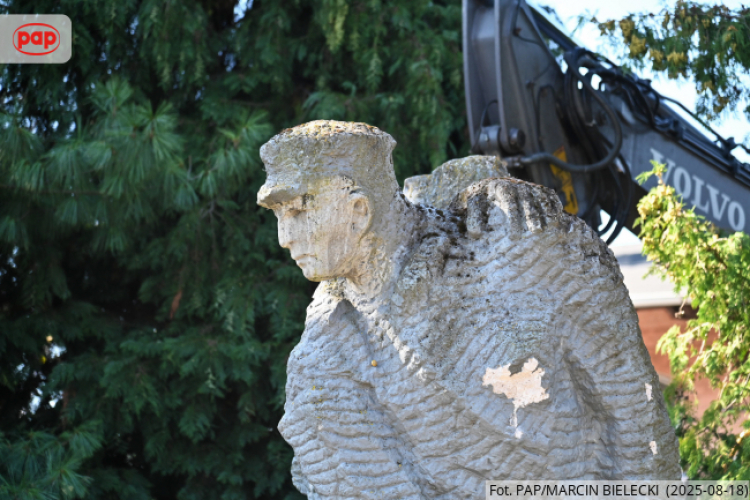
Demontaż pomnika polsko-radzieckiego braterstwa broni w Płotach (pow. gryficki). Fot. PAP/Marcin Bielecki


.

Na Pomorzu Zachodnim zburzono kolejny pomnik polsko-radzieckiego braterstwa broni

tma/ miś/


Pomnik polsko-radzieckiego braterstwa broni przy dworcu kolejowym w Płotach został w poniedziałek zburzony z inicjatywy burmistrza miasta oraz Instytutu Pamięci Narodowej. To ósmy tego rodzaju obiekt w województwie zachodniopomorskim zdemontowany od 2022 r.

Koparka i hydrauliczny grot w poniedziałek rozbiły betonowy monument przedstawiający sylwetki dwóch żołnierzy na placu przy stacji kolejowej w Płotach (woj. zachodniopomorskie). W zburzeniu obiektu, który przez dziesięciolecia nazywano „pomnikiem polsko-radzieckiego braterstwa broni”, uczestniczył zastępca prezesa Instytutu Pamięci Narodowej dr hab. Karol Polejowski.

– Ten pomnik to symbol sowieckiego panowania nad tym terenem – powiedział Polejowski.

Wiceprezes przypomniał apel byłego prezesa IPN, a dziś prezydenta RP Karola Nawrockiego z marca 2022 r., by „dokończyć proces dekomunizacji przestrzeni publicznej” w Polsce. Polejowski ocenił, że pomnik w Płotach opowiada „fałszywą historię, która nigdy nie miała miejsca”.

– Ten obiekt pokazuje nam coś, co ma być wdzięcznością dla armii sowieckiej, ma symbolizować braterstwo broni między żołnierzami polskimi a żołnierzami sowieckimi, ale żaden z tych elementów przecież nie jest prawdziwy w naszej historii – powiedział Polejowski.

Wiceprezes IPN stwierdził, że „obiekt propagandowy” znajdujący się w Płotach miał tworzyć „zupełnie nową narrację”. Przypomniał, że to miasteczko stało się polskie na początku marca 1945 r., a jego powojenną historię zapoczątkowali osadnicy, którzy przybyli na tzw. Ziemie Odzyskane.

– To społeczność lokalna budowała nową tożsamość tego miejsca – podkreślił Polejowski.

Zapraszając na demontaż pomnika w Płotach, Instytut Pamięci Narodowej poinformował, że usunięcie monumentu jest realizacją postulatu burmistrza Płotów i Rady Miejskiej z lipca 2024 r. Przypomniano, że w listopadzie ubiegłego roku IPN podpisał z gminą Płoty porozumienie o rozbiórce, ale też o realizacji nowego upamiętnienia.

W rozmowie z PAP burmistrz Płotów Szymon Klimko poinformował, że w planach jest „wyeksponowanie” obelisku poświęconego Józefowi Piłsudskiemu, który znajduje się w miasteczku. Ale na pewno nie zostanie on przeniesiony w miejsce zburzonego pomnika.

– Plac przy dworcu kolejowym to idealne miejsce, by zrobić tu skwer i miejsca postojowe typu park & ride. Na naszej stacji zatrzymuje się coraz więcej pociągów – powiedział PAP Klimko.

Podkreślił, że pomnik polsko-radzieckiego braterstwa był ostatnim obiektem, który „nie poddał się dekomunizacji”. Zaznaczył, że inicjatywa zburzenia monumentu nie wywołała żadnej dyskusji, nie było sprzeciwów.

– To miasto zostało 5 marca 1945 r. zajęte przez Sowietów bez jednego wystrzału – powiedział burmistrz.

Jak przypomniał w komunikacie IPN, Płoty zostały zajęte w marcu 1945 r. siłami 1 Armii Pancernej Gwardii I Frontu Białoruskiego, bez udziału polskich jednostek tzw. Ludowego Wojska Polskiego. Pierwszy monument wyrażający wdzięczność Armii Czerwonej wzniesiono przy ul. Dworcowej w 1955 r. z inicjatywy władz kolejowych. Cytując Archiwum Akt Nowych, IPN podaje, że była to „ceglana, otynkowana konstrukcja w kształcie stożka, o wysokości ok. 3 m, z przymocowaną czerwoną gwiazdą”.

Obiekt zburzony w poniedziałek powstał w 1977 r. z okazji 700-lecia nadania Płotom praw miejskich. Fundatorami były ówczesne władze wojewódzkie, przy wsparciu finansowym gminy. Rzeźba przedstawia żołnierza, który niesie na ramieniu rannego towarzysza trzymającego w dłoni granat. Napis na postumencie brzmi: „Z regionu Płot w dniu 10 marca 1945 r. oddziały 4 Dywizji Piechoty im. Jana Kilińskiego 1 Armii Wojska Polskiego we współdziałaniu z Armią Radziecką rozpoczęły działania bojowe w kierunku Golczewa”.

IPN ocenia, że zniszczenia wojenne w Płotach wynosiły ok. 22 proc. infrastruktury miasta. W 1946 r. wzrosły do 40 proc., wskutek grabieży i dewastacji dokonywanych przez szabrowników, ale też oddziały Armii Czerwonej.

– To Sowieci niszczyli, grabili, gwałcili, mordowali dotychczasowych mieszkańców Płotów [Niemców – PAP] i tych, którzy przyjeżdżali osiedlić się na tych ziemiach – podkreślił Polejowski.

Wiceprezes zaapelował o odwagę do innych samorządów, gdzie tego typu „obiekty propagandowe jeszcze straszą”.

Zastępca dyrektora Biura Upamiętnienia Walk i Męczeństwa IPN Joanna Sulej-Piskorz przekazała PAP, że pomnik w Płotach jest 43. zdemontowanym obiektem od marca 2022 r. Podkreśliła, że 30 monumentów zburzono we współpracy z samorządem.

– Na terenie województwa zachodniopomorskiego jest to ósmy zdemontowany obiekt – wyjaśniła Sulej-Piskorz.

Oceniła, że w Polsce pozostało do demontażu jeszcze kilkanaście podobnych obiektów. Wyjaśniła, że pomniki nie są przenoszone, tylko „utylizowane”.

– Jeżeli zostają tablice, to czasami są przekazywane do jednostek muzealnych – podsumowała Sulej-Piskorz. (PAP)


Zawartość publikowanych artykułów i materiałów nie reprezentuje poglądów ani opinii Reunion’68,
ani też webmastera Blogu Reunion’68, chyba ze jest to wyraźnie zaznaczone.
Twoje uwagi, linki, własne artykuły lub wiadomości prześlij na adres:
webmaster@reunion68.com

White House: US reviewing truce deal after Hamas accepts


White House: US reviewing truce deal after Hamas accepts

Canaan Lidor


As talks on a deal continue, the Israel Defense Forces is finalizing preparations for the seizure of Gaza City and other enclaves, which would significantly tighten Israel’s grip on the area and limit Hamas’s ability to operate there.

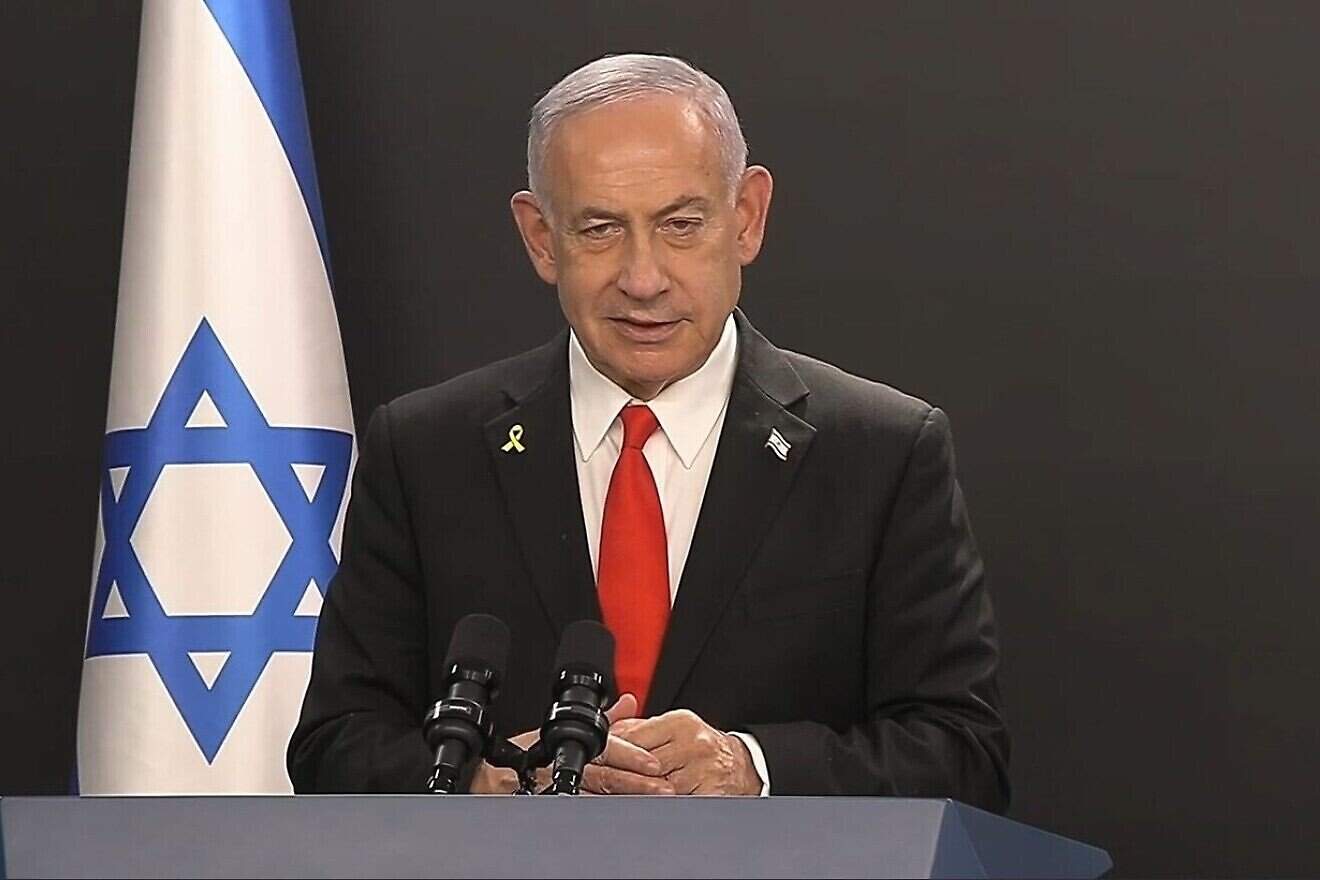
Israeli Prime Minister Benjamin Netanyahu makes announcement, Aug. 18, 2025. Source: Screenshot/X.
White House Press Secretary Karoline Leavitt told reporters on Tuesday that the Trump administration was continuing to discuss a ceasefire proposal for Gaza, and confirmed that Hamas had accepted it.

“I don’t think it’s a coincidence that Hamas accepted this proposal after the president of the United States posted a very strong statement about this conflict on Truth Social,” Leavitt said at a press briefing at the White House.

The talks coincide with IDF preparations for the seizure of Gaza City, seemingly with the support of U.S. President Donald Trump, who on Monday said that the remaining hostages would return only when Hamas is “confronted and destroyed.”

“The sooner this takes place, the better the chances of success will be,” Trump wrote on Truth Social.

According to the Al Mayadeen television network in Lebanon and other Arab media, the proposal features a partial pullout of Israeli forces from some areas of the Gaza Strip, the release of 10 out of the 20 living hostages held by Hamas and the release of more than 200 Palestinian prisoners held in Israel during a 60-day ceasefire.

Israeli Prime Minister Benjamin Netanyahu, addressing the nation on Monday, stated that Hamas was “under immense pressure” as the terrorist group signaled a willingness to negotiate after previously refusing several offers.

Netanyahu also visited the IDF’s Gaza Division, where he expressed his “tremendous appreciation” for the “great achievements” of Israel’s military in the Gaza war, which he termed both a “War of Redemption” and a “War on Seven Fronts.”

The prime minister’s political allies, including National Security Minister Itamar Ben-Gvir and Finance Minister Bezalel Smotrich, have vocally opposed any partial deal that does not secure the release of all hostages and a total defeat of Hamas.

On Tuesday, the fathers of three soldiers who fell fighting Hamas terrorists since Oct. 7, 2023, wrote Netanyahu an open letter in which they demanded he decline any deal that doesn’t retrieve all 50 remaining hostages.

“Any pause now, for partial deals would endanger the hostages, the troops and Israel’s security. Do not surrender to Hamas. It is time for a decisive victory,” wrote the fathers of Cpt. Uri Mordechai Shani and Fst. Sgts. Yishai Fitousi and Amit Buntzel. The fathers, Yehoshua, Itzik and Itzik, are members of the Gevurah Forum of bereaved parents in favor of total defeat of Hamas.

As of Aug. 19, 148 hostages have been returned alive to Israel—eight of them rescued through military operations. Most have been redeemed in two exchanges, held during brief ceasefires in 2024 and 2025, for Palestinian terrorists held in Israeli prisons.

The bodies of an additional 56 captives have been repatriated to Israel.

As talks on a deal continue, the Israel Defense Forces is finalizing preparations for the seizure of Gaza City and other enclaves, which would significantly tighten Israel’s grip on the area and limit Hamas’s ability to operate there.

Israeli Defense Minister Israel Katz on Tuesday approved plans for the next stage of the war in Gaza presented to him by IDF Chief of Staff Lt. Gen. Eyal Zamir and senior IDF leadership, according to Israel’s Channel 12 News.

The campaign, which focuses on Gaza City, has been dubbed “Operation Gideon’s Chariots II,” according to the report.

To fund the war, the Israeli Cabinet agreed to cut 30.8 billion shekels ($9 billion) from the budgets of various ministries in favor of the Defense Ministry. Of that sum, 1.6 billion shekels ($471 million) is earmarked for humanitarian aid for Gazans.

National Security Minister Ben-Gvir, whose ministry is set to take one of the deepest cuts for the defense funding scheme, cited this in opposing the redistribution.  


Zawartość publikowanych artykułów i materiałów nie reprezentuje poglądów ani opinii Reunion’68,
ani też webmastera Blogu Reunion’68, chyba ze jest to wyraźnie zaznaczone.
Twoje uwagi, linki, własne artykuły lub wiadomości prześlij na adres:
webmaster@reunion68.com


Israel strikes Houthi infrastructure site in Yemen


.

Israel strikes Houthi infrastructure site in Yemen

JNS Staff


Explosions were reportedly heard near a power plant in Saana.

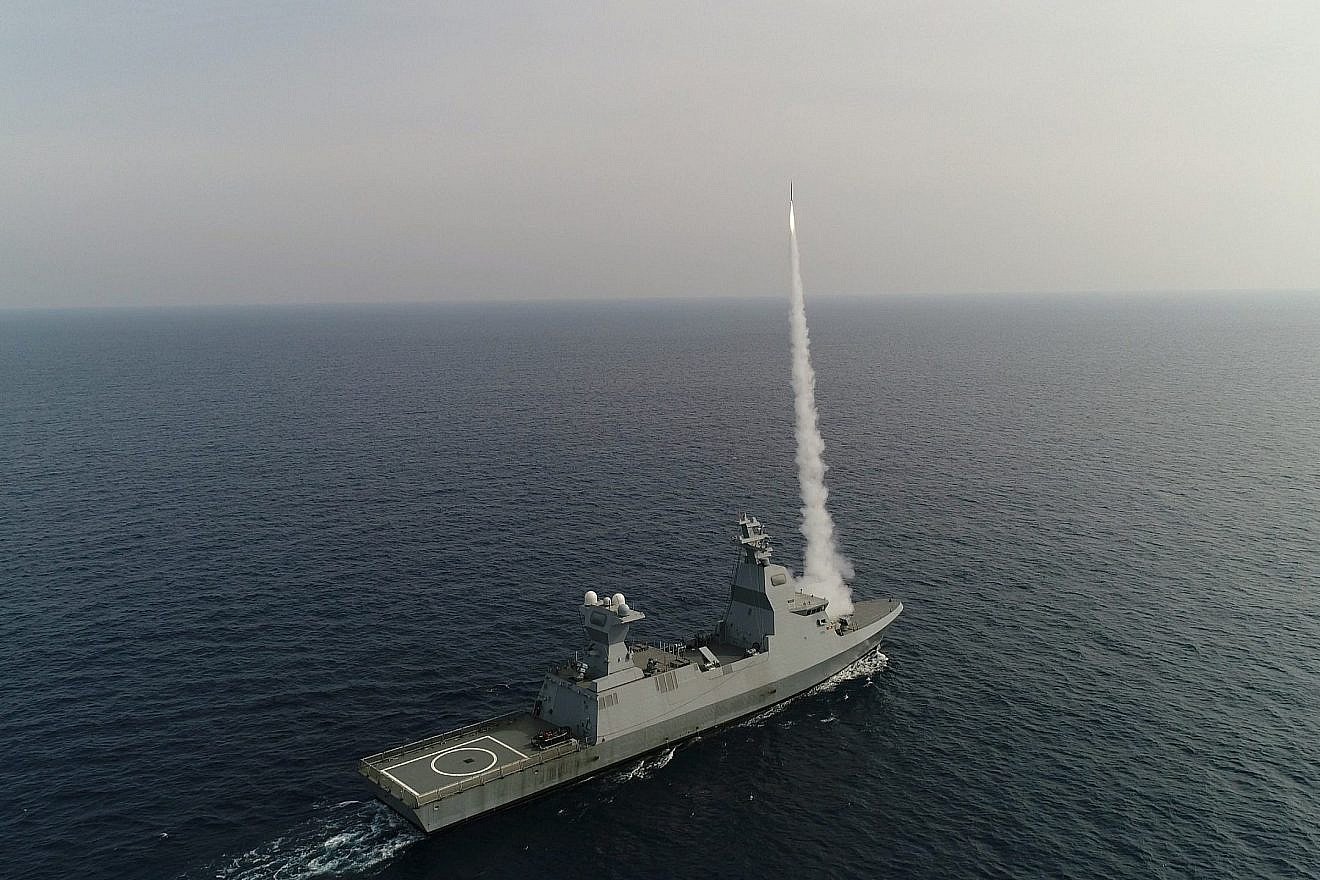
A live-fire test of the “C-Dome” defense system from aboard the “INS Magen” missile corvette. Credit: Israeli Ministry of Defense.

The Israel Defense Forces said on Sunday morning that it had struck a “terror infrastructure site” in the Saana area of Houthi-controlled Yemen.

“The IDF struck from a distance of 2,000 kilometers from Israel, deep inside Yemen, targeting an energy infrastructure site that served the Houthi terrorist regime,” the military announced, saying that the strike was in response to repeated missile and drone attacks against Israel by the Iranian-backed terrorist group.

According to media reports, the Israeli Navy carried out the strike, with explosions heard near a power plant in the capital. It would mark the second time that naval forces were used in an operation against the Iranian-backed terror group instead of the air force. Israeli Navy missile ships struck “terror targets” at Houthi-controlled port of Hudaydah on June 10. 

The Houthis have been launching missile and drone attacks on the Jewish state—including a direct missile hit near Ben-Gurion International Airport on May 4—since the Hamas-led terrorist attacks on Oct. 7, 2023.

“The Houthi terrorist regime operates under the direction and funding of the Iranian regime, in order to harm the State of Israel and its allies. The terrorist regime exploits the maritime domain to project force and carry out terror activity against global shipping and trade routes,” said the IDF.

“The IDF will operate against the ongoing and repeated attacks by the Houthi terrorist regime, and remains determined to continue removing any threat to the State of Israel, wherever required.”


Zawartość publikowanych artykułów i materiałów nie reprezentuje poglądów ani opinii Reunion’68,
ani też webmastera Blogu Reunion’68, chyba ze jest to wyraźnie zaznaczone.
Twoje uwagi, linki, własne artykuły lub wiadomości prześlij na adres:
webmaster@reunion68.com