Archive | October 2026

Israeli Actress Sues UN Adviser Francesca Albanese Over Nazi Comparison


Israeli Actress Sues UN Adviser Francesca Albanese Over Nazi Comparison

Shiryn Ghermezian


Francesa Albanese, the United Nations special rapporteur on the situation of human rights in the Palestinian territories, speaks at a conference, “A Cartography of Genocide: Israel’s Conduct in Gaza,” at the Roma Tre University, in Rome, Italy, Oct. 6, 2025. Photo: REUTERS/Remo Casilli

Israeli actress and model Sarai Givaty filed a defamation lawsuit on Tuesday against Francesca Albanese, the United Nations’ special rapporteur on the human rights situation in the Palestinian territories, for allegedly twisting comments she made and comparing them to remarks made by Nazi officials. 

The 500,000-shekel lawsuit was filed at the Jerusalem Magistrates’ Court on behalf of Givaty by the Israeli legal advocacy organization Shurat HaDin.

The lawsuit claims that Albanese, who has a mandate from the UN to advise the international body on the Israeli-Palestinian conflict, shared a “selectively edited” clip on X from a television interview that Givaty did in September 2025. The clip is “falsely portraying Givaty’s warning about extremist indoctrination as justification for killing children,” the suit notes, and Albanese compares Givaty’s words “to Nazi justifications for murdering children during the Holocaust.”

Albanese’s post on X led to Givaty receiving online abuse and death threats, and resulted in damage to her career in Israel and internationally, according to the lawsuit.

“Francesca Albanese is waging a venomous antisemitic campaign against Israel and is responsible for spreading yet another defamatory accusation against its citizens. We will not let her hide behind her immunity,” said Shurat HaDin president Nitsana Darshan-Leitner.

During a television interview in September 2025 with the Hebrew-language i24NEWS, Givaty talked about growing extremism in the aftermath of the Hamas-led massacre on Oct. 7, 2023, and the need to confront radicalization. “I feel sad for every child in the world who cries. I do. But I also understand that if we don’t act, that child will grow up to be a terrorist,” Givaty said in part.

According to the lawsuit, cited by Ynet, Givaty was referring to the dangers of children being exposed to hatred and extremist indoctrination and was not advocating or suggesting that children should be targeted with violence. However, the brief clip posted on X by Albanese includes a partial English translation of Givaty’s remarks and does not explain the context of her discussion, according to Givaty’s lawyers. Albanese’s post allegedly gives the false impression that the Israeli actress supports or justifies the killing of or violence against children in the Gaza Strip.

On Sept. 19, 2026, Albanese shared the clip on X and wrote in the caption: “The children will grow up.” She added, “This was also the argument that Nazi officials gave, during the Nuremberg Trials, to justify why they had killed children during the Holocaust.”

The clip has since been removed from Albanese’s post, but her comments remain. The post on X has garnered 2.2 million views, 24,000 reposts, and 92,000 likes.

Photo: Screenshot

Givaty claims in her lawsuit cited by Ynet that Albanese’s post on X is wrong in tying her to arguments made by Nazis to defend their mass murders during the Holocaust. Givaty argues that after Albanese’s post, she received abusive messages online, as well as threats to her life, reputation, and personal security.

Clarifying her comments on the Israeli talk show “ALL CAPS,” Givaty said, “[Albanese] took a clip from an old interview of mine and twisted my words to suggest that I justified killing children, God forbid. No Francesca, not me or anyone I know in Israel would ever say that we must kill Palestinian children. That’s not something we want. That’s not something we do.”

“If a parent deliberately put their children in the middle of a busy highway and that child would get hurt, everyone in the world would blame the parent, who would probably end up in jail for the rest of their life. But when Hamas puts children’s daycare centers on top of tunnels and rocket launchers, suddenly it’s Israel that hurt the children,” she added, referring to Hamas’s known tactic of operating out of civilian areas such as schools, kindergartens, and hospital.

“Why is putting children in harm’s way somehow different when it comes to Israel?” Givaty asked. “So yes, I believe Israel has to finish the job against Hamas — for Israeli children and for Palestinian children.”

Albanese has an extensive history of using her role at the UN to denigrate Israel and seemingly rationalize the Palestinian terrorist group Hamas’s attacks on the Jewish state.

The UN adviser has decried Israelis as “foreign” Jews who expelled “indigenous” Palestinians from their land for the purpose of creating an exclusionary ethnostate, erasing the millennia-long presence of Jewish people within the land of Israel. She has also repeatedly condemned Israel as a “colonial” enterprise, comparing the Jewish state to British India or French Algeria.

The UN launched a probe into Albanese, who has repeatedly accused Israel of “genocide,” in 2024 for allegedly accepting a trip to Australia funded by pro-Hamas organizations.

While speaking at a Washington, DC bookstore last October, Albanese also accused Israel of weaponizing the fallout of the Oct. 7 massacre to justify the “colonization” of Gaza.


Zawartość publikowanych artykułów i materiałów nie reprezentuje poglądów ani opinii Reunion’68,
ani też webmastera Blogu Reunion’68, chyba ze jest to wyraźnie zaznaczone.
Twoje uwagi, linki, własne artykuły lub wiadomości prześlij na adres:
webmaster@reunion68.com



Sekretarz obrony USA z tajemniczą wizytą w Izraelu. Będzie ciąg dalszy wojny z Iranem?

Szef Pentagonu Pete Hegseth (Fot. REUTERS/Kylie Cooper)


Sekretarz obrony USA z tajemniczą wizytą w Izraelu. Będzie ciąg dalszy wojny z Iranem?

Marta Urzędowska


Amerykański sekretarz obrony Pete Hegseth niespodziewanie odwiedził Izrael. Rozmawiał z izraelskim premierem Benjaminem Netanjahu o kwestiach bezpieczeństwa w regionie.

O niezapowiedzianej wizycie sekretarza obrony USA Pete’a Hegsetha poinformowała agencja Reuters. Jak potwierdził cytowany przez „New York Times” rzecznik kancelarii izraelskiego premiera Doron Spielman, spotkanie z Benjaminem Netanjahu odbyło się w poniedziałek 19 października w izraelskiej bazie lotniczej Owda na południu kraju, gdzie stacjonują amerykańscy żołnierze i samoloty.

Spielman stwierdził, że poruszono kwestię „współpracy obu krajów przeciwko zagrożeniom w regionie”. Dodał, że „istnieje tu głęboka osobista relacja, która była sednem tej rozmowy”.

Hegseth i Netanjahu rozmawiali o „regionalnych zagrożeniach”

W rozmowie uczestniczył także Israel Katz, minister obrony Izraela. Reuters, powołując się na anonimowych izraelskich urzędników, potwierdza, że rozmowy dotyczyły Iranu. Może to oznaczać, że sojusznicy szykują kolejne ataki. 

Hegseth odwiedził też amerykańskich żołnierzy. We wtorek opublikował w serwisie X zdjęcia, na których widać, jak rozmawia z nimi, stojąc przed myśliwcem. Nie podał jednak, że odwiedził Izrael. „Jak zawsze, zaszczytem było odwiedzić naszych żołnierzy. Najlepsi ludzie naszego kraju na historycznej misji. Niech Bóg ich prowadzi” – napisał sekretarz obrony.

Amerykańscy żołnierze i samoloty tankujące stacjonują w Izraelu od czasu, gdy Stany Zjednoczone i Izrael w lutym tego roku zaatakowały Iran.

Informację o wizycie, która odbyła się na tydzień przed zaplanowanymi na 27 października wyborami parlamentarnymi w Izraelu, jako pierwszy podał portal Axios.

We wtorek (20.20) w rozmowie z dziennikarzami w Eau Claire w Wisconsin Hegseth potwierdził, że dzień wcześniej był w Izraelu. – Odwiedziłem naszych żołnierzy i miałem okazję rozmawiać z premierem. Nie będę mówił o szczegółach naszej rozmowy, ale Izrael to dobry partner i ja to doceniam – podsumował.

Trump rozważa ponowne uderzenie na Iran? Jeśli tak, to po wyborach

Wizyta Hegsetha przypadła dzień po tym, jak Donald Trump publicznie udzielił wsparcia Netanjahu w nadchodzących wyborach.

Jeszcze pod koniec września, przemawiając na Zgromadzeniu Ogólnym ONZ, prezydent USA potwierdził, że Waszyngton rozważa ponowne ataki na Iran i przekonywał, że go „zniszczy”. Jednak już w październiku studził nastroje – napisał w swoim serwisie społecznościowym Truth Social, że nie zaatakuje przed wyborami.

Do kwestii ponownych ataków na Iran odniósł się też Netanjahu. W ostatnią niedzielę, kiedy dziękował Trumpowi za słowa poparcia przed wyborami, powtórzył, że Izraelczycy i Amerykanie nie pozwolą Teheranowi na pozyskanie broni atomowej.


Redagowała Ludmiła Anannikova


Zawartość publikowanych artykułów i materiałów nie reprezentuje poglądów ani opinii Reunion’68,
ani też webmastera Blogu Reunion’68, chyba ze jest to wyraźnie zaznaczone.
Twoje uwagi, linki, własne artykuły lub wiadomości prześlij na adres:
webmaster@reunion68.com


‘Indefensible,’ Jewish leaders say of NYC comptroller opting to abort city’s Israel Bonds investments


‘Indefensible,’ Jewish leaders say of NYC comptroller opting to abort city’s Israel Bonds investments

Menachem Wecker


The reversal “sends an unfortunate signal at a time of rising antisemitism and sustained efforts to isolate Israel economically,” Evan R. Bernstein, CEO of B’nai B’rith International, told JNS.

New York City comptroller Mark Levine speaks at the “State of New York/The Future of Being Jewish in New York” at the 92nd Street Y alongside New York City Council speaker Julie Menin and Manhattan borough president Brad Hoylman-Sigal, April 22, 2026. Credit: Gerardo Romo/NYC Council.

On Monday, Israeli President Isaac Herzog awarded a Presidential Medal of Honor to Israel Bonds in a ceremony in Jerusalem, during which he praised its “outstanding work” that “serves as a solid confirmation that despite attempts to isolate us, the people of Israel never stand alone.”

Two days later, on Wednesday, Mark Levine, New York City comptroller, told the New York Times that the city will not invest in Israel Bonds, citing concerns about their investment strength.

William Daroff, CEO of the Conference of Presidents of Major American Jewish Organizations, an umbrella group that represents about 50 Jewish groups, told JNS that “Mark Levine’s decision is indefensible and repudiates the clear commitment he made to voters.”

“Israel Bonds began in 1951. Israel’s record since then is unbroken, with not one missed payment of principal or interest,” Daroff said. “Investors purchased more than $8.5 billion in Israel Bonds since Oct. 7, 2023, underscoring the strength of continued confidence in Israel and the failure of efforts to isolate it.”

“New York City should reverse course and restore its investment,” he told JNS.

Evan R. Bernstein, CEO of B’nai B’rith International, told JNS that the nonprofit is “deeply disappointed” with Levine’s decision “to reverse his clear campaign commitment and decline to reinvest New York City pension funds in Israel Bonds.”

“Israel has an unbroken record of meeting every principal and interest payment on its bonds since 1951, including those held by the city for nearly half a century,” Bernstein said. “Other major U.S. public funds continue to invest in them as sound, diversified holdings.”

The reversal, which New York City Mayor Zohran Mamdani told reporters that he welcomes, “sends an unfortunate signal at a time of rising antisemitism and sustained efforts to isolate Israel economically,” Bernstein said.

“Framing the choice solely as a narrow financial calculation does not change the larger message it delivers,” he told JNS. “We urge Comptroller Levine to reconsider and to restore this longstanding, responsible investment.”

Ofir Akunis, consul general of Israel in New York, stated that Levine’s “misguided decision not to renew New York City’s investments in Israel Bonds is an economically damaging decision that harms New York City and its residents.”

“Israel’s economy continues to thrive and demonstrate remarkable strength, driven by the spirit of innovation and resilience that defines the Israeli people and society,” Akunis stated. “The fact that Mayor Mamdani welcomed this decision speaks volumes.”

The Israeli envoy called the city’s decision “a victory for those who hate Israel, oppose Zionism and support the BDS movement,” or the movement to boycott the Jewish state.

“This decision will only further fuel antisemitism in New York City, which has already reached unprecedented levels under Mayor Mamdani’s leadership,” Akunis stated.

Daniel Friedman, a rabbi and political science professor at Touro University, told JNS that “Israel has never enjoyed the luxury of geopolitical tranquility.”

“It has faced existential threats, terrorism and repeated wars throughout its history, yet it has never defaulted on its Israel Bonds. What, then, has changed?” the professor said. “One significant development is the growing political campaign to delegitimize Israel and discourage investment in its economy. Mayor Mamdani has publicly opposed the city’s purchase of Israel Bonds. Such campaigns undermine investor confidence and increase borrowing costs.”

That means, Friedman told JNS, that “political hostility is largely responsible for making Israeli investments less attractive, and so it’s troubling when public officials invoke those deteriorating investment conditions as justification for further withdrawal.”

At the ceremony in Jerusalem on Monday, Herzog said that “the proceeds from Israel bonds have been used to build and develop our economy, to promote advancements in science and technology and to provide a vital network of support during times of crisis.”

“This has never been more evident than during the past few years of uncertainty, loss and courage, here in Israel, since Oct. 7,” the Israeli president said. “The outstanding work by Israel Bonds raised $1 billion of capital in the first month following Oct. 7, and more than $8.5 billion since that dark day.”

“To us, this serves as a solid confirmation that despite attempts to isolate us, the people of Israel never stand alone,” he said. “In fact, over the past 75 years, more than $58 billion worth of Israel bonds have been purchased around the world, solidifying Israel’s long-term standing in the global market and demonstrating the trust investors have in Israel.”

“We have repaid that trust, never once defaulting, as I am certain we will continue to do,” he added.

On Thursday morning, Levine stated that anybody saying that “I am giving up on Israel is trying to turn the ordinary re-balancing and management of a pension portfolio into a political issue.”

“The economic relationship between New York City and Israel is deeply important, bringing substantial investment into our city and generating strong returns for our pension funds,” the Jewish comptroller stated. “Our funds invest around the world, including more than $285 million in Israel, primarily in equities. Israel remains one of the world’s most dynamic and innovative economies, and those holdings remain an important part of our portfolio.”

The city’s pension fund investments show that the Big Apple isn’t boycotting the Jewish state, according to Levine.

“I expressed my deep appreciation for the Israel-New York City economic relationship during my campaign for comptroller, and that appreciation remains unchanged. I also pledged to make every investment decision free of politics, based solely on its financial merits and my fiduciary responsibility to 750,000 current and future retirees,” he stated. “We apply those same principles to Israel Bonds.”

A “number of challenges, including constraints related to a rules change on our short-term investment desk made by the previous comptroller, prevent us from making direct purchases,” Levine stated. “We continue to evaluate this investment, as we do all potential investments.”

Levine’s predecessor, Brad Lander, who is the Democratic nominee for a safe New York seat in Congress, has accused Israel of “genocide” and after losing the mayoral race to Mamdani, has been one of the anti-Israel mayor’s most prominent Jewish supporters.

“Our commitment to investing in Israel remains clear in the hundreds of millions of dollars in Israeli equities that our pension funds continue to hold,” Levine stated. “Like many Jewish New Yorkers, my deep personal connection to Israel is a part of who I am. It will not change.”

After Levine released the statement, the American Jewish Committee said that it welcomed Levine “expressing his ongoing commitment to maintaining the $285 million investments in Israel by the city’s pension funds and for reaffirming the indelible economic ties between New York and Israel.”

“We thank comptroller Levine for emphasizing both the importance of New York’s long and abiding connection to Israel and that Israel-related investments have provided impressive returns for the city funds he is responsible for protecting,” the AJC said. “We also appreciate his reaffirmation of the city pension funds’ opposition to BDS.”

“At the same time, we strongly encourage the comptroller to take all measures to evaluate any potential changes made by his predecessor, in order to allow for direct purchases of Israel Bonds to continue,” it said. “This follows a trend of over a half-century of good returns for the city and responsible financial stewardship.”


Zawartość publikowanych artykułów i materiałów nie reprezentuje poglądów ani opinii Reunion’68,
ani też webmastera Blogu Reunion’68, chyba ze jest to wyraźnie zaznaczone.
Twoje uwagi, linki, własne artykuły lub wiadomości prześlij na adres:
webmaster@reunion68.com


Israel Calls for International Chess Championship in Malaysia to Be Relocated After Israeli Players Banned


Israel Calls for International Chess Championship in Malaysia to Be Relocated After Israeli Players Banned

Shiryn Ghermezian


Competitors seen at their during the 2025 World Rapid and Blitz Chess Championships, organized by the International Chess Federation (FIDE), at the Sports and Events Complex at Qatar University in Doha. Photo: Yousef Masoud / SOPA Images via Reuters Connect

The International Chess Federation (FIDE) is facing pressure to relocate next month’s World Amateur Chess Championships in Malaysia since Israeli chess players have been banned from participating in the competition because of their nationality.

“Allowing Malaysia to exclude Israeli players makes a mockery of @FIDE_chess and its ‘We Are One Family’ motto,” read a statement posted Wednesday on Israel’s official X account, which is run by the Foreign Ministry. “This is pure discrimination. No equal access, no tournament. Strip Malaysia of hosting rights and relocate the event now!”

Malaysia has a longstanding policy of banning Israeli citizens from entering the Muslim-majority country and refuses to establish diplomatic relations with Israel, claiming solidarity with the Palestinian cause. Malaysian Prime Minister Anwar Ibrahim said in July that he “will not allow Israelis to set foot in Malaysia” and warned that Israelis found inside the country will be deported.

The FIDE World Amateur Chess Championships is set to take place in the city of Klang from Nov. 4-13. Malaysia on Saturday released the official list of chess players who will participate and two Israelis who registered for the tournament were excluded from the list.

One of them, Lior Aizenberg, said he was denied participation for being an Israeli citizen even after he registered for the tournament using a non-Israeli passport. Aizenberg is the director of the Chess4Solidarity initiative, which aims to strengthen ties between nations and promote solidarity through chess, and also runs the Chess4All club in Israel. He accused Malaysia of antisemitism and discriminating against him based on his nationality. He is urging the FIDE to relocate the tournament and said Malaysia should be barred from organizing the event.

“The Malaysian authorities are simply unwilling to allow Israelis to represent Israel at a World Championship. As far as they are concerned, Israel does not exist,” he said in a statement. “After 78 years of statehood, and especially following [the Hamas massacre on] Oct. 7, we as Israelis cannot allow such a situation to stand.”

Aizenberg told the Israeli publication Walla that a tournament organizer initially responded to his inquiry about participation by saying that Israelis could not compete because of Malaysia’s immigration policy. The organizer deleted the message shortly afterward and instead said someone would get back to him with a response, according to the chess player.

“A place that does not admit Israelis — or players from any other country — should not be granted the right to host a world championship,” Aizenberg said.

The Israel Chess Federation claimed the FIDE promised to assist Israeli players in obtaining the necessary visas to participate. Susan Polgar, a Hungarian-born Jewish-American chess grandmaster, said excluding Israeli players from the competition is hypocritical of the FIDE’s motto “Gens una Sumus,” which is Latin for “We are one Family.”

Yosi Levi Sfari, who is Israel’s ambassador to the Republic of Bulgaria, added that the word “world” should be removed from the tournament’s title if organizers refuse to allow Israeli participation.

“A world championship that excludes Israelis is not a world championship,” he wrote in a post on X. “Malaysia is set to host the @FIDE_chess World Amateur Chess Championship, yet Israeli players have reportedly been excluded because of their nationality. In 2019, FIDE pledged not to hold events in countries that deny entry to eligible players based on nationality. So where is that commitment now? If Malaysia cannot guarantee equal access to all participants, the championship must be moved. No double standards. No political excuses. FIDE must act. Let them play!”

In 2019, Malaysia was stripped by the International Paralympic Committee (IPC) from hosting the World Para Swimming Championships after banning Israeli athletes from entering the country to participate in the competition.

The FIDE has not publicly commented on Israel’s exclusion from the World Amateur Chess Championship, which is open to male and female players with a FIDE rating below 2300. The event will feature separate men’s and women’s competitions across three FIDE rating categories and participants will compete under the Swiss tournament system. FIDE Member Federations may send an unlimited number of players.

During the 46th FIDE Chess Olympiad in Samarkand, Uzbekistan, last month, Pakistan’s national team refused to compete against Israel in the opening round, saying the decision was in solidarity with the Palestinian cause. Israel’s male and female chess teams then pulled out of their sixth-round matches against the Netherlands and Bulgaria after both countries rejected requests to change the date of the match because it fell on Yom Kippur, the holiest day on the Jewish calendar.

In September 2025, seven Israeli chess players withdrew from a chess competition in Spain after event organizers said they were not welcome to the event and could not compete under their national flag, expressing support for the Palestinians and accusing Israel of genocide.


Zawartość publikowanych artykułów i materiałów nie reprezentuje poglądów ani opinii Reunion’68,
ani też webmastera Blogu Reunion’68, chyba ze jest to wyraźnie zaznaczone.
Twoje uwagi, linki, własne artykuły lub wiadomości prześlij na adres:
webmaster@reunion68.com

Chiny nie są naszym przyjacielem

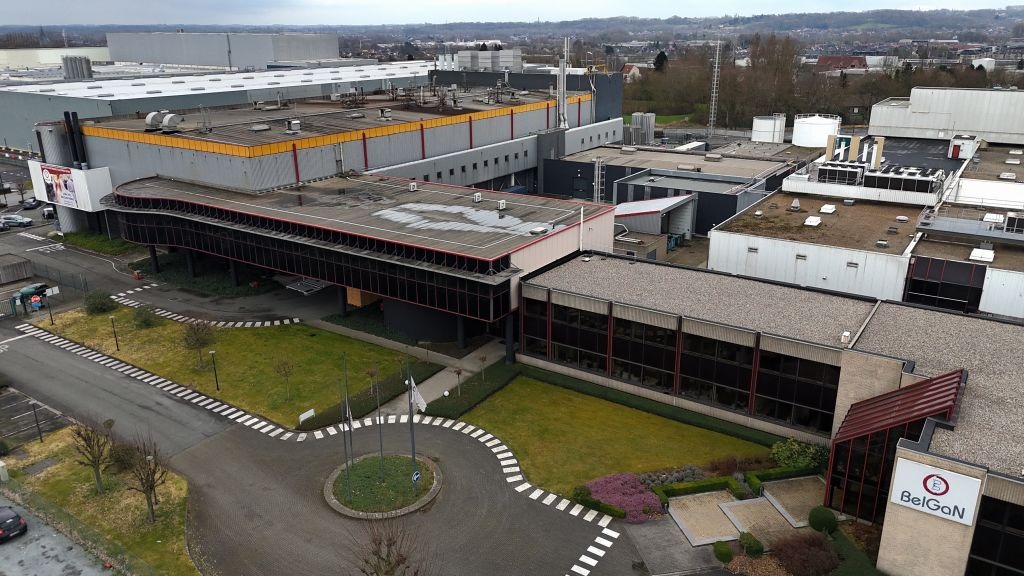
Na zdjęciu: fabryka układów scalonych firmy BelGaN w Oudenaarde, sfotografowana 12 marca 2025 roku. (Zdjęcie: Eric Lalmand/Belga/AFP via Getty Images)


Chiny nie są naszym przyjacielem

Drieu Godefridi
Tłumaczenie: Andrzej Koraszewski


Nawet jeśli chińskie kradzieże technologii zdarzają się w Europie rzadziej niż w Stanach Zjednoczonych – w Europie jest po prostu znacznie mniej technologii do ukradzenia niż w USA – to mimo wszystko zjawisko to jest aż nazbyt obecne.

Praktyka ta przebiega według schematu, który obecny dyrektor CIA John Ratcliffe już dawno określił mianem modelu biznesowego Komunistycznej Partii Chin (KPCh): “Rob, Replicate, Replace” — “Ukradnij, skopiuj, zastąp”. Kradną technologię i know-how potrzebne do wytworzenia danego produktu, kopiują go, a następnie zalewają nim rynek po znacznie niższej cenie, doprowadzając w ten sposób pierwotnych producentów do upadku. Kiedy KPCh uznaje, że jej udział w rynku został umocniony do poziomu przypominającego monopol, ceny ponownie rosną.

Uwaga! To samo stanie się z chipami komputerowymi.

Obecnie w ten sposób potencjalnie niszczony jest niemiecki przemysł motoryzacyjny – przez chińskie samochody elektryczne. Jedynie prezydent USA Donald J. Trump ratuje amerykański przemysł samochodowy, zakazując chińskich pojazdów, a zarazem oferując zachęty finansowe każdemu, kto planuje produkować samochody – czy właściwie niemal cokolwiek innego – w Stanach Zjednoczonych.

Na przykład w Belgii BelGaN, sztandarowa belgijska firma półprzewodnikowa, została kupiona przez chiński reżim, ograbiona z własności intelektualnej, technologii i know-how na rzecz “firmy siostrzanej” w Chinach, a następnie zlikwidowana w Belgii.

Zakład BelGaN w Oudenaarde we Flandrii Wschodniej powstał w 1983 roku, kiedy działał pod nazwą Mietec i był uważany za jeden z flagowych projektów flamandzkiej “trzeciej rewolucji przemysłowej”. Następnie znalazł się w rękach AMI Semiconductor, a później ON Semiconductor (ONSEMI). W latach 2021–2022 ONSEMI, ostatni w Belgii zakład produkujący chipy na skalę przemysłową, został sprzedany firmie BelGaN za około 13,6 mln dolarów.

BelGaN Group BV, utworzona 30 września 2021 roku, była spółką joint venture Rockley Management (HK) Ltd i Wuxi Group Ltd – dwóch firm zarejestrowanych w Chinach. Już to powinno było uruchomić alarm wśród belgijskich władz, należących, jak wiadomo, do najbardziej naiwnych i łatwowiernych w Europie.

Belgia wprowadziła jednak interfederalny mechanizm kontroli inwestycji zagranicznych dopiero 1 lipca 2023 roku. Tymczasem przejęcie zakładu zostało sfinalizowane w lutym 2022 roku. Dziś półprzewodniki są już wyraźnie wymieniane wśród strategicznych technologii podlegających kontroli… trochę późno.

Rockley Management (HK) Limited stanowi część sieci technologicznej i finansowej od dawna działającej pomiędzy Wielką Brytanią a Chinami. Hongkońska spółka jest powiązana z braćmi Andrew i Robertem Rickmanami, kluczowymi postaciami Rockley Group, mającej siedzibę w Oksfordzie i prowadzącej działalność również w Szanghaju. Grupa dokonała szeregu inwestycji w sektor półprzewodników w Chinach, między innymi za pośrednictwem Rockley China Fund oraz udziałów w chińskich spółkach technologicznych. Andrew Rickman został również mianowany profesorem honorowym Shanghai Institute of Microsystem and Information Technology, podlegającego Chińskiej Akademii Nauk. Rockley Management nie było więc odizolowanym hongkońskim wehikułem inwestycyjnym, lecz częścią sieci inwestycji technologicznych już głęboko powiązanej z chińskim ekosystemem.

Alan Zhou (znany również jako Alan Zhen Zhou lub Zhou Zhen), doświadczony menedżer w branży, został mianowany dyrektorem generalnym BelGaN. Oficjalnym celem było przekształcenie zakładu w fabrykę produkującą 6- i 8-calowe płytki półprzewodnikowe z azotku galu (GaN), stworzenie w Belgii “Doliny GaN” oraz dostosowanie działalności firmy do europejskiego aktu w sprawie chipów.

Technologia GaN pozwala produkować komponenty elektroniczne mniejsze, bardziej energooszczędne i zdolne do pracy przy wyższych częstotliwościach niż porównywalne urządzenia oparte na krzemie. Ma liczne zastosowania: w pojazdach elektrycznych, ładowarkach, systemach energii słonecznej, centrach danych, lotnictwie i systemach kosmicznych, a także w zastosowaniach wojskowych, takich jak radary i wojskowa elektronika.

Zatrudnienie zachowało około 400–440 pracowników.

Utworzenie “firmy siostrzanej” w Chinach

Kilka miesięcy po przejęciu BelGaN w strefie rozwoju gospodarczego Fuzhou w prowincji Fujian utworzono nową chińską firmę o nazwie Fuzhou GaGu Semiconductor Co. (福州镓谷半导体有限公司) – znaną również jako Gankool, GaNkool i Gancool. Produkuje ona dokładnie tę samą technologię GaN, w tych samych warunkach, z wykorzystaniem tych samych maszyn i procesów. Fuzhou GaGu Semiconductor jest finansowana przez całkowicie chiński fundusz inwestycyjny, “współpracujący” – jak muszą to robić wszystkie przedsiębiorstwa – z chińskim rządem.

Chronologia ma tutaj znaczenie. 8 lutego 2022 roku ONSEMI sfinalizowało sprzedaż swojego zakładu w Oudenaarde spółce BelGaN Group BV. 20 lipca 2022 roku w Fuzhou zarejestrowano Fuzhou GaGu Semiconductor.

Ta chronologia dowodzi istnienia całościowego planu już od pierwszego chińskiego ruchu w kierunku BelGaN. Nie tworzy się przecież z marszu firmy półprzewodnikowej, wraz z jej modelem działania, metodami i technologią, w ciągu kilku miesięcy. Chronologia ta pokazuje również poczucie bezkarności chińskiego reżimu w konfrontacji z naiwną Belgią – albo, najprawdopodobniej, z każdym innym, kto mu na to pozwala.

Główny podejrzany: H.L.

H.L., którego kilka publicznie dostępnych źródeł zidentyfikowało jako prawdopodobnie specjalistę od GaN Hu Lianga (梁琥), jest 52-letnim obywatelem belgijsko-chińskim mieszkającym w Leuven. Około sierpnia 2022 roku H.L. objął wysokie stanowisko badawcze w BelGaN.

Przed dołączeniem do BelGaN H.L. pracował wcześniej w belgijskiej organizacji badawczo-rozwojowej non-profit Imec (“światowym laboratorium chipów“), gdzie kierował pracami nad epitaksją – procesem nanoszenia warstw krystalicznych stanowiących podstawę do budowy urządzeń półprzewodnikowych. Chińskie publikacje przedstawiają go jednocześnie jako dyrektora generalnego, dyrektora ds. technologii (CTO) i głównego naukowca Fuzhou GaGu Semiconductor. Belgijska prokuratura federalna i większość belgijskich mediów nadal identyfikują go wyłącznie za pomocą inicjałów H.L.

W marcu 2023 roku H.L. został przedstawiony podczas konferencji w Chinach jako dyrektor Fuzhou GaGu Semiconductor, obok Alana Zhou. Jego profil na LinkedIn wymieniał wyłącznie BelGaN.

Belgijskie władze wciąż nie reagowały, mimo że wszystkie elementy “transferu” były już wyraźnie widoczne.

Kiedy mowa o głównym podejrzanym, należy oczywiście rozumieć przez to kluczowe ogniwo totalitarnego chińskiego reżimu komunistycznego. Zachodowi trzeba nieustannie przypominać, że nie istnieje żaden chiński rząd – istnieje jedynie Komunistyczna Partia Chin. Podobnie każda chińska firma jest zaledwie jedną z szacowanych 100 milionów twarzy KPCh, której członkowie stanowią około 7% ludności Chin. Prawdziwym “podejrzanym” w całej tej sprawie jest – i zawsze była – KPCh, której model rozwoju gospodarczego opiera się na jednej prostej zasadzie: ciągłej, systematycznej i nieustającej kradzieży zachodniej własności intelektualnej. Jak duża część winy spada na nas za to, że na to pozwalamy?

Problemy finansowe, bankructwo i sprzedaż aktywów

W 2023 roku BelGaN odnotował stratę netto w wysokości 8,3 mln euro przy przychodach wynoszących 55 mln euro. Jednocześnie firmie nie udało się pozyskać wystarczającego finansowania na planowane przejście od produkcji konwencjonalnych chipów krzemowych do produkcji GaN, co wymagało znacznych nowych nakładów kapitałowych.

Rząd flamandzki zbadał chińskie powiązania firmy – kontrola ta prawdopodobnie przyczyniła się do decyzji o nieudzieleniu jej dotacji ratunkowych. Mówiąc inaczej: kiedy rząd flamandzki zorientował się, że flamandzka firma stała się chińska, przestał ją dotować.

BelGaN został ogłoszony bankrutem 31 lipca 2024 roku, a ponad 400 pracowników straciło pracę.

W ramach postępowania upadłościowego aktywa BelGaN podzielono na około 1800 partii aukcyjnych – pojedynczych maszyn lub grup urządzeń oraz innych składników majątku fabryki – które wyznaczeni przez sąd syndycy sprzedali w internecie w celu pozyskania środków dla wierzycieli. Aukcja przyniosła około 23 mln euro, przy czym chińskie przedsiębiorstwa nabyły mniej więcej jedną trzecią aktywów, w tym zaawansowany technologicznie sprzęt o wartości około 8,5 mln euro. Pozostali nabywcy pochodzili między innymi z Niemiec i Stanów Zjednoczonych. Część maszyn przeznaczonych do wywozu do Chin wymagała licencji eksportowych ze względu na ich potencjalne zastosowania wojskowe lub związane z obronnością.

Śledztwo, aresztowanie i zarzuty

Federalna Prokuratura oraz Federalna Policja Sądowa Flandrii Wschodniej prowadzą obecnie dochodzenie w tej sprawie w ramach postępowania upadłościowego. H.L. został aresztowany 10 maja 2026 roku na lotnisku Zaventem, gdy przygotowywał się do wejścia na pokład samolotu do Pekinu. Nadal przebywa w areszcie tymczasowym w więzieniu w Oudenaarde.

Zarzuty wobec H.L. są poważne: szpiegostwo, udział w organizacji przestępczej, nadużycie majątku spółki, bezprawne ujawnienie tajemnic handlowych oraz przestępstwa związane z postępowaniem upadłościowym. Prokuratura stwierdza, że istnieją poważne, precyzyjne i spójne przesłanki wskazujące na bezprawny transfer za granicę specjalistycznej własności intelektualnej oraz tajemnic handlowych dotyczących produkcji chipów GaN.

Alan Zhou, ostatni dyrektor generalny BelGaN i obywatel Chin, jest obecnie poszukiwany przez belgijskie władze. Według belgijskich mediów Zhou odegrał decydującą rolę w przekazaniu własności intelektualnej, technologii i know-how BelGaN firmie Fuzhou GaGu Semiconductor. Jest to, delikatnie mówiąc, wiarygodne, zważywszy, że był dyrektorem generalnym BelGaN od momentu powstania firmy aż do jej bankructwa.

Adwokat H.L., Dimitri de Beco, zaprzecza wszystkim zarzutom wobec swojego klienta i podkreśla zasadę domniemania niewinności. Twierdzi, że nawet gdyby przedstawione fakty zostały potwierdzone, nie stanowiłyby szpiegostwa, lecz co najwyżej bezprawne ujawnienie tajemnic handlowych.

Stawka technologiczna i strategiczna

Belgijska Służba Bezpieczeństwa Państwa w swoim “Raporcie Wywiadowczym 2025” opisuje chińską strategię wykorzystującą “firmy siostrzane”, którą określa mianem “copy to China” (“skopiuj do Chin”):

“Chińskie firmy inwestują w belgijskie przedsiębiorstwa, ośrodki badawcze lub spółki typu spin-off – najlepiej niewielkie podmioty rozwijające obiecujące technologie, lecz borykające się z problemami finansowymi – aby uzyskać dostęp do konkretnych technologii. Następnie zakładają w Chinach firmę typu «copy to China», która produkuje tę samą technologię na większą skalę. Pierwotna spółka macierzysta zostaje następnie sprzedana, najlepiej z zyskiem”.

Śledztwo trwa. Do tej pory nie zapadł żaden wyrok skazujący.


Zawartość publikowanych artykułów i materiałów nie reprezentuje poglądów ani opinii Reunion’68,
ani też webmastera Blogu Reunion’68, chyba ze jest to wyraźnie zaznaczone.
Twoje uwagi, linki, własne artykuły lub wiadomości prześlij na adres:
webmaster@reunion68.com