Archive | 2014/12/29

Auschwitz commander’s grandson: Why my family call me a traitor

Auschwitz commander’s grandson: Why my family call me a traitor

By Konstantinos Lianos


Rainer Hoess holds up a family picture of his mass-murdering grandfather Rudolf Hoess

Rainer Hoess holds up a family picture of his mass murdering grandfather Rudolf Hoess Photo: Michael Probst/AP

Auschwitz commander Rudolf Hoess was one of the men tried in Nuremburg, in a series of hearings which began 69 years ago today. His grandson tells The Telegraph of his shame over his relative’s actions – and why he thinks Europe has not learnt its lessons from the past

There is no grave marking where Rainer Hoess’ grandfather lies. But if there were, Mr Hoess knows what he would do. “I would spit on it,” he said. “I can’t forgive the burden he brought into our lives. We had to carry a very heavy cross.” Mr Hoess’s grandfather was Rudolf Hoess – the Nazi commandant of Auschwitz concentration camp, and the man who oversaw the murder of an estimated 1.5 million people. And November 20 marks the day, 69 years ago, that the trial of his grandfather began in Nuremburg – perhaps the biggest series of trials of the past century.

Mr Hoess, 49, is the only member of his family to publicly denounce his grandfather, who was hanged at the end of the trial, in 1945.

And he told The Telegraph, speaking by phone from his home in Germany how, as a child, he had no idea of the history of the man who died 20 years before he was born. “There was a dictatorship in the house, and we weren’t allowed to disagree,” he said. “I had to admire my grandfather like a hero.”

Hoess joined the Nazi party in 1922 and 12 years later became part of the SS. His extensive experience at Dachau and Sachsenhausen as well as his long-time friendship with SS commander Heinrich Himmler led to his appointment as commandant at Auschwitz in 1940.

He was the designer and administrator of the gas chambers and the one that introduced the Zyklon B gas that was used to execute children, the elderly and everyone else that was unfit to work.

It was not until Mr Hoess was 12, while at boarding school, that he learnt the true story of his dark family secret.

Security guards caught him and his friends stealing from the kitchen, and so the head master of the school punished them by forcing them work in the garden. However, the gardener was an Auschwitz survivor, and the young boy’s name immediately caught his attention. So he kept him working for three months – with the pretext that he wasn’t working hard enough – and enjoyed slapping and kicking around the unruly pupil. The boy couldn’t understand why.

It was only when a teacher told him that his grandfather was responsible for all the agony the gardener had witnessed at the extermination camp, that he understood.

But still his father, Hans-Jurgen – Rudolf’s son – dismissed those claims.

“My father would punish my mum and me. My mother tried to kill herself ten times and she once tried to hang herself from the balcony. I tried to kill myself twice and suffered from three heart attacks and a stroke in the 1990s.”

Three years later the young Mr Hoess spent the holidays with his grandfather’s driver, who told him of the luxurious life enjoyed by Rudolf Hoess in the villa he lived in near the camp.

“Life at the villa was beautiful – but prisoners would be punished there,” he said.

“One of them got lost in the garden and was taken back to Auschwitz to be hanged. He was only spared at the last minute because my grandmother needed him to work.”

In the villa many Jehovah’s Witnesses were forced to work indoors. Communists, political opponents and gipsies were made to work outdoors. No Jews were allowed in the premises.

Hoess’s driver added that the Auschwitz commander always ordered a prisoner to sing for him before he went to bed.

“He was a cold-hearted soldier who got 20,000 people killed by dinnertime – with the excuse that he just did his job,” said Mr Hoess. “Yet he would later turn to a loving father who would tuck his kids in bed.”

Eventually, Mr Hoess left home at the age of 16, trained as a chef, and broke all contact with the rest of his family by 1985. He said that they now call him a traitor.

He had the chance to visit Auschwitz for the first time one cold morning in 2009 with his mother, an Israeli journalist and writer Thomas Harding.

“I couldn’t sleep the night before I went, and was walking around my room instead,” he said. “At first I was looking for reasons not to go – but I had to check with my own eyes and needed to feel Auschwitz.

“It was hard.

“There was silence inside the car when we arrived. It was scary. I couldn’t believe how big it was. I couldn’t touch the bricks or anything else.”

Mr Hoess’s grandfather tried to escape with his family to South America after the war, but was captured by the British, confessed to his crimes in Nuremberg, and was hanged next to the camp’s crematoria.

The site of his execution is still there – and Mr Hoess considers it the best part of the tour.

Read more: Auschwitz commander’s grandson…


twoje uwagi, linki, wlasne artykuly, lub wiadomosci przeslij do: webmaster@reunion68.com



Widziane, słyszane, ignorowane

Widziane, słyszane, ignorowane

Liat Collins

Tłumaczenie: Małgorzata Koraszewska


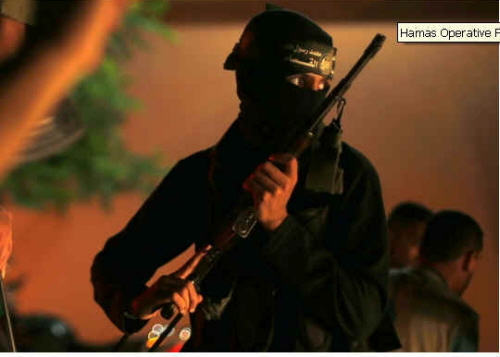
Działacz Hamasu. (zdjęcie: REUTERS)

Działacz Hamasu. (zdjęcie: REUTERS)

Świat jest pogrążony w chaosie. Kręci się szybko. Nic dziwnego, że kawałki się odrywają. Albo może tylko kręci się w mojej głowie, kiedy próbuję dotrzymać kroku wydarzeniom.

W ubiegłym tygodniu londyńska rozgłośnia radiowa poprosiła mnie o omówienie incydentu, w którym zmarł quasi-minister Autonomii Palestyńskiej, Ziad Abu Ein. Według autopsji zmarł na zawał serca wkrótce po szamotaninie z policją podczas protestu. Podkreśliłam, że “Palestyńczycy mogą zamienić go w męczennika, ale nikt nie może zamienić go w świętego”, przypomniałam, że Abu Ein został przekazany z USA do Izraela, by stanąć przed sądem za udział w zamachu terrorystycznym w 1979 r., w którym zginęło dwóch nastoletnich Izraelczyków. Został potem uwolniony w ramach wymiany więźniów.

Nie wiem, czy ten wywiad nadano, czy nie. Może producent podjął inny temat, który poruszyłam w tej rozmowie, a mianowicie, że są ważniejsze wydarzenia w naszym regionie.

Okazuje się, że są również ważniejsze wydarzenia poza regionem.

Na przykład, w tym tygodniu wszyscy patrzyli na Sydney i dramat z zakładnikami. Ten incydent, w którym były Irańczyk przetrzymywał zakładników w kawiarni Lindt, żądając flagi ISIS i zmuszając personel i klientów kawiarni do wykrzykiwania sloganów Państwa Islamskiego, nie jest w mediach opisywany jako atak terrorystyczny.

Także po śmierci Mana Harona Monisa i dwojga zakładników prasa australijska nadal mówiła o nim tylko jako o “uzbrojonym bandycie”.

Monisa opisywano jako “samotnego wilka” z niepokojącą przeszłością, włącznie z oskarżeniem o współudział w zamordowaniu byłej żony i o wysyłanie pełnych nienawiści maili do rodzin poległych żołnierzy australijskich.

Jeśli żądanie flagi Państwa Islamskiego nie jest (dosłownie) oznaką jakiegoś związku z tą sunnicko-dżihadystyczną organizacją terrorystyczną, to nie jestem pewna, co nią jest: może, kiedy zbliża się koniec roku 2014, liczy się już tylko obcięcie głowy niewiernemu i umieszczenie wideo pokazujące ten mord na YouTube.

Australijczycy, oczywiście, nie są przyzwyczajeni do zamachów terrorystycznych i mam nadzieję, że nigdy nie będą musieli rozwijać instynktu, który jest drugą naturą Izraelczyków. Większość Izraelczyków, których znam w Sydney, szybko skontaktowała się z rodzinami i przyjaciółmi, żeby zawiadomić ich, że są bezpieczni. Wysłałam SMS do byłej Brytyjki, która tam mieszka, ponieważ nie zameldowała się. Wydawała się zaskoczona, ale wzruszona gestem.

Nie sądzę, że świat w pełni zrozumiał, że jest w stanie wojny. A konflikt izraelsko-palestyński nie jest jej głównym frontem.

Bez przerwy poprawiam ludzi, którzy mówią o sześciu ofiarach Państwa Islamskiego, którym obcięto głowy.

To jest sześciu obywateli państw zachodnich, mówię. Niezliczona liczba ludzi – chrześcijan, Jazydów i muzułmanów została zabita w ten szczególnie makabryczny sposób, ale świat zachodni po prostu nie raczył tego zauważyć.

Nie chciał wiedzieć. Ofiary pozostają bezimienne.

Uzbrojeni talibowie, nazwę ich jednak terrorystami, we wtorek zmasakrowali ponad 130 uczniów i nauczycieli w szkole pakistańskiej, ale, w odróżnieniu od wypadku w Sydney, ta wiadomość nie zakłóciła normalnego nadawania programów w większości zachodnich mediów.

Na Zachodzie zabite dzieci zostaną wkrótce zapomniane, tak jak ponad 200 nigeryjskich uczennic porwanych w marcu przez Boko Haram lub jak już zapomniano 47 dzieci zabitych w zeszłym miesiącu w zamachu bombowym w Nigerii.

Rząd iracki, a raczej to, co z niego zostało, wydał we wtorek oświadczenie potępiające zamordowanie około 150 kobiet i dziewczynek w Falludży za odmowę służenia Państwu Islamskiemu jako niewolnice seksualne. To informacja podana już po publikacji instrukcji Państwa Islamskiego, jak traktować wzięte do niewoli kobiety.

Zamachy terrorystyczne mają miejsce na całym świecie, a sprawcami przytłaczającej większości z nich są muzułmanie.

Dziennikarze “Jerusalem Post” spotkali się w tym tygodniu z publicystą prestiżowego tygodnika chińskiego „Southern Weekly”. Wu Mengqi otwarcie mówił jak widzi sytuację w Izraelu i na terytoriach palestyńskich, jak również w Chinach, podkreślając swoje prawo do swobodnego wyrażania opinii.

Liat Collins Urodzona w Wielkiej Brytanii, osiadła w Izraelu w 1979 roku i hebrajskiego uczyła się już w mundurze IDF, studiowała sinologię i stosunki międzynarodowe. Pracuje w redakcji “Jerusalem Post” od 1988 roku. Obecnie kieruje The International Jerusalem Post.

Mówił również, że przeciętny mieszkaniec Chin jest pro-palestyński, ale ostatnio coś się zmieniło. Terror dotarł na chińskie ulice. Szalony atak nożowników na stacji Kunmong w prowincji Junnan w marcu, w którym zginęło niemal 30 osób był prawdopodobnie przeprowadzony przez muzułmańskich separatystów z regionu Sinciang, znajdującego się daleko od miejsca masakry. Ludzie stali się po nim tak nerwowi, powiedział Wu, iż grozi niebezpieczeństwo, że nawet pogłoska o zamachu może wywołać na zatłoczonej stacji popłoch i panikę z katastrofalnymi konsekwencjami.

Separatyści ujgurscy mogą nie być częścią globalnego dżihadu, ale nie ma wątpliwości, skąd czerpią inspirację.

Szkocja przeprowadziła ostatnio normalny plebiscyt, w którym mieszkańcy wypowiadali się na temat oderwania się od Zjednoczonego Królestwa; Katalończycy w Hiszpanii także przeprowadzili symboliczne głosowanie w kwestii niepodległości. Nie atakowali nikogo nożami, czy tasakami, nie obcinali głów niewinnym ofiarom podczas modlitwy, w szkole lub w drodze do pracy.

Jedną z reakcji na “nie terrorystyczny” zamach w Australii był kampania #illridewithyou oferująca wsparcie członkom miejscowej społeczności muzułmańskiej, która boi się złowrogich islamofobicznych reakcji.

Bardziej zaimponowało mi potępienie zamachu, w którym straciły życie dwie niewinne osoby, przez miejscowych przywódców muzułmańskich. Bitwę przeciwko wykorzystywaniu islamu porwanego przez grupy i organizacje terrorystyczne na całym świecie muszą prowadzić odważni, umiarkowani muzułmanie.

Wystarczy garstka terrorystów, by spowodować olbrzymie spustoszenie; dlatego tak ważne jest, by olbrzymia milcząca większość przemówiła.

Czytaj dalej tu: Widziane, słyszane, ignorowane


twoje uwagi, linki, wlasne artykuly, lub wiadomosci przeslij do: webmaster@reunion68.com


The Conscience of Poland: A Q&A With Adam Michnik

The Conscience of Poland: A Q&A With Adam Michnik

David Samuels


(Photo illustration by Tablet; main photo: Corbis/Reuters)

A conversation with the former dissident and public intellectual, about the ‘Polish mentality,’ anti-Semitism, and ‘wearing Jewish glasses’

As a freshman in high school, I had two heroes, both of whom were condemned to isolation cells for speaking out against stultifying regimes of oppression. It was absurd and woefully self-indulgent for me to draw parallels between my adolescent rebellions against private-school administrators on Manhattan’s Upper East Side and Adam Michnik’s unbending confrontation with the Communist Party in Poland or Anatoli Sharansky’s refusal to be broken by eight years of imprisonment in Siberia. I even knew it was absurd. But I did it anyway, because 14 is an absurd age. I believed that the cause of human freedom anywhere was the cause of human freedom everywhere.

Of the two, Michnik’s fate was the more precious to me. I cut out a black-and-white photograph of him from the inside pages of a magazine that I found in our high-school library and taped it to the door of my locker–not on the inside, but on the outside, in open violation of school policy. Luckily, no one in my high-school administration seemed to have any idea who Michnik was, or else the message of defiance that I intended would surely have been noticed by the authorities. I read everything I could find about Michnik, which wasn’t much, and was happy when the Polish authorities released him from prison for an afternoon so he could attend his father’s funeral, where he flashed a victory sign to the assembled mourners and secret policemen that was duly reported in a single paragraph of a longer article in the New York Times.

When Michnik was released from prison for the last time, during my freshman year of college, I felt a weird sense of personal triumph. I knew that I had done nothing meaningful to help the great cause of human freedom that he championed, but I had not been wrong to believe in my hero, who had stood up to the Polish Communist party and the Soviet Union and unmasked their lies. No matter what they did to him, he refused to give up an inch of the precious real estate inside his own head. He knew what was true, and what was ugly and false, and no one could force him to say otherwise. In the end, Solidarity triumphed, and the ashes of the Communist system blew away like a bad dream.

If the historic triumph of the dissidents and refusniks can appear in retrospect like every authority-hating adolescent’s fantasy version of Disney on Ice, it is also a powerful lesson in how history works, at least sometimes. The refusal of Michnik, Sharansky, and hundreds of other brave individuals to bow to a hopeless imbalance of power became a fulcrum that encouraged a small but dedicated corps of activists and believers to keep pushing against the weight of state power and learned hopelessness until inch by inch, the prison doors swung open. Even at this distance, it’s a ridiculous story, unscientific in the extreme, a fairy tale—and, like most good fairy tales, a necessary antidote to the more common wisdom that injustice will always win in the end. Hundreds of millions of people owe their personal freedom to a handful of men and women who turned their hearts and minds into countries that the bureaucrats and secret police could never occupy.

The fact that some of the heroes of the great anti-Communist refusal turned out to be leaden ideologues or petty political schemers and scroungers is, in the greater scheme of things, a forgivable offense, or at least a predictable one. In that context, it is worth recording that the post-Soviet Michnik proved himself again to be a conscience-driven man with a historian’s understanding of the dialectics of change. He refused to toe Lech Walesa’s party line, and he refused to be part of a self-congratulatory and often self-interested campaign of personal and political vengeance against the apparatchiks who had jailed him, some of whom had talents that could be useful to Poland. Instead, he became a distinguished essayist and editor-in-chief of Poland’s second-largest newspaper, the Gazeta Wyborcza—and would now be a member of his country’s new multi-millionaire elite if he had not given up his shares in his newspaper’s parent company, Agora, in order to safeguard the paper’s editorial integrity.

Read more: The Conscience of Poland: A Q&A With Adam Michnik


twoje uwagi, linki, wlasne artykuly, lub wiadomosci przeslij do: webmaster@reunion68.com