Archive | September 2025

French Lawmaker Under Fire for Pro-Hamas Comments, Questioning Antisemitic Attack Figures


French Lawmaker Under Fire for Pro-Hamas Comments, Questioning Antisemitic Attack Figures

Ailin Vilches Arguello


A conference by La France Insoumise MEP and pro-Palestinian activist Rima Hassan was held on Dec. 13, 2024, on the Saint Martin d Heres campus, in the Grenoble suburbs, France. Photo: Benoit Pavan / Hans Lucas via Reuters Connect

European Union lawmaker Rima Hassan is drawing criticism after spreading pro-Hamas rhetoric and questioning the reported surge of antisemitic attacks targeting France’s Jewish community, renewing concerns over her promotion of hateful ideology.

In a Tuesday interview with French outlet Thinkerview, Hassan defended the Hamas-led invasion of and massacre across southern Israel on Oct. 7, 2023, and asserted the Palestinian terrorist group is justified in denying the Jewish state’s right to exist.

“Historically, Hamas has maintained that Israel has no right to exist, arguing that it has taken our lands and settled on them. In this regard, they are correct,” said Hassan, a 33-year-old lawyer and activist who last year became the first French-Palestinian member of the European Parliament, the EU’s law-making body.

“Oct. 7 is something that must be punished, yes, but it should be put into context before being condemned,” she continued.

This is not Hassan’s first instance of seemingly endorsing Hamas’s violence against Israelis.

The politician, who was born in a Palestinian refugee camp in Syria, has repeatedly faced controversies and investigations for promoting hateful speech.

“We have over 100 years of colonization, we are being massacred, we have over a million martyrs, and these French people don’t seem to understand that we want our independence,” Hassan said during the interview.

Earlier this year, the French diplomat was expelled from Israel after being arrested while attempting to reach Gaza aboard the vessel Madleen to “break the Israeli blockade.”

She has also been subject to an investigation in Paris for “apology of terrorism” following an interview given after the Oct. 7 atrocities, in which she justified Hamas’s actions.

During her interview, Hassan also questioned the rise in anti-Jewish hate crimes and targeted attacks against France’s Jewish community since the Hamas onslaught in Israel.

She expressed distrust in the figures reported by the Representative Council of Jewish Institutions of France (CRIF) – the main representative body of French Jews – on antisemitism.

“Yes, there have been more antisemitic acts, but honestly, I do not trust the CRIF’s figures at all,” the French lawmaker said.

According to the French Interior Ministry, 646 antisemitic incidents were recorded from January to June this year — a drop from the previous year’s first-half record high but a 112.5 percent increase compared with the same period in 2023, when 304 incidents were reported.

Yonathan Arfi, president of CRIF, strongly condemned Hassan’s remarks, denouncing them as a dangerous distortion of reality and an attack on France’s Jewish community.

“Downplaying, minimizing, and even hiding antisemitism is a core part of the strategy of LFI, and specifically of Rima Hassan,” Arfi said, referring to the left-wing French political party La France Insoumise. The party, of which Hassan is a member, has been widely accused of animus toward not only Israel but also the French Jewish community.

“She ignores that these figures come from the Ministry of the Interior, effectively pretending to forget that they are official French statistics,” Arfi continued.

Just last week, a 34-year-old Algerian man was sentenced to 40 months in prison for threatening passengers with a knife and making antisemitic death threats after boarding a train at Cannes station days earlier.

“Today, I want to kill Jews. I am Algerian, and I want to support the Palestinians,” the assailant said, according to French media.

In another incident earlier this year, a Jewish man wearing a kippah was brutally attacked and called a “dirty Jew” in Anduze, a small town in southern France.

In March, Arie Engelberg, the rabbi of Orléans, was violently attacked while walking home with his nine-year-old son from the synagogue in the city, located south of Paris.

According to Engelberg, the attacker asked if he was Jewish, and when the rabbi replied yes, the assailant began hurling antisemitic insults, including “all Jews are sons of —,” and attempted to film him. The attacker then allegedly started punching Engelberg and bit him until several people stepped in to help.

Antisemitism in France continued to surge to alarming levels across the country last year, with 1,570 incidents recorded. The total number of antisemitic outrages in 2024 was a slight dip from 2023’s record total of 1,676, but it marked a striking increase from the 436 tallied in 2022. The figures, presented by CRIF in its annual report, were compiled by the Jewish Community Protection Service using data jointly recorded with the Ministry of the Interior.

The report found that 65.2 percent of antisemitic acts last year targeted individuals, with more than 10 percent of these offenses involving physical violence.

One such incident occurred in June, when a 12-year-old Jewish girl was raped by three Muslim boys in a Paris suburb. The child told investigators that the assailants called her a “dirty Jew” and hurled other antisemitic comments at her during the attack.

In another egregious attack, an elderly Jewish woman was attacked in a Paris suburb by two assailants who punched her in the face, pushed her to the ground, and kicked her while hurling antisemitic slurs, including “dirty Jew, this is what you deserve.”


Zawartość publikowanych artykułów i materiałów nie reprezentuje poglądów ani opinii Reunion’68,
ani też webmastera Blogu Reunion’68, chyba ze jest to wyraźnie zaznaczone.
Twoje uwagi, linki, własne artykuły lub wiadomości prześlij na adres:
webmaster@reunion68.com


Northwestern’s president resigns amid fallout of anti-Israel protests


Northwestern’s president resigns amid fallout of anti-Israel protests

Mike Wagenheim


Michael Schill called it quits as the private university faces a $790 million funding freeze, following allegations by the Trump administration that it allowed Jewish students to be harassed.

Michael Schill, president of Northwestern University, testifies during a hearing of the U.S. House Committee on Education and the Workforce, May 23, 2024. Credit: House Committee on Education and the Workforce.

Beset by federal funding cuts tied to his handling of campus antisemitism, Michael Schill, president of Northwestern University in Evanston, Ill., announced his resignation on Thursday.

Schill served as president for three years and will remain in the role until an interim replacement is named. He has stated that he will continue to challenge the administration of U.S. President Donald Trump, which froze some $790 million in funds in April, citing civil-rights violations and campus antisemitism. 

The freeze has led to significant layoffs and a halt to new hiring.

“President Schill will leave behind a legacy of not only failing to deter antisemitism on campus but worsening it,” Rep. Tim Walberg (R-Mich.), chair of the House Education and Workforce Committee, wrote in a statement. “These students not only deserve better, but the law requires it.”

In May, the administration opened an investigation into the academic institution for discriminating against Jewish students.

“As I reflect on the progress we have made and what lies ahead, I believe now is the right time for new leadership to guide Northwestern into its next chapter,” Schill said in a statement. “Therefore, I have decided, in consultation with the leadership of the Board of Trustees, that I will step down as president.”

Schill, who is Jewish, came under heavy criticism for negotiating with anti-Israel demonstrators to end their disruptive encampment in 2024. He noted that he didn’t cave to demands that the school divest from Israel and end an academic program that focused on Israeli innovation.

Still, Northwestern did agree to answer questions about its investments, re-establish its Advisory Committee on Investment Responsibility, and include Gazan students and faculty in its existing Scholars at Risk admissions and hiring program, among other concessions to protesters.

Schill insisted that the outcome was better for the university than police involvement to break up the encampment.

“Mr. Schill, you cut a disgraceful deal with the encampment that prompted seven Jewish members of your own antisemitism advisory committee to resign in protest,” Rep. Virginia Foxx (R-N.C.) said at a congressional hearing last year on campus antisemitism, when he testified.

In May 2024, Jewish students at Northwestern filed lawsuits against the school, alleging civil-rights violations by permitting a hostile environment toward them.


Zawartość publikowanych artykułów i materiałów nie reprezentuje poglądów ani opinii Reunion’68,
ani też webmastera Blogu Reunion’68, chyba ze jest to wyraźnie zaznaczone.
Twoje uwagi, linki, własne artykuły lub wiadomości prześlij na adres:
webmaster@reunion68.com


Wieczny obóz


Wieczny obóz

Łukasz Najder


Przeniesienie do Auschwitz będzie dla bohatera powieści Aleksandra Tišmy czymś na kształt wybawienia. Ostatecznie przetrwa, ale za cenę bycia kapo


Szkoda, że współczesny przemysł wydawniczo-medialny zużył do cna takie superlatywy jak „wydarzenie”, „wielka książka”, „książka roku” czy „arcydzieło”, bo chętnie bym za pomocą którejś z nich oddał emocjonalno-intelektualną głębię i techniczną maestrię „Kapo” Aleksandra Tišmy.

Tišma, 1924–2003, serbski pisarz o splątanym rodowodzie językowo-narodowym, syn Serba i węgierskojęzycznej Żydówki, który być może od napisanego po węgiersku opowiadania zaczął swoją karierę literacką, jest w Polsce autorem właściwie nieznanym i nieobecnym, choć to przecież twórca tej miary co Levi, Sebald, Grossman, Borowski. Przed wydanym kilka tygodni temu „Kapo” opublikowano u nas ledwie dwa tytuły z jego obfitego i różnorodnego dorobku prozaika, diarysty, reportera i poety, w dodatku – wiele lat temu, w peerelu gierkowskim. Były to powieści „Śladem czarnowłosej dziewczyny” i „Księga Blama”. „Księga Blama” (1972) tworzy wraz z „Kapo” (1987) i nieprzetłumaczoną dotąd na polski książką „Upotreba čoveka” („Użycie człowieka”, 1976) wstrząsającą trylogię, która za temat ma zbrodnie, okupację i Holokaust na Bałkanach podczas II wojny światowej. Na „Księgę Błama” – wedle słów tłumaczki Tišmy, Magdaleny Petryńskiej, z posłowia do „Kapo” – składa się „drobiazgowy, chłodny opis dokonanej przez Węgrów masakry 1942 roku”. Mowa tu o masakrze w Nowym Sadzie, mieście, w którym Tišma spędził dzieciństwo i wczesną młodość, kiedy zamordowano około czterech tysięcy Żydów i Serbów. „Użycie człowieka” z kolei „ukazuje serbsko-żydowską wspólnotę, którą wojna zniszczyła i podzieliła, najpierw używając tych ludzi we własnym celu, a potem doprowadzając do tego, by i oni używali innych. I jedni, i drudzy byli bezsilni wobec tej przemocy”. 

„Kapo” zaczyna się niemal proustowsko, bo od ujrzanego przypadkowo w gazecie pojedynczego słowa, „Szabadka”, które w głównym bohaterze tej powieści, Vilko Lamianie, uruchamia nawał skojarzeń i obrazów spychających go w otchłań mrocznej przeszłości. Bo „Szabadka”, węgierska nazwa serbskiego miasta Subotica, przywołuje „Helenę Lifkę”, „Helena Lifka” – „określenie «Jüdin» zapisane w jednej linijce z numerem 1925 w obozowej ewidencji transportów” (cytaty w przekładzie Magdaleny Petryńskiej). Helena do Auschwitz przybyła z Szabadki właśnie, a tam jednym z panów życia i śmierci był on. Vilko Lamian wyruszy pewnego dnia na poszukiwanie swojej ofiary, nemezis, a zarazem powróci znowu do horroru minionej wojny i do tamtego siebie, właściwie – tamtych. Bo w toku opowieści dowiadujemy się, że Lamianów było najmniej kilku.

Jest ów teraźniejszy i żyjący w powojennej Jugosławii, ale rozczepiony na dwóch – na Lamiana urzędnika, szarego obywatela i milkliwego człowieczka, który na emeryturze zajmuje sublokatorski pokój i trzyma się od wszystkiego z dala, i na Lamiana pogrążonego w paranoi. Ten ostatni Lamian trwa w przeświadczeniu, że „ruszyła obława”, że stał się obiektem inwigilacji, że nadciągają łowcy, że jego przyszłością będzie publiczna, upokarzająca rozprawa, wyrok i najsurowsza kara. Ci Lamianowie, skryty i psychotyczny, są wytworami tamtych Lamianów – przedwojennego i wojennego. Są równocześnie ich zniekształconym odbiciem, wariacją, przebraniem, zaprzeczeniem. 

„Kapo” zaczyna się niemal proustowsko, bo od ujrzanego w gazecie pojedynczego słowa, „Szabadka”, które w głównym bohaterze uruchamia nawał skojarzeń i obrazów

Vilko Lamian przed wojną to wychrzczony Żyd z Bjelovaru, który podejmuje studia w Zagrzebiu i zdaje się nie widzieć – bądź wypierać – że wokół narasta groźna, nacjonalistyczna atmosfera. Oddając się tam romansom i nauce, święcie wierzy, jak jego rodzice, iż naśladowanie mieszczańskich zwyczajów, akces do chrześcijaństwa i niezaangażowanie zapewnią mu bezpieczeństwo – uchronią przed stygmatem obcego i wroga. Rzeczywistość Niepodległego Państwa Chorwackiego, faszystowskiego tworu zależnego od hitlerowskich Niemiec i Włoch Mussoliniego, boleśnie weryfikuje te iluzje. Latem roku 1941 Lamian zostanie aresztowany i pociągiem towarowym wywieziony do obozu koncentracyjnego w Jasenovcu. Jasenovac zaś to piekło na ziemi. Miejsce nieustających tortur i mordu, w którym dla zaoszczędzenia kul ustasze, chorwaccy ultranacjonaliści, zabijają więźniów, dziesiątki tysięcy więźniów, młotami i nożami. Dość powiedzieć, że przeniesienie do Auschwitz będzie dla Lamiana czymś na kształt wybawienia i cieniem szansy na przeżycie. Ostatecznie przetrwa, ale za cenę bycia kapo. To kolejne wcielenie Lamiana – bezlitosny i okrutny kapo Furfa, zabójca, sadysta, rabuś, gwałciciel. Dlatego Lamian powojenny, Lamian biurokrata, Lamian emeryt siedzi jak mysz pod miotłą w banjaluckiej norze. Stąd rozpierające mu od wewnątrz czaszkę wizje pogoni za nim i rychłej demaskacji. 
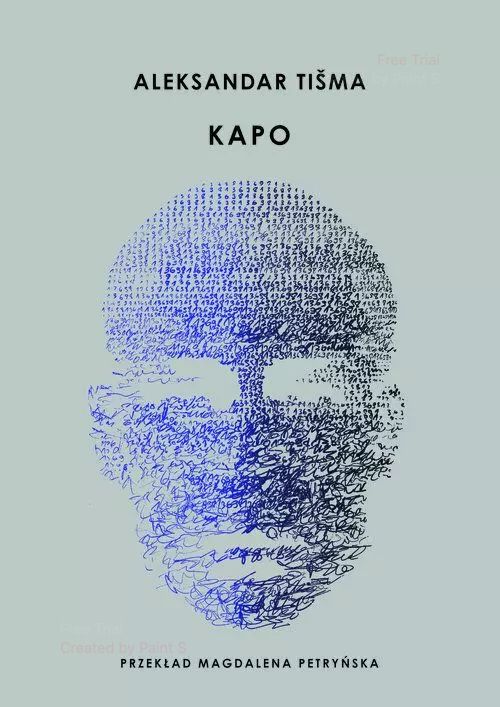
Aleksander Tišma, „Kapo”. Przel. Magdalena Petrynska, ArtRage, 344 strony, w ksiegarniach od sierpnia 2025

Trzeba było przejść przez brud i mróz, i groźbę śmierci, żeby zrozumieć; trzeba było doświadczyć tych dni i nocy głodu, nasłuchiwania, gorączkowych zwidów; trzeba było mieć na dnie oka te chwiejące się postacie, które wyłaniając się z mroku, pełzną do latryny pozbyć się krwawych odchodów, i do rewiru przyjąć w serce zastrzyk fenolu; mieć w uszach szept rozpaczy, modlitwy bez wiary, na skórze pręgi po chłoście, w krwiobiegu skamieniały strach, być tym, kim on.

Tišma nie rozstrzyga, czy strategia mimikry, jaką za młodu zastosował bohater jego powieści (do której wdrażano go już w domu rodzinnym), była słuszna czy nie. Nie tyle w sensie moralnym, ile, powiedzmy, jeszcze i technicznym. Wprawdzie młodego Lamiana omijają wtedy szykany wymierzone w Żydów, ale już sakrament chrztu nie zagwarantuje mu wiecznej nietykalności, jedynie – tymczasową. Podobnie jak służba wojskowa i obrona ojczyzny przed najeźdźcą czy unikanie noszenia blaszanej plakietki z literą Ż, który to obowiązek na Żydów w podbitej Jugosławii nałożył okupant. Zawsze bowiem znajdą się tacy, którzy i tak rozpoznają w nim Żyda, wręcz – wyczują, jakby żydostwo było nieusuwalną aurą bądź oni dysponowaliby szóstym, antysemickim, zmysłem. W Auschwitz wtapia się w grono zbrodniarzy. By zostać kapo, przywłaszcza sobie w Jasenovcu tożsamość Antuna Frfy, zmarłego chorwackiego komunisty, a „Frfa” z czasem wyewoluuje wśród więźniów we „Furfę”. Po wojnie – znika w wielomilionowym społeczeństwie, uprzednio na powrót zostając Vilko Lamianem, ale trwale odmienionym – tyje, zapuszcza włosy, zakłada ciemne okulary, nosi się inaczej, inaczej też chodzi.

Po wojnie Lamian znika w wielomilionowym społeczeństwie – tyje, zapuszcza włosy, zakłada ciemne okulary

Jego życie będzie ciągiem ról, które odgrywa, chcąc ujść z oczu widmowym i realnym prześladowcom, choć równie dobrze można uznać to za cyniczną wymianę masek, póz i kostiumów nakładanych, żeby ocaleć kosztem innych. Lamian jest aktorem, ale w sztuce, w której występuje, na scenę upadają wokół niego prawdziwe trupy.

Tišma, jak każdy wielki pisarz, domyśla się, jaki jest człowiek, a przynajmniej – jaki bywa albo bez większego trudu może być. Otóż człowiek jest słaby. Zło jest łatwe. Jest łatwe, zwykłe i brzydkie. Ludzie często krzywdzą innych, bo imitują zachowanie tych, których się boją lub których podziwiają. Co oczywiście wcale nie oznacza, że zło przestaje być złem i należy wybaczać naśladowcom. Rzecz w tym, przekonuje Tišma w „Kapo”, że zło to nie żadne faustowskie pakty czy feeryczne widowiska. To obojętność wobec obozowego losu własnych rodziców, których można było zobaczyć ostatni raz w zamian za górskie buty, które zachowało się jednak, żeby mieć jasenovacką walutę. To „rozbijanie ludziom głowy kijem, wpychanie ich żywych do wody, żeby się potopili, za kęs chleba i łyk mleka kupowanie uległości wygłodzonych więźniarek”. To straż z drągiem w garści nad dołem z wapnem, do którego zapędzono braci Štarków. To mechaniczna pomoc przy ekspediowaniu ukraińskich dzieci do krematorium. To kłamstwa, tchórzostwo, egoizm i upajanie się dominacją nad przerażonymi i odartymi ze wszystkiego.

Bo kiedy Lamian przepoczwarzy się na dobre w Furfę, nie poprzestanie na wypełnianiu kapowskich powinności. Jest bezpieczny dzięki tej maskaradzie, ale to mu, okazuje się, nie wystarcza. Niemal od razu wykorzystuje swoją władzę i przywilej, żeby seryjnie, dzień za dniem, gwałcić więźniarki. Nikt w obozie tego od niego nie wymaga, robi to, bo zło to również przemożna rozkosz płynąca z dominacji nad słabszymi, zarządzania ich ciałami, zredukowania bezbronnych i potrzebujących do funkcji, darmowego zasobu, fizjologii, obłaskawionego zwierzątka.  

Rzecz w tym, przekonuje Tišma w „Kapo”, że zło to nie żadne faustowskie pakty czy feeryczne widowiska

Tišma zapuszcza sondę poznawczą aż na dno człowieka. Nie poprzestaje na odtworzeniu lagrowego barbarzyństwa i faszystowskiego systemu dehumanizacji, grabieży i mordu. Docieka, dlaczego Lamian został kapo. W sensie praktycznym i najprostszym – z chęci przeżycia, po tym, jak omal nie umarł, „kiedy kapral Sommer za to, że zdjął sweter z trupa, żeby się ogrzać, polał go na placu apelowym wiadrem wody i rozkazał stać na baczność do wieczora”. Ale dlaczego akurat Lamian, właśnie on, wykształcony, spokojny chłopak z kulturalnej rodziny poczciwców, z taką łatwością obrócił się w potwora? Czy sprawiły to miejsca, w których się w trakcie wojny znalazł, czy zdecydowały jakieś cechy osobiste, coś na kształt gotowości do bycia katem? Każdy z nas nosiłby zatem w sobie bestię – zahibernowaną, nieaktywną, gotową do okrucieństwa w odpowiedzi na rozkaz, w reakcji na zagrożenie? Czy paranoja, która jeszcze w kilkadziesiąt lat po wojnie nęka Lamiana, jest efektem pracy sumienia czy może najzwyklejszym strachem przed złapaniem? Dlaczego właściwie podejmuje tę straceńczą wyprawę i pragnie doprowadzić do konfrontacji z Heleną? Topos spotkania ofiary z oprawcą z obozu jest tu inaczej rozegrany niż w „Nocnym portierze” lub „Pasażerce”. W obu tych filmach o kontakcie zadecydował przypadek, w „Kapo” Lamian sam rzuca wyzwanie – ale komu? Sobie, swojemu dotychczasowemu fartowi, przeszłości, społeczeństwu? Może znowu ma zamiar wykorzystać Helenę – użyć jej do ukojenia omamów i czarnych myśli, zdobyć jej litość, gdy objawi się przed nią jako schorowany, podstarzały jegomość, którego okoliczności, bo i tak niekiedy przekonuje siebie, zmusiły do brutalności? „Ale do narzędziowni z nagimi ciałami wygłodzonych kobiet nikt go nie wepchnął, wcisnął się tu sam […]”.   

I dalej. Czy prześladowani nie znajdą sobie również gdzieś i kiedyś innych do prześladowania? Tišma i tu wymija słusznościowy morał i banał, bo oto Lamian czyta w gazecie relację z najazdu Izraela na Liban. „Świat toczył się w swoim niepowstrzymanym, niezależnym od niego rytmie, nadal prowadzono bitwy, w których jego współplemieńcy, synowie i wnuki jego rówieśników, byłych więźniów, stojąc w wieżyczkach czołgów pod łopoczącymi sztandarami, wjeżdżali do niebronionych albo słabo bronionych osad, w ludzkie mięso, rozrywając je deszczem kul karabinów maszynowych, a potem zaganiając tych, co pozostali, do obozów otoczonych drutem kolczastym”. 

Tišma zapuszcza sondę poznawczą aż na dno człowieka. Nie poprzestaje na odtworzeniu lagrowego barbarzyństwa i faszystowskiego systemu dehumanizacji

„Kapo” to nie wyłącznie trzystuczterdziestostronicowa autoinkwizycja Lamiana i seans wspomnieniowo-sądowy z nim jako oskarżonym, obrońcą, prokuratorem i przejętą, zgorszoną widownią, który zdołałem opisać ledwie w części. Jest także powieść Tišmy literaturą najwyższej próby. Hipnotyzujący język tej prozy, jak przekonuje Magdalena Petryńska w posłowiu, jest owocem jego żarliwej lektury „serbskich klasyków, w tym dziewiętnastowiecznych”, podejmowanej w odpowiedzi na zarzut słabej znajomości serbskiego u kogoś, kto wzrastał u boku mówiącej po węgiersku matki. Ponadto Tišma po mistrzowsku charakteryzuje każdą z inkarnacji swojego bohatera, bo Lamian inaczej przecież myśli i mówi w okresie naiwnym, gdy jest studentem albo wspomina dzieciństwo, inaczej w obozowym, inaczej, gdy po upływie czterech dekad bezsenność ciągle wyświetla mu sylwetki i twarze skatowanych, stosy zwłok, upiorne pochody zombie w pasiakach, katalog osób, które mogą go wydać, koleje własnej haniebnej biografii. Tišma z taką wprawą i pomysłem aranżuje narrację, że czytelnik zostaje niejako wrzucony na karuzelę epok, w których dane było Lamianowi żyć, jest wraz z nim teleportowany między latami 20. i 30., wojną, okupacją, obozami, chaosem powojnia, Jugosławią Broza-Tito, Bjelovarem, Zagrzebiem, Auschwitz, Jasenovcem i ciężarówką do Banja Luki, w której przeczyta to jedno słowo dżin – „Szabadka”.


Łukasz Najder – Ur. 1976. Redaktor. Współpracuje z „Dwutygodnikiem” i „Pismem”. Autor książki „Moja osoba. Eseje i przygody”.


Zawartość publikowanych artykułów i materiałów nie reprezentuje poglądów ani opinii Reunion’68,
ani też webmastera Blogu Reunion’68, chyba ze jest to wyraźnie zaznaczone.
Twoje uwagi, linki, własne artykuły lub wiadomości prześlij na adres:
webmaster@reunion68.com


Daughter of Nazi Who Seized Painting Looted From Jewish Art Dealer Put Under House Arrest in Argentina


Daughter of Nazi Who Seized Painting Looted From Jewish Art Dealer Put Under House Arrest in Argentina

Shiryn Ghermezian


Adolf Hitler and Hermann Göring. Photo: German Federal Archives

The daughter of a high-ranking Nazi official, who took a painting stolen from a Jewish art dealer during World War II, has been put under house arrest by Argentina’s federal court as officials continue to search for the missing artwork.

Friedrich Kadgien was an SS officer and senior financial aide to Nazi leader Hermann Goering. Kadgien fled to Switzerland after World War II and then moved to Argentina, where he died in 1979.

In late August, the 17th century painting “Portrait of a Lady” by Italian painter Giuseppe Ghislandi was spotted in photos that were part of a real estate listing of a home owned by Kadgien’s daughter, Patricia Kadgien, in the coastal city of Mar del Plata, near Buenos Aires. Pictures of her home were posted on the website of the real estate agency Robles Casas & Campos, and the painting was seen hanging on a wall behind a couch, according to an investigation conducted by the Dutch newspaper Algemeen Dagblad (AD).

The artwork, which is a portrait of Contessa Colleoni, is on the international list of lost art and the official Dutch list of artworks looted by the Nazis during World War II, AD reported. It was part of an art collection owned by Dutch Jewish art dealer Jacques Goudstikker, who died in 1940 at the age of 42 during an attempt to flee the Nazis for England. Before his death, Goudstikker helped fellow Jews leave Nazi-occupied Europe. The Nazis reportedly stole or bought under duress more than 1,000 pieces owned by Goudstikker, including “Portrait of a Lady.”

After the artwork was seen in the real estate listing, police in Argentina raided Kadgien’s home, but when authorities arrived, the painting was missing and had been replaced with a tapestry that featured horses. Kadgien and her husband have now been put under house arrest for 72 hours and accused of covering up a crime of theft due to their possession and concealment of “Portrait of a Lady,” according to the local news outlet La Nacion. Police also conducted three raids on other properties owned by the family by Monday night.

Kadgien and her husband submitted a claim to a court arguing that they own the painting. They reportedly claimed that due to the amount of time that has passed since the work was taken, Argentina’s statute of limitations on any claim by its original owner or their heirs has expired. They also suggested that Argentina’s courts maintain custody of the painting until it can be determined who legally owns the piece.

Marei von Saher, Goudstikker’s daughter-in-law and only surviving heir, said she will take legal action to have the painting returned to her family.

“My search for the artworks owned by my father-in-law Jacques Goudstikker started at the end of the 90s, and I won’t give up,” the 81-year-old told AD. “My family aims to bring back every single artwork robbed from Jacques’s collection and restore his legacy.”


Zawartość publikowanych artykułów i materiałów nie reprezentuje poglądów ani opinii Reunion’68,
ani też webmastera Blogu Reunion’68, chyba ze jest to wyraźnie zaznaczone.
Twoje uwagi, linki, własne artykuły lub wiadomości prześlij na adres:
webmaster@reunion68.com


French Authorities Replant Memorial Olive Tree and Launch Seventh Ilan Halimi Award


.

French Authorities Replant Memorial Olive Tree and Launch Seventh Ilan Halimi Award

Ailin Vilches Arguello


A crowd gathers at the Jardin Ilan Halimi in Paris on Feb. 14, 2021, to commemorate the 15th anniversary of Halimi’s kidnapping and murder. Photo: Reuters/Xose Bouzas/Hans Lucas

French authorities planted a new olive tree on Wednesday to honor Ilan Halimi, nearly a decade after the young French Jewish man was tortured to death and two weeks after a previous commemorative tree was cut down.

Hervé Chevreau, mayor of the norther Paris suburb Épinay, announced that several olive trees will be replanted in Halimi’s memory, praising “a remarkable outpouring of solidarity” reflected in the donations.

With a commemorative ceremony on Wednesday, the first olive tree will be planted in Saint-Ouen, a northern suburb of Paris in the Île-de-France region.

“In the context of rising antisemitic acts, the community aims to reaffirm its steadfast commitment against hatred, forgetfulness, and indifference,” Chevreau said in a statement. “This gesture of reflection and resilience responds to the serious act of vandalism in Épinay-sur-Seine, where the commemorative tree was deliberately cut down.”

Halimi was abducted, held captive, and tortured in January 2006 by a gang of about 20 people in a low-income housing estate in the Paris suburb of Bagneux.

Three weeks later, he was found in Essonne, south of Paris, naked, gagged, and handcuffed, with clear signs of torture and burns. The 23-year-old died on the way to the hospital.

In 2011, an olive tree was planted in Halimi’s memory. Earlier this month, the memorial was found felled — probably with a chainsaw — in Epinay-sur-Seine.

Halimi’s memory has faced attacks before, with two other trees planted in his honor vandalized in 2019 in Essonne.

During Wednesday’s ceremony, numerous prominent figures attended, including France’s Chief Rabbi Haim Korsia, Yonathan Arfi, President of the Representative Council of Jewish Institutions in France (CRIF), Labor Minister Astrid Panosyan-Bouvet, and Minister for Gender Equality and the Fight Against Discrimination Aurore Bergé.

At the event, Bergé announced the launch of the seventh edition of the Ilan Halimi Award, marking 20 years since his disappearance.

Established in 2018, the award seeks to fight racism and antisemitism by inspiring young people to take action.

Since then, French authorities have annually recognized projects led by young people aged 13 to 25 from schools, universities, associations, and civic or integration programs.

“The launch of the 2026 edition of the Ilan Halimi Award in Sainte-Geneviève-des-Bois is more than an act of remembrance — it is a pledge to the future,” Bergé said during the ceremony.

Last week, two 19-year-old Tunisian twin brothers, undocumented and with prior convictions for theft and violence, were arrested in France for allegedly vandalizing and cutting down Halimi’s memorial.

Both brothers appeared in criminal court and were remanded in custody pending their trial, scheduled for Oct. 22.

They will face trial on charges of “aggravated destruction of property” and “desecration of a monument dedicated to the memory of the dead on the basis of race, ethnicity, nationality, or religion,” offenses that, according to prosecutors, carry a sentence of up to two years in prison.


Zawartość publikowanych artykułów i materiałów nie reprezentuje poglądów ani opinii Reunion’68,
ani też webmastera Blogu Reunion’68, chyba ze jest to wyraźnie zaznaczone.
Twoje uwagi, linki, własne artykuły lub wiadomości prześlij na adres:
webmaster@reunion68.com