Archive | 2026/06/01

Rząd Hiszpanii: wymyka się spod kontroli

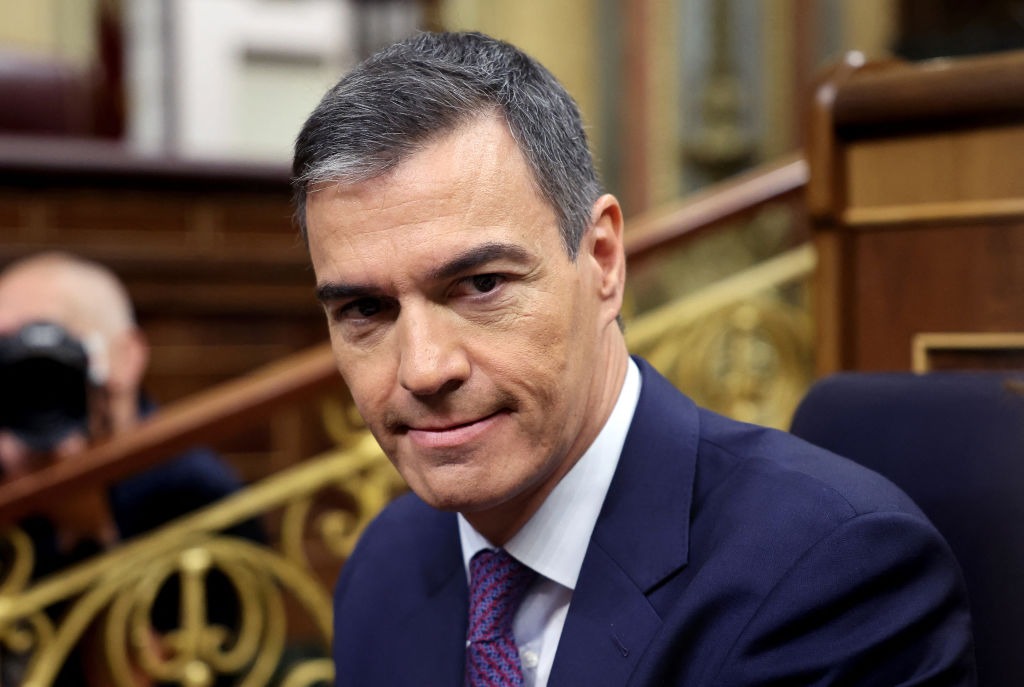
Premier Hiszpanii Pedro Sánchez. (Zdjęcie: Thomas Coex/AFP za pośrednictwem Getty Images)


Rząd Hiszpanii: wymyka się spod kontroli

Drieu Godefridi
Tłumaczenie: Andrzej Koraszewski


Z powodu korupcji i radykalizacji rząd Hiszpanii wydaje się tracić kontrolę.

W 1936 roku Hiszpania pogrążyła się w wojnie domowej. Dumny naród zapadł się w wir przemocy, ognia i zniszczenia. Hiszpańska wojna domowa, która przeciwstawiła zdominowaną przez komunistów republikańską lewicę autorytarnej nacjonalistycznej prawicy, pochłonęła około pół miliona istnień ludzkich. Księży ciągano po ulicach, bito i okaleczano — odcinano im uszy, nosy, a nawet genitalia — po czym rozstrzeliwano lub podcinano gardła. Zakonnice gwałcono przed egzekucją, co udokumentowano w kilku regionach kraju. Kościoły podpalano wraz z duchownymi znajdującymi się w środku. W wielu miejscowościach milicjanci zmuszali księży do picia oleju silnikowego lub benzyny, po czym palili ich żywcem. Prawica, nie chcąc pozostać w tyle, była równie bestialska.

Niemal sto lat później, gdy można by mieć nadzieję, że rany te wreszcie się zagoiły, polityczne i kulturowe linie podziału znów się otwierają. Polaryzacja osiągnęła poziom rzadko widziany od czasu hiszpańskiej transformacji demokratycznej.

1. Pierwotna trauma hiszpańskiej lewicy

Hiszpańska wojna domowa w pamięci zbiorowej Hiszpanii pozostaje otwartą raną. Dla znacznej części hiszpańskiej “lewicy” — opowiadającej się za prawami pracowniczymi, krótszym tygodniem pracy, prawami kobiet i osób transpłciowych, redukcją emisji dwutlenku węgla — dominującą narracją pozostaje wizja zdradzonej rewolucji, zawłaszczonej przez faszyzm, wciąż niedokończonej i nigdy nie naprawionej. Ten historyczny resentyment przekazywany jest z pokolenia na pokolenie niczym akt wiary. Dziś, pod rządami premiera Pedra Sáncheza i jego koalicji, sprawującej władzę przy wsparciu skrajnej lewicy, resentyment ten powraca w formie rewizjonizmu historycznego.

Czy nieustanne przywoływanie upiorów przeszłości — posunięte aż do ekshumacji szczątków Francisco Franco, w bezpośrednim nawiązaniu do praktyk z czasów wojny domowej, gdy komuniści z zapałem bezczeszczili groby swoich rzekomych “wrogów klasowych” — nie grozi odrodzeniem nienawiści i przemocy minionych czasów?

2. Lewica bez kompasu: ideologiczne sieroctwo

Hiszpańska lewica radykalizuje się właśnie dlatego, że wyczerpały się jej idee. Marksizm, przez długi czas doktrynalny kręgosłup światowej lewicy, utracił wszelką wiarygodność wraz z implozją ZSRR, pośród odoru kapusty i trupów. Hiszpania nie jest wyjątkiem. Pozbawiona tego ideologicznego fundamentu, hiszpańska lewica znalazła się bez kompasu.

Przed wyborami w lipcu 2023 r. Sánchez obiecywał ambitny program postępowy: masową budowę mieszkań publicznych, skrócenie tygodnia pracy do 37,5 godziny, znaczne podwyżki płacy minimalnej, skrócenie kolejek do świadczeń zdrowotnych poprzez wprowadzenie wiążących maksymalnych terminów oczekiwania, bezpłatny transport publiczny dla młodzieży oraz rozszerzenie publicznej edukacji. Kluczowe jest to, że realizacja tych sztandarowych obietnic pozostaje do dziś znikoma: praktycznie nie wybudowano nowych mieszkań publicznych, ceny szybują w górę, projekt skrócenia tygodnia pracy upadł w parlamencie, realne płace zostały nadwyrężone przez inflację, a chroniczne kolejki w służbie zdrowia pozostają bez zmian.

Hiszpańska Socjalistyczna Partia Robotnicza (PSOE) Sáncheza, niegdyś zakorzeniona w umiarkowanej, reformatorskiej socjaldemokracji, stopniowo przeszła na strategię czystego politycznego przetrwania. Aby utrzymać się przy władzy, najpierw sprzymierzyła się z Podemos, a następnie z Sumar — dwiema skrajnie lewicowymi partiami, skoncentrowanymi na poparciu dla Palestyńczyków, sprzeciwie wobec NATO i pobłażliwości wobec Rosji — a także z ruchami separatystycznymi. W ten sposób PSOE rozmyła swoją pierwotną, umiarkowaną wizję reformatorską poprzez jawny oportunizm, poświęcając spójność doktrynalną na rzecz wątpliwych sojuszy.

3. Worek niespójnych dogmatów

Pozbawiona marksizmu, hiszpańska lewica znalazła schronienie w rozproszonym, ideologicznym zbiorze: radykalnym ekologizmie, pobłażliwej uległości wobec islamu politycznego, demontażu granic, bezwarunkowym poparciu dla Palestyńczyków przeciwko Izraelowi – wszystko to spiętrzone w nieprawdopodobną i niespójną magmę. Dochodzą do tego powracające nuty antysemityzmu w lewicowym dyskursie — można tu przywołać zwłaszcza Yolаndę Díaz, sprawiającą wrażenie osoby w stanie klinicznej histerii, której twarz wyraźnie wykrzywia się w chwili, gdy wymawia słowo “izraelski”.

Radykalizując się w każdej kwestii, lewica podsyca gniew prawicy, klasy średniej oraz rosnącej części społeczeństwa, która czuje się marginalizowana, pogardzana i wyobcowana we własnym kraju.

4. Reżim przesiąknięty korupcją?

Rząd Sáncheza ma jeszcze jeden powód, by sprzymierzać się z dżihadystami: skandale korupcyjne, które objęły nawet najbliższą rodzinę premiera.

Najpierw skandal Koldo-Ábalos dotyczący nieprawidłowych kontraktów publicznych, nielegalnych prowizji i łapówek związanych z umowami na roboty publiczne, o łącznej wartości kilkuset milionów euro. Kilka osób jest szczególnie uwikłanych. Były minister transportu José Luis Ábalos, bliski sojusznik Sáncheza, przebywa w areszcie tymczasowym pod zarzutami udziału w zorganizowanej grupie przestępczej, korupcji, sprzeniewierzenia środków oraz płatnej protekcji.

Koldo García, były doradca Ábalosa, jest centralną postacią tego procederu. On również przebywa w areszcie tymczasowym i jest objęty postępowaniem karnym. Santos Cerdán, były sekretarz organizacyjny PSOE i następca Ábalosa, jest objęty śledztwem i został zatrzymany w związku z korupcją przy kontraktach na roboty publiczne. Guardia Civil bada 22 kontrakty o wartości 355 mln euro, które rzekomo manipulowano poprzez faworyzowanie wybranych podmiotów.

Do tego dochodzą sprawy dotyczące samej rodziny Sáncheza. Begoña Gómez, jego żona, została formalnie oskarżona o płatną protekcję, korupcję w biznesie, sprzeniewierzenie środków publicznych, przywłaszczenie oraz nielegalne wykonywanie zawodu regulowanego — w sprawie wszczętej w kwietniu 2024 r. W sierpniu 2025 r. śledztwo rozszerzono na jej doradczynię Cristinę Álvarez.

Śledztwo w sprawie Gómez zostało przedłużone co najmniej do kwietnia 2026 r. i nadal prowadzone są czynności, w tym w lutym 2026 r. wystąpiono do Ministerstwa Spraw Wewnętrznych o rejestry podróży Gómez i Álvarez od 2018 r. (obejmujące takie kierunki jak Dominikana, Kongo, Gwinea i Rosja), dostęp do e-maili oraz raporty Guardia Civil.

David Sánchez, brat premiera, również jest objęty postępowaniem karnym — za płatną protekcję i nadużycia w związku z jego zatrudnieniem w Radzie Prowincji Badajoz. “Premier stoi w tym roku w obliczu wielu wyzwań prawnych, które mogą doprowadzić do upadku jego rodziny, jego partii i jego rządu” — podsumowuje hiszpański dziennik “El Mundo”.

5. Ideologiczna junta radykalizująca się, by przetrwać

Szczyt radykalizacji hiszpańskiej lewicy osiągnięto w styczniu 2026 r., gdy dekretem zalegalizowano od 500 tysięcy do miliona nielegalnych imigrantów. Choć przedstawiano to jako działanie humanitarne i gospodarcze, ta lekkomyślna decyzja wywołała powszechne oburzenie wśród Hiszpanów. Partia Vox określiła to jako potężny “czynnik przyciągający”, który nieuchronnie sprowadzi miliony kolejnych nielegalnych imigrantów. Usługi publiczne, już teraz poważnie przeciążone, znajdują się na skraju załamania. Rozległe obszary terytorium Hiszpanii dodatkowo dryfują w stronę islamskiego środowiska kulturowego.

Zmierzając ku punktowi bez powrotu?

Sygnały ostrzegawcze się mnożą. Straumatyzowana swoją historią, osaczona przez wymiar sprawiedliwości i pozbawiona ideologicznych punktów odniesienia, hiszpańska lewica wydaje się zamykać w radykalnych dogmatach i przyjmować coraz bardziej dzielącą społeczeństwo politykę jedynie po to, by utrzymać się przy władzy.


Zawartość publikowanych artykułów i materiałów nie reprezentuje poglądów ani opinii Reunion’68,
ani też webmastera Blogu Reunion’68, chyba ze jest to wyraźnie zaznaczone.
Twoje uwagi, linki, własne artykuły lub wiadomości prześlij na adres:
webmaster@reunion68.com


The United Nations’ false equation


The United Nations’ false equation

Fiamma Nirenstein


The placement of Israel on a U.N. blacklist alongside Hamas and ISIS marks a new low in the campaign to delegitimize the Jewish state.

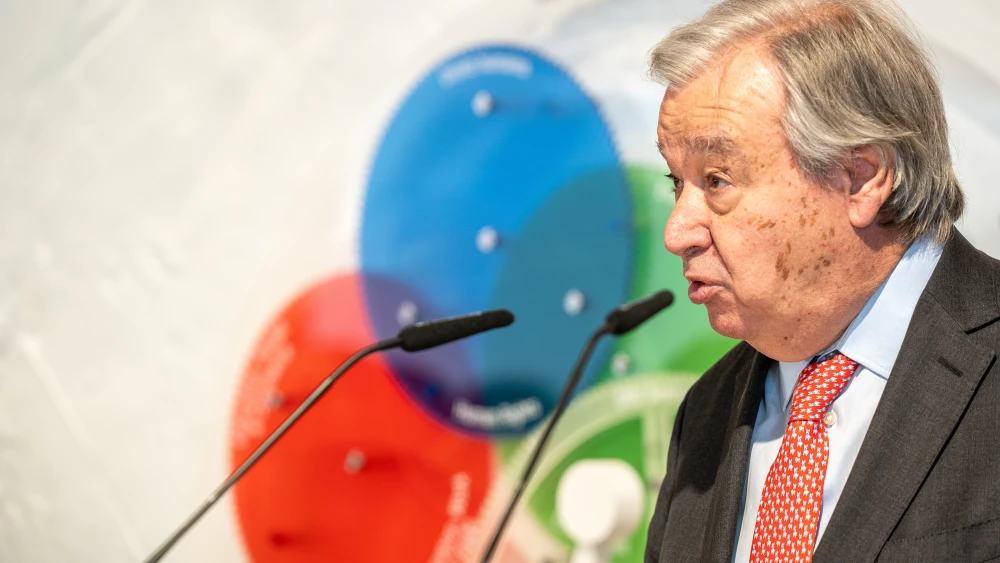
U.N. Secretary-General António Guterres attends a reception hosted by Ignazio Cassis (not pictured), vice president and head of the Federal Department of Foreign Affairs of Switzerland, to mark the completion of the Portail des Nations in Geneva, Feb. 23, 2026. Credit: Elma Okic/U.N. Photo.

On Oct. 7, 2023, Hamas employed sexual violence as a weapon in the orders issued by its then-leader, Yahya Sinwar. It was used against women, men and children, and later against hostages held in Gaza. Rape was often accompanied by mutilation and murder. All of this is documented in thousands of records, videos filmed by Hamas itself, firsthand testimonies and accounts from those who collected the remains—often only fragments of bodies.

Having visited the kibbutzim immediately after the massacre, I encountered the evidence firsthand.

Now the United Nations has once again demonstrated its moral failure, completing a campaign against Israel that began with the infamous 1975 resolution equating Zionism with racism. Israel has now been placed on the same blacklist as Hamas and ISIS for allegedly committing sexual violence in conflict.

As if such crimes were an intrinsic characteristic of the Jewish state. As if Israeli military and civilian law did not severely punish sexual violence. Indeed, one of Israel’s most controversial recent scandals involved the detention of five reservists over allegations of abuse at Sde Teiman, where many of the Oct. 7 perpetrators are imprisoned.

Many Israelis viewed the case as an example of judicial and media overreach, but the fact remains that allegations were investigated. Sexual violence is recognized as one of the most serious forms of dehumanization, attacking the body, identity and human dignity of its victims.

The accusation against Israel is itself a form of moral criminalization. As his tenure draws to a close, U.N. Secretary-General Antonio Guterres is leaving behind an international organization that has effectively joined the campaign against Israel, aligning itself with anti-Western forces that seek the Jewish state’s elimination.

Israeli journalist Amit Segal recently suggested examining the record of the U.N.’s so-called special rapporteurs. Francesca Albanese, who routinely portrays Israel as the source of the world’s ills, hardly requires further discussion. But consider Reem Alsalem, who refused to investigate the mass sexual atrocities committed in Israel and claimed there was “no evidence” of such crimes.

Or Michael Fakhri, the U.N. Special Rapporteur on the Right to Food, who led accusations that Israel was causing famine in Gaza while ignoring the hundreds of aid trucks entering the Gaza Strip daily—many of whose contents were routinely seized by Hamas—and overlooking the starvation endured by Israeli hostages.

Then there is Tlaleng Mofokeng, the U.N. Special Rapporteur on Health, who has argued that Hamas is not a terrorist organization and that armed struggle is not a crime.

The New York Times added fuel to the fire with an article written by Nicholas Kristof built in part on testimony from a member of the Euro-Mediterranean Human Rights Monitor, an organization whose leadership includes figures closely linked to Hamas. The article revived accusations of sexual abuse against Palestinian prisoners, including sensational claims involving attack dogs.

The false equivalence is staggering. It is the same equivalence used by the International Criminal Court when it placed Israeli Prime Minister Benjamin Netanyahu and former Defense Minister Yoav Gallant in the same category as Sinwar. Israel is portrayed as Hamas. Or worse, as Nazis.

This colossal lie, especially when spread by the United Nations, poisons the world.


Fiamma Nirenstein is an Italian-Israeli journalist, author and senior research fellow at the Jerusalem Center for Security and Foreign Affairs (JCFA). An adviser on antisemitism to Israel’s Ministry of Foreign Affairs, she served in the Italian Parliament (2008-2013) as vice president of the Foreign Affairs Committee. A founding member of the Friends of Israel Initiative, she has written 15 books, including October 7, Antisemitism and the War on the West, and is a leading voice on Israel, the Middle East, Europe and the fight against antisemitism.


Zawartość publikowanych artykułów i materiałów nie reprezentuje poglądów ani opinii Reunion’68,
ani też webmastera Blogu Reunion’68, chyba ze jest to wyraźnie zaznaczone.
Twoje uwagi, linki, własne artykuły lub wiadomości prześlij na adres:
webmaster@reunion68.com


Assad Regime Remnants on the Ground in Lebanon Helping Hezbollah


Assad Regime Remnants on the Ground in Lebanon Helping Hezbollah

Ailin Vilches Arguello


Hezbollah fighters walk near a military tank in Western Qalamoun, Syria, Aug. 23, 2017. Photo: REUTERS/Omar Sanadiki

Senior officers from the former Assad regime in Syria are currently in neighboring Lebanon helping the terrorist group Hezbollah, raising tensions between Damascus and Beirut as the two governments seek to deepen their fragile cooperation.

The extensive coordination between Iran-backed Hezbollah and remnants of Assad’s security apparatus, which was also supported by the Iranian regime until its fall, has fueled fears of an emerging dynamic that could undermine Syria’s new government and deepen regional instability.

Last week, Lebanese Prime Minister Nawaf Salam met with Syrian President Ahmed al-Sharaa in Damascus as the two countries work to expand bilateral cooperation and engagement, with talks centered in part on former Syrian regime figures in Lebanon amid fears of emerging forces that could destabilize the new government.

Following the fall of long-time Syrian dictator Bashar al-Assad in December 2024, many officials in his regime are believed to have fled to or sought refuge in Lebanon, a development that has intensified diplomatic friction and security tensions between Damascus and Beirut.

Hundreds of pro-Assad military and intelligence officers and other security officials had reportedly entered the country through illegal border crossings in the Bekaa Valley in eastern Lebanon and via northern border regions.

In an interview with Saudi broadcaster Al Arabiya, Salam dismissed claims that most senior Assad-era officials have sought refuge in the country, while reaffirming the government’s commitment to help preserve Syria’s security interests.

“Most are in Russia and other countries, with just a small number still on Lebanese soil. But the government will work to ensure Beirut is not used as a base to undermine Damascus or to facilitate any political or military activity against it,” the Lebanese leader said.

During last week’s talks, Lebanese and Syrian officials agreed that any extradition of anti-regime forces would proceed under a joint legal framework to be coordinated through the justice and interior ministries in both countries.

The Syrian government has urged Lebanese authorities to arrest and extradite former Assad-era officers amid fears they are joining forces with Hezbollah and allied Alawite networks, where they have reportedly found refuge as part of a renewed effort to destabilize the country.

“We will not allow anyone on Lebanese soil to act against the Syrian government,” a Lebanese security source told Al Arabiya. “Lebanon will never serve as a platform for remnants of the former regime or militias operating against Arab states.”

Last year, al-Sharaa became Damascus’s president after leading the rebel campaign that ousted Assad, whose Iran-backed rule had strained ties with the Arab world during the nearly 14-year Syrian war, with an offensive spearheaded by al-Sharaa’s Islamist Hayat Tahrir al-Sham (HTS) group, a former al-Qaeda affiliate.

After years of intervening in Syria’s civil war to support Assad, the Lebanese terrorist group Hezbollah significantly expanded its political and military influence across the country as Iran’s chief proxy force.

However, the fall of Assad’s regime cut off Hezbollah’s key overland supply corridor through Syria, dealing a major setback to Iran’s “Axis of Resistance” and disrupting one of the group’s most vital strategic lifelines.

According to intelligence assessments, Assad regime supporters who fled into Lebanon have not simply gone into exile but are believed to have formed an organized network described by Syrian officials as the “operational brain” of Assad’s army on Lebanese territory, according to Arab and Israeli reports.

More than 200 former officers and senior figures from Assad’s military and intelligence apparatus have reportedly taken refuge in Hezbollah strongholds and heavily Alawite areas in northern Lebanon, where, Syrian officials warn, they are working to preserve the military infrastructure and strategic assets of the Iran-backed Shiite axis.

Arab media networks report that Hezbollah has provided former regime officers with protection and safe houses in exchange for intelligence expertise and operational support, aimed at helping establish armed cells and Alawite militias inside Lebanon.

Recently, Syrian authorities identified a covert Hezbollah-linked network allegedly plotting attacks against senior figures in the new Syrian government, with Damascus suspecting exiled Assad-era officers based in Lebanon are playing a central role in efforts to undermine the country’s stability.

Last week, Syria stopped a Hezbollah terrorist cell that was plotting to assassinate senior government officials, according to the Syrian Interior Ministry. With raids at multiple locations, Syrian security forces made 11 arrests and seized a cache of weaponry.

In April, the same Interior Ministry announced five arrests in another assassination attempt plotted by Hezbollah. The terrorists targeted Rabbi Michael Khoury in Damascus, with authorities identifying a woman who attempted to plant an explosive outside his home. The suspects later confessed to authorities they had drones supplied by Hezbollah they intended to use in an attack.


Zawartość publikowanych artykułów i materiałów nie reprezentuje poglądów ani opinii Reunion’68,
ani też webmastera Blogu Reunion’68, chyba ze jest to wyraźnie zaznaczone.
Twoje uwagi, linki, własne artykuły lub wiadomości prześlij na adres:
webmaster@reunion68.com