Archive | 2026/06/10

Jesteśmy świadkami procesu, który można określić jako postępującą de-judaizację Treblinki [Grabowski i Janicka]

Dr hab. Elżbieta Janicka i prof. Jan Grabowski protestują w Obozie Zagłady w Treblince, 8 czerwca 2026 r. fot. Jan Grabowski, archiwum prywatne


Jesteśmy świadkami procesu, który można określić jako postępującą de-judaizację Treblinki [Grabowski i Janicka]

Jan Grabowski Elżbieta Janicka


Jeśli pozwolimy, by zniekształcenia historii zakorzeniły się w takich miejscach jak Treblinka, otworzymy drogę dla dalszego jej negowania i wypaczania Zagłady – czytamy w oświadczeniu odczytamym dziś na terenie obozu zagłady w Treblince.

Przeciwko zakłamywaniu Zagłady w Treblince

Nasz protest w Treblince wynika z niezgody na zniekształcanie i zacieranie prawdy historycznej w jednym z najważniejszych miejsc Zagłady. Treblinka nie jest abstrakcyjnym symbolem — to miejsce, w którym naziści zamordowali 900 000 Żydów, a tysiące kolejnych cierpiały i ginęły z ich rąk w warunkach skrajnego okrucieństwa. Każda próba zaciemniania tej rzeczywistości podważa zarówno rzetelność historyczną, jak i odpowiedzialność moralną. 

Jesteśmy świadkami procesu, który można określić jako postępującą de-judaizację Treblinki. Przejawia się ona w takim przedstawianiu historii, które umniejsza lub pomija centralne znaczenie żydowskiego losu. W szczególności ukazywanie Treblinki I (obozu pracy) — jako miejsca chrześcijańskiego męczeństwa zniekształca stan badań. O ile wśród ofiar tego obozu byli także Polacy i Romowie, to zdecydowaną większość więźniów i ofiar Treblinki I stanowili Żydzi — około 10-12 000 osób, wobec kilkuset ofiar polskich. Pomijanie tego faktu lub odwracanie tej proporcji nie jest kwestią interpretacji, lecz fałszowaniem historii.

Równie niedopuszczalny jest pomnik wzniesiony w 2021 roku przez Instytut Pileckiego, upamiętniający Polaka, który rzekomo zginął za to, że – jakoby z altruizmu – podawał wodę Żydom przewożonym na śmierć. Narracja ta promuje obraz altruizmu, który nie znajduje potwierdzenia w dowodach historycznych. Wręcz przeciwnie, zeznania żydowskich ocalałych ujawniają haniebną praktykę: wodę sprzedawano po wygórowanych cenach, czerpiąc zyski z ludzkiego cierpienia. Wznoszenie na piedestał nieudokumentowanej historii heroizmu, przy jednoczesnym lekceważeniu zeznań ocalałych i głosów Polaków, którzy się z nimi zgadzają, grozi zastąpieniem udokumentowanej historii wygodnym mitem.

Nasz protest dotyczy także nowo wzniesionego pomnika na terenie Treblinki I, upamiętniającego „49 osób nieznanej narodowości i wyznania”. Również napisy informacyjne w tym miejscu nie wspominają o żydowskich ofiarach. Odmawianie żydowskiej tożsamości najliczniejszej grupie ofiar Treblinki I przejawia się ponadto w zapełnieniu tamtejszego Miejsca Straceń krzyżami, i to wobec znaczenia krzyża w historii antysemityzmu oraz osiągniętej przed laty – w Muzeum Auschwitz-Birkenau – zgody co do usunięcia symboli religijnych z miejsca kaźni Żydów.

Protestujemy również przeciwko dalszej obecności na terenie obozu zagłady Treblinka II napisów upamiętniających zniszczenie takich społeczności żydowskich jak Radziłów czy Jedwabne. Żydowscy mieszkańcy tych miejscowości zostali zamordowani w tychże miejscowościach — przez swoich polskich sąsiadów — a nie w Treblince. Pamięć o ich losie jest konieczna, jednak ich upamiętnianie w tym miejscu w taki sposób prowadzi do zacierania historycznych realiów i zaciemniania rzeczywistej geografii oraz mechanizmów Zagłady.

Wreszcie sprzeciwiamy się wznoszonej „Ścianie Imion”. Jak dobrze wiadomo historykom, zdecydowana większość Żydów zamordowanych w komorach gazowych Treblinki nigdy nie została ujęta na listach deportacyjnych, a w wielu przypadkach ich tożsamości nie da się odtworzyć. Współczesne próby tworzenia list ofiar nie dają się pogodzić z rzeczywistym stanem wiedzy historycznej, pozwalają za to tuszować realia Zagłady w Polsce. Upamiętnienie musi pozostać wierne zarówno skali, jak i charakterowi zbrodni, oraz granicom naszej wiedzy.

Nie negujemy cierpienia nieżydowskich ofiar ani nie sprzeciwiamy się narracji inkluzywnej. Jednak inkluzywność nie może odbywać się kosztem prawdy. Rzetelność historyczna wymaga jasnego wskazania, kim były ofiary, dlaczego zostały wybrane, jak i przez kogo zostały zamordowane. Treblinka powinna przede wszystkim pozostać miejscem, które wiernie oddaje zagładę życia żydowskiego.

Jeśli pozwolimy, by zniekształcenia historii zakorzeniły się w takich miejscach jak Treblinka, narazimy na szwank nasze zbiorowe rozumienie Zagłady i otworzymy drogę dla dalszego jej negowania i wypaczania. W imię społecznej odpowiedzialności nauki i elementarnej sprawiedliwości wzywamy do poszanowania historii opartej na źródłach, szacunku dla świadectw ocalałych oraz jednoznacznego uznania żydowskich ofiar, których los stanowi istotę znaczenia tego miejsca.

Treblinka, 8 czerwca 2026

Prof. Jan Grabowski

Dr. hab. Elżbieta Janicka


Zawartość publikowanych artykułów i materiałów nie reprezentuje poglądów ani opinii Reunion’68,
ani też webmastera Blogu Reunion’68, chyba ze jest to wyraźnie zaznaczone.
Twoje uwagi, linki, własne artykuły lub wiadomości prześlij na adres:
webmaster@reunion68.com


Renewing Military Strikes Against Iran Is the Only Way to End Its Nuclear Ambitions


Renewing Military Strikes Against Iran Is the Only Way to End Its Nuclear Ambitions

Con Coughlin


  • American military historian Victor Davis Hanson… suggested that Iran’s excuses might actually be an ever-extending “good cop-bad cop” routine, whereby the good cops, the negotiators, make acceptable proposals — to be shot down immediately by the bad cops, General Ahmad Vahidi and other members of Iran’s ruling Islamic Revolutionary Guard Corps (IRGC).
  • Above all, Hanson stressed, the current rulers appear determined to remain in power at any “level” to be able to claim victory over Trump and the American “Great Satan.”
  • [T]he intransigence of Iranian leaders could ultimately persuade him that, in order to ensure the Iranians have no chance of resuming their nuclear and ballistic missile programme, he has no alternative but to resume military action against the regime.

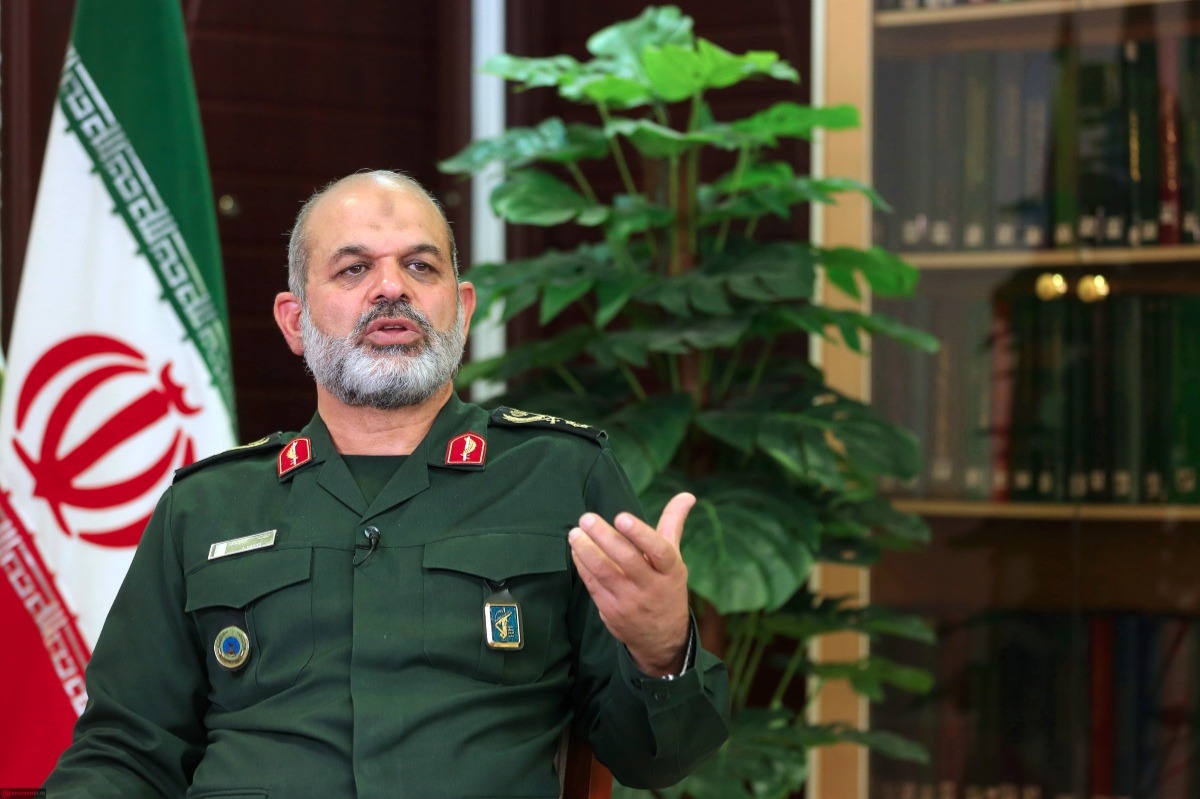
American military historian Victor Davis Hanson… suggested that Iran’s excuses might actually be an ever-extending “good cop-bad cop” routine, whereby the good cops, the negotiators, make acceptable proposals — to be shot down immediately by the bad cops, General Ahmad Vahidi and other members of Iran’s ruling Islamic Revolutionary Guard Corps (IRGC). Pictured: Vahidi on October 27, 2020. (Photo by Office of the Supreme Leader of Iran)

In the seemingly endless to and fro over the Trump administration’s attempts to negotiate a peace deal with Tehran, the one red line upon which there can be no hint of compromise is US President Donald J. Trump’s insistence that the ayatollahs will never be allowed to acquire nuclear weapons.

While speculation continues to mount that a deal to end the three-month conflict between Iran and the US is in the offing, it is clear that Iran is still resisting demands that it surrender the estimated 970 pounds of enriched uranium — whose main utility is for the production of nuclear warheads.

Trump’s insistence that he would not sign any deal that enabled Tehran to continue work on its nuclear programme was very much in evidence following a meeting of senior administration officials in the Situation Room last week to discuss the draft Memorandum of Understanding that has been drawn up between Washington and Tehran.

Claims that the final stages of a deal are being negotiated have already prompted the price of oil to fall below $100 a barrel in recent days, amid hopes that the months-long closure of the Strait of Hormuz, which has adversely impacted the global economy, is coming to an end.

Despite the mounting optimism a deal could soon be concluded, it is clear that Trump still remains sceptical about the deal, and remains concerned that the Iranians are indulging in their long-established custom of playing for time in the hope that they can secure a better deal.

In a sign of Trump’s deepening frustration with the process to sign a deal, whereby the two sides would observe a 60-day ceasefire while other issues, such as the nuclear programme, are finalised, the president took to social media to reaffirm his key red lines.

In a post on Truth Social, Trump had said Iran “must” open the Strait of Hormuz, agree they will never have a nuclear weapon and that Tehran’s stockpile of highly enriched uranium should be “DESTROYED”.

A White House official confirmed the president’s determination to hold for a deal that ends Iran’s nuclear ambitions once and for all, commenting that Trump “will only make a deal that is good for America, satisfies his red lines, and makes sure Iran can never possess a nuclear weapon.”

Treasury Secretary Scott Bessent also insisted that Trump would not agree to any deal unless Iran reopens the Strait of Hormuz, gives up highly enriched uranium and agrees not to pursue a nuclear weapon.

As he considers his next steps, Trump will also need to take into account the recent warning made by General Jack Keane (ret.) during a recent interview with Fox News that Iran has a history of making deals and then not abiding by them, as happened after Tehran signed then US President Barack Obama’s flawed JCPOA “nuclear deal” in 2015.

Despite agreeing to freeze its nuclear programme, the regime continued to conduct research on producing weapons-grade enriched uranium.

To ensure Iran cannot engage in similar tactics in the event of a new deal being signed with the Trump administration, the president has asked his negotiating team to make a number of important changes to the clauses regarding Iran’s nuclear programme.

In its current form, the Memorandum of Understanding merely includes a vague commitment from Iran that it will not pursue a nuclear weapon, an undertaking that hardly inspires confidence that Iran is serious about ending its nuclear ambitions for good.

A senior Trump administration official told Axios that Trump had asked his team to amend the timetable of the nuclear talks, in which the US seeks to remove about 10 warheads’ worth of highly enriched uranium that Iran has amassed. Trump wants “more specifics about how the US gets the material and the timing,” the official was quoted as saying.

The material is thought to have been buried after the US hit key Iranian nuclear sites during the June 2025 Israel-Iran war.

According to the official, the Iranians would need about three days to get back to Trump because “they’re literally in caves and they’re not using email.”

Washington is “willing to wait so the president gets what he asks for,” the official said. “It could be a week. It could be less. It could be more. At the turn of the week, we hope to have something.”

American military historian Victor Davis Hanson, however, regretting that the US has already lost two months, suggested that Iran’s excuses might actually be an ever-extending “good cop-bad cop” routine, whereby the good cops, the negotiators, make acceptable proposals — to be shot down immediately by the bad cops, General Ahmad Vahidi and other members of Iran’s ruling Islamic Revolutionary Guard Corps (IRGC).

Above all, Hanson stressed, the current rulers appear determined to remain in power at any “level” to be able to claim victory over Trump and the American “Great Satan.”

Other issues that are said to be holding up the negotiations are disputes over Iranian attempts to control shipping in the Strait of Hormuz, as well as Tehran’s insistence that a ceasefire in Lebanon be included in any deal to end the Iran war.

The prospects of any deal being concluded quickly, though, remain open to question in view of statements made by Iranian officials, who insist that the Memorandum of Understanding contains no demands for Tehran to make nuclear concessions, nor a commitment for Tehran to reopen the Strait of Hormuz.

With the American president continuing to insist he is under no pressure to reach a deal with Tehran, the intransigence of Iranian leaders could ultimately persuade him that, in order to ensure the Iranians have no chance of resuming their nuclear and ballistic missile programme, he has no alternative but to resume military action against the regime.


Con Coughlin is the Telegraph‘s Defence and Foreign Affairs Editor and a Distinguished Senior Fellow at Gatestone Institute.


Zawartość publikowanych artykułów i materiałów nie reprezentuje poglądów ani opinii Reunion’68,
ani też webmastera Blogu Reunion’68, chyba ze jest to wyraźnie zaznaczone.
Twoje uwagi, linki, własne artykuły lub wiadomości prześlij na adres:
webmaster@reunion68.com


British Museum Confirms New Date for Jewish Culture Month Event Initially Postponed Amid Fears of Protests


British Museum Confirms New Date for Jewish Culture Month Event Initially Postponed Amid Fears of Protests

Shiryn Ghermezian


May 6, 2026, London, England, United Kingdom: General view of the British Museum. Photo: ZUMA Press Wire via Reuters Connect

The British Museum has rescheduled a Jewish Culture Month event initially postponed due to concerns that the gathering would be disrupted by protesters.

A lecture on the ancient history of Israel and Judah was originally scheduled to take place on Thursday at the museum’s BP Lecture Theatre, but the museum canceled the event less than 24 hours before it was set to begin.

Ticketholders were informed that the event was being postponed due to “security concerns,” and the museum then announced on Thursday that a new date has been confirmed for the lecture, which will now take place “early next month.” The talk will be given by Dr Paul Collins, the keeper of the museum’s Middle East department, who will examine the history of the ancient kingdoms of Israel and Judah through artifacts held by the museum.

“Booking details will be published on our website shortly. We expect strong demand and will also offer a livestream to make the event accessible to a wider audience,” the museum said in a statement. “A respectful and secure environment for our visitors, speakers, and colleagues remain our highest priority, and we are working closely with all relevant teams to ensure robust arrangements are in place, as would be expected for an event of this nature.”

“Exploring and understanding history lies at the heart of the British Museum’s mission,” the museum added. “We are proud to work with faith, community, and national organizations across a wide range of subjects and perspectives, and this event is no exception.”

The lecture was organized as part of the United Kingdom’s first ever Jewish Culture Month, which runs from May 16-June 16.

In a statement on Wednesday, the British Museum said that in days leading up to Thursday’s event, they were told a “significant proportion” of the registered attenders were “individuals intending to deliberately disrupt the event, preventing others from participating in good faith and undermining the purpose of the program.”

“The British Museum fully recognizes the importance of lawful protest and freedom of expression in a democratic society. Equally, we have a responsibility to ensure that events hosted within the museum can proceed safely, securely, and without intimidation for speakers, staff, and visitors alike,” the institution explained. It then stated that after discussing the matter with organizers and security partners, a “joint decision” was made to postpone the event “to a later date when it can take place in an environment that properly safeguards both the audience experience and the integrity of the program itself.”

“This decision was made to protect the event — not to diminish it,” the museum noted. It also said it will continue to support Jewish Culture Month “and remain committed to providing a space where history, culture, and scholarship can be explored openly, respectfully, and without disruption.”

Jewish Culture Month is a project of the Board of Deputies of British Jews. The organization said on Thursday it welcomed the British Museum’s update about a new date for the lecture. When the event was initially postponed by the museum, the Jewish group said it was “highly regrettable that individuals had sought to deliberately disrupt a Jewish culture month event celebrating Jewish cultural heritage.”

“We will not allow the actions of extremists to prevent the British public from enjoying these events,” the group added.

The British Museum did not publicly name who was planning to disrupt the lecture, but Jewish News reported that members of Jewish Artists for Palestine were among those registered to attend the event. After the museum canceled the gathering, Jewish Artists for Palestine released a statement in which members asked, “What is the purpose of holding a talk on such a controversial topic if not to invite questioning and debate?”

“That the British Museum deems such a debate a security concern points to the event as a pro-Zionist propaganda exercise,” the anti-Israel group claimed. “This was never meant to be a legitimate opportunity to engage the public in their work.” The activists called on the museum to “refuse to participate in the weaponization of archaeology practiced by the Israeli state” and to drop the British oil and gas giant BP as a sponsor of the museum because of the company’s alleged “complicity in genocide and ecocide.”

The museum’s initial decision to postpone the lecture was criticized by many observers in the UK, including Shadow Attorney General Lord Wolfson.

“The British Museum has canceled a Jewish Culture Month event on Ancient Israel and Judah due to ‘security concerns.’ If publicly-funded institutions cannot host such events without folding to pressure, serious questions arise about that funding,” he said. “I’ve no doubt that everyone has acted in good faith. But this is the wrong decision, at the wrong time, and sends precisely the wrong message,” he added.

The Jewish Leadership Council said “extremists and agitators who cannot see past their hatred should not be allowed to force British Jews to live smaller lives in this country, nor prevent us from sharing our culture and heritage with the wider British public. We fully support the efforts by the British Museum and Board of Deputies to ensure this important event can be rearranged.”

“The Prime Minister recently talked about how Jewish people are being bullied out of the arts: now we’re seeing it at the country’s leading museum,” said the British charity Campaign Against Antisemitism. “We are still waiting for some brave institution to stand up and say that the Jew-hating mob will not win in their space. One wonders if there are any still left in modern Britain.”


Zawartość publikowanych artykułów i materiałów nie reprezentuje poglądów ani opinii Reunion’68,
ani też webmastera Blogu Reunion’68, chyba ze jest to wyraźnie zaznaczone.
Twoje uwagi, linki, własne artykuły lub wiadomości prześlij na adres:
webmaster@reunion68.com