
Archive | 2026/06/26

Paryski ratusz oklaskuje Palestynę ma stojąco


Paryski ratusz oklaskuje Palestynę ma stojąco

Anna Grabowska (Anne Goldschmid)


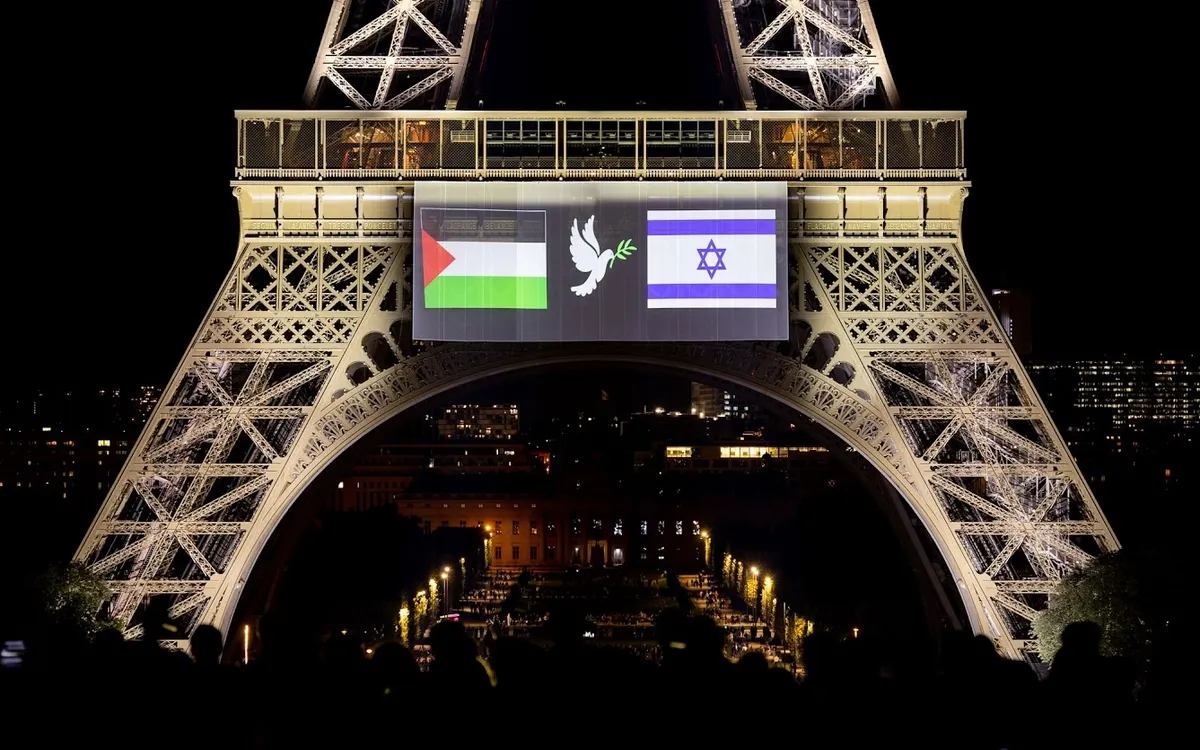
Rada Paryża przyjęła uchwałę o przyznaniu honorowego obywatelstwa cywilnym mieszkańcom Gazy oraz Judei i Samarii, czyli obszaru najczęściej określanego w języku międzynarodowym jako Zachodni Brzeg Jordanu, a także palestyńskim dziennikarzom pracującym w strefach konfliktu. Dokument 2026 DGRI 31 został przez miasto opakowany jako “akt pokoju”. Jakże pięknie, Paryż w ogóle ma wielki talent do pięknych słów, zwłaszcza wtedy, gdy można je wygłosić tysiące kilometrów od własnego bałaganu.

Jednak po zdjęciu ozdobnego papieru zostaje politycznie ustawiona i selektywna uchwała. Warto zapoznać się z tekstem, mówi on o palestyńskich cywilach, Gazie, Judei i Samarii, dziennikarzach, prawach człowieka, katastrofie humanitarnej i odpowiedzialności Izraela. Co prawda wspomina 7/10 oraz terrorystyczne ataki Ham*su, lecz zaraz potem przesuwa ciężar całej opowieści w jedną stronę. Izrael według obowiązującej mody zostaje głównym oskarżonym. Palestyńczycy występują w dokumencie jako cierpiąca zbiorowość. Ham*s jest tylko brzydką plamą na dywanie w salonie – odnotowaną, po czym przykrytą kolorową ściereczką.

A Ham*s plamą na dywanie nie jest. Rządzi Gazą od 2007 roku, zbudował sobie aparat władzy w formie przemocy, kontroli i propagandy. Rozpoczął tę fazę wojny 7 października masakrą izraelskich cywilów, porwaniami, gwałtami, torturami i demonstracyjnym okrucieństwem. Wysuwa własną własnej ludność przed siebie, używając jej cierpienia jako politycznego paliwa, a jej śmierci jako argumentu przeciw Izraelowi. Wyrzucenie Ham*su z centrum opowieści o Gazie nie świadczy o delikatności, lecz o wyborze. Rada Paryża mogła przyjąć formułę obejmującą wszystkie cywilne ofiary tej wojny, czyli: izraelskich cywilów zamord*wanych 7/10, zakładników Ham*su, palestyńskich cywilów ginących w Gazie, dziennikarzy, dzieci, rodziny, ludzi wciągniętych w konflikt przez terrorystów i fanatyków. Taki wniosek również pojawił się w porządku obrad. Byłby jednak trudniejszy i mniej podatny na propagandowe zawłaszczenie. Rada wybrała gest bardziej efektowny.

Na sali była ambasador Palestyny we Francji. Według relacji prasowych została długo oklaskiwana. Ten obraz właściwie sam pisze akt oskarżenia. Proszę sobie wyobrazić – Paryski ratusz, elegancka ceremonia, długie brawa i gładkie słowa o pokoju. A w tym samym czasie od dwóch tygodni Francuzi wychodzą na ulice po gwał*ie i zabó*stwie Lyhanny, jedenastoletniej dziewczynki, której państwo nie ochroniło. Przed sądami, przed Ministerstwem Sprawiedliwości, w białych marszach, z gniewem wobec systemu, który miał sygnały, nazwiska, akta i przede wszystkim czas. Zabrakło mu tylko tego drobiazgu, bez którego państwo ze wszystkimi swoimi procedurami zostaje maszyną do produkowania spóźnionych komunikatów: działania.

Lyhanna została zgwał*ona i zamor*owana. Główny podejrzany, Jérôme Barella, nie spadł z nieba jak samotny potwór z policyjnego komunikatu. Francuskie media odtwarzają dziś wcześniejsze sygnały, skargi, alarmy, zaniechania i informacje krążące między instytucjami. Wcześniej matka innej dziewczynki, Rosy, złożyła skargę o gwał*y na małoletniej. Dziewczynka była przesłuchiwana, matka alarmowała. Przez 9 miesięcy podejrzany nawet nie został przesłuchany! Do francuskich służb trafiały także alerty z amerykańskiego Narodowego Centrum ds. Dzieci Zaginionych i Wykorzystywanych, znanego jako NCMEC. Przechodziły przez OFMIN, francuską policyjną jednostkę specjalizującą się w zwalczaniu przemocy seksualnej wobec małoletnich.

A więc Francja miała wszystko, co może mieć nowoczesne państwo: procedury, wydziały, kompetencje i całe to biurokratyczne umeblowanie, na którym urzędowy język siada z miną kogoś bardzo zajętego. Zabrakło decyzji, skuteczności i odruchu, który powinien być pierwszy, zanim zacznie się szukać właściwego formularza: jak by tu chronić dziecko.

Po śmierci Lyhanny ruszyła dobrze znana maszyneria spóźnionego państwa. Kontrole, zapowiedzi, inspekcje, wyjaśnienia, i komunikaty. Francja odzyskała głos wtedy, gdy dziecko już milczało. To jeden z najbardziej obrzydliwych mechanizmów instytucjonalnej kompromitacji: żywe dziecko nie przebija się przez procedury, martwe dziecko uruchamia konferencje prasowe.

I w tej właśnie rzeczywistości Rada Paryża produkuje symbol o Palestynie. Taka to hierarchia ważności.

Trudno o bardziej bezwstydne ustawienie ostrości. To prawda, że Palestyńscy cywile cierpią i dziennikarze w strefach wojny ryzykują życie. Nikt tu nie robi teatralnych uników. Jednak gdy lokalna władza odkrywa w sobie powołanie do globalnej wzniosłości, podczas gdy pod własnym oknem krzyczy sprawa zamord*wanego dziecka, to sama obnaża rozkład własnych instytucji. Po odnalezieniu ciała dziewczynki organizowano białe marsze i manifestacje przeciwko politykom i systemowi. Ludzie chcieli usłyszeć, dlaczego państwo, które miało sygnały, skargi, alerty i nazwisko podejrzanego, nie zadziałało. W tym samym czasie paryski ratusz urządzał swoją elegancką scenę współczucia: długie oklaski dla ambasador Palestyny i uchwała, w której Ham*s szybciutko znika w cieniu, izraelscy cywile stają się kłopotliwym dopiskiem a palestyńskie cierpienie zostaje przerobione na materiał do miejskiej autoprezentacji.

Francja lubi pouczać świat i często robi to z rozmachem. Ale państwo, które pragnie przemawiać w imieniu praw człowieka na Bliskim Wschodzie powinno najpierw umieć ochronić dziecko przed własnym drapieżnikiem. Samorząd znajdujący energię na symboliczne obywatelstwa dla odległych populacji mógłby znaleźć odrobinę zimnej odwagi wobec własnych instytucji. Paryżanie nie wybrali Rady Paryża do rozdawania światu certyfikatów czułości. Wybrali ją do zajmowania się miastem – bezpieczeństwem, szkołami, administracją i realnym życiem. Jeżeli radni mają nadmiar współczucia, mogą zacząć od francuskich dzieci. Jeżeli mają nadmiar odwagi, mogą domagać się rozliczenia prokuratur, policji, szkół, OFMIN i całego łańcucha, który zamienił ochronę dziecka w labirynt papierów. Jeżeli mają nadmiar czasu, mogą przestać urządzać spektakle o Gazie i spojrzeć na sprawę Lyhanny bez ochronnych rękawiczek.

Honorowe obywatelstwo dla palestyńskich cywilów nie ochroni ani jednego dziecka we Francji a owacje w ratuszu nie przykryją faktu, że system zawiódł tam, gdzie zawieść nie miał prawa. Słowa o pokoju nie zmienią tego, że dokument Rady Paryża został politycznie przechylony, a jego wielkoduszność okazała się zaskakująco wybiórcza. I żeby było jasne: ten tekst nie powstaje z pozycji prawicy. Krytyka lewicy, która urządza dziś teatr czułości wobec Palestyny i potrafi wygumkować Ham*s z obrazu wojny, nie oznacza zachwytu nad drugim obozem. Zdjęcia Bardelli z Nawrockim, Bosakiem i Kaczyńskim nie są żadnym kontrapunktem wobec skompromitowanej lewicy. Są drugim skrzydłem tej samej europejskiej katastrofy politycznej.

Jedni oklaskują Palestynę w paryskim ratuszu. Drudzy pozują z wielkimi słowami o prawie, sprawiedliwości, narodzie i wartościach, choć ich partie mają za sobą tyle brudu, że trudno udawać zachwyt nad świeżo wyprasowanym komunikatem prasowym.

Nie mam obowiązku wybierać między egzaltacją lewicy a cynizmem prawicy. Jestem proizraelska, ale nie jestem zakładniczką ani francuskiej ani polskiej prawicy. Wiem, skąd pochodzi partia Le Penów, i nie zapomnę tego tylko dlatego, że dziś mówi ciszej i ładniej się uśmiecha. Wiem też, co przez lata polska prawica robiła z prawem, instytucjami i słowem “sprawiedliwość”.

Mamy obrazek: Paryż oklaskuje Palestynę. Polska prawica fotografuje się z francuską prawicą. W tym samym czasie Francja sprząta po śmierci kolejnego dziecka, którego nie umiało ochronić własne państwo.

Piękny tydzień dla wszystkich zawodowych obrońców wartości. Jeden wart drugiego.

Sur ce, bon week-end!


Źródła:

https://www.paris.fr/…/la-citoyennete-d-honneur-de…

https://a06-v7.apps.paris.fr/…/odjcp/DoDownload.jsp…

https://www.leparisien.fr/…/trahison-ou-engagement-pour…

https://www.lemonde.fr/…/killing-of-lyhanna-what-we…

https://www.tf1info.fr/…/affaire-lyhanna-rien-n-a-ete…

https://www.lemonde.fr/…/affaire-lyhanna-jerome-barella…

https://notesfrompoland.com/…/french-nationalist…/


P.S. Od redakcji „Listów z naszego sadu”

Czytając tekst napisany w Paryżu możemy się zastanawiać w Dobrzyniu nad Wisłą, jak też mogłaby jakaś pani Holland, czy inna artysta znad Wisły pokazać się na francuskich salonach z jakimiś wątpliwościami, że może ten Izrael nie jest jakimś ludobójczym państwem i nie popełnia zbrodni wojennych broniąc się przed dziesiątkami tysięcy rakiet wystrzelonych przez pokojowych Palestyńczyków motywowanych religią pokoju. Pani Holland i jej podobni muszą przecie szczerze wierzyć, by nie zamknięto przed nimi tak ważnych dźwierzy.


Zawartość publikowanych artykułów i materiałów nie reprezentuje poglądów ani opinii Reunion’68,
ani też webmastera Blogu Reunion’68, chyba ze jest to wyraźnie zaznaczone.
Twoje uwagi, linki, własne artykuły lub wiadomości prześlij na adres:
webmaster@reunion68.com


No, Israel isn’t ‘deliberately targeting’ children in Gaza

No, Israel isn’t ‘deliberately targeting’ children in Gaza

Jonathan Sacerdoti


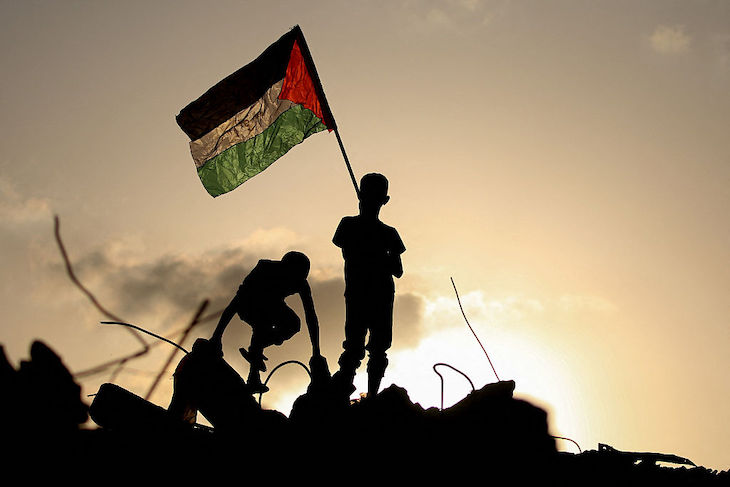
Palestinian children play in the Gaza Strip (Getty images)

Once again, a United Nations body has accused Israel of the gravest crimes imaginable: this time, the deliberate murder of children. And once again, when you actually open the report, the evidence simply isn’t there.

Hamas often uses minors as young as 16 as fighters

The UN’s Independent International Commission of Inquiry has published a 94-page paper claiming Israel “deliberately targeted” Palestinian children during the war in the Gaza Strip – language implying war crimes and crimes against humanity. These are among the most serious charges in international law. So you would expect, at minimum, one clearly documented case: a soldier who identified a child as a child, and killed that child for no reason other than that they were a child. After 94 pages, the Commission cannot produce one.

What it produces instead, according to a detailed rebuttal by the watchdog UN Watch, is a chain of assumptions dressed up as findings.

Take the report’s own marquee example, set out in its paragraphs 59-60: a ten-day-old baby allegedly shot through the head by an Israeli “quadcopter” while breastfeeding inside a tent in the Nuseirat camp in April 2024. The Commission’s reasoning, in its own words, is that because it happened in daylight, the drone operator “would have been able to see inside the tent” – and from that single inference it concludes the baby was deliberately targeted. For this to be true, a drone would have had to hover at ground level, see through canvas, pick out a 35-centimetre infant’s head, and fire a precision shot, all based on a photo of a bullet, with no chain of custody, no ballistics analysis, and no witness who even claims to have seen a drone. The same pattern recurs case after case: a family account, a doctor’s guess about which weapon caused a wound, and a conclusion of premeditated murder. Nothing connecting the dots.

There is one cited incident in the report which might at first seem more plausible, coming from a soldier’s own account, via a December 2024 Haaretz investigation, of the shooting of a Palestinian teenager near a restricted corridor in Gaza.

The Commission cites it as evidence of a culture targeting children. But the soldier’s actual testimony says otherwise: his unit shot the boy under a blanket order that “anyone crossing the line is a terrorist, no exceptions, no civilians” – opening fire before anyone could see who he was. Only afterward, retrieving his phone from the body, did they learn he was unarmed and “just a boy, maybe 16.”

This strategy came about because, tragically, Hamas often uses minors as young as 16 as fighters, and during this war has almost always dressed its fighters in civilian clothes, not uniform, even sending them unarmed to collect weapons hidden earlier on at their destination.

This made it extremely difficult for the Israeli army to differentiate between civilians and combatants, so lines were drawn and warnings not to cross them were issued. In these circumstances, some have argued that that Israel’s rules of engagement were reckless, or some of its soldiers were trigger-happy, resulting in too many innocent people being killed. But even that would not be evidence of a policy to murder children because they are children – the far graver charge the Commission is actually making.

The report leans heavily on doctors, who are, generally speaking, highly trusted members of society. But they are people trained to treat gunshot wounds, not to identify which weapon fired the bullet, from where, or why. They aren’t eye witnesses to alleged attacks, and have no way of knowing the veracity of a story told to them by an interpreter, or by someone bringing in a child for treatment.

In the Gaza Strip, it would not be easy to tell a doctor that the child they are treating was shot by a terrorist from Hamas or other Palestinian terrorist group. Such a report would open up the parents, family or anyone else making it to potential intimidation, torture or death at the hands of the terrorist regime in Gaza. One doctor cited speculates Israeli soldiers used children for “target practice” based on which body part was hit, but this type of speculation and guesswork is not evidence.

There’s a deeper trick at work, too. Throughout the report, Hamas and Palestinian Islamic Jihad – tens of thousands of fighters who spent seventeen years burying weapons, tunnels and command posts beneath homes, schools, mosques and hospitals – simply vanish from the page. Strip the enemy out of a war and every dead child looks like a deliberate execution rather than what war actually is: chaotic and lethal. The Commission then quietly invents a new rule of war, treating any Israeli strike on a position embedded with civilians as proof of intent to kill those civilians.This is a standard no army on earth has ever been held to.

None of this is to wave away the deaths of real children, which are a genuine tragedy. But an allegation this serious demands proof equally as serious. The Commission has none, and chose to publish anyway.

This, in fact, is the point of the exercise. A UN Commission of Inquiry is not just a press release, it is a sort of laundering operation. Activist claims, unverified family testimony and hospital hearsay that would never survive a courtroom go in one end; out the other comes a glossy document bearing the UN crest and the imprimatur of “independent” experts.

This isn’t new for the UN, which only recently attacked Israel over a separate, equally damaging allegation

That manufactured credibility is then handed to the International Criminal Court and International Court of Justice as if it were vetted fact, because judges and journalists alike assume the UN has already done the hard work of verification. But it hasn’t. The public sees “UN report finds Israel deliberately killed children” and takes it as established truth, when an advocacy narrative has simply been given a UN letterhead. That is how bias gets dressed up as authority – and how a country can be convicted in the court of world opinion before any real court has heard a shred of tested evidence. Worse still, these reports will be used as ‘evidence’ in real courts, and nobody will question it because it came from the UN.

This isn’t new for the UN, which only recently attacked Israel over a separate, equally damaging allegation: that Israeli forces and detention facilities were guilty of systematic conflict-related sexual violence, serious enough that Secretary-General António Guterres placed Israel on a UN blacklist alongside Hamas, Isis and Boko Haram. Asked at the press conference unveiling that report whether she had personally examined the underlying evidence, the UN’s own Special Representative on sexual violence, Pramila Patten, replied: “It’s not the responsibility of my office to do any verification.” Pushed on whether she’d seen the raw evidence, she said simply: “No, because it’s not my job.”

Israel’s ambassador to the UN, Danny Danon, erupted at the organisation over it, telling a UN official to her face: “You are part of Israel’s persecution. Shame on you.” He had a point. An organisation that places a state on a list alongside terrorist groups, with nobody in the chain claiming to have checked the facts, has little claim to being impartial, rigorous or fair.

Israel is not above criticism, and its conduct in Gaza deserves scrutiny like any other military’s. But scrutiny built on speculation and unverifiable testimony does not provide that accountability. UN bodies damage not only Israel’s reputation, but also their own, when they simply launder wild allegations with little or no evidence by printing the UN’s name over them. 


Zawartość publikowanych artykułów i materiałów nie reprezentuje poglądów ani opinii Reunion’68,
ani też webmastera Blogu Reunion’68, chyba ze jest to wyraźnie zaznaczone.
Twoje uwagi, linki, własne artykuły lub wiadomości prześlij na adres:
webmaster@reunion68.com

US Has ‘Switched Sides’ by Handing Iran a Lebanon Victory, Israeli Expert Warns as Tehran Recruits for Hezbollah


US Has ‘Switched Sides’ by Handing Iran a Lebanon Victory, Israeli Expert Warns as Tehran Recruits for Hezbollah

Debbie Weiss


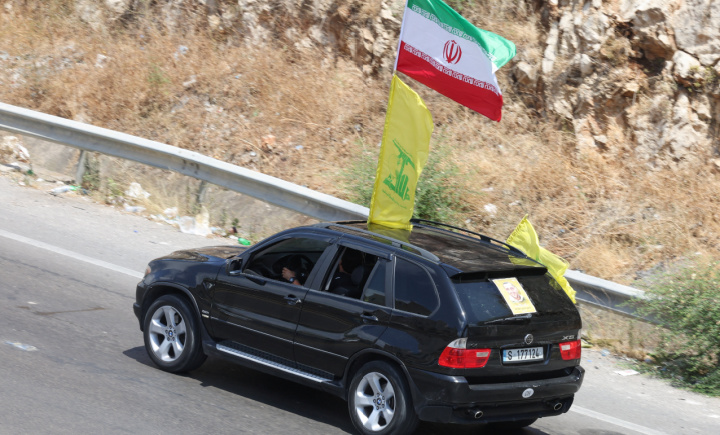
A car with Iranian and Hezbollah flags attached to it as displaced people make their way back to their homes in southern Lebanon following an interim deal between the US and Iran, in Sidon, Lebanon, June 24, 2026. Photo: REUTERS/Aziz Taher

The newly established five-nation deconfliction mechanism for Lebanon is a catastrophic strategic betrayal by Washington, a former Israeli intelligence official warned, saying that US President Donald Trump has effectively “switched sides” by handing Iran a diplomatic victory and curtailing Israel’s freedom of action against Hezbollah.

Navy Commander (ret.) Eyal Pinko, a former Israeli intelligence officer and senior research fellow at the Begin-Sadat Center for Strategic Studies, said the mechanism, announced after US-Iran talks in Switzerland mediated by Qatar and Pakistan, is “nothing more than a political declaration,” but one with far-reaching consequences, effectively signaling Washington’s acceptance of Iran’s role as Lebanon’s patron and giving Qatar and Pakistan a role in providing diplomatic cover for that status.

“The new mechanism between Pakistan, Qatar, Iran, the US, and Lebanon is a very strong political statement of power by Iran,” Pinko said, adding that it is “another step that indicates that Trump has switched sides.”

Pinko said the mechanism gives US-backed recognition to the message that “Iran, the patron of Lebanon, has not left and neither will it.”

Iran, meanwhile, appears to be entrenching itself further in Lebanon, according to recent reports. An Israeli security source told the Saudi Al-Arabiya channel in a report published Monday that a number of Iranian officers are operating in the Ali Taher Ridge area in southern Lebanon, holding key roles in managing the fighting and coordinating operational activity.

In a separate report published Thursday, Israel’s Channel 12 said the Iranian regime was leading a direct effort to recruit new fighters into Hezbollah’s ranks following the heavy losses the Iran-backed terrorist group sustained in manpower, command structures, commanders, and operatives during the fighting against the Israel Defense Forces (IDF). As part of the recruitment campaign, reportedly visible on the streets of Tehran, volunteers were being offered a monthly salary of $1,000, far above Iran’s minimum wage of about $140.

Israel and Lebanon are also holding US-mediated talks in Washington over a proposed “pilot zone” arrangement that would see Israeli forces hand over some areas of southern Lebanon to Lebanese army units. Senior Israeli and Lebanese officials denied Thursday that Israel had withdrawn from territory it holds in southern Lebanon, after a US State Department official said Israel had pulled back from parts of the area in what the official described as a “good faith” gesture toward Lebanon’s government.

The deconfliction cell was announced Monday in a joint statement by Qatar and Pakistan, the mediators of the US-Iran talks at the Burgenstock resort in Switzerland. The statement said the parties had agreed to create a cell involving the parties, Lebanon, and the mediators to ensure adherence to the “termination of military operations in Lebanon” under the US-Iran memorandum of understanding. Israel was not named in the statement, though a senior US official later denied to Channel 12 that Jerusalem was being cut out entirely.

According to Israel’s Channel 12, the new framework would limit Israeli military action to responses to “imminent threats,” rather than “emerging threats,” as Israel’s current policy allows. Iranian Foreign Minister Abbas Araghchi hailed the mechanism, calling it “major progress to end the Lebanon War.”

Vice President JD Vance described the arrangement as a way to prevent incidents in Lebanon from spiraling into more violence. But his remarks also alarmed some Israeli observers after he appeared to treat Hezbollah as part of the diplomatic framework rather than addressing it solely as an Iranian-backed terrorist proxy.

“We could actually have a better and more peaceful situation if Israel responds in the context of a conversation that is ongoing between Hezbollah, Lebanon, Israel and other partners in the region,” Vance said.

The US wanted both Israel’s security and Lebanon’s sovereignty protected, and that the effort would require coordination with the Lebanese Armed Forces and “the Iranians to rein in Hezbollah,” he added.

Iran and Hezbollah both openly seek Israel’s destruction and are each responsible for at least several hundred of not thousands of American deaths.

Trump has also intensified public criticism of Israel’s military campaign in Lebanon, suggesting that Jerusalem has responded too forcefully to Hezbollah activity.

“You don’t have to knock down a building every time somebody walks into it that’s from Hezbollah,” Trump said during a press conference last week. “We have a little dispute over Lebanon. I say you can do a little softer touch, Bibi.”

Israeli Prime Minister Benjamin Netanyahu has publicly rejected any suggestion that the IDF’s hands would be tied. In a Hebrew statement after the reports emerged, he said Israeli forces in southern Lebanon had “full freedom of action” against any direct or emerging threat to troops or residents of northern Israel, and that the IDF faced “no restrictions” in that regard. He also reiterated that Israel would maintain its security zone in southern Lebanon for as long as necessary.

Israeli President Isaac Herzog also pushed back on any arrangement that would tie Lebanon’s future to Tehran. Speaking at the JNS International Policy Summit in Jerusalem on Monday, Herzog said the conflict in Lebanon “should be resolved through direct negotiations between Israel and Lebanon and not by Iranian extortion.”

“The disarmament of Hezbollah must be inherent to any solution in Lebanon, and Iran cannot dictate the future of Lebanon,” Herzog said.

While Pinko did not dismiss the possibility that Trump and Netanyahu were “hatching some big, strategic plan that we don’t yet understand,” he made clear that such a scenario was highly unlikely. For now, he said, the president appeared to be following interests from the Gulf, including Qatar and the United Arab Emirates, both of which sustained blows from Iran during the March war, and financial pressure more than Israel’s security interests.

“Anything is possible with Trump, but the issue of resources and financial pressure from Qatar and the UAE is likely working much harder than other elements involved,” Pinko said.

“Trump is pragmatic, meaning he follows the money,” Pinko said. “Right now, he is causing us very heavy, strategic damage, which we will suffer from for many years to come.”


Zawartość publikowanych artykułów i materiałów nie reprezentuje poglądów ani opinii Reunion’68,
ani też webmastera Blogu Reunion’68, chyba ze jest to wyraźnie zaznaczone.
Twoje uwagi, linki, własne artykuły lub wiadomości prześlij na adres:
webmaster@reunion68.com