Archive | August 2015

The surprising truth about Denmark in the Holocaust

The surprising truth about Denmark in the Holocaust

By Michael Ignatieff


One Country Saved Its Jews. Were They Just Better People? One Country Saved Its Jews. Were They Just Better People?

This magnificent book states its central argument in its title. Danish Jews survived Hitler’s rule in World War II, when other European Jews did not, because Danes regarded their Jewish neighbors as countrymen. There was no “us” and “them;” there was just us.

When, in October 1943, the Gestapo came to round up the 7,500 Jews of Copenhagen, the Danish police did not help them to smash down the doors. The churches read letters of protest to their congregations. Neighbors helped families to flee to villages on the Baltic coast, where local people gave them shelter in churches, basements, and holiday houses and local fishermen loaded up their boats and landed them safely in neutral Sweden. Bo Lidegaard, the editor of the leading Danish newspaper Politiken, has retold this story using astonishingly vivid unpublished material from families who escaped, and the testimony of contemporary eyewitnesses, senior Danish leaders (including the king himself), and even the Germans who ordered the roundups. The result is an intensely human account of one episode in the persecution of European Jews that ended in survival.

The story may have ended well, but it is a complex tale. The central ambiguity is that the Germans warned the Jews and let most of them escape. Lidegaard claims this was because the Danes refused to help the Germans, but the causation might also have worked in the other direction. It was when the Danes realized that the Germans were letting some Jews go that they found the courage to help the rest of their Jewish community escape. Countrymen is a fascinating study in the ambiguity of virtue.

The Danes knew long before the war that their army could not resist a German invasion. Instead of overtly criticizing Hitler, the Social Democratic governments of the 1930s sought to inoculate their populations against the racist ideology next door. It was in those ominous years that the shared identity of all Danes as democratic citizens was drummed into the political culture, just in time to render most Danes deeply resistant to the Nazi claim that there existed a “Jewish problem” in Denmark. Lidegaard’s central insight is that human solidarity in crisis depended on the prior consolidation of a decent politics, on the creation of a shared political imagination. Some Danes did harbor anti-Semitic feelings, but even they understood the Jews to be members of a political community, and so any attack on them was an attack on the Danish nation as such.

The nation in question was imagined in civic terms rather than ethnic terms. What mattered was a shared commitment to democracy and law, not a common race or religion. We can see this in the fact that Danish citizens did not defend several hundred communists who were interned and deported by the Danish government for denouncing the Danish monarchy and supporting the Hitler-Stalin pact. The Danes did nothing to defend their own communists, but they did stand up for the Jews.

The Danish response to the Nazis illuminates a crucial fact about the Holocaust: the Germans did not always force the issue of extermination where they faced determined resistance from occupied populations. In Bulgaria, as Tzvetan Todorov has shown in his aptly titled book The Fragility of Goodness, the Jews were saved because the king of Bulgaria, the Orthodox Church, and a few key Bulgarian politicians refused to assist the German occupiers. Why did a similar civic sense of solidarity not take root in other countries?

In Holland, why did 80 percent of Dutch Jews perish? And what about France: why did liberty, equality, and fraternity not apply to the citizens driven from their homes by French police and sent to deportation and death? These questions become harder to answer in the light of the Danish and Bulgarian counterexamples. One possible explanation is that the German occupation’s presence in Denmark was lighter than in either France or Holland. The Danes, like the Bulgarians, kept their king and maintained their own government throughout the occupation. Self-government gave them a capacity to defend Jews that was never possible in the occupied zones of France or Holland.

Both the Danish king and the Danish government decided that their best hope of maintaining Denmark’s sovereignty lay in cooperating but not collaborating with the German occupiers. This “cooperation” profited some Danes but shamed many others. The Danish population harbored ancestral hostility to the Germans, and the occupation reinforced these feelings. The Germans, for their part, put up with this frigid relationship: they needed Danish food, and Danish cooperation freed up German military resources for battle on the Eastern Front, and the Nazis wanted to be liked. They wanted their “cooperative” relationship with Denmark to serve as a model for a future European community under Hitler’s domination.

From very early on in this ambiguous relationship, the Danes, from the king on down, made it clear that harming the Jews would bring cooperation to an end and force the Germans to occupy the country altogether. The king famously told his prime minister, in private, that if the Germans forced the Danish Jews to wear a yellow star, then he would wear one too. Word of the royal position went public and even led to a myth that the king had actually ridden through the streets of Copenhagen on horseback wearing a yellow star on his uniform. The king never did wear a star. He didn’t have to wear one, because, thanks to his opposition, the Germans never imposed such a regulation in Denmark

When, in late summer in 1943, the order came down from Eichmann to the local German authorities in Copenhagen that they had to rid the city of its Jews, these authorities faced a dilemma. They knew that the Danish politicians, police, and media—that Danish society as a whole—would resist and that, once the cooperation of the Danes had been lost, the Germans would have to run the country themselves. The Germans in Copenhagen were also beginning to have second thoughts about the war itself. By then the German armies had been defeated at Stalingrad.

While the Gestapo in Poland and Eastern Europe faced the prospect of defeat by accelerating the infernal rhythm of extermination in the death camps, the Gestapo in Denmark began to look for a way out. The local Gauleiter, a conniving opportunist named Werner Best, did launch the roundup of the Jews, but only after letting the Jewish community find out in advance what was coming, giving them time to escape. He did get his hands on some people in an old-age home and dispatch them to Theresienstadt, but all but 1 percent of the Jewish community escaped his clutches. It is an astonishing number.

When Adolf Eichmann came to Copenhagen in 1943 to find out why so many Jews had escaped, he did not cashier the local Gestapo. Instead he backed down and called off the deportations of Danes who were half-Jewish or married to Jews. Lidegaard’s explanation for Eichmann’s volte face is simply that the institutions of Danish society all refused to go along. And without their cooperation, a Final Solution in Denmark became impossible. Totalitarianism, not to mention ethnic cleansing and ethnic extermination, always requires a great deal of collaboration.

When they got wind of German plans in September 1943, the Danish government resigned, and no politician agreed to serve in a collaborationist government with the Germans thereafter. After the roundups of Jews were announced, leading Danish politicians of different parties issued a joint statement declaring, “The Danish Jews are an integral part of the people, and therefore all the people are deeply affected by the measures taken, which are seen as a violation of the Danish sense of justice.” This is the political culture of “countrymen” with which Lidegaard explains the extraordinary determination—and success—of the Danes in protecting their Jewish population.

Such general support across Danish society seems to have empowered the Jews of Copenhagen. When the Gestapo came to search the Jewish community’s offices in September 1943, the community treasurer, Axel Hertz, did not hesitate to ask the intruders, “By what right do you come here?” The German in charge replied, quite candidly: “By the right of the stronger.” And Hertz retorted: “That is no good right.” Jews in Denmark behaved like rights-bearers, not like victims in search of compassion. And they were not wrong: their feeling of membership in the Danish polity had a basis in its political culture.

When the Germans arrived to begin the deportations, Jews had already been warned—in their synagogues—and they simply vanished into the countryside, heading for the coast to seek a crossing to neutral Sweden. There was little or no Jewish communal organization and no Danish underground to help them. What ensued was a chaotic family-by-family flight, made possible simply because ordinary members of Danish society feigned ignorance when Germans questioned them, while sheltering families in seaside villages, hotels, and country cottages. Danish police on the coast warned hiding families when the Gestapo came to call, and signaled all-clear so that boats bearing Danish Jews could slip away to Sweden. The fishermen who took the Danish Jews across the Baltic demanded huge sums for the crossing, but managed to get their frightened fellow citizens to safety. When the Gestapo did seize Jewish families hiding in the church of the small fishing village of Gilleleje, the people were so outraged that they banded together to assist others to flee. One villager even confronted the local Gestapo officer, shining a flashlight in his face and exclaiming: “The poor Jews!” When the German replied, “It is written in the Bible that this shall be their fate,” the villager unforgettably replied: “But it is not written that it has to happen in Gilleleje.”

Why did the Danes behave so differently from most other societies and populations in occupied Europe? For a start, they were the only nation where escape to a safe neutral country lay across a narrow strait of water. Moreover, they were not subject to exterminatory pressure themselves. They were not directly occupied, and their leadership structures from the monarch down to the local mayors were not ripped apart. The newspapers in Copenhagen were free enough to report the deportations and thus to assist any Jews still not in the know to flee. The relatively free circulation of information also made it impossible for non-Jewish Danes to claim, as so many Germans did, that “of this we had no knowledge.”

Most of all, Denmark was a small, homogeneous society, with a stable democracy, a monarchy that commanded respect, and a shared national hostility to the Germans. Denmark offers some confirmation of Rousseau’s observation that virtue is most easily fostered in small republics.

Lidegaard is an excellent guide to this story when he sticks close to Danish realities. When he ventures further and asks bigger questions, he goes astray. At the end of his book he asks: “Are human beings fundamentally good but weak? Or are we brutal by nature, checked and controlled only by civilization?” He wants the Danish story to answer such questions, but it cannot bear such weight. There simply are no general answers to the question of why humans behave as they do in times of extremity. What Lidegaard’s story really demonstrates is that history and context are all. Denmark was Denmark: that is all one can truthfully say.

Lidegaard makes the argument, in his conclusion, that had resistance been as strong elsewhere in Europe as it was in Denmark, the Nazis might never have been able to drive the Final Solution to its conclusion. He writes:

Hatred of the different was not some primordial force that was unleashed. Rather, it was a political convenience that could be used as needed, and in most occupied territories the Nazis followed their interests in pursuing this with disastrous consequences. But without a sounding board the strategy did not work. It could be countered by simple means—even by a country that was defenseless and occupied—by the persistent national rejection of the assumption that there was a “Jewish problem.”

This strikes me as only half-right. Anti-Semitism was indeed not “a primordial force” that the Nazis simply tapped into wherever they conquered. Jews met different fates in each country the Nazis occupied—or at least the rates of destruction and escape varied. But it does not follow that what the Danes did other peoples could have also done. The Germans faced resistance of varying degrees of ferocity in every country that they occupied in Europe. Where they possessed the military and police power to do so, they crushed that resistance with unbridled cruelty. Where, as in Denmark, they attempted a strategy of indirect rule, they had to live with the consequences: a populace that could not be terrorized into doing their bidding, and could therefore be counted on to react when fellow citizens were arrested and carried away.

One uncomfortable possibility that Lidegaard does not explore is that the Nazis sought a strategy of indirect rule precisely because they saw the Danes as fellow Aryans, potential allies in an Aryan Europe. This would explain why the Nazis were so comfortable in Copenhagen and so shaken by Danish resistance. The Poles they could dismiss as Untermenschen, and the French as ancient enemies; but to be resisted by supposed Aryans was perversely disarming. Why else would a ferocious bureaucrat such as Eichmann melt before Danish objections to the arrest of Jews married to Danes? One paradoxical possibility is that the Nazis bowed to Danish protests because their delusional racial anthropology led them to view the Danes as members of their own family. To their eternal credit, the Danes exploited this imagined family resemblance to defy an act of infamy.

Countrymen is a story about a little country that did the right thing for complicated reasons, and got away with it for equally complicated reasons. It is a story that reinforces an old truth: solidarity and decency depend on a dense tissue of connection among people, on long-formed habits of the heart, on resilient cultures of common citizenship, and on leaders who marshal these virtues by their example. In Denmark, this dense tissue bound human beings together and indirect rule made it impossible for the Germans to rip it apart. Elsewhere in Europe, by contrast, it was destroyed in stages, first by ghettoizing and isolating the Jewish people and then by insulating bystanders from the full horror of Nazi intentions. Once Jews had been stripped of citizenship, property, rights, and social existence—once they could appeal only to the common humanity of persecutors and bystanders alike—it was too late.

There is a sobering message in Lidegaard’s tale for the human rights era that came after these abominations. If a people come to rely for their protection on human rights alone, on the mutual recognition of common humanity, they are already in serious danger. The Danish story seems to tell us that it is not the universal human chain that binds peoples together in extremity, but more local and granular ties: the particular consciousness of time, place, and heritage that led a Danish villager to stand up to the Gestapo and say no, it will not happen here, not in our village. This extraordinary story of one small country has resonance beyond its Danish context. Countrymen should be read by anyone seeking to understand what precise set of shared social and political understandings can make possible, in times of terrible darkness, acts of civil courage and uncommon decency.


Michael Ignatieff teaches at the Kennedy School of Government at Harvard University and at the Munk School of Global Affairs at the University of Toronto.


twoje uwagi, linki, wlasne artykuly, lub wiadomosci przeslij do: webmaster@reunion68.com



Wojna z Izraelem przy pomocy osobliwego prawa

Wojna z Izraelem przy pomocy osobliwego prawa

Steve Apfel
Tłumaczenie: Małgorzata Koraszewska


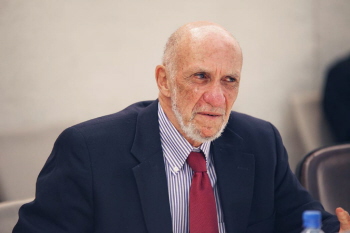
Richard Falk były specjalny sprawozdawca Rady Praw Człowieka ONZ do spraw wynajdowania zbrodni Izraela. 

Richard Falk były specjalny sprawozdawca Rady Praw Człowieka ONZ do spraw wynajdowania zbrodni Izraela.

Uświęconym tradycją obrazem Żydów na wygnaniu była postać poniewieranego, brodatego mola książkowego. Potem marzyciele syjonistyczni wyciągnęli z kapelusza własne państwo i Żydzi zaczęli wygrywać jedną wojnę za drugą. Także nieuczestniczący w wojnach poczuli się pokrzywdzeni. Myśl o Żydach-żołnierzach, nawet bez zwycięskiej aury, była dla nich farsą. Próbując przywrócić porządek świata urażone mocarstwa wyczarowały osobliwe prawo mające wykastrować tę niszczycielską siłę. Ufali, że potem śmiertelni wrogowie zrobią to, co śmiertelni wrogowie robili zawsze, kiedy Żydzi byli poniewierani na wygnaniu.

Znawcy znają to prawo jako MPH – Międzynarodowe Prawo Humanitarne. Legalizuje wezwania do postawienia Izraela przed trybunałem za zbrodnie wojenne i wzywający bezgranicznie na nim polegają. MPH jest marzeniem antysemity. Stosowane ze staranną złośliwością ma moc przekształcenia Izraela z wzoru dla innych w Lucyfera o zabójczych mocach. W mojej książce Hadrian’s Echopoświęcam cały rozdział plastyczności tego prawa. MPH jest idealną bronią do karania Izraela za bezczelność wygrywania na polu bitwy. Skoro Naród Wybrany, nie poddaje się fizycznym atakom, niechaj podkopujące ataki moralistów zmuszą ich przez zastraszenie do poddania się. Klątwami wygnamy życie z Izraela!

Znane inaczej jako “wojna prawna”, te mściwe napaści dzielą się na cztery mrożące krew w żyłach elementy.

Plan: rzucić odrażający naród na kolana przez wygnanie go – jako pariasa – ze społeczności światowej.

Zamiar: sparaliżować IDF, ułatwiając tym wszelkie działania grup terrorystycznych.

Pułapka: ustawić barierę prawną wystarczająco wysoko (wyżej niż gdziekolwiek indziej na świecie), by zapewnić, że Izraelowi nie uda się przez nią przejść.

Oczekiwany rezultat: ogłosić naruszenie prawa, a następnie zaciągnąć Izrael i jego przywódców na ławę oskarżonych w ONZ, w mediach, w sądach opinii publicznej i w Międzynarodowym Trybunale Karnym. Razem te elementy są równoznaczne z odmówieniem Izraelowi prawa do bronienia się.

Wojna prawna bez grupy skutecznych “prokuratorów ścigających Żydów”, byłaby bez szans. Rada Praw Człowieka ONZ mianuje ich z listy profesorów prawa. Ten typ od dawna należał do najgorszych antysemitów. Proszę przypomnieć sobie, że Einsatzgruppen, nazistowskie szwadrony śmierci, które przemierzały Rosję, by zlikwidować Żydów, miasto za miastem, miały w swoich szeregach prawników uniwersyteckich. Jeden z dowódców, Otto Ohlendorf, miał dyplomy z trzech uniwersytetów i doktorat z prawoznawstwa.

Dzisiaj tacy prawnicy uniwersyteccy wykonują polecenia ONZ. Jedni, jak John Dugard i Richard Falk, otrzymują tytuł “Sprawozdawcy” z zadaniem wynalezienia zbrodni, które zamienią przywódców żydowskich w przestępców. Inni, jak Richard Goldstone i Mary McGowan Davis, przewodniczą komisjom, którymRada Praw Człowieka zleciła uznanie Izraela za winnego w następstwie mini wojen z Gazą. Gdyby nie plastyczne, łapiące Żydów MPH, oni wszyscy zbankrutowaliby.

Nie zdarza się często, żeby któryś z tych płatnych najemników ONZ pozwolił sobie na odsłonięcie akademickiej togi i ujawnienie, co jest pod spodem. Kiedyś zrobił to profesor Dugard. Pozornie zatroskany o prawa i sprawiedliwość dla Palestyńczyków, Dugard zastosował MPH, żeby odmówić Izraelczykom prawa do zatrzymania gradu rakiet spadających na ich miasta. Jego następca, profesor Falk, całkiem nonszalancko porzucił akademickie pozory i mając twarz, jakiej używał Heinrich Himmler, kiedy inicjował liczne pogromy, Falk zamieścił karykaturę religijnego Żyda w postaci krwiożerczego psa gończego z zaślinionym pyskiem. Za ataki dżihadystów na Amerykę obwiniał wspólnika Waszyngtonu, Izrael.

Na ogół jednak ci płatni rewolwerowcy ONZ starają się zachowywać pozory. Przynajmniej na papierze przyznają, że Izrael ma uniwersalne prawo obrony swojej ludności. Muszą starannie zachowywać pozory bezstronności, wręcz wielkoduszności. Nie mogą, nie odważają się ujawnić, co kryje się pod spodem, nie tak jak pan Louis Farrakhan, który niczego nie traci oznajmiając publicznie, co myśli. „Judaizm jest paskudną religią, a Żydzi przeklętym narodem” – mówi. Oni jednak nie cieszą się taką wolnością jak Farrakhan. Togi i peruki są tanimi teatralnymi rekwizytami wynajętych zbirów ONZ, by uprawiać zło. Bez prawnego wystroju nie otworzyłyby się nowe okna wojny z Izraelem. Miła perspektywa zaciągnięcia zbrodniczych Żydów przed sąd jest kolejnym motywem dla oskarżycieli Żydów, by trzymać język na wodzy. Rozważając, co jest praktyczne, a co nie, opanowują swoją nienawiść. Słowa, które wybierają, kłamstwa, które wypowiadają i opinie, których dostarczają kłaniają się jednemu imperatywowi: zamienić Żydów w ściganych zbrodniarzy. Dla tych celów MPH jest darem z nieba.

Kiedy więc przyznają Izraelowi prawo do samoobrony, ci stosujący MPH prawnicy dodają absurdalne warunki: Izraelskiej Armii Obronnej nie wolno zabić wroga, zranić wroga ani zniszczyć własności wroga. Wystarczy, że wróg zostanie zabity, zraniony lub jego dom zburzony, by rozległ się gwizdek. Nie trzeba dodawać, że żądanie bezpiecznego prowadzenia wojny, tak, by nikt nie został zraniony i nic nie zostało zniszczone, stosuje się do Izraela i tylko do Izraela. Już tu zapala się czerwone światło.

“Aspiracją każdego system prawnego – pisze Alan Dershowitz z Harvardu – jest, by rządziły obiektywne reguły prawa, nie zaś decyzje ad hoc stronniczych istot ludzkich”.

Dershowitz mówi o komisjach Goldstone’a i Mary McGowan Davis oraz izraelskich organizacjach pozarządowych, które nieustannie podsuwały im rzekome zbrodnie. Jedna z nich, B’Tselem, nawet chwali się tym, że handluje zbrodniami żydowskimi.

“’Guardian’, ‘New York Times’, ‘Washington Post’, AP, CNN, NBC i wiele innych używają naszych istotnych danych. Raport ONZ o konflikcie w Gazie w 2014 r. cytuje nasze liczby i wnioski częściej niż jakiejkolwiek innej NGO”.

Tak napisał Oded Diner z B’Tselem, apelując do darczyńców o otwarcie portfeli.

Abstrakcyjne prawo było jednym czerwonym światłem. Drugim czerwonym światłem jest los Palestyńczyków. Troska o życie Palestyńczyków nie jest tym, co powoduje żądania, by Izrael prowadził bezpieczne wojny. Assad, rzeźnik Syrii, zagłodził na śmierć setki Palestyńczyków, a przemysł praw człowieka pracowicie oglądał swoje palce u nóg. Tutaj byli ci sami Palestyńczycy, których nie wolno Izraelowi zranić, ale których Syria może bezkarnie masakrować. Żadne peruki i togi nie popędziły po MPH, kiedy Assad dokonywał rzezi.

Słowo “nieproporcjonalnie” zapala kolejne czerwone światło, odfajkowuje kolejną rubrykę. Wynajęci przez ONZ uczeni prawnicy bardzo lubią to słowo, nigdy nie przestając wyjaśniać, jak i dlaczego działania Izraelskiej Armii Obronnej są nieproporcjonalne. Christine Chinkin, profesor prawa z London School of Economics, po prostu nie może zdławić impulsu demonizowania Żydów z bronią. „Zbombardowanie Gazy przez Izrael nie jest samoobroną – jest zbrodnią wojenną. Nieproporcjonalne działania Izraela są równoważne z agresją, nie zaś samoobroną”. Kiedy Chinkin wygłaszała ten werdykt, jeszcze nie była w Gazie; jeszcze nie rozpatrzyła nawet cienia dowodu.

Profesor Dugard zachował większy spokój. „Nie można oceniać z fotela izraelskich reakcji na zamachy samobójcze i przemoc ze strony Palestyńczyków. Izrael jest uprawniony do szerokiego marginesu swobody wyboru swoich reakcji. Ale nawet przy uwzględnieniu tego prawa sugeruje się, na bazie dostarczonych dowodów, że izraelska odpowiedź na terror jest nieproporcjonalna”.

Znowu to słowo. Czy ma ono wymiar, który da się zmierzyć? Prawdopodobnie nie, skoro nawet profesor prawa uważa, że „nieproporcjonalne” oznacza to, co on uważa za nadmierną siłę – siłę, która stanowi dla niego obrazę. Jaką jednak wagę mamy przypisać uczuciom śledczego, którego zadaniem było nie słyszeć żadnego zła, nie mówić o żadnym źle i nie informować o żadnym źle w sprawie zbrodni popełnianych przez Palestyńczyków? Płatni oskarżyciele stawiają Izrael w stan oskarżenia bez żadnych argumentów prawnych. Stwierdzają, że Żydzi zabijają jak popadnie. Kropka.

Międzynarodowy Trybunał Karny w sprawie Jugosławii już dawno przyznał: nie ma żadnych ścisłych i trwałych reguł o nieproporcjonalnej sile lub o ofiarach ludności cywilnej. Zbrodnie wojenne muszą być udowodnione jedna po drugiej, przypadek po przypadku. Jednak jeden zabity przez Izrael terrorysta to o jedną ofiarę za dużo. Atak izraelski po prostu jest atakiem, którego MacGowan Davis i jej podobni nie lubią – atakiem dokonanym przez ludzi, których nie lubią.

W sprawie tego wszystkiego Charles Krauthammer z“Washington Post” zadał właściwe pytanie: “Jeśli żadna taktyka militarna nie jest dozwolona dla Izraela, to co pozostaje? Ach, ale właśnie o to chodzi. Co pozostaje? Nic. Chodzi o to właśnie, by pozbawić Izrael każdej legalnej formy samoobrony. Świat jest zmęczony tymi nieznośnymi Żydami, sześcioma milionami ludzi, którzy odmawiają każdemu zaproszeniu do popełnienia narodowego samobójstwa”.

Tam, w tym absurdalnym prawie, jest ukryta, zapisana małym drukiem klauzula: “Nie ma prawa do życia”.


Steve Apfel

Dyrektor School of Management Accounting w Johannesburgu. Autor książki “Hadrian’s Echo: The whys and wherefores of Israel’s critics” i współautor “War by other means” (Israel Affairs, 2012). Jego kolejna książka, “Bilaam’s curse” spodziewana jest na początku 2014 roku. Jego teksty publicystyczne ukazują się również w prasie amerykańskiej i europejskiej.


twoje uwagi, linki, wlasne artykuly, lub wiadomosci przeslij do: webmaster@reunion68.com


CBOS: Jak Polacy postrzegają Żydów?

CBOS: Jak Polacy postrzegają Żydów?

Zdj. ilustracyjne /123RF/PICSEL

Zdj. ilustracyjne /123RF/PICSEL

Holokaust, cierpienia, bogata kultura i tradycja, talenty biznesowe i przedsiębiorczość – z tym najczęściej kojarzymy Żydów. Nadal jednak wielu z nas jest im niechętnych. Tak wynika z najnowszego badania Centrum Badania Opinii Społecznej, które pytało respondentów o wiele kwestii, związanych ze stosunkami polsko-żydowskimi.

Jak czytamy w raporcie, w ciągu ostatnich 20 lat stosunek Polaków do Żydów uległ znacznej poprawie. Mimo to, wciąż jest więcej niechętnie nastawionych (32 proc.) niż tych, odnoszących się do nich z sympatią (28 proc.).

Ankieterzy pytali respondentów z czym kojarzą się im słowa “Żydzi” i “naród żydowski”. Najczęściej odpowiedzi dotyczyły Holokaustu, wydarzeń II wojny światowej. Wiele z osób wyrażało współczucie wobec Żydów, zwracając uwagę na cierpienie, którego doświadczyli w tamtych czasach. Niektórzy odwoływali się też do bogatej kultury Żydów oraz do tradycji, także tej związanej z religią. Spora grupa badanych odnosiła się też do wspólnej, polsko-żydowskiej przeszłości.

Stosunki między obydwoma narodami respondenci najczęściej postrzegali jako trudne. Często wskazywali na uprzedzenia Polaków wobec Żydów, szkodliwe stereotypy, ale z drugiej strony – również na antypolonizm wśród Żydów, w tym na formułowane przez niektórych z nich zarzuty o współudziale Polski w Holokauście.

Żyd człowiek przedsiębiorczy vs oszust

CBOS pytał też o wizerunek Żydów. Według 19 proc. badanych Żyd to przede wszystkim człowiek przedsiębiorczy i zaradny, obdarzony biznesowymi talentami, kupiec, bankier lub handlarz. Z kolei 10 proc. respondentów patrzy na nich jako na cwaniaków, oszustów i wyzyskiwaczy. Niektórzy wskazywali też na mądrość Żydów, a inni na ich chciwość, skąpstwo i pazerność. Jeśli chodzi o wygląd zewnętrzny, to 2% respondentów kojarzy Żydów z kapeluszem, pejsami i brodą i wąsami.

Duża część badanych (27%) nie podała konkretnych skojarzeń z terminem “naród żydowski”. Inni (10%) stwierdzili, że Żydzi są takim samym narodem jak inne i są wśród nich zarówno ludzie dobrzy, jak i źli.

Badanie przeprowadzono metodą wywiadów bezpośrednich wspomaganych komputerowo w dniach 1 – 8 lipca 2015 roku na liczącej 1044 osoby reprezentatywnej próbie losowej dorosłych mieszkańców Polski.


twoje uwagi, linki, wlasne artykuly, lub wiadomosci przeslij do: webmaster@reunion68.com


‘Jewish Schindler’ Saves Dozens of Yazidis and Christians from Islamic State

‘Jewish Schindler’ Saves Dozens of Yazidis and Christians from Islamic State

Donna Rachel Edmunds


jewish

AFP

A Canadian Jewish businessman has spearheaded efforts to rescue Iraqi Yazidi and Christian girls from slavery after the girls were captured by ISIS troops, using money donated privately by business contacts. The businessman has cited Oskar Schindler, who rescued Jewish children from the holocaust, as his inspiration.

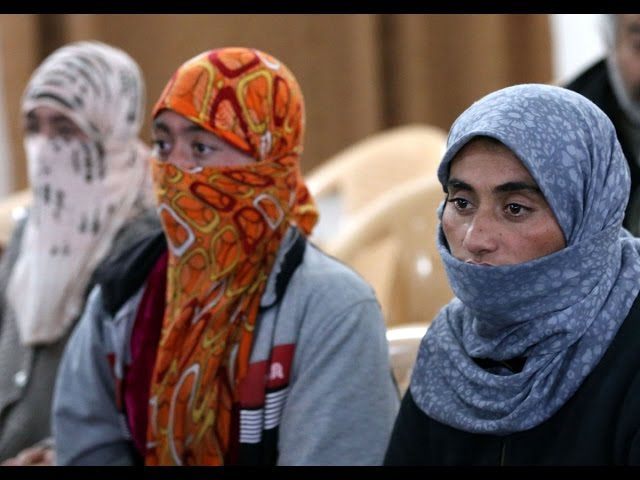
Last summer the world looked on in horror as ISIS swept through north Iraq, home to Assyrian and Chaldean Christians, and Yazidis. Hundreds of thousands fled before them, but thousands more starved to death in the desert, or were captured by Islamic forces. Girls in particular were bartered for in the markets, standing naked while men bought them as sex slaves.

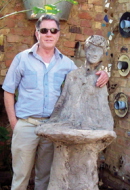
But while most of the west turned off their TV sets, Canadian entrepreneur Steve Maman decided to take positive action. Making contacts in Iraq who could negotiate the release of the girls, Mr Maman raised thousands of Canadian dollars to finance a rescue operation, The Liberation of Christian and Yazidi Children of Iraq (CYCI).

Initially he turned to business contacts, mainly fellow Jews who he thanked as being “remarkably generous”, who donated tens of thousands of Canadian dollars to fund the efforts. Last month, he turned to GoFundMe in a bid to raise half a million. So far 120 girls have been freed, but around 2,700 are still being held.

“I said to myself: ‘I cannot, and will not stand idle. I will not look at the daily reports and stay passive’,” Mr Maman wrote in a statement on the website.

“The price of a child’s life to remove them from the hands of ISIS is between $1000-$3000. We, as avid consumers, spend that money on gadgets and tools. Why not spend that money to save a life?”

Most of the girls and women held by ISIS are being used as sex slaves, raped up to 30 times a day by both Islamic fighters and local men, he explained.

“Some of these children are as young as 8 years old. Not only are they at the mercy of the fighters, but also of the men still residing in Mosul; men of various ages, in some cases over 60 years of age. The rapes, abuse, and brutality they suffer at the hands of their captors are beyond imagination.

“There are many reports of owners that have decapitated innocent children and women because they refused to perform certain sexual acts. Those who comply are repeatedly beaten and serve as sex slaves to their owners, as well as their friends and guests, hardly ever limited to one predator at a time.

“Many young adolescents are sold to brothels, where they are raped 30 to 40 times a day by ISIS fighters. The U.N reports that ISIS militants have forced overly abused sex slaves to undergo virginity restoration surgery, up to 20 times after being raped and sold. This type of female genital mutilation is gaining popularity as these young girls may command premium prices on the market.”

Mr Maman has cited Oskar Schindler, the German businessman who saved dozens of Jewish children from the holocaust by buying them from the Nazis to work in his munitions factory as his inspiration. “What if someone had told Oskar Schindler that what he tried to do in the time of the Holocaust was incomprehensible and impossible?” he asked, adding: “Nothing is impossible.”

So far CYCI has raised nearly C$120,000, and freed 120 girls, with more being released each week. But while the campaign’s donations page has been shared more nearly 3000 times on Facebook alone, just 152 people have actually donated cash.

And Mr Maman has told The Tablet that his appeals to more than 60 church organisations in Canada, including national bodies and parishes in Montreal, have failed to secure a single donation. “This is a finite problem that can be solved with money,” he said. “We need Christians to open up at the same rate as my Jewish friends have.”

Meanwhile Pope Francis has condemned the “silence” of the international community on ongoing persecution of the Christian communities forced from their homes in northern Iraq by ISIS. Among the scattered and slaughtered communities were the Assyrian Christians, one of the last communities to speak Aramaic, the language spoken by Jesus Christ.

In a letter to Iraqi refugees in Jordan issued on Thursday, the first anniversary of the jihadists’ offensive, Pope Francis wrote: “Many times I have wanted to give voice to atrocious, inhuman and inexplicable persecution against people in many parts of the world – above all Christians – who are victims of fanaticism and intolerance.

“Often this persecution occurs where it can be seen and heard yet all are silent. These are the martyrs of today, people who are humiliated and suffer discrimination because of their fidelity to the Gospel.”


twoje uwagi, linki, wlasne artykuly, lub wiadomosci przeslij do: webmaster@reunion68.com

 

Anti-Semitic, Racist Slurs Scrawled in San Antonio Hate Spree

Anti-Semitic, Racist Slurs Scrawled in San Antonio Hate Spree

Swastika Graffiti

Over 30 Jewish homes, synagogues, and cars tagged with hate slurs in unprecedented anti-Semitic crime wave in Texas.

An entire Jewish community has been targeted in Texas on Wednesday, as hundreds of people woke up to anti-Semitic vandalism on their cars, homes, and Jewish institutions.

At least 30 separate tags appeared in San Antonio overnight Wednesday, most of which was aimed at cars around the Rodfei Sholom Synagogue; the slurs are unfit for Arutz Sheva to print. Some of the least offensive graffiti included “KKK” and simply: “Jew.”

One car had rocks thrown through its windshield.

The synagogue serves some 300 Orthodox families, according to mySA.

“(We are) saddened and outraged,” said Howard Feinberg, a board member of the congregation, stated to the news outlet. “When we were finishing our morning prayers around 7 a.m., we became aware that in the neighborhood around our synagogue, there was a lot of graffiti of the anti-Semitic and racial nature.”

“(We are) outraged that in this day and age there are people who still live in their own minds and own worlds where it seems to be okay to hate people based on their religion.”

One local pastor, Pastor John Hagee, reached out to the Jewish community after the incident to show support, according to KEN5 news.

The San Antonio police department has opened up an investigation.


twoje uwagi, linki, wlasne artykuly, lub wiadomosci przeslij do: webmaster@reunion68.com