Archive | November 2016

Nie żyje Leonard Cohen

Nie żyje Leonard Cohen

Leonard Cohen nie żyje. Gwiazda muzyki, kanadyjski poeta i autor piosenek odszedł w wieku 82 lat w Kalifornii. Zapamiętamy go zwłaszcza z takich ballad jak “In my secret life” czy “I’m your man”.

Leonard Cohen

Informację o śmierci muzyka zamieszczono dziś w nocy na jego profilu na Facebooku. “Z głębokim smutkiem informujemy, że legendarny poeta, piosenkarz i artysta Leonard Cohen odszedł. Straciliśmy jednego z najbardziej szanowanych i płodnych wizjonerów” – napisano.

Na Facebooku zamieszczono także wstępne informacje o pogrzebie Cohena. Uroczystość ma odbyć się w późniejszym terminie w Los Angeles. Rodzina artysty poprosiła o uszanowanie prywatności.

Leonard Cohen urodził się w Montrealu w 1934 r. Jego ojciec pochodził z Polski, matka zaś z Litwy. W 1956 r. wydał swój pierwszy tom poezji. Później napisał także dwie powieści. Ku muzyce wyraźnie zwrócił się w latach 60. Dzięki charakterystycznemu barytonowi oraz tekstom łączącym religijne aluzje z czarnym humorem prędko zyskał popularność. Na całym świecie znany jest z monotonnych, ciepłych ballad, takich jak “Hallelujah”, “Dance me to the end of love”, “In my secret life” czy “I’m your man”.


Music video by Leonard Cohen performing You Want It Darker. (C) 2016 Sony Music Entertainment


twoje uwagi, linki, wlasne artykuly, lub wiadomosci przeslij do: webmaster@reunion68.com


Russian PM makes surprising declaration

IsraelNationalNews.comRussian PM makes surprising declaration

Arutz Sheva Staff


Russian PM says his country never denied Israel’s and Jews’ right to Jerusalem, Temple Mount, Western Wall.

Netanyahu and MedvedevNetanyahu and Medvedev

Russian Prime Minister Dmitry Medvedev spoke with Channel 2 about the Israel-Russia relationship.

During the interview Medvedev was asked about UNESCO’s decision to deny history and claim Israel has no connection to the Western Wall and other holy places in Jerusalem.

“I think this subject has been blown out of proportion. UNESCO has made at least ten similar decisions, worded almost identically to this one. Our country never denied Israel’s or the Jewish people’s rights to Jerusalem, the Temple Mount, and the Western Wall. These are clear rights and it would be absurd to deny them. This decision is definitely not made to be anti-Israel and there’s no reason to politicize it,” Medvedev said.

He also noted Israel’s positive relationship with Russia in many areas.

“We have a few central projects on the table. Pharmaceutics, agricultural technology, energy, and gas,” he said.

However, Medvedev does not intend to cut his ties with Iran, Israel’s greatest enemy.

“We have a warm relationship with Israel, a good relationship that I want to strengthen. At the same time, we have relations with other countries as well, including Iran. During the period of sanctions against Iran, I ordered Russia to stop selling missiles to Iran, and when the sanctions were lifted, I acted accordingly,” Medvedev explained.

Medvedev was also asked to send a message to Russian expats in Israel.

“Israel is truly a special country for us. Many emigrants know the Russian language and mentality, and that allows us to communicate more actively. That has a lot of value. I’m counting on that, and hoping it will bear fruit,” Medvedev concluded.


twoje uwagi, linki, wlasne artykuly, lub wiadomosci przeslij do: webmaster@reunion68.com


Nowa Siedziba TSKŻ

Polecamy artykuł „Południe” na temat nowej siedziby TSKŻ przy pl. Grzybowskim.

Andrzej Rogiński


obraz-676

Tymczasowo Teatr Żydowski korzysta z Sali teatralnej Klubu Dowództwa Garnizonu Warszawa przy al. Niepodległości 141a. Po zakończeniu adopcji obiektu pofabrycznego znanego, jako Fabryka Trzciny przy ulicy Otwockiej zostanie przeniesiony na Pragę, by czekać na docelową siedzibę. Sytuacja została spowodowana stanem technicznym i pożarowym budynku Teatru przy placu Grzybowskim, co potwierdzili Powiatowy Inspektor Nadzoru Budowlanego oraz Państwowa Straż Pożarna.

Szczególną odpowiedzialność za narażanie życia i zdrowia widzów i pracowników Teatru Żydowskiego ponosi jego dyrektor, Gołda Tencer. Nie została z tego powodu odwołana przez organ założycielski ze względu na lekceważenie tej sytuacji przez Tomasza Thun-Janowskiego, dyrektora Biura Kultury Urzędu m.st. Warszawy. Na zadane pytanie przeze mnie podczas konferencji prasowej stwierdził, że nie ma wiedzy o stanie obiektu. Ale o tymczasowej siedzibie Teatru mówił.
Istnieje zobowiązanie firmy Ghelamco, że przy placu Grzybowskim zostanie wybudowany budynek po to, by Teatr Żydowski mógł tam grać. Ze znanych mi projektów będzie to teatr – marzenie, najnowocześniejszy w Polsce, świetnie wyposażony.

„Przy palcu Grzybowskim 12/16 w Warszawie powstanie nowa siedziba Towarzystwa Społeczno-Kulturalnego Żydów w Polsce. Projekt zrealizowany zostanie przez firmę Ghelamco – wybranego przez TSKŻ inwestora strategicznego, który obecnie jest właścicielem nieruchomości. W ramach realizacji projektu ma powstać nowa siedziba dla Teatru Żydowskiego z widownią na 350 osób i salą kameralną o łącznej powierzchni ok. 4 100m2”.
Powyższe wynika z umowy notarialnej między TSKŻ a Ghelamco.

„Cała nowa siedziba TSKŻ (wraz z teatrem) będzie mieć blisko 6 500 m2 powierzchni. Decyzją inwestora i TSKŻ wybrane elemen¬ty dotychczasowej siedziby Teatru Żydowskiego, takie jak fragmenty elewacji, schody i wartościowe mozaiki ceramiczne zostaną zin¬wentaryzowane, zdemontowane i odrestaurowane, aby w nowym obiekcie uświetnić jego wnętrza. W nowej siedzibie Teatru, w foyer, planowana jest również izba pa¬mięci poświęcona twórczości archi¬tektów, którzy brali udział w pro¬jektowaniu obecnego budynku. Dodatkowo, na pozostałej część działki powstanie także niezależny budynek biurowo-usługowy”.

W świetle zawartej umowy, inwestor zagwarantował finansowanie działań statutowych TSKŻ – w ramach realizacji inwestycji. Ghelamco w ramach rozliczeń za nabycie nieruchomości pod budowę budynku biurowo-usługowe pokryje w całości koszt budowy nowej siedziby TSKŻ i Teatru w sąsiednim budynku, koszt budowy, których wyniesie 63 mln zł. Inwestor planuje także przeznaczenie dodatkowej kwo¬ty, jako darowizny w wysokości 13 mln złotych na zakup wypo¬sażenia dla Teatru obejmującego m.in. nowoczesne rozwiązania akustyczne i oświetleniowe, tech¬nikę sceniczną oraz wyposażenie widowni.

Budynek znajdujący się przy pl. Grzybowskim 12/16, w któ¬rym obecnie mieści się siedziba TSKZ, a do niedawna i Teatru Ży¬dowskiego, nie jest objęty ochro¬ną konserwatorską i nie jest wpi¬sany do Rejestru Zabytków, a m. st. Warszawa, po uzgodnieniach z Ministrem Kultury i Dziedzictwa Narodowego, wydało zgodę na jego rozbiórkę. Zły stan techniczny części nie¬ruchomości zajmowanej przez Teatr, w związku z ponad 50-letnią eksploatacją i brakiem odpo¬wiedniej polityki remontowej, od lat był alarmujący. Na przestrzeni ostatnich pięciu lat Dyrekcja Te¬atru oraz m. st. Warszawa były o tym wielokrotnie informowane przez właścicieli i zarządcę obiek¬tu, którzy wzywali do usunięcia występujących w tej części bu¬dynku licznych nieprawidłowości zagrażających bezpieczeństwu lu¬dzi. Zawiadomienia te pozostały bez odpowiedzi, co doprowadziło do dalszego pogarszania się sta¬nu technicznego części budynku zajmowanej przez Teatr aż do chwili obecnej. „Południe” mobi¬lizowało Państwową Straż Pożar¬ną do przeprowadzenia kontroli stanu obiektu.

Sprawą zajęły się KM Państwo¬wej Straży Pożarnej oraz Nadzór Budowlany, który wydał decyzję o wyłączeniu tej części budynku z użytkowania. Inspekcja Nad¬zoru Budowlanego wykazała, że w części budynku zajmowanej przez Teatr występują rażące naruszenia, a jej stan techniczny zagraża życiu i zdrowiu osób (tj. widzów, aktorów oraz pracow¬ników) w nim przebywających. Inspekcja potwierdziła wyniki wcześniejszych ekspertyz i wykazała niedopuszczalny stan konstrukcji budynku, instala¬cji elektrycznej oraz liczne niepra¬widłowości w zakresie ochrony przeciwpożarowej. Dalsza eksplo¬atacja lokalu i organizowanie tam wydarzeń publicznych okazało się niemożliwe, a część budynku zajmowana przez Teatr została niezwłocznie zabezpieczona.

Od kilku lat trwają też prace nad projektem nowej siedziby Towarzystwa Społeczno-Kultural¬nego Żydów w Polsce z pomiesz¬czeniami dla Teatru Żydowskiego przy placu Grzybowskim. Nowa siedziba dla Teatru mogłaby już powstawać, gdyby Teatr oraz Urząd Miasta St. Warszawy zreali¬zowały porozumienie z 2014 r., które gwarantowało powstanie nowej siedziby dla TSKŻ oraz Teatru, jak również zapewnie¬nie działalności Teatru do czasu wybudowania nowej sceny. Po¬rozumienie zakłada, że dopiero po wybudowaniu nowej siedziby TSKŻ i przeniesieniu na nową sce¬nę Teatru nastąpi realizacja bu¬dynku biurowo-usługowego. Pro¬jekt realizowany będzie wspólnie przez TSKŻ, największą świecką organizację żydowską w Polsce, oraz wybranego partnera strate¬gicznego, firmę Ghelamco.
Opracowano kilka wersji pro¬jektu. Obecne projekty pomiesz¬czeń przeznaczonych na nową siedzibę dla TŻ są wynikiem porozumienia wszystkich stron: TSKŻ, Teatru Żydowskiego i firmy Ghelamco Poland przy udziale M. St. Warszawy. Prace nad ostatecz¬nym projektem architektonicz¬nym inwestycji nadal trwają.
Do dzisiaj ratusz nie przyjął od TSKŻ oferty wynajmowania teatru. Oferta została złożona w czerwcu 2016 roku i zakłada bardzo niski czynsz, pięciokrot¬nie niższy niż rynkowy w tej lokalizacji. Jeśli taka umowa nie zostanie zawarta to prawdopo¬dobnie zamiast pomieszczeń dla żydowskiego teatru miejskiego powstanie nowa scena teatralna dla innych teatrów.


Komentarz redaktora:
Teatr Żydowski jest instytucją kultury, której organem założy¬cielskim. a więc nadzorującym i współfinansującym, są Miasto St. Warszawa i Ministerstwo Kultury. Miasto Warszawa i Dyrekcja Teatru miały od 2011 r. świado¬mość złego stanu technicznego obiektu. Stanowiło to zagrożenie życia i zdrowia widzów oraz osób tam pracujących. Wobec powyż¬szych faktów zadziwiają działania i wypowiedzi dyr. Gołdy Tencer o pokrzywdzeniu Teatru Żydow¬skiego przez TSK2 oraz Ghelam¬co. Dziwię się brakowi aktywno¬ści Miasta, gdy jest konkretna propozycja zapewnienia siedziby dla miejskiego teatru bez udziału środków z pieniędzy publicznych.

Nie rozumiem, dlaczego Dyrek¬cja TŻ i Miasto, zamiast pomóc, by inwestycja szybko powstała a wraz z nią nowa siedziba dla Teatru, robi tak niewiele, by tak się wresz¬cie stało? Dlaczego nie jest realizo-wane przez Teatr i Miasto porozu¬mienie podpisane w lutym 2014 r. o współpracy? Dlaczego nadal nie ma konkretnej odpowiedzi m. st. Warszawy na ofertę wynajęcia miastu przez TSKŻ pomieszczeń nowo wybudowanego Teatru?

Władze Warszawy – jako organ założycielski Teatru Żydowskiego, a także Gołda Tencer, dyrektor tegoż Teatru, sprawiają wrażenie, jakby nie interesowała ich budo¬wa nowego obiektu w miejsce zaniedbanego budynku. Czyżby chodziło o inne rozdysponowa¬nie środków przeznaczonych na budowę? Bardzo bym chciał, aby¬śmy jak najkrócej czekali na teatr krzewiący kulturę żydowską.

Gołda Tencer niech występu¬je na deskach nowego Teatru Żydowskiego, niech będzie jego szefem artystycznym, ale oby nie była tam dyrektorem. Lekce¬ważenie życia widzów przez brak dbałości o stan obiektu, to dys¬kwalifikacja.

Andrzej Rogiński


twoje uwagi, linki, wlasne artykuly, lub wiadomosci przeslij do: webmaster@reunion68.com


What a President Trump means for Israel’s regional security

The Jerusalem Post - Israel NewsWhat a President Trump means for Israel’s regional security

ANNA AHRONHEIM


Donald Trump is a known supporter of Israel, but how will he deal with a region consumed by conflict?
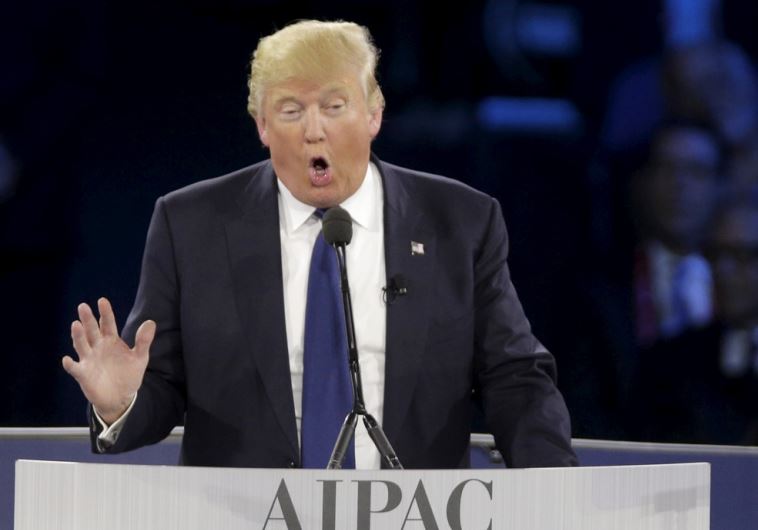
Republican US presidential candidate Donald Trump addresses AIPAC in WashingtonDonald Trump addresses the American Israel Public Affairs Committee (AIPAC) in Washington Photo By: REUTERS

America has decided.

Donald J. Trump has been elected as the 45th President of the United States of America.

For the next four years, Trump will be in charge of US foreign policy, will be Commander-in-Chief, with access to all intelligence gathered by the world’s most sophisticated spy agency, and will be the man that Israel will rely on for a key part of its security.

During his 18 month-long campaign, Trump promised many things, many of them that will have a great impact on Israel. And many of his positions go against many of the long-standing American policies towards Israel and the Middle East.

During Trump’s campaign speech to the American Israel Public Affairs Committee (AIPAC), he reiterated the fact that he is a “ lifelong supporter and true friend of Israel.” He’s also called the United Nations “utterly incompetent” and “weak”, saying that “the United Nations is not a friend of democracy, it’s not a friend to freedom, it’s not a friend even to the United States of America where, as you know, it has its home. And it surely is not a friend to Israel.”

So what can the Middle East and Israel, specifically, expect from President Trump?

Trump has promised to move the US embassy from Tel Aviv to Jerusalem and stop seeing the two-state solution as the way to end the Israel-Palestinian conflict. If that happens, the United States may well lose their reputation as an influential broker in the peace negotiations between Israel and the Palestinians.

Those two promises have not been forgotten by right-wing Israeli politicians, who have hailed Trump’s win as a victory for Israel.

Israeli Prime Minister Benjamin Netanyahu, whose policies broadly align him with the Republican ideology, did not have the best relationship with outgoing President Barack Obama, and has even been criticized of being reckless in making common cause with the Republican party, especially in regards to the nuclear deal with Iran.

Netanyahu grew up in Philadelphia (one of the few pockets that voted for Clinton in a state which was won by Trump) and was said to “be frightened” of both presidential candidates. But he congratulated Trump on his win, saying that “the unique bond” between the two countries “will be strengthened.”

Echoing Netanyahu’s statement, Israel’s Defense Minister, Avigdor Liberman congratulated Trump on his win, stating that he hopes to “maintain and strengthen the special relationship and friendship between the two countries.”

In Jerusalem, Mayor Nir Barkat stated that he is “confident that (Trump) will continue to empower our city by reaffirming it’s sovereignty and moving the US embassy to Jerusalem.” Israel’s Education Minister Naftalie Bennet called Trump’s win “an opportunity for Israel to immediately retract the notion of a Palestinian state in the center of the country, which would hurt our security,” adding that “the era of a Palestinian state is over.”

A regional security expert told The Jerusalem Post that there are “a few unknowns” about Trump’s policies towards Israel’s security, which makes it very difficult for Israel and its security agencies to predict the threat of the next regional conflict.

Hamas has called on Trump to reassess US policy “in favor of the Israeli occupation” and “to work on bringing justice to the Palestinians,” but it is unlikely that Trump will pay much heed to their request.

Many experts have told The Jerusalem Post that they are concerned not only about a possible uptick in violence in Israel and the West Bank if Trump follows through on his electoral promises, but that Washington, Israel’s closest ally, may now be moving closer to Moscow, which was accused of interference in the US elections.

Speaking to The Jerusalem Post, they said that Trump’s policies in the region may be detrimental for Israel, pointing towards Trump’s soft stance on Russian involvement in Syria.

Trump has criticized Obama’s handling of the war in Syria, including against the Islamic State and stated in the October 9th presidential debate that “I don’t like Assad at all, but Assad is killing ISIS. Russia is killing ISIS and Iran is killing ISIS.”

And while Trump stated during his AIPAC speech that his “number-one priority is to dismantle the disastrous deal with Iran,” promising to “stand up to Iran’s aggressive push to destabilize and dominate the region,” Moscow is supporting Tehran, both militarily and diplomatically.

Meir Javendafar, an Iranian policy expert told The Jerusalem Post that it is “unlikely” that Trump would break the nuclear deal with Iran because “in order to have Iran listen, or feel isolated from additional sanctions, you need to have Europe on America’s side. But if he breaks the deal, he loses Europe.”

A regional security expert told The Jerusalem Post that following the signing of the nuclear deal, Jerusalem had the ability to focus on the immediate threats to her border, but Trump has “a conflicting policy on Iran, which will embolden Iranian proxies like Hezbollah, who want to conclude their role in the Syrian conflict and strengthen their foothold in the Syrian Golan.”

Philip Smyth, adjunct at Washington Institute for Near East Policy and Researcher at the University of Maryland focusing on Shia jihadism and militias, told The Jerusalem Post that “for all of his complaints about Iran taking over Iraq, Trump allowing Russia to continue an unrestricted bombing campaign in Syria may mean that Iran is granted a greater hand to extend its influence and build their proxies’ fighting capabilities. What’s more, the groups Iran controls have stated quite openly that their next target is the Jewish state.”

Without any pressure from the West, Hezbollah will turn their sights back towards Israel.

The news for Israel’s southern border isn’t that much brighter.

Egyptian President Abdel Fattah el-Sissi was the first foreign leader to congratulate him on his win.

Relations between Jerusalem and Cairo have increased steadily since Sisi came to power in 2013, removing the elected President of Egypt, Mohamed Morsi of the Muslim Brotherhood.

Sisi has since cracked down on the Muslim Brotherhood, designating it as a terrorist organization in Egypt.

Israel has been lobbying for an improvement of ties between Cairo and Washington. And while Cairo has been cracking down on Hamas since the removal of Morsi, Cairo has been moving closer to the Russian and Iranian sphere of influence.

While it remains to be seen how Donald Trump’s victory will affect Israel’s security, it is clear that he faces a series of difficult decisions in a region consumed by deadly turmoil in his role as the 45th elected President of the United States.


twoje uwagi, linki, wlasne artykuly, lub wiadomosci przeslij do: webmaster@reunion68.com