Archive | November 2016

I Was A Refugee From The Soviet Bloc – This Is My Story

I Was A Refugee From The Soviet Bloc – This Is My Story

Artur Wilczynski


For many Canadians and Norwegians, stories of refugees can be distant and abstract. We watch news or follow social media about them from the safety of our comfortable lives. We see rivers of humanity trying to safely navigate and survive violent conflicts near and far. Images of desperate men, women and children tug at our collective conscience. Some of us are compelled to action — to sponsor families, donate to humanitarian organizations or lobby government. Others have questions.

What does the arrival of thousands of refugees mean to me and my family? Will we be safe? Will they integrate into Norwegian or Canadian society? How much will all of this cost?

Canada and Canadians have answered these questions about refugees before. We have the experience of rescuing waves of refugees. We have the will and we have the compassion. I know. My family and I have been there. I am one of them. This is my refugee story.

Double Displacement

My family has been forced from their homes twice since World War Two. As Polish Jews, they survived the Holocaust by fleeing across the border from Nazi to Soviet occupied Poland in the early days of the war. My father — just a toddler in 1939 — was taken east into the Soviet Union by my grandmother. They survived the war by living as displaced persons in Nizhny Tagil.
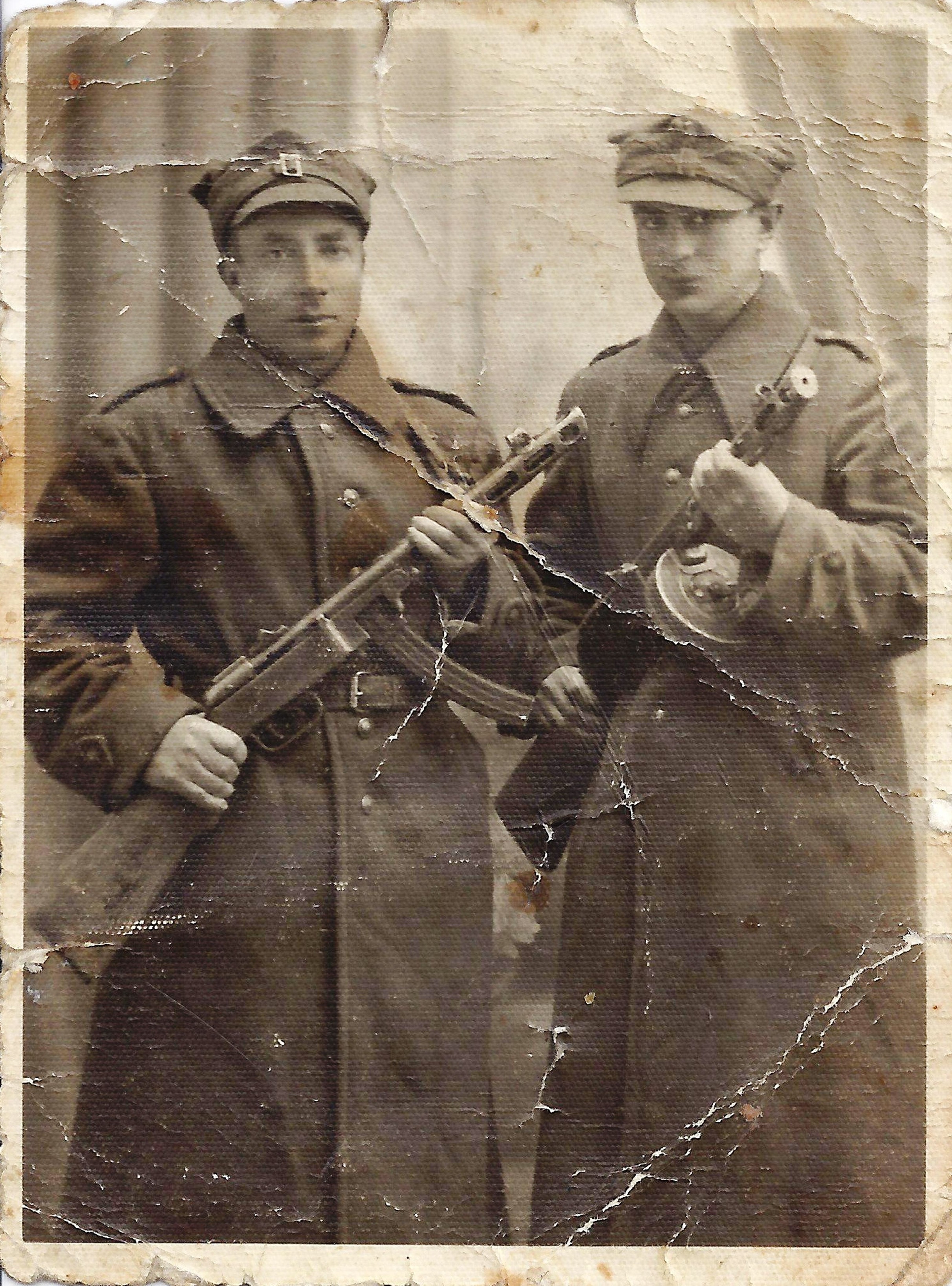
2015-11-28-1448733463-7868300-IMG_1041.jpgPhoto of my grandfather (right) in military uniform during WWII

[ It is remarkable how being saved from death and danger can elicit the strongest dedication to a country. ]

Mom was born in 1941 in the Ural Mountains on the periphery of the Soviet Union. Her mother too crossed into the Soviet Union to seek the relative safety of Russia and escaped Hitler’s genocide. Both my parents were saved by strong women while their husbands fought, and in one case — died during the War. My family only came back to Poland after it’s liberation from Nazi occupation. They made a life in Poland despite the devastation of the Holocaust. My grandparents were committed Communists dedicated to their vision of Poland. It is remarkable how being saved from death and danger can elicit the strongest dedication to a country.

The second time my family was displaced — I was forced to leave too. In 1968, after the 1967 Arab-Israeli War, the Communist regime in Poland broke its ties with Israel and acted against what remained of the Jewish Community. My parents were not able to work — they were forced to leave their country and were stripped of their citizenship. I was around two years old when we left. I have no memory of Łodz — the city I was born in — or the journey. What I have are stories from family and friends told over the years.

2015-11-28-1448733545-2631312-DSC00019.jpg

[ Our story isn’t exceptional. It’s Canadian. ]

While waiting in transit in Italy, we heard that cousins who arrived in Canada before World War Two, would sponsor us. We arrived in Canada in 1969 by ship. Like countless others, we arrived at Pier 21 in Halifax before making the journey to Montreal where my family settled. We didn’t just survive — we thrived. In kindergarten, I learned English and French. My parents worked in their chosen professions as an engineer and a medical researcher. They learned English — though they both still carry the accent of their youth. We integrated into the diversity of Montreal and Quebec. We felt at home in the city’s vibrant Jewish community. My little brother was born there and now has a family of his own in Vancouver.

A Canadian Story

Our story isn’t exceptional. It’s Canadian. We were helped by family, friends, immigrant serving organizations, schools and community. I had a great education in world class schools and have been blessed by incredible opportunities to serve my country as a public servant.

Some comments about today’s refugees are truly ironic to me. I was a refugee from the Soviet Bloc — at the time Canada’s existential enemy. I am an openly gay man — married to my partner of 28 years. Yet still, over time, I worked on national security issues at Public Safety Canada, became Director General of Security and Intelligence at Global Affairs Canada, and am now Ambassador of Canada to Norway. If people judged me based on where I came from, how I arrived in Canada or my personal identity, I would never have had the opportunities that brought me here. Instead Canadians based their judgments on what I did — my qualities and capabilities. I know Canadians will do the same for those who — over the coming weeks — will arrive on our shores; traumatized by what they endured and scared of what is still to come.

As these desperate people arrive, we should not begin with the assumption that that they are here to do us harm. While we should and will do what is needed to keep our country safe and secure, we must treat this latest wave of arrivals with dignity and compassion.

Open yourselves to them and their families. Welcome them. You’ve done it before. You’ve done it for me. For this is my Canada — and for what you have done for me and my family — Canada will have my everlasting love and commitment. Thank you Canada.
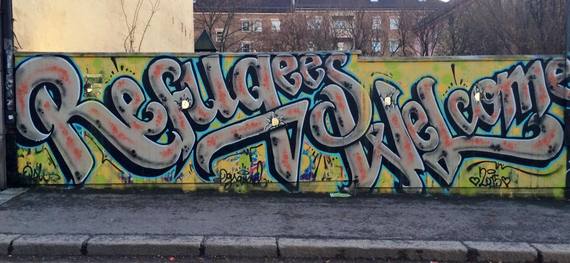
2015-11-28-1448733883-6892405-12273780_10154509008634460_1466740139246070014_o.jpgPhoto of street art — Refugees Welcome — taken in Oslo, Norway November 28, 2015

see more: Canada’s Response To Syria Refugee Crisis Since 2011
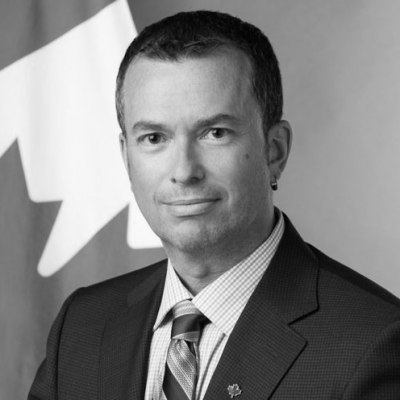

Artur Wilczynski HeadshotArtur Wilczynski

Canada’s Ambassador to Norway. Former Director General of Security & Intelligence at Global Affairs Canada. Writing about


twoje uwagi, linki, wlasne artykuly, lub wiadomosci przeslij do: webmaster@reunion68.com


WRĘCZENIE NAGRODY PEN CLUBU DLA ZESPOŁU EDYTORSKIEGO ARCHIWUM RINGELBLUMA

WRĘCZENIE NAGRODY PEN CLUBU DLA ZESPOŁU EDYTORSKIEGO ARCHIWUM RINGELBLUMA

ŻIH


W najbliższy poniedziałek 21 listopada 2016 r. Zespół Edytorski Pełnej Edycji Archiwum Ringelbluma otrzyma Nagrodę Edytorską Polskiego PEN Clubu im. Juliusza Żuławskiego.

„Ta nagroda to ogromne wyróżnienie dla wszystkich, którzy uczestniczyli w tym projekcie od jego rozpoczęcia w 1997 roku. Jest to również bardzo istotny krok na drodze do szerzenia wiedzy o Archiwum i jego twórcach, co jest przecież celem naszego działania” ­– mówi dr Katarzyna Person, koordynatorka projektu.

Łącznie planowane jest wydanie 35 tomów. Zespół Edytorski opublikował dotychczas 23 z nich. „Pozostałe są w druku lub w bardzo zaawansowanych pracach redakcyjnych” – podkreśla koordynatorka projektu. Prace nad pełną edycją trwały przez lata, a udział w niej wzięło wielu naukowców.

„W projekt zaangażowanych było 34 redaktorów poszczególnych tomów (z których pierwsze dwa redagowała wielka znawczyni Archiwum Ringelbluma, Ruta Sakowska) i ponad 40 tłumaczy, przede wszystkim z jidysz, ale również z hebrajskiego, niemieckiego i innych języków” – mówi dr Person.

„To oni, przywołując ponownie do istnienia zniszczone, często zatarte, prawie niewidoczne teksty: listy, dzienniki, relacje, eseje, opracowania naukowe, powieści, wiersze czy dokumenty urzędowe przywrócili pamięć o ludziach tworzących Archiwum i o tych, których opisywano na kartach dokumentów.” (dr Katarzyna Person)

„Prawie 20 lat temu, kiedy wydawano pierwszy tom serii i kiedy zbiory Archiwum nie były jeszcze dogłębnie zbadane nikt nie mógł ocenić jak wielkie będzie to przedsięwzięcie” ­– podsumowuje koordynatorka.

W imieniu Zespołu Edytorskiego nagrodę odbierze prof. Paweł Śpiewak, dyrektor Żydowskiego Instytutu Historycznego oraz koordynatorzy projektu: prof. Tadeusz Epsztein oraz dr Katarzyna Person. Nagrodę wręczą: Adam Pomorski, prezes Polskiego PEN Clubu, Małgorzata Horydowiec, dyrektor banku Pekao S.A, który jest fundatorem nagrody.

Uroczystość odbędzie się w auli Domu Literatury w Warszawie przy ul. Krakowskie Przedmieście 87/89 o godzinie 18:00.


twoje uwagi, linki, wlasne artykuly, lub wiadomosci przeslij do: webmaster@reunion68.com


Warszawski Festiwal Filmów o Tematyce Żydowskiej

Warszawski Festiwal Filmów o Tematyce Żydowskiej

Projekcje i spotkania w ramach 14. edycji festiwalu organizowanego przez Fundację Kamera Dawida WJFF.pl, którego muzeum jest głównym partnerem.

21-27 listopada, wstęp wolny, liczba miejsc ograniczona, wymagana rezerwacja na ceremonię otwarcia i zamknięcia festiwalu

Zobaczymy przegląd najnowszych filmów fabularnych i dokumentalnych, krótko- i pełnometrażowych, które zawalczą o Kamery Dawida w 12 kategoriach. Tegoroczna edycja dedykowana jest Martinowi Landauowi i Tadowi Taubemu.

Pobierz pełny program festiwalu [PDF]


21 listopada, poniedziałek, Muzeum POLIN

godz. 19.00 – CEREMONIA OTWARCIA FESTIWALU
22 listopada, wtorek JCC Warszawa

godz. 18.00 – Humus! (Hummus The Movie!), reż. Oren Rosenfeld, Izrael 2016, 70’, dokument
23 listopada, środa, Muzeum POLIN (o ile inaczej nie zaznaczono)

JCC WARSZAWA, godz. 14.00 – Przegląd filmów krótkometrażowych WJFF.pl, fabuły i dokumenty, 90’
godz. 16.00 – Spuścizna Goldfadena: historia teatru jidysz (Goldfaden’s Legacy: The Origins of Yiddish Theater), reż. Radu Gabrea, Rumunia 2004, 58’, dokument
godz. 17.15 – Żydzi na sprzedaż (Jews For Sale), Radu Gabrea, Rumunia 2012, 74’, dokument
godz. 19.15 – Izraelskie komedie krótkometrażowe.: Mały dyktator (The Little Dictator), reż. Nurith Cohn, Izrael 2015, 29′, Ave Maria, Basil Khalil, Palestine, France, Germany 2015, 15’, nominowany do Oscara 2016
godz. 20.45 – Przesłuchanie (The Interrogation), reż. Erez Pery, Izrael 2016, 80’, dramat
24 listopada, czwartek, Muzeum POLIN (o ile inaczej nie zaznaczono)

JCC WARSZAWA, godz. 14.00 – Przegląd filmów krótkometrażowych WJFF.pl – fabuły i dokumenty, 90’
godz. 14.00 – Ludzie Hitlera (Hitler’s People), reż. Peter Hartl, Niemcy, 80’, dokument
godz. 16.15 – Procesy norymberskie (Nuremberg Trials), reż. Peter Hartl, Niemcy 2016, 50’, dokument
godz. 17.45 – Kogut ze ściętą głową (The Beheaded Rooster), reż. Radu Gabrea, Austria / Niemcy / Węgry / Rumunia 2007, 98’, dramat
godz. 20.15 – Fritz Bauer kontra państwo (The People vs. Fritz Bauer), Lars Kraume, Niemcy 2015, 105’, dramat
25 listopada, piątek, Muzeum POLIN

godz. 13.45 – Żydzi Warszawy (Jews of Warsaw), reż. Daniel Strehlau, Polska 1997, 38’, dokument
godz. 15.00 – Przetrwać Skokie (Surviving Skokie), reż. Eli Adler & Blair Gershkow, USA 2015, 66’, dokument, Poprzedzony projekcją: Monachium ’72 (Munich ’72 and Beyond), reż. Stephen Crisman, USA 2016, 29’, dokument
godz. 17.30 – Aniołki (Little Angels), reż. Marco Niemeijer, Holandia 2015, 77’, dokument
godz. 19.30 – Claude Lanzmann: widma Szoa (Claude Lanzmann: Spectres of the Shoah), reż. Adam Benzine, Kanada 2015, 40’, dokument
godz. 20.30 – Dzień po żałobie (One Week and a Day), reż. Asaph Polonsky, Izrael 2016, 98’, komediodramat
26 listopada, sobota, Muzeum POLIN:

godz. 12.00 – Kronika mińskiego getta. O honor i wolność (The Chronicles of Minsk Ghetto), reż. Vladimir Łuckij, Ukraina 2015, 50’, dokument
godz. 13.45 – Przepis na kiszone (The Pickle Recipe), reż. Michael Manasseri, USA 2016, 97’, komedia
godz. 15.45 – Przy Planty 7/9 (Bogdan’s Journey), reż. Michał Jaskulski, Lawrence Loewinger, Polska 2016, 90’, dokument
godz. 18.00 – Za rok w Jerozolimie… Aliyah Dada (Aliyah Dada), reż. Oana Giurgiu, Rumunia 2015, 115’, dokument
godz. 20.45 – Historia przemocy (The Origin of Violence), reż. Élie Chouraqui, Francja, Niemcy 2016, 116’, dramat
27 listopada, niedziela, Muzeum POLIN

godz. 12.00 – Ślubowanie (The Oath), reż. Henryk Szaro, Zygmunt Turkow, Polska 1937, 60’, fabuła
godz. 13.30 – Samira, reż. Dalit Kimor, Izrael 2015, 40’, fabuła; Poprzedzony projekcją: Radykalny Żyd (The Radical Jew), reż. Noam Osban, USA 2016, 22’, dokument
godz. 14.45 – Niemcy i Żydzi (Germans and Jews), reż. Janina Quint, USA 2016, 76’, dokument
godz. 16.30 – Dziesiąty mężczyzna (The Tenth Man), reż. Daniel Burman, Argentyna 2016, 82’, fabuła
godz. 19.00 – CEREMONIA ZAMKNIĘCIA FESTIWALU

ADRESY KIN:

Muzeum Historii Żydów Polskich, ul. Anielewicza 6, 00-157 Warszawa
JCC Warszawa, ul. Chmielna 9A, 00-021 Warszawa


twoje uwagi, linki, wlasne artykuly, lub wiadomosci przeslij do: webmaster@reunion68.com


Wieczór Anny Frajlich OW SPP Dom Literatury w Warszawie

Wieczór Anny Frajlich OW SPP Dom Literatury w Warszawie

Stowarzyszenie Pisarzy Polskich Stowarzyszenie Pisarzy Polskich


Oddział Warszawski Stowarzyszenia Pisarzy Polskich
spotkanie z ANNĄ FRAJLICH i prezentacja tomu
Aby wiatr namalować.Tylko ziemia.
Spotkanie prowadzi Leszek Szaruga.
18 października 2016


twoje uwagi, linki, wlasne artykuly, lub wiadomosci przeslij do: webmaster@reunion68.com