Archive | August 2025

IPN wzywa władze Obwodu Smoleńskiego do pozostawienia polskich odznaczeń wojskowych na cmentarzu w Katyniu

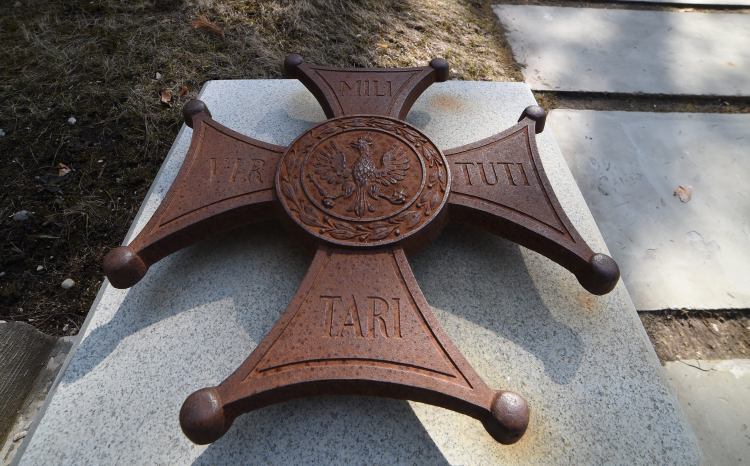
Polski Cmentarz Wojenny w Katyniu, 2015 r. Fot. PAP/Radek Pietruszka


.

IPN wzywa władze Obwodu Smoleńskiego do pozostawienia polskich odznaczeń wojskowych na cmentarzu w Katyniu

maku/ aszw/ mhr/


Instytut Pamięci Narodowej wyraził „stanowczy protest i potępienie” w związku z planami dewastacji przez władze Obwodu Smoleńskiego cmentarza ofiar Zbrodni Katyńskiej i wezwał do uszanowania miejsc pochówku polskich obywateli – poinformowano w opublikowanym w poniedziałek komunikacie.

Instytut Pamięci Narodowej wyraził „stanowczy protest i potępienie” w odpowiedzi na doniesienia rosyjskiej agencji INTERFAX, według których Smoleńska Obwodowa Duma planuje usunięcie elementów architektonicznych przedstawiających polskie odznaczenia wojskowe z cmentarza ofiar zbrodni NKWD w Katyniu.

„Według smoleńskiej prokuratury, na której opinii miejscowa Duma oparła swoją rezolucję, polskie symbole naruszają przepisy dotyczące obiektów dziedzictwa kulturowego i upamiętnienia zwycięstwa narodu sowieckiego w Wielkiej Wojnie Ojczyźnianej. Chodzi tu o Virtuti Militari, którym Polska uczciła wiktorię nad Rosjanami z 1792 r., oraz Krzyż Kampanii Wrześniowej, przypominający o niemiecko-sowieckiej agresji z 1939, pierwszej odsłonie II wojny światowej” – wskazał IPN.

IPN wzywa władze Obwodu Smoleńskiego do uszanowania miejsc pochówku polskich obywateli, ofiar Zbrodni Katyńskiej i „powstrzymania się od działań, które nie przystoją cywilizowanym narodom”. IPN apeluje również do Ministerstwa Spraw Zagranicznych oraz Ministerstwa Kultury i Dziedzictwa Narodowego o podjęcie stosownych działań w odpowiedzi na plany dewastacji przez władze Obwodu Smoleńskiego cmentarza ofiar Zbrodni Katyńskiej.

Ambasador Polski w Rosji Krzysztof Krajewski potwierdził w rozmowie z PAP, że „prokuratura w Smoleńsku dopatrzyła się uchybień formalnych, czyli niezgodnych z prawem sposobów zamontowania symboli takich jak Virtuti Militari i odniesień do kampanii wrześniowej”.

Związek Radziecki, uczestnicząc wspólnie z III Rzeszą w rozbiorze Polski, zajął w 1939 r. obszar o powierzchni ponad 190 tys. km kw. z ludnością liczącą ok. 13 mln osób. Wśród nich było około pięciu milionów Polaków, pozostali to Ukraińcy, Białorusini i Żydzi. Wiosną 1940 r. radzieckie NKWD zamordowało prawie 22 tys. obywateli polskich, w tym 14,5 tys. jeńców wojennych – oficerów służby czynnej i rezerwy, policjantów, funkcjonariuszy straży granicznej, KOP, straży więziennej – z obozów w Kozielsku, Starobielsku i Ostaszkowie oraz 7,3 tys. więźniów aresztowanych w okupowanej przez ZSRR wschodniej części Polski. Jeńców z obozu kozielskiego rozstrzelano w Katyniu, który stał się najbardziej znanym symbolem zbrodni, jeńców ze Starobielska – w Charkowie, zaś policjantów z Ostaszkowa – w Kalininie (ob. Twer). Ciała zamordowanych w Kalininie przewożono następnie do Miednoje i złożono w masowych grobach. (PAP)


Zawartość publikowanych artykułów i materiałów nie reprezentuje poglądów ani opinii Reunion’68,
ani też webmastera Blogu Reunion’68, chyba ze jest to wyraźnie zaznaczone.
Twoje uwagi, linki, własne artykuły lub wiadomości prześlij na adres:
webmaster@reunion68.com


Why the Dreyfus case matters now more than ever


.

Why the Dreyfus case matters now more than ever

Jonathan S. Tobin


Canceled because of its director’s crime, the best film made about the “Affair” belatedly arrives in the United States, posing difficult ethical, artistic and political questions.
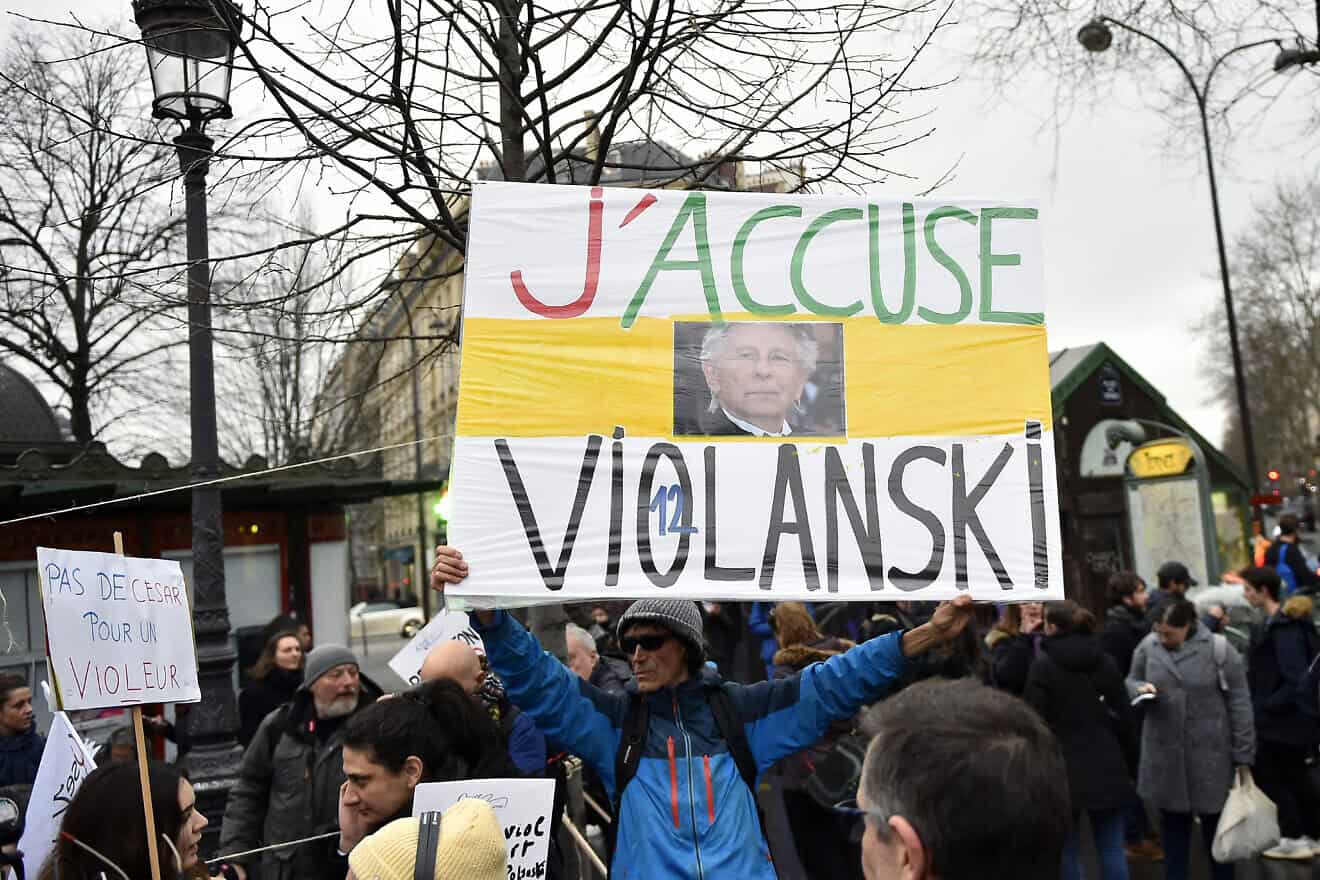
Rally-goers at the César Film Awards Ceremony protest the nominations of Roman Polanski’s French film “An Officer and a Spy” in Paris on Feb. 28, 2020. Photo by Aurelien Meunier/Getty Images.

For as long as people have cared about the arts, the question about whether one’s personal foibles or even crimes are more important than their work has always bedeviled audiences and critics. Perhaps no artist has embodied that dilemma more fully than the film director Roman Polanski, whose 2019 film “An Officer and a Spy” about the Alfred Dreyfus case 130 years ago in France is belatedly receiving a first screening in the United States with a limited engagement at the Film Forum in New York’s Greenwich Village.

The 91-year-old Polanski, who survived the Holocaust as a boy, is responsible for a long list of highly respected films, such as “The Pianist” (2002), “Chinatown” (1974) and the psychological thriller “Rosemary’s Baby” (1968), all of which won Oscar awards. His second wife, actress Sharon Tate, was murdered by the Charles Manson cult in 1969 in one of the most publicized crimes of the 20th century.

But his legacy is forever linked to the fact that he has himself been a fugitive from American justice since 1978, when he fled the country the day before he was to be sentenced by a California court for drugging and raping a 13-year-old girl.

Polanski had agreed to a plea bargain that would have had him confined to a psychiatric facility for three months; however, he learned that the judge was going to reject it and sentence him to 50 years in jail. He escaped to France, safe from extradition because of his French citizenship, eventually remarrying, raising a family and resuming his career, as well as continuing to win accolades for his work.
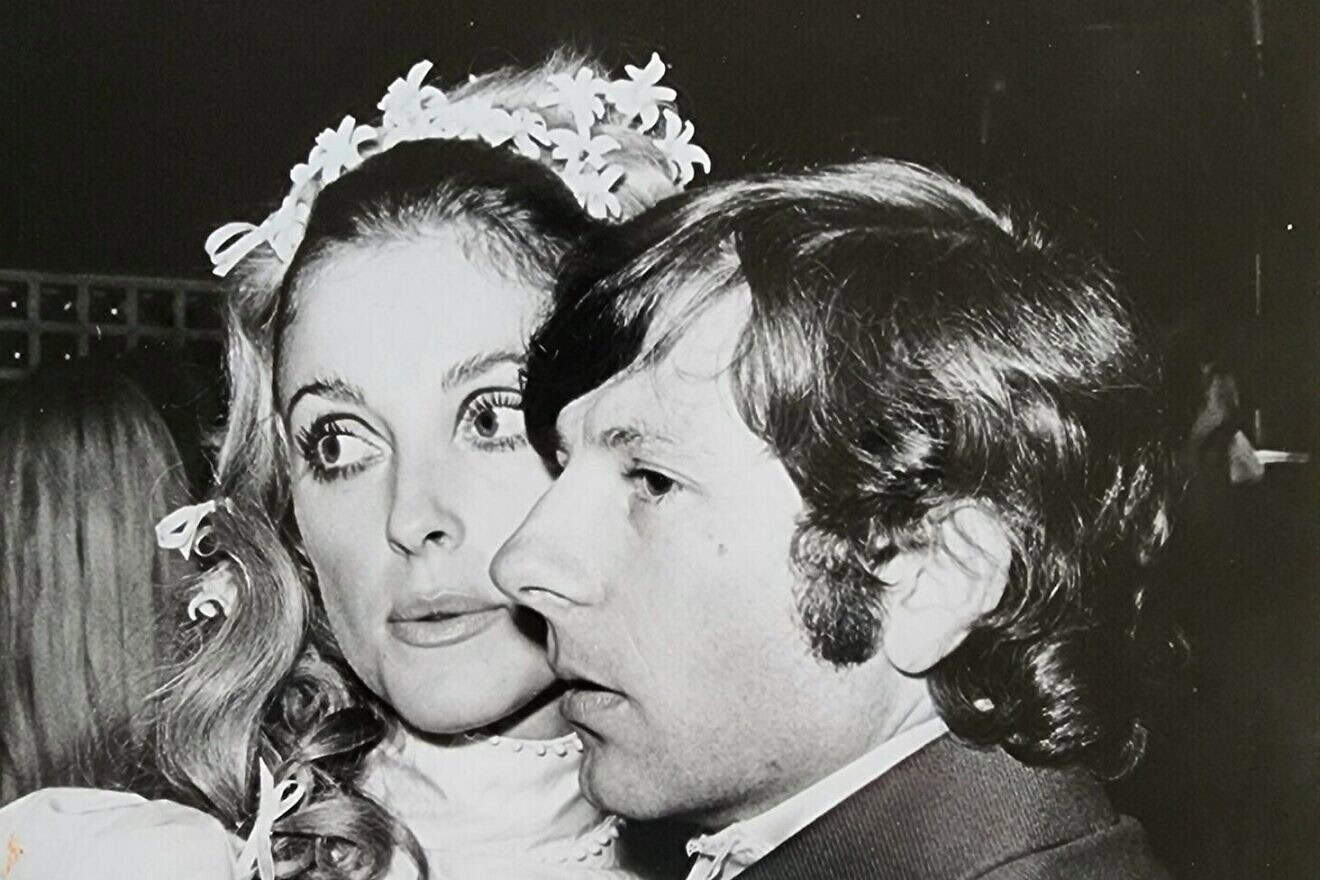
Roman Polanski and Sharon TateA publicity photograph of the wedding of Roman Polanski and Sharon Tate in 1968. Credit: Sylvia Norris/Public Domain via Wikimdia Commons.

A fugitive from justice

Since then, Polanski has been accused by other women of abuse during his time in Hollywood in the 1970s, but he has always seemed to consider himself more a victim, whether of the justice system and especially the press, than a criminal. He managed to avoid any accountability until 2009, when he was arrested in Switzerland at the request of the United States. But a Zurich court rejected the American extradition request and freed him. Though reportedly the Interpol alert issued in 1978 that had limited his travel to France, Switzerland and Poland is still in effect, he is no longer on its wanted list.

The difficult question of whether his crime should mean that his work shouldn’t be seen has been revived with the New York showing of the French-language “An Officer and a Spy,” which was originally shown in France under the title “J’ACCUSE.” Indeed, the Film Forum posted a trigger warning about it on its website, acknowledging that many believe that the director’s work ought not to be shown because of his sexual-assault conviction and other allegations.

The film won a raft of important European film awards, including multiple Césars, known as the French Oscars. But in the wake of the rise of the #MeToo movement in 2017, some denounced the acclaim it received, and it didn’t get a distributor in the United States. Nor was it ever released on home video in the American market. While many in the film industry had rallied to his defense during his Swiss imprisonment, the ranks of those actors and fellow directors willing to speak up for him either out of friendship or respect for his artistic genius have thinned.

The debate about Polanski and this film has been exacerbated by the fact that he was open about saying that he identifies closely with the fate of Alfred Dreyfus, the French Jewish military officer falsely accused of treason and sent to Devil’s Island before eventually being vindicated. Dreyfus, however, was innocent. Polanski was clearly guilty of the crime for which he was to be sentenced. The comparison is absurd—an insult to the memory of Dreyfus and an illustration of the director’s insufferable narcissism.

Though Polanski may be deplored as an individual, the film is certainly worth seeing. It is based on the brilliant novel An Officer and a Spy by the British author David Harris, who was encouraged to write about the subject by Polanski. Both the book and the movie provide a good introduction to a case that has been the subject of innumerable volumes as well as a few cinematic adaptations. Indeed, if one were to see just a single film about the case, it would have to be this one. It’s far superior to any previous such effort, including the 1937 “The Life of Emile Zola,” the 1958 “I Accuse” and the 1993 “Prisoner of Honor,” all of which had some virtues.

A man of honor

Harris’s novel and Polanski’s film are different in one way because the main protagonist of the story related in the screenplay (co-written by Harris and Polanski) is not the victim, Dreyfus. Instead, its focus is Georges Picquart, the man who—though largely forgotten by history—did more to win Dreyfus’s freedom than anyone else involved in the controversy.

What makes that so remarkable is that Picquart, then the youngest colonel in the French army and who had been his instructor at a staff college, neither liked Dreyfus or Jews, in general. A rising star in an institution where antisemitism ran rampant, the cultured Picquart was typical of his class and despised the bourgeois, unsociable and rich Jewish officer. After being appointed the head of military intelligence in 1895, he uncovered what at first he thought was a second German spy, another French officer named Ferdinand Walsin Esterhazy. He soon uncovered definitive proof that there was only one spy, Esterhazy, and that Dreyfus had been wrongly convicted.

Told to bury the damning evidence, Picquart—a man of honor, even if he was as hostile to the Jews as his peers—refused to do so. As a result, he was demoted, isolated and eventually imprisoned on other false charges. But by bringing the truth to the attention of the Dreyfus family and to French author Emile Zola, whose famous essay “J’Accuse … !,” revived the debate about the case, the path to the falsely accused victim’s redemption was set.
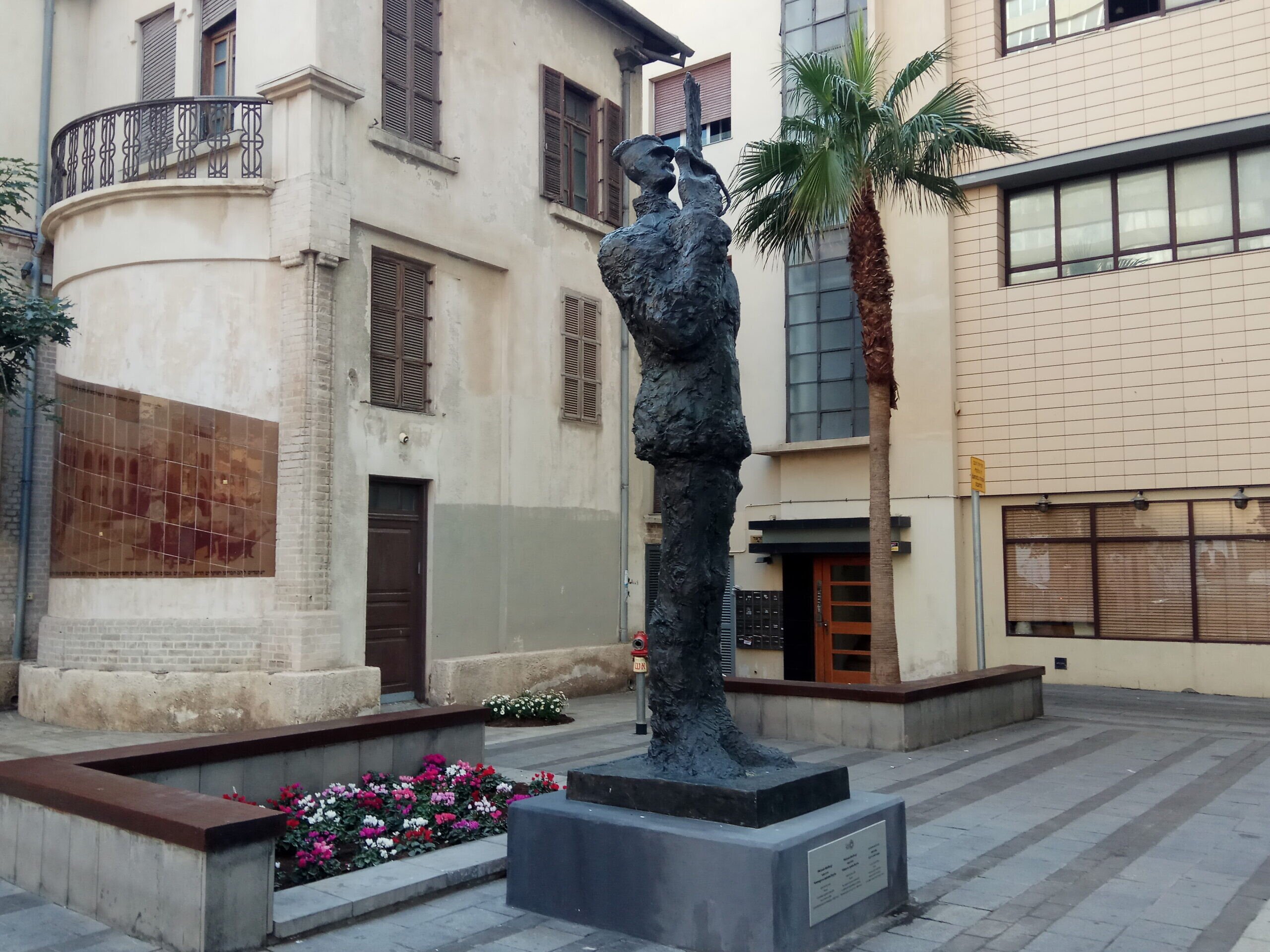
Alfred Dreyfus Monument in Tel AvivA monument to French Jewish artillery Capt. Alfred Dreyfus in Tel Aviv, Nov. 30, 2018. Credit: Dr. Avishai Teicher via Wikimedia Commons.

Polanski’s film unravels how Picquart learns the truth, and how both his superior officers and one of his subordinates—the despicable Major Hubert-Joseph Henry, who had forged some of the original evidence against Dreyfus and perjured himself in court—turned on him for not going along with their lies. Each step of the way in what is an even more complicated story than superficial students of the case may know—from the opening scene depicting Dreyfus’s appalling degradation in the courtyard of the École Militaire with a mob screaming for his death and that of the Jews, to Picquart’s astonishment at the dishonesty of his fellow officers to the trials where the truth comes out but is still denied by the courts—is heartbreaking. Indeed, so convincing is the account of how the plot unraveled that it’s almost possible to forget that we know how the story will turn out.

Of particular note is the performance of French actor Jean Dujardin, best known to international audiences for winning an Oscar for his role in the 2011 silent film “The Artist.” His Picquart manages to be both an imperturbable and somewhat stoic military type, yet so invested in the idea of integrity and honesty that he was willing to destroy his own career and life, as well as that of his married mistress, Pauline Monnier (played by Polanski’s real-life wife, Emmanuelle Seigner). Louis Garrel similarly embodies the desperation of Dreyfus, a man caught in a nightmare he knows is rooted in the Jew-hatred of the country he loves.

The case split France down the middle and illustrated scholar Ruth Wisse’s teaching that antisemitism is a way to weaponize hate against Jews to achieve a political end. In the case of Dreyfus, the Catholic army establishment desired to achieve dominance in a republic where arguments that had begun during the French Revolution a century earlier remained unresolved. As we learn, it’s not the justice system that achieves the officer’s vindication as much as it is a shift in the country’s political mood that brought to power Dreyfus and Picquart’s advocates.

Though six years old, the movie is particularly timely at a moment when, once again, hatred is on the rise and lies about the Jews—this time not an isolated French officer but the Jewish state itself—are similarly being concocted out of whole cloth and spread by those who should know better.

Polanski, and perhaps some of his admirers, seem to think that his status as a survivor provides some insight into his behavior and maybe even something like a pass for his misdeeds. Polanski’s childhood trauma helped form him. His Catholic mother died in Auschwitz, and his Jewish father survived Mauthausen, while the 10-year-old Polanski escaped from the Krakow Ghetto and was then hidden by Polish Catholics.

Still, however much we may sympathize with that aspect of his biography, it can’t grant him absolution for abusing girls and young women. Nor does his great art mean that we should ignore his crimes.
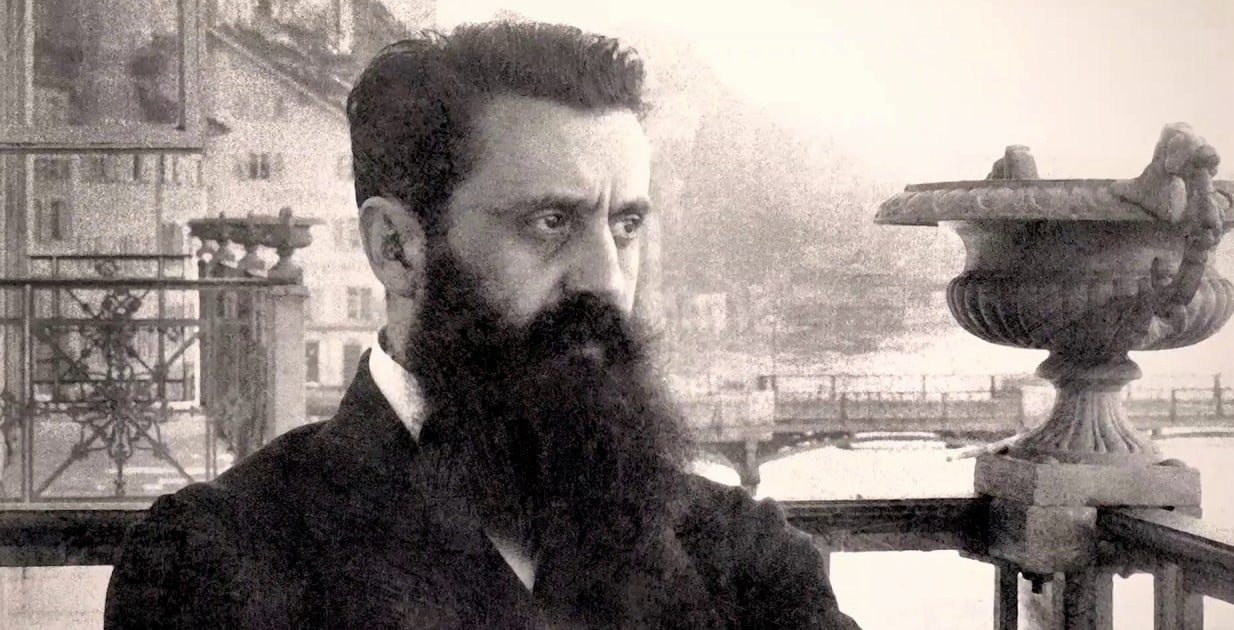
Theodor HerzlAustro-Hungarian journalist and founder of modern-day Zionism, Theodor Herzl. Source: YouTube.

An unanswerable question

The question of whether we can separate the artist from his art is as unanswerable with respect to Polanski as it has been for anyone else whose personal behavior or beliefs were repugnant but produce work that is not only admired but also elevates humanity. It’s worth noting that the music of the vicious antisemite Richard Wagner, whose operas still hold the stage, was loved by Picquart as well as Theodor Herzl, the founder of modern Zionism. Herzl witnessed Dreyfus’s degradation and was in part influenced by the case during the period when he was writing his seminal book The Jewish State. It’s easier to think of the world as divided between good and bad people, and that we must always shun the latter. But the truth is that bad people can create good art that helps inspire good people to do great and noble things.

I understand and sympathize with those who believe that Polanski should have spent the last half-century rotting in jail rather than living the good life in Europe making movies. And yet I also understand and sympathize with those who would answer that the world would be much poorer without the art that Polanski created during those years, in particular, films like “The Pianist” and “An Officer and a Spy,” which do so much to inform and elevate our discourse on important issues like the Holocaust and antisemitism.

The questions this version of a well-known story asks pointedly are those we must ask ourselves today. Are we willing to stand up against mobs spewing hate against Jews like those who howled at Dreyfus? Is it possible to defy a widely believed consensus that holds that the Jews are guilty of terrible crimes because it is so much easier to go along with that prejudice?

Georges Picquart’s answer to those questions, like that of righteous gentiles in every generation, was “yes.” And while for a time he was crushed by the enemies of the truth, eventually, he and Dreyfus won. Both were returned to the army, with Picquart promoted to the rank of general and made Minister of War by Dreyfusard politician Georges Clemenceau (who would lead France to victory a decade later in World War I).

The two men who were the heroes of the story never became friends; indeed, they actually resented as well as respected each other. But as the film’s final scene relates, Dreyfus understood that his freedom was won primarily by the fact that Picquart did his duty irrespective of prejudice or personal advantage. While we should ignore Polanski’s claim to be another Dreyfus, the message his film brings is one that should challenge every honest person to do the same—and refuse to be complicit in another generation of antisemitic lies.
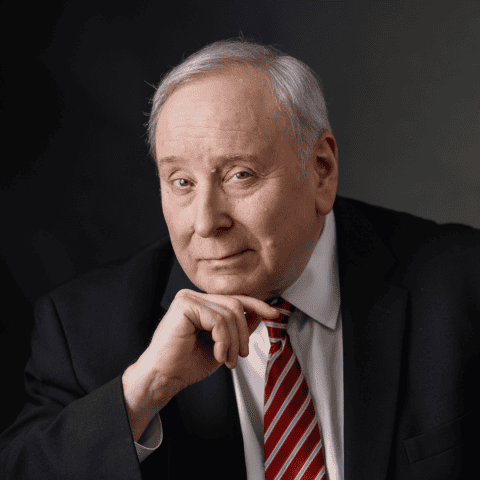

Jonathan S. Tobin is editor-in-chief of the Jewish News Syndicate, a senior contributor for The Federalist, a columnist for Newsweek and a contributor to many other publications. He covers the American political scene, foreign policy, the U.S.-Israel relationship, Middle East diplomacy, the Jewish world and the arts. He hosts the JNS “Think Twice” podcast, both the weekly video program and the “Jonathan Tobin Daily” program, which are available on all major audio platforms and YouTube. Previously, he was executive editor, then senior online editor and chief political blogger, for Commentary magazine. Before that, he was editor-in-chief of The Jewish Exponent in Philadelphia and editor of the Connecticut Jewish Ledger. He has won more than 60 awards for commentary, art criticism and other writing. He appears regularly on television, commenting on politics and foreign policy. Born in New York City, he studied history at Columbia University.

Zawartość publikowanych artykułów i materiałów nie reprezentuje poglądów ani opinii Reunion’68,
ani też webmastera Blogu Reunion’68, chyba ze jest to wyraźnie zaznaczone.
Twoje uwagi, linki, własne artykuły lub wiadomości prześlij na adres:
webmaster@reunion68.com


Where the Nazis Failed, America’s Largest Teachers’ Union Now Aims to Succeed


.

Where the Nazis Failed, America’s Largest Teachers’ Union Now Aims to Succeed

Shlomo Levin


A drone view of the “Arbeit macht frei” gate at the former Auschwitz concentration camp ahead of the 80th anniversary of its liberation, Oswiecim, Poland, Jan. 10, 2025. Photo: REUTERS/Kacper Pempel

Dr. Gregory Stanton, founder of Genocide Watch, argues that genocide unfolds through a ten-step process. It begins with early warning signs like discrimination and dehumanization, then escalates into violent persecution and extermination. But Stanton’s final stage might come as a surprise. He says genocide culminates with denial, and that denial is an integral part of the process itself.

Of course, denial can help relieve the conscience of the perpetrators, or be part of their efforts to shield themselves from legal culpability. But according to Stanton, denial is actually a final act of violence towards the victims. It completes their destruction by assaulting even the memory of the victim group, causing not only further psychological anguish but also cultural erasure.

This last step the Nazis were largely unable to achieve. How they singled out, persecuted, and ultimately mass murdered Jews is on display in museums worldwide. Jewish youth return to Auschwitz each year for the March of the Living, keeping the death camps and the memory of what took place there preserved.

But where the Nazis failed, the United States’ largest teachers’ union now aims to succeed.

The National Education Association (NEA), which represents nearly three million public school teachers, just released a new handbook instructing teachers to no longer tell their classes that Jews were the primary target of the Holocaust. Instead, they are now supposed to say that the Nazis killed “millions of victims of different faiths.”

The fact that Jews were taken to the gas chambers solely because of their religion is to be covered up; that the Holocaust was an assault on European Jewry is something they want to erase.

Why the change? The political context makes it clear. In the NEA’s view, the memory of Jewish persecution at the hands of the Nazis is being improperly used to exempt Israel from scrutiny over its conduct in Gaza, and the legacy of the Holocaust is causing undue hesitation in accusing Israel of genocidal conduct.

Believing that Jewish persecution by the Nazis has been misappropriated in defense of Israel, the NEA seeks to sever this link between the Holocaust and Jews.

And of course, they have a point about how history can be misused. Clinging to historical grievances often fuels efforts to correct past injustices. And all too easily, that impulse can lead to inflicting new injustices on others

But the NEA seems to have no such compunctions when it comes to the history of Palestine. The new manual goes into great detail about “the Nakba.” Teachers are to tell students that the establishment of the State of Israel resulted in the violent, forced displacement of at least 750,000 Palestinians from their homeland. They claim this is important in order to help understand what they call the ongoing trauma of Palestinian Americans today.

But doesn’t this kind of Nakba education risk inflaming tensions and fueling further violence? By their logic, wouldn’t it be better to offer a more generic description — something like, “When the State of Israel was established, some people of various ethnicities relocated to new places.”

After all, history has shown us that the ongoing effort by many Palestinians to rectify what they perceive as the injustice of 1948 has repeatedly led to violence against Israelis and Jews.

It seems that the NEA’s real aim is not to revise history in order to defuse its potential for fueling violence in the present, but rather to weaponize it in support of the Palestinians’ cause against Israel. Unfortunately, this will only plant the seeds for more conflict in the future.

We can’t achieve peace by denying the history or suffering of others. That only deepens resentment and hatred — and eventually, it will resurface. The path to peace begins with a willingness to face the past honestly: to acknowledge the pain, injustice, and harm both experienced and inflicted by all sides. From that shared reckoning, the foundations of peace can finally take hold

Memory of the Holocaust certainly should not be used to exempt Israel from legitimate criticism or scrutiny. But the solution is not to deny that the Holocaust was an attempt to destroy the Jewish people. Instead, we have to make sure that when we say never again, we mean never again for anyone — not for us, not for Palestinians, not for anyone else.


Shlomo Levin is the author of the Human Rights Haggadah, and he uses short fiction and questions to explore human rights at https://shalzed.com/


Zawartość publikowanych artykułów i materiałów nie reprezentuje poglądów ani opinii Reunion’68,
ani też webmastera Blogu Reunion’68, chyba ze jest to wyraźnie zaznaczone.
Twoje uwagi, linki, własne artykuły lub wiadomości prześlij na adres:
webmaster@reunion68.com


Palestyńczycy zabierają głos: Prawdziwy powód, dla którego Hamas chce ich “poświęcić”

“Oświadczenie Chalila al-Hajji o poświęceniu Gazy nie jest przejęzyczeniem – to zdjęcie maski z twarzy. Kiedy mówi, że Gaza “składa się w ofierze”, ma na myśli, że mieszkańcy Gazy zostali sprzedani… Wymienieni na podniesienie znaczenia w Teheranie, brawa w Dosze…” — Hamza Howidy, urodzony w Gazie obrońca pokoju i praw człowieka. Na zdjęciu: Al-Hajja przemawia w Al Dżazirze w czerwcu 2025 r. (zdjęcie: X.com/Osint613)


.

Palestyńczycy zabierają głos: Prawdziwy powód, dla którego Hamas chce ich “poświęcić”

Khaled Abu Toameh
Tłumaczenie: Małgorzata Koraszewska


W przededniu islamskiego święta Eid al-Adha (Święta Ofiarowania) przywódca Hamasu Chalil al-Hajja – odpowiedzialny za negocjacje w sprawie uwolnienia zakładników i zawarcia porozumienia o zawieszeniu broni z Izraelem – wygłosił przemówienie, w którym powiedział: “Gaza złożyła siebie w ofierze za muzułmańską ummę [naród] i zasługuje w zamian na pełne wsparcie“.

Oświadczenie Al-Hajji wywołało falę gniewnych reakcji i potępień ze strony wielu Palestyńczyków, zwłaszcza tych ze Strefy Gazy, którzy od 7 października 2023 r., kiedy to Hamas i tysiące “zwykłych” Palestyńczyków najechało Izrael i zamordowało 1200 Izraelczyków i obywateli zagranicznych, stanęli w obliczu śmierci i zniszczenia. Kolejne 251 Izraelczyków porwano do Strefy Gazy, gdzie 55 – żywych i martwych – pozostaje w niewoli.

W tradycji islamskiej Eid al-Adha honoruje gotowość patriarchy Abrahama do poświęcenia własnego syna jako aktu posłuszeństwa wobec nakazu Boga. W Koranie historia poświęcenia Abrahama jest kluczowym wydarzeniem, ukazującym jego niezachwiane posłuszeństwo Bogu. Abraham otrzymał wizję we śnie, że ma poświęcić swojego syna. Gdy miał spełnić wizję, Bóg interweniuje, zastępując jego syna baranem.

Podobnie jak większość wysokich rangą przywódców Hamasu, al-Hajja i członkowie jego rodziny mieszkają poza Strefą Gazy. Uciekli ze Strefy Gazy przed atakiem na Izrael 7 października. Ci przywódcy Hamasu prowadzą bezpieczne, luksusowe życie w Katarze, Libanie, Algierii, Turcji i innych krajach.

Palestyńczycy wyrazili oburzenie, że wysoki rangą funkcjonariusz Hamasu porównał ich do jagniąt składanych w ofierze w dżihadzie (świętej wojnie) organizacji terrorystycznej przeciwko Izraelowi. Według Hamasu od początku wojny, którą Hamas rozpoczął 7 października 2023 r., zginęło ponad 55 tysięcy Palestyńczyków.

Dla tych Palestyńczyków wypowiedzi Al-Hajji są przykładem całkowitego lekceważenia przez przywódców Hamasu życia mieszkańców Strefy Gazy, którzy nadal płacą wysoką cenę z powodu odmowy grupy terrorystycznej wydania wszystkich zakładników, rozbrojenia się i oddania kontroli nad Gazą. Hamas, jak twierdzą, postanowił poświęcić dziesiątki tysięcy Palestyńczyków, aby zadowolić swoich patronów w Katarze i Iranie.

Hamza Howidy, pochodzący z Gazy obrońca pokoju i praw człowieka, powiedział, że przywódcy Hamasu postanowili poświęcić swoich ludzi w służbie Katarowi i Iranowi.

“Oświadczenie Chalila al-Hajji o poświęceniu Gazy nie jest przejęzyczeniem – to zdjęcie maski z twarzy. Kiedy mówi, że Gaza ‘złożyła siebie w ofierze’, ma na myśli, że mieszkańcy Gazy zostali sprzedani – nie za sprawę, nie za wyzwolenie, ale sprzedani zagranicznym stolicom i tronom, które widzą w palestyńskiej krwi nic więcej niż środek nacisku.

Gaza nie ‘składa się w ofierze’ – została ‘sprzedana’. Sprzedana za wzrost znaczenia w Teheranie, za oklaski w Dosze i za zaproszenia na szczyty, na których mężczyźni w garniturach będą sobie gratulować lojalności [wobec Iranu i Kataru], podczas gdy całe dzielnice [w Strefie Gazy] są zrównane z ziemią…

Al-Hajja ujawnił – z niepokojącą dumą – że Hamas nigdy nie uważał Gazy za społeczeństwo, które ma budować i chronić, ale za narzędzie do wywyższania się w oczach dziedzicznych monarchów i ideologicznych władców. To śmierć na zlecenie. To zamiana populacji w widowisko męczeństwa, aby zabezpieczyć długoterminowe kontrakty władzy i ochrony od patronów, którym naprawdę służą.

‘Naród muzułmański’, na który powołuje się, nie jest jakąś zjednoczoną siłą moralną. To eufemizm dla [Korpusu Strażników Rewolucji Islamskiej] IRGC. Dla katarskiej elity rządzącej, która finansuje ogień z bezpiecznej odległości, a następnie przyjmuje podpalaczy [Hamasu] jako mężów stanu. Hamas składa Gazę w ofierze nie Bogu, nie wolności, ale tym samym siłom, które najbardziej korzystają z niekończącej się wojny – ponieważ wiedzą, że Gaza w ruinie sprawia, że są ważni, finansowani i budzą strach”.

Mieszkaniec Strefy Gazy, “Alaa z Gazy”, napisał, że oświadczenie Al-Hajji dowodzi, że przywódcy Hamasu mieszkający w Katarze nie zdają sobie sprawy z cierpień swojego ludu w Strefie Gazy.

“To wigilia święta Eid Al-Adha w całym świecie islamskim, czas, który przed 7 października przynosił radość i świętowanie w Gazie. Ale nasze życie zostało skradzione…

Ludzie w Gazie, w tym moja rodzina i przyjaciele, są wściekli. Pytają: jak on [Chalil al-Hajja] śmie mówić w naszym imieniu, skoro mieszka bezpiecznie za granicą ze swoją rodziną w Katarze?…

Jego słowa nawiązują do czegoś jeszcze bardziej przerażającego, co powiedział kiedyś nieżyjący już przywódca Hamasu Ismail Hanija: ‘Potrzebujemy krwi dzieci i kobiet, aby obudzić w nas ducha rewolucji’ .

Co to za ideologia? Jaka pokręcona logika pozwala ludziom żyjącym w komforcie zamieniać cierpienie całego narodu w slogan? Nie potrafię opisać, jaki jestem teraz wściekły. Chcę bić głową w ścianę. Naprawdę nie mogę zrozumieć, jak myśli to tak zwane przywództwo”. [Podkreślenie w oryginale]

Zaher Abu Hussein, inny Palestyńczyk, skomentował to następująco:

“Chalil al-Hajja składa krew dzieci i kobiet z Gazy w ofierze… na ręce Najwyższego Przywódcy Persji (Iranu)…

Po tym, jak cała Gaza została poświęcona na ołtarzu irańskiego projektu, po tym, jak domy zamieniły się w groby, a dzielnice w popioły, Chalil al-Hajja pojawił się publicznie, aby dopełnić rytuału: rytuału lojalności i poddania się [irańskiemu reżimowi]…

Chalil al-Hajja nie reprezentuje nas. Raczej reprezentuje irańską agencję w Palestynie, reprezentuje projekt, który zamienił kwestię [palestyńską] w płatnego zabójcę, a męczenników w karty negocjacyjne. Ktokolwiek oddaje Gazę Iranowi, nie jest z Palestyny”.

Abu Karmel, kolejny Palestyńczyk, napisał na X:

“W naukach islamu i szariatu nie ma czegoś takiego jak składanie ludzkich ‘ofiar’ w celach świeckich lub politycznych. Ofiary składane są Bogu, ale nie w formie ludzkich istnień w celu odkupienia grupy lub organizacji politycznej, jak chcą Chalil al-Hajja i jego gang…

Czy ktokolwiek konsultował się z mieszkańcami Gazy, zanim złożył ich jako ‘ofiarę’ na ołtarzu Bractwa Muzułmańskiego? [Hamas jest odłamem organizacji Bractwa Muzułmańskiego]…

Oświadczenia przywódców Hamasu, w których lekceważą kwestię palestyńskiej krwi, zmuszają nas do zastanowienia się nad zdolnościami umysłowymi tej grupy, która traktuje mieszkańców Gazy jak owce i ludzkie ofiary składane na ołtarzach ich programu [służby] Bractwu Muzułmańskiemu i Teheranowi.

Czy ci ludzie są chorzy psychicznie?
Czy to jest mentalność przywódców politycznych, którzy występują w imieniu narodu palestyńskiego?
Czy cierpią na problemy psychologiczne i psychiczne, które sprawiają, że składają takie oświadczenia?…

Jak długo ta banda [Braci Muzułmańskich] będzie usprawiedliwiać zabijanie naszego ludu w imię oporu i religii?”

Ihab Hassan, palestyński aktywista praw człowieka, stwierdził:

“Mamy do czynienia z psychopatami, którzy są gotowi poświęcić całą Gazę – jak zawsze jasno dawali do zrozumienia. Precz z Hamasem!”

Szanowany palestyński politolog, Fouad Alkhatib, były mieszkaniec Strefy Gazy, który przeprowadził się do USA, potępił Hamas, nazywając go “kultem śmierci”.

“W Gazie wybucha bunt w mediach społecznościowych wśród Palestyńczyków, którzy są wściekli na słowa szefa Hamasu Chalila al-Hajji dotyczące Eid Al-Adha. Wysłał życzenia Eid i powiedział, że Gaza przedstawia się jako ‘ofiarny Qurban’ czyli ‘ofiarny baranek’ dla wszystkich narodów arabskich i muzułmańskich! Mówiłem to już wiele razy: Hamas jest kultem śmierci, który dokonuje ofiar z ludzi i należy powstrzymać go przed poświęceniem tego, co pozostało z Gazy!”

W innym poście na X, Alkhatib napisał:

“Hamas to średniowieczna organizacja terrorystyczna, która dosłownie angażuje się w składanie ludzkich ofiar z Palestyńczyków z Gazy. Jeśli nadal popierasz tę nikczemną islamistyczną grupę bandytów, jesteś z natury antypalestyński; nie mów o losie Palestyńczyków, jeśli to robisz”.

Reakcje Palestyńczyków na oświadczenie przywódcy Hamasu świadczą o tym, że coraz więcej Palestyńczyków zdaje sobie sprawę z tego, że wspierana przez Iran organizacja terrorystyczna nie dba o ich bezpieczeństwo ani dobrostan i jest gotowa poświęcić jak najwięcej ludzi, aby osiągnąć swój cel, jakim jest zabijanie Żydów i zniszczenie Izraela.

Taka krytyka nie wystarczy jednak, aby odsunąć Hamas od władzy. Jeśli Palestyńczycy ze Strefy Gazy nie chcą być traktowani jak owce na rzeź, muszą zbuntować się przeciwko Hamasowi i zdystansować się od Kataru i reżimu irańskiego. Do tego czasu, niestety, więcej Palestyńczyków będzie nadal poświęcanych, aby zaspokoić pragnienia organizacji terrorystycznej Bractwo Muzułmańskie i władców Kataru i Iranu.


Zawartość publikowanych artykułów i materiałów nie reprezentuje poglądów ani opinii Reunion’68,
ani też webmastera Blogu Reunion’68, chyba ze jest to wyraźnie zaznaczone.
Twoje uwagi, linki, własne artykuły lub wiadomości prześlij na adres:
webmaster@reunion68.com


Mounting Evidence Reveals Al Jazeera ‘Journalist’ Anas Al-Sharif’s Extensive Hamas Ties


.

Mounting Evidence Reveals Al Jazeera ‘Journalist’ Anas Al-Sharif’s Extensive Hamas Ties

Ethan Kaufman


Journalists and media workers protest after Al-Jazeera personnel killed in Gaza, in Barcelona, Spain, Aug. 13, 2025. Photo: Marc Asensio/NurPhoto via Reuters Connect

Evidence has emerged that Anas al-Sharif, one of Al Jazeera Arabic’s most prominent correspondents in Gaza, may have operated as a political operative for Hamas prior to and during the Palestinian terrorist group’s ongoing war with Israel.

Records and public footage indicate al-Sharif worked on a Hamas-linked media team before joining Al Jazeera, maintained ties with senior Hamas leadership, and was singled out by anti-Hamas protesters in March 2025 as part of the group’s ruling establishment.

The Israel Defense Forces claimed that al-Sharif, who was killed on Aug. 10 along with four colleagues in an Israeli airstrike near Gaza City’s al-Shifa Hospital, was “the head of a Hamas terrorist cell and advanced rocket attacks on Israeli civilians and IDF troops.” IDF international spokesman Lt. Col. Nadav Shoshani added on X that Israel obtained intelligence showing al-Sharif was “an active Hamas military wing operative at the time of his elimination” and even received a salary from the terrorist group.


The IDF released photographs it said showed him with Hamas leaders Yahya Sinwar, Khalil al-Hayya, and others, as well as a guest at Hamas gatherings, including some before his current rise to prominence since 2023.

The BBC noted that al-Sharif had worked directly on a Hamas-affiliated media team before the war. This background helped position him to become one of Al Jazeera’s most recognizable Gaza correspondents, ultimately earning him the moniker “The Voice of Gaza” on the network.

According to recently surfaced court documents, al-Sharif allegedly praised Hamas on Oct. 7, 2023, the day the terrorist group invaded southern Israel, killed 1,200 people, and kidnapped 251 hostages while perpetrating widespread sexual violence.

“Nine hours and the heroes [of Hamas’s Qassam Brigades and other fighters] are still roaming through the houses [of Israelis] killing and capturing,” he allegedly said in a pro-Hamas Telegram group. “God, God, how great they are!” The post has been widely circulated in pro-Israel media, although The Algemeiner could not independently confirm its authenticity.

During anti-Hamas protests in March 2025, video from northern Gaza showed demonstrators calling on al-Sharif by name while they were denouncing Hamas leaders. Protesters outside the al-Shifa hospital also criticized al-Sharif and Al Jazeera for what they described as a refusal to cover the outbreak of grassroots demonstrations across the enclave, with slogans including “Hamas, out!” and “Hey, hey, Hamas are terrorists.” As a major protest commenced outside, al-Sharif and his team remained inside the hospital, refusing to give the demonstrations airtime — a decision critics said aligned with Al Jazeera’s narrative that Hamas retained popular support and legitimacy.

Al Jazeera correspondents have previously received privileged access to Hamas military infrastructure. In one case, correspondent Mustafa Ashour was granted an exclusive tour of Hamas’s tunnels alongside military commanders — access denied to other media.

Other Gaza-based reporters, including Hussam Shabat, have been killed by Israeli strikes that the IDF says targeted militants with dual media roles.

Open-source social media accounts have circulated claims from a Gaza Telegram channel allegedly affiliated with the al-Aqsa Martyrs Brigades urging residents not to mourn al-Sharif, alleging he had provided internal security with information on anti-Hamas dissidents for arrest or elimination. While no corroborating evidence has yet been made public, the practice has precedent: In March 2020, journalist Hind Khoudary publicly doxxed peace activist Rami Aman to Hamas officials after he participated in a Zoom call with Israelis. A man was later arrested and tortured by Hamas internal security. Khoudary has gone on to work for Al Jazeera English since the start of the war.

In one of his last statements, al-Sharif appeared to criticize Hamas negotiators, saying they bore partial responsibility for the worsening situation in northern Gaza.

International outlets including the BBC, CNN, and Sky News condemned the killing as part of what they described as Israel’s pattern of targeting journalists. Israel maintains that al-Sharif was a legitimate military target due to his alleged operational role in Hamas.


Zawartość publikowanych artykułów i materiałów nie reprezentuje poglądów ani opinii Reunion’68,
ani też webmastera Blogu Reunion’68, chyba ze jest to wyraźnie zaznaczone.
Twoje uwagi, linki, własne artykuły lub wiadomości prześlij na adres:
webmaster@reunion68.com