Archive | 2025/10/11

Od KGB do Gazy: Jak radziecka propaganda nadal manipuluje Zachodem

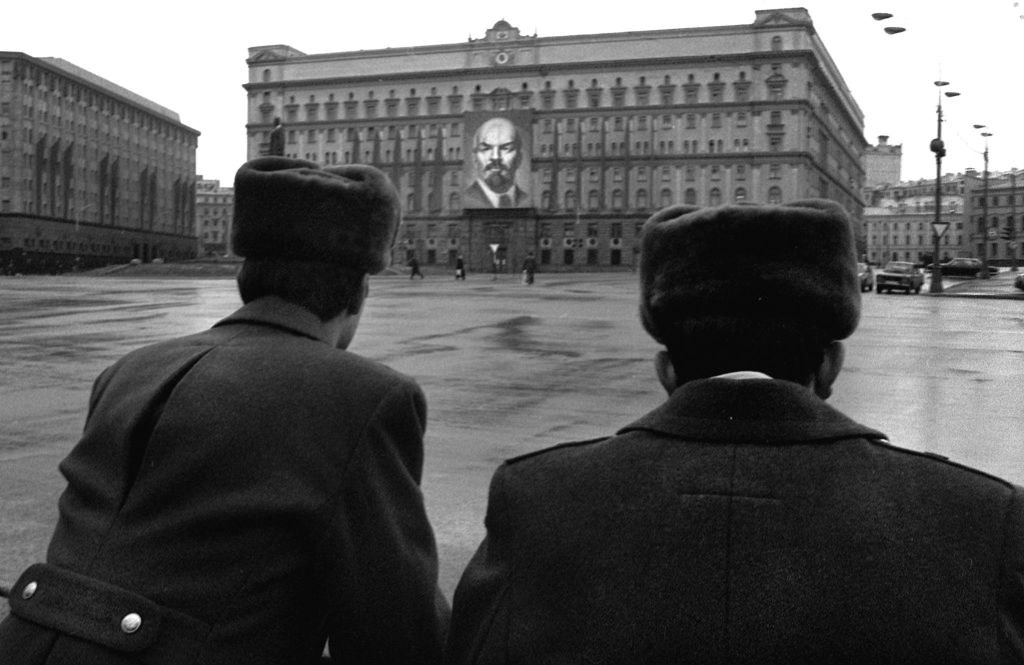
Na zdjęciu: Policjanci patrzą na budynek siedziby KGB, gdzie wisi portret Włodzimierza Lenina, założyciela Związku Radzieckiego, w Moskwie, 7 listopada 1990 r. (Zdjęcie: Alexander Nemenov/AFP via Getty Images)

Od KGB do Gazy: Jak radziecka propaganda nadal manipuluje Zachodem

Pierre Rehov
Tłumaczenie: Andrzej Koraszewski


Jurij Biezmienow, były oficer KGB, który uciekł na Zachód, w 1984 roku wystosował mrożące krew w żyłach ostrzeżenie. Jako specjalista od propagandy i działań dezinformacyjnych ZSRR ujawnił, jak tzw. “aktywne działania” Moskwy miały na celu nie tylko wprowadzenie w błąd, ale przede wszystkim destabilizację społeczeństw od środka. Zachód, przekonany, że zwycięstwo w zimnej wojnie zależy wyłącznie od przewagi militarnej i gospodarczej, zignorował to ostrzeżenie. Tymczasem Biezmienow rozumiał coś, czego nie pojmowano ani w Waszyngtonie, ani w Brukseli: polem bitwy była psychologia, kultura i moralność.

Zaledwie nieco ponad dekadę później rosyjski strateg Aleksandr Dugin nadał tym metodom nową, intelektualną strukturę. W swojej książce z 1997 roku “Podstawy geopolityki: Geopolityczna przyszłość Rosji” przekonywał, że sposób na osłabienie Stanów Zjednoczonych i NATO polega na wywoływaniu chaosu wewnątrz amerykańskiego społeczeństwa — poprzez podsycanie konfliktów rasowych i społecznych, sianie nieufności wobec instytucji oraz wspieranie ruchów separatystycznych i ekstremistycznych. Jego program stanowił de facto plan demontażu Zachodu poprzez wykorzystanie jego własnych pęknięć.

Sojusz radziecko-palestyński

Te idee nie pojawiły się w próżni. Już w czasie zimnej wojny KGB utrzymywało bliskie kontakty z palestyńskimi ugrupowaniami terrorystycznymi, szkoląc operatywnych członków i dostarczając im materiałów propagandowych, wykorzystując konflikt arabsko-izraelski dla własnych celów. Organizacja Wyzwolenia Palestyny (OWP) i jej odłamy nie były jedynie wykonawcami zamachów antyizraelskich — działały jako marionetki KGB, mające na celu osłabienie państwa żydowskiego oraz wprowadzanie antyizraelskiej i antyzachodniej ideologii do Europy i Ameryki.

Propaganda z tamtej epoki — ukazująca Izrael jako kolonialnego agresora, Palestyńczyków jako wieczne ofiary, a USA jako imperialistycznego manipulatora — była starannie konstruowana w Moskwie i powielana w stolicach arabskich, na europejskich uniwersytetach, a w końcu także na kampusach amerykańskich. To, co dziś nazywa się “ruchem pro-palestyńskim” na Zachodzie, w dużej mierze stanowi spuściznę dekad manipulacji finansowanych przez KGB. Kultura autonienawiści, moralny relatywizm i wybiórcze oburzenie, dominujące we współczesnych progresywnych kręgach, zostały zasiane przez sowieckich strategów, którzy wiedzieli, że podważenie zaufania Zachodu do samego siebie może być bardziej niszczące niż dywizje czołgów.

Ferguson, Baltimore i dalej

Metody Kremla zostały dostosowane do nowych technologii. W 2015 roku, w czasie napięć rasowych w Ferguson i Baltimore, rosyjscy operatorzy rozpoczęli kampanię propagandową wymierzoną w społeczeństwo amerykańskie. Media społecznościowe stały się bronią. Boty i farmy trolli celowały w obie strony konfliktu, podsycając białą frustrację, wzmagając czarną wściekłość i prowokując konfrontację i przemoc.

Taktyki Moskwy, oparte na “whataboutismie”, polegały na podkreślaniu niedoskonałości Ameryki przy jednoczesnym tuszowaniu represyjnej rzeczywistości Rosji. Profesor Mark Jacobson z Uniwersytetu Georgetown podsumował to tak:

“Rosja będzie jawnie i skrycie wspierać organizacje dążące do secesji lub politycznego podziału Stanów Zjednoczonych, a także będzie potajemnie popychać ruchy protestacyjne w stronę ekstremizmu, a w końcu przemocy.”

Gra na dwie strony

Dowody tej “zorganizowanej dwoistości” można znaleźć na rosyjskiej stronie na Facebooku “Being Patriotic”, która przed zamknięciem zgromadziła 6,3 miliona polubień. Strona promowała pro-Trumpowską retorykę i wrogość wobec Black Lives Matter. Tymczasem inny profil kontrolowany przez Kreml — “Blacktivist” — rozpowszechniał treści anty-policyjne i nawoływał do odwetu, np. “Czarnoskórzy muszą coś zrobić. Oko za oko.” Strona ta, zanim została usunięta, zebrała 6,18 miliona udostępnień.

Między czerwcem 2015 a majem 2017 roku Facebook zidentyfikował około 100 000 dolarów wydanych na reklamy powiązane z rosyjskimi operatorami — około 3 000 reklam i 470 fałszywych kont. Te “fałszywe wzmacniacze” nie były marginalnymi eksperymentami — stanowiły skoordynowane narzędzie do manipulowania amerykańską debatą wokół najbardziej drażliwych tematów: rasizmu, przemocy i sprawiedliwości.

Plan na zamieszki

W 2018 roku Dossier Center — grupa śledcza finansowana przez rosyjskiego dysydenta Michaiła Chodorkowskiego — ujawniła dokumenty opisujące jeszcze bardziej ambitne plany. Jeden z nich, zatytułowany “Strategia rozwoju państwa panafrykańskiego na terytorium USA”, zakładał rekrutację Afroamerykanów, szczególnie tych z kryminalną przeszłością lub powiązaniami z radykalnymi grupami, w celu wywołania masowych niepokojów. “Infrastruktura tego projektu już istnieje” — ostrzegał później Chodorkowski, podkreślając, że amerykańskie społeczeństwo pozostaje niebezpiecznie podatne na takie apele.

Fabryki trolli

Na poziomie operacyjnym, niesławna Agencja Badań Internetu (IRA) — rosyjska fabryka trolli — stała się główną siłą tych kampanii. Tylko między 2015 a 2017 rokiem jej upolitycznione posty dotarły do ponad 30 milionów użytkowników na Facebooku i Instagramie. Miliony Amerykanów nieświadomie udostępniały, “lajkowały” i komentowały treści sfabrykowane przez Kreml, często nadając im większy zasięg niż materiałom mediów głównego nurtu.

Algorytmy nagradzające oburzenie stały się najlepszymi sojusznikami Moskwy. Wpisy wirusowe rozprzestrzeniały dezinformację z wydajnością, o jakiej organy propagandowe z czasów zimnej wojny mogły tylko marzyć. Dolina Krzemowa nieświadomie oddała Rosji idealny kanał do prowadzenia wojny cyfrowej.

Mutacja: Wokizm i kulturowa dywersja

Rosyjska dywersja nie ograniczyła się do polityki rasowej. Problemy kulturowe, które dominują dziś na Zachodzie — agresywny “wokizm”, supremacjonistyczne odchylenia w niektórych frakcjach BLM, radykalizacja aktywizmu LGBT w kierunku ekstremizmu politycznego, przemoc anarchistów z Antify, ideologiczne zatrucie skrajnej lewicy — wszystkie wpisują się w ten sam sowiecki schemat.

Wszystkie te ruchy przedstawiają się jako walka o sprawiedliwość, ale ich wspólnym skutkiem jest: erozja spójności Zachodu, delegitymizacja tradycyjnych wartości oraz paraliż instytucji demokratycznych. Od ideologii gender forsowanej w szkołach, po tłumy burzące pomniki — wszędzie widać ślady wieloletniej wojny psychologicznej. To, co zaczęło się od sponsorowania palestyńskich organizacji przez KGB, przekształciło się w kalejdoskop tożsamościowych ruchów, które pełnią tę samą, destabilizującą funkcję.

Islamizm: Bractwo Muzułmańskie, Iran i Katar

Ta ofensywa ideologiczna nie została pozostawiona wyłącznie Rosji. Bractwo Muzułmańskie, reżim irański oraz Katar chętnie przejęły pałeczkę po sowieckiej subwersji. Dla Bractwa sowiecki podręcznik infiltracji instytucji, wykorzystywania resentymentów i rekrutowania młodych okazał się idealnym wzorem do ekspansji ideologii islamistycznej w społeczeństwach zachodnich. Iran, ośmielony po 1979 roku, wprowadzał ten sam jad antyamerykański i antyizraelski zarówno do konfliktów Bliskiego Wschodu, jak i do zachodniej debaty publicznej, podczas gdy Katar wykorzystywał swoje ogromne zasoby finansowe do wspierania sieci propagandowych (np. Al-Dżazira) i finansowania ekstremistycznych ruchów.

Wszyscy trzej gracze znaleźli wspólny język, czyniąc z Izraela wiecznego “kozła ofiarnego” — wygodny katalizator gniewu, nienawiści i mobilizacji. Przekształcając każdy konflikt regionalny czy globalny w akt oskarżenia przeciw państwu żydowskiemu, przedłużali sowiecką narrację, dodając do niej religijny fanatyzm. W praktyce to nieświęte przymierze sowieckiej spuścizny i islamistycznej oportunistyczności spotęgowało wewnętrzne podziały Zachodu, wzmocniło politykę tożsamościową i podkopało zaufanie do demokracji.

Czynnik Obama–Biden

Na tym tle należy też rozważyć polityczny awans Baracka Obamy i kontrowersyjną legitymizację prezydentury Joe Bidena. Lata Obamy to czas instytucjonalizacji polityki tożsamości, normalizacji radykalnych agend kulturowych i cichego wspierania ruchów takich jak BLM i Antifa. Zwycięstwo Bidena — przez wielu postrzegane jako splamione nieprawidłowościami i korupcją — a także katastrofalne rządy, w tym kapitulacja przed talibami, inwazja Rosji na Ukrainę, otwarte granice i niekontrolowana migracja, inflacja, balony szpiegowskie z Chin, zgony z powodu fentanylu, zakupy ziemi w pobliżu baz wojskowych przez obce podmioty oraz porzucenie inicjatywy śledczej wobec Chin — wszystko to jeszcze bardziej podważyło zaufanie do amerykańskiej demokracji.

Czy z powodu celowych działań, czy zwykłej niekompetencji, obaj przywódcy przyspieszyli procesy podziałów, kultury ofiary i osłabienia autorytetu USA za granicą. Dla przeciwników Ameryki to dowód, że strategia Sowietów odniosła sukces: Zachód, wydrążony od środka, sam się unicestwia — bez potrzeby oddania choćby jednego strzału.

Obecne zagrożenie

W ostatnich miesiącach rosyjscy urzędnicy jeszcze silniej podkreślają rzekome systemowe porażki Ameryki: “dyskryminację rasową, etniczną i religijną, brutalność policji, stronniczość sądownictwa, przepełnione więzienia i niekontrolowany dostęp do broni palnej” — jak twierdzi rosyjskie MSZ. Ironią jest, że Rosja — jeden z najbardziej autorytarnych reżimów świata — poucza Amerykę w kwestiach praw człowieka. Jednak ta propaganda działa na ludzi, którzy nie wiedzą, że są manipulowani — zarówno w kraju, jak i za granicą.

To samo ideologiczne ziarno, zasiane przez KGB za pośrednictwem palestyńskich pełnomocników, dziś wydało owoce w postaci toksycznej mieszanki aktywizmu antyizraelskiego, antyamerykańskiej niechęci i zachodniej samonienawiści kulturowej. Hasło “From the river to the sea”, skandowane na amerykańskich kampusach, to nie tylko studencki slogan — to echo sowieckiej agitacji rozbrzmiewające przez pokolenia.

Zabójstwo Charliego Kirka: złowieszcza ilustracja

Zabójstwo Charliego Kirka może być najciemniejszą, najbardziej wyrazistą ilustracją procesu opisanego powyżej. Kirk, młody lider konserwatystów, aktywny w wojnie kulturowej, przemawiający publicznie, otwarty na debatę — został zastrzelony na oczach tysięcy.

Jego śmierć to nie tylko tragiczny akt przemocy. To sygnał, że ideologiczne i polityczne podziały, niegdyś sztucznie podsycane przez takich przeciwników jak ZSRR, palestyńskich pełnomocników, radykalną lewicę, islamistów z Bractwa Muzułmańskiego, Iranu i Kataru, a także postępujący rozkład zachodnich norm — osiągnęły punkt, w którym każda forma sprzeciwu grozi śmiercią.

Zabójstwo Kirka można odczytywać nie jako jednostkowy incydent, ale jako zgniły owoc strategii uprawianej przez dekady — strategii, która wykorzystywała strach, nienawiść, osłabienie instytucji i kulturową dekadencję jako narzędzia geopolitycznej wojny. Jeśli Zachód nie zajmie się tym zagrożeniem teraz — zarówno działaniami sił zewnętrznych, jak i rozkładem wewnętrznym — kolejną ofiarą mogą być wolność słowa i sama demokracja.


Zawartość publikowanych artykułów i materiałów nie reprezentuje poglądów ani opinii Reunion’68,
ani też webmastera Blogu Reunion’68, chyba ze jest to wyraźnie zaznaczone.
Twoje uwagi, linki, własne artykuły lub wiadomości prześlij na adres:
webmaster@reunion68.com

Biased media fuels American Jewish opposition to Israel


Biased media fuels American Jewish opposition to Israel

Jonathan S. Tobin


A poll shows that liberals and those who think being Jewish is unimportant are more likely to believe Hamas propaganda that the mainstream press reports as facts.

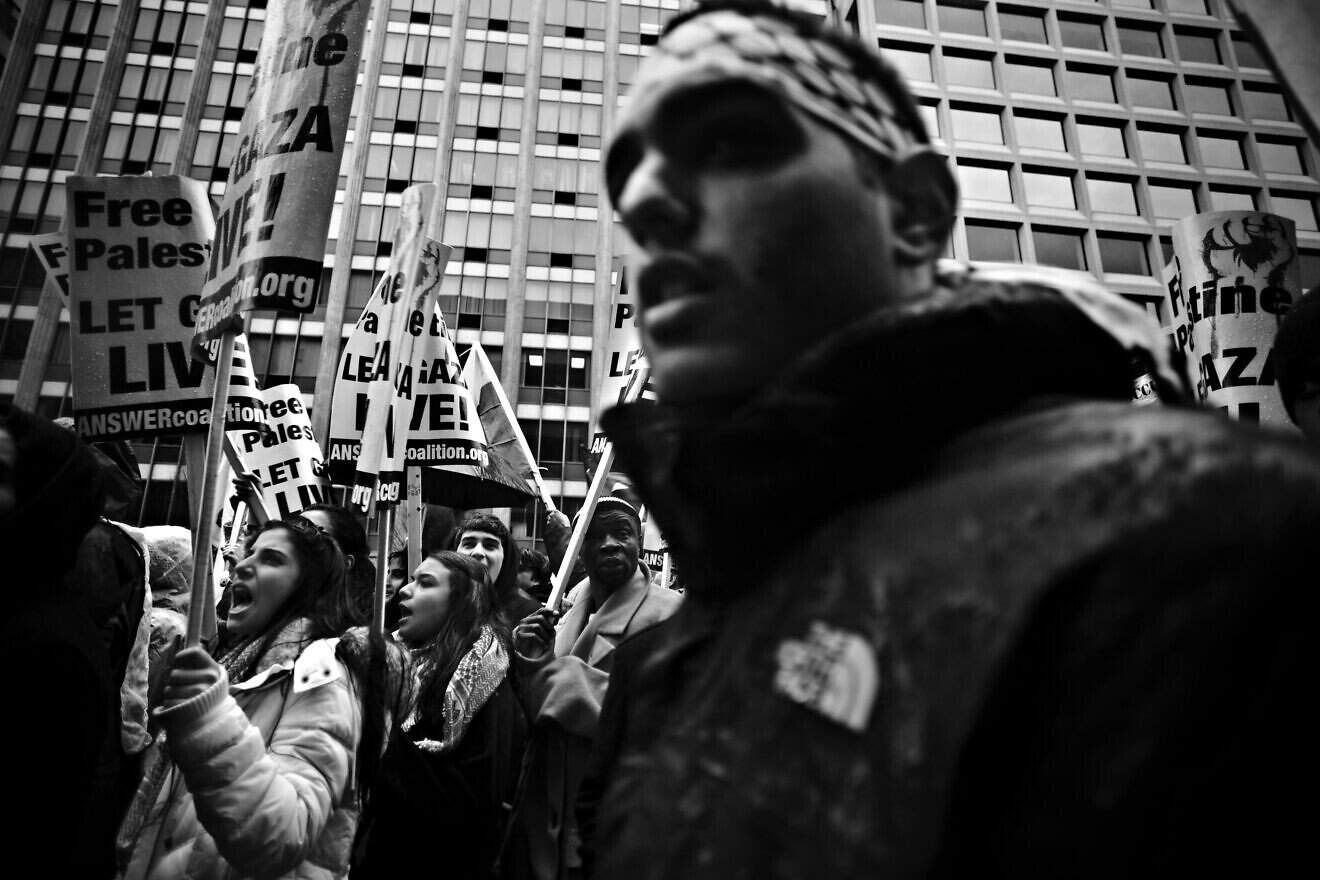
Thousands of protesters march past the offices of “The Washington Post” from the White House to the Israeli embassy in Washington, D.C., Jan. 10, 2009. Photo by David S. Holloway/Getty Images.

The data is staggering. No matter how you look at it, a Washington Post poll conducted last month showing that 61% of American Jews believe that Israel has committed “war crimes against Palestinians in Gaza” is shocking for those who worry about declining Jewish support for Israel. The same survey shows that 39% of American Jewry believes that Israel is committing “genocide against Palestinians in Gaza.”

The headline on the article discussing the results characterized them as demonstrating that “many American Jews are sharply critical of Israel on Gaza.” It fits with the results that showed them disapproving of Israel’s war in Gaza by a slender but still telling 48% to 46% margin.

The ‘genocide’ blood libel

The answers to the questions about “war crimes” and “genocide” demonstrate that—at least as far as the respondents in question—the state of American Jewish opinion about Israel has gone far beyond criticism. It’s one thing for Jewish liberals living in the United States to think ill of Prime Minister Benjamin Netanyahu, as well as his coalition of nationalist and religious parties, whose supporters have very different worldviews about a variety of topics, not the least of which is their support for U.S. President Donald Trump.

But if a critical mass of those who self-identify as Jewish is willing to swallow blood libels that allege that Israelis are attempting to wipe out an entire people, then clearly something is very wrong. That’s the sort of news that should be enough to send Jewish leaders and organizations into a state of panic, as well as worry Israelis, many of whom have already begun to conclude that their Jewish brethren are far less reliable supporters of their right to live in peace and security than evangelical Christians.

This data will, like many other surveys over the years that have provided results that demonstrate a decline in Jewish support for Israel, provoke discussions and plans for more projects aimed at reversing this trend. While efforts along these lines are, in principle, praiseworthy, those friends of Israel who are panicking about this particular poll—and those antisemites and other enemies of Israel that are rejoicing over it—need to place it in perspective.

It tells us a lot more about the state of American Jewry in 2025 than it does about Israel’s conduct of the post-Oct. 7 war against Hamas in Gaza.

Just as important, the survey answers are in large measure a direct result of the biased coverage of Israel and the war in the Gaza Strip that has been provided by corporate legacy press outlets like The Washington PostThe New York TimesCNN and MSNBC. So, as much as anything else, what the Post is revealing in this poll is that people who depend on mainstream liberal media for their information are frankly ignorant of the truth about the war, believing what the misleading and often downright lying coverage about Israelis and the Palestinian Arabs tells them. No wonder they believe the misinformation they are being fed about the Jewish state committing “war crimes” and “genocide.”

The survey’s breakdown of their respondents’ beliefs helps us understand why they are so “critical” of Israel.

Decline in Jewish peoplehood

Like more detailed studies of American Jewry, the Post’s sample showed that a significant portion of those who identify as Jewish don’t consider their identity to be very important to them, with 29% saying it meant little or nothing to them and 24% saying they did not consider Judaism to be their religion. Some 42% of them said they had little or nothing in common with Israelis, and 44% said they were not emotionally attached to the Jewish state. If you drill down further into the numbers, you see that those who are not “Jewish by religion” are much more likely to blame Israel for the suffering in Gaza than those who do claim Judaism as their faith.

The point being that those who are either more likely to be religious or deeply connected to Israel—or are politically conservative and reject the toxic leftist myths of critical race theory, intersectionality and settler-colonialism that claim Israelis and Jews are “white” oppressors—are more likely to have alternate sources of information about the war and Israel. As a result, they are also less likely to believe the Hamas blood libels about Israeli war crimes and genocide that have been normalized and mainstreamed by international media.

Not all the results in the poll are bad news for the U.S.-Israel relationship. A whopping 76% of the respondents say that Israel’s existence is vital to the future of the Jewish people, although considering that about half of the world’s Jews live there, that’s a fairly obvious truth. More of them believe that Hamas—the side that started the war with unspeakable atrocities on Oct. 7, 2023—is more responsible for the war than those who blame the Israelis, who were attacked in the early-morning hours that Saturday, and their leader, Prime Minister Benjamin Netanyahu.

But most of the results simply reflect what anyone who depends on liberal media like the Post for information, with otherwise little knowledge about the conflict, would be expected to think.

It’s also true that the way the questions were framed and the sequencing of them were designed to produce “both sides are bad” answers that inflated the number of those who supported the most egregious accusations against Israel.

Yet at its heart, the poll is a reflection of not so much failures in Israel’s information policy and the success of Hamas propaganda (or even genuine evaluations of the shortcomings of Netanyahu’s government) as it is American Jewish demography.

As Jews assimilate, drop Judaism as a religion, and even more importantly, lose a sense of Jewish peoplehood in which they identify with and feel responsible for the safety of other Jews and Israel, it stands to reason that fewer of them are supportive of a Jewish state under fire. For these reasons, it’s not surprising that so many of them are willing to believe the outrageous lies about Israel that have gone viral amid a worldwide surge of antisemitism primarily aimed at demonizing the one Jewish state on the planet and its supporters.

But their lack of a sense of Jewish peoplehood and the left-leaning tilt of the majority of American Jews also makes them more likely to be consumers of anti-Israel mainstream media, rather than the few independent and/or Jewish news outlets, like JNS, that reject the pro-Hamas spin, and whose coverage tells the truth about the care Israeli forces take to avoid civilian casualties and the way the Palestinian terrorists seek to sacrifice as many of their civilians as possible.

Biased coverage influences opinions

It’s simply a matter of “garbage in—garbage out” as with any system. If people are fed biased coverage produced by a generation of liberal editors and writers more interested in activism than journalism, and who have already been indoctrinated to believe that Zionism is racism, then why be surprised that a demographic slice of their most loyal readers and viewers—liberal Jews—have been heavily influenced by their efforts?

So, what should be the response of the Jewish community to these troubling results?

While an increased campaign to combat anti-Israel disinformation on social media is important, let’s not kid ourselves. Clever use of the tools of modern communication certainly can help. Still, no matter how much effort is put in, it wouldn’t be enough to counteract belief systems that are the result of choices about identity, religion and politics that predispose people on the left to think that Israel is always wrong and the Palestinians are right, no matter what either of them actually does.

Encouraging more Jews to care about Israel, and to be willing to listen to the truth and disregard blatant falsehoods about it, involves investments in education and Jewish experiences like schools, summer camps and trips to the Jewish state, not hiring influencers to post on TikTok. And if you want to put them in touch with accurate information about what actual Israelis and Palestinians do and believe, then you have to invest in alternatives to a corrupt and biased mainstream media that is more interested in producing work that conforms to their ideological prejudices about intersectional victims than in telling the truth.

It is awful that so many people who claim some sort of Jewish identity are willing to believe the lies spread about Israel. That they do so even while telling pollsters that they feel less safe because of the increase in antisemitism fueled by such coverage is not so much ironic as indicative of the problem posed by the spread of disinformation about Israeli “genocide.”

Support alternative voices

The good news is that outlets like the Post, which lie at the heart of the problem in Jewish disaffection, are declining in influence. Even as the liberal-leaning plurality sinks further into assimilation and a willingness to believe smears of Israel as being true, alternatives to mainstream thinking are proliferating. Outlets like JNS, The Free PressTablet and a host of non-leftist foundations and educational institutions are gaining in strength and growing both their reach and support. That’s the real story of Jewish revival that papers like The Washington Post and The New York Times ignore while they highlight the activities of anti-Israel and even antisemitic organizations that claim to be Jewish.

As this poll shows, much of American Jewry is abandoning its heritage and drifting toward the acceptance of antisemitic blood libels to stay in sync with liberal fashion. We have all witnessed the way antisemitic propaganda has been promoted by the political left, as well as by a loud but influential minority on the political right.

But the battle for the soul of America and American Jewry is not lost. Those Jews who understand that their safety—and that of Israel—is bound up with a struggle to defend Western civilization against toxic leftist doctrines, and the bizarre red-green alliance of Marxists and Islamists, are not giving up. More to the point, they are on the same side as the majority of Americans who, with good reason, don’t believe what the liberal press tells them about any topic. The triumph of woke progressivism that is integral to the turn against Israel reached its peak during the Black Lives Matter summer of 2020 and then during the Biden administration. It is now in retreat. 

As sobering as some of the recent samples of public opinion about Israel may be, we should not be too discouraged. The majority of Americans, and even most Jews, still stand by Israel. Poll results notwithstanding, Jewish backers of Israel are still on the right side of history.


Jonathan S. Tobin is editor-in-chief of the Jewish News Syndicate, a senior contributor for The Federalist, a columnist for Newsweek and a contributor to many other publications. He covers the American political scene, foreign policy, the U.S.-Israel relationship, Middle East diplomacy, the Jewish world and the arts. He hosts the JNS “Think Twice” podcast, both the weekly video program and the “Jonathan Tobin Daily” program, which are available on all major audio platforms and YouTube. Previously, he was executive editor, then senior online editor and chief political blogger, for Commentary magazine. Before that, he was editor-in-chief of The Jewish Exponent in Philadelphia and editor of the Connecticut Jewish Ledger. He has won more than 60 awards for commentary, art criticism and other writing. He appears regularly on television, commenting on politics and foreign policy. Born in New York City, he studied history at Columbia University.


Zawartość publikowanych artykułów i materiałów nie reprezentuje poglądów ani opinii Reunion’68,
ani też webmastera Blogu Reunion’68, chyba ze jest to wyraźnie zaznaczone.
Twoje uwagi, linki, własne artykuły lub wiadomości prześlij na adres:
webmaster@reunion68.com


ILTV Weekly Review – October 10, 2025


ILTV Weekly Review – October 10, 2025

  ILTV Israel News


Zawartość publikowanych artykułów i materiałów nie reprezentuje poglądów ani opinii Reunion’68,
ani też webmastera Blogu Reunion’68, chyba ze jest to wyraźnie zaznaczone.
Twoje uwagi, linki, własne artykuły lub wiadomości prześlij na adres:
webmaster@reunion68.com