
Archive | 2025/10/17

75 lat TSKŻ

75 lat TSKŻ


Podsumowanie obchodów roku jubileuszowego 2025

Rok 2025 jest dla Towarzystwa Społeczno-Kulturalnego Żydów w Polsce czasem szczególnym – świętujemy 75-lecie istnienia organizacji, która od 1950 roku pozostaje sercem i głosem społeczności żydowskiej w Polsce. Nasze stowarzyszenie, nieprzerwanie od siedmiu i pół dekady, działa na rzecz zachowania dziedzictwa kulturowego, wspierania integracji, przeciwdziałania uprzedzeniom i rozwijania dialogu polsko-żydowskiego. Nasz jubileusz stanowi okazję do uhonorowania tej wielowymiarowej działalności – zarówno poprzez refleksję nad przeszłością, jak i spojrzenie w przyszłość.

Obchody roku jubileuszowego objęły szereg wydarzeń kulturalnych, edukacyjnych, społecznych i historycznych w różnych miastach Polski, pokazując żywą obecność TSKŻ w lokalnych społecznościach. Wydarzenia organizowane w ramach 75-lecia były nie tylko celebracją historii, ale też wyrazem współczesnej aktywności TSKŻ i jego roli w społecznym krajobrazie Polski.

Jednym z wydarzeń o szczególnym znaczeniu była jubileuszowa, piętnasta edycja Dni Pamięci w Łodzi – łódzkich obchodów Międzynarodowego Dnia Pamięci o Ofiarach Holokaustu, które na stałe wpisały się w kalendarz miejskich wydarzeń kulturalnych i edukacyjnych. W styczniu, Łódź ponownie stała się miejscem pamięci, zadumy i artystycznej refleksji nad dziedzictwem ofiar Zagłady.

Koncert galowy XV Dni Pamięci, który odbył się na scenie Teatru im. Stefana Jaracza w Łodzi, był wyjątkowym, emocjonalnym wydarzeniem artystycznym. W roli głównej wystąpiła amerykańska aktorka i wokalistka żydowskiego pochodzenia Daniella Rabbani, która w towarzystwie pianisty Neala Brostoffa oraz Tria Sebastiana Wypycha, zaprezentowała głęboko poruszający program złożony z pieśni w języku jidysz. Jej występ, niosący uniwersalne przesłanie i autentyczne emocje, stał się muzycznym hołdem dla ofiar Holokaustu oraz wyrazem pamięci, która zakorzeniona w sztuce, potrafi przekraczać granice języków, kultur i pokoleń.

Wieczór wzbogacili młodzi wykonawcy z Chóru Młodzieżowego „Łódzka Fabryka Dźwięku” oraz utalentowani soliści z łódzkich szkół, których udział w koncercie stanowił piękne świadectwo międzypokoleniowego przekazu i żywej troski o zachowanie pamięci.

W czerwcu, w wyjątkowej przestrzeni Narodowego Forum Muzyki we Wrocławiu, odbył się historyczny koncert World Jewish Philharmonic – międzynarodowy projekt zrealizowany w ramach polskiej prezydencji w Unii Europejskiej. Na jednej scenie spotkało się blisko stu artystów z ponad trzydziestu krajów świata, których połączyła wspólna idea budowania mostów poprzez muzykę. Orkiestrę poprowadził wybitny dyrygent Gergely Madaras, a wśród solistów wystąpili światowej sławy artyści: Aleksandra Kurzak, Guy Braunstein i Avi Avital.

Repertuar wieczoru – od Mozarta i Pucciniego, przez żydowskie tańce Marcela Lavry’ego, aż po monumentalną V Symfonię Gustava Mahlera – stał się wyrazem różnorodności, otwartości i uniwersalnych wartości, które przyświecały temu niezwykłemu wydarzeniu.

Kolejnym ważnym akcentem roku jubileuszowego był V Międzynarodowy Zjazd Emigracji Marcowej – Reunion’68, który odbył się w Szczecinie w dniach 31 sierpnia – 6 września. W wydarzeniu wzięli udział emigranci marcowi z całego świata – m.in. z USA, Kanady, Szwecji, Danii, Izraela i Australii. Program obejmował spotkania, wykłady, projekcje filmowe, koncerty oraz wizyty w miejscach pamięci. Zjazd był nie tylko okazją do wzruszających spotkań po latach, ale też do refleksji nad wspólną historią i tożsamością. Pomysłodawczynią, organizatorką i dobrym duchem tego wydarzenia była Róża Król – przewodnicząca szczecińskiego Oddziału TSKŻ.

W ramach obchodów roku jubileuszowego, przygotowaliśmy także cykl artykułów o historii TSKŻ autorstwa Marty Rydz, publikowanych na stronie internetowej stowarzyszenia oraz w miesięczniku „Słowo Żydowskie”. Teksty te przybliżają kolejne dekady działalności organizacji – od jej powojennych początków, przez okres trudnych przemian społecznych, aż po współczesne wyzwania i osiągnięcia, przypominając jej liderów, lokalne oddziały i inicjatywy, które kształtowały życie żydowskie w Polsce po 1945 roku.

Rok jubileuszowy jest także czasem wyróżnień – zasłużeni działacze TSKŻ, za swoją pracę na rzecz społeczności żydowskiej, zostali uhonorowani państwowymi odznaczeniami – Srebrnymi Krzyżami Zasługi i Krzyżem Kawalerskim Orderu Odrodzenia Polski. Jest to nie tylko osobiste wyróżnienie, ale także symboliczny gest docenienia pracy całej społeczności skupionej wokół TSKŻ. Nagrody stanowią także uznanie dla nieustającego zaangażowania i pasji, jakie od lat towarzyszą działalności naszych członków.

Zwieńczeniem obchodów jest Gala Jubileuszowa w Muzeum Historii Żydów Polskich POLIN oraz jej muzyczny finał – koncert „Melodie Pokoleń – די מעלאָדיעס פֿון דורות”, będący sentymentalnym przeglądem piosenek powojennej Polski – zarówno tych polskich, jak i żydowskich. Koncert ukazuje, jak ścieżki kultury żydowskiej i polskiej przeplatały się w powojennej Polsce, tworząc wspólne doświadczenie artystyczne i społeczne – często nieuświadomione, lecz niezwykle głębokie. „Melodie pokoleń” to hołd dla dziedzictwa, ale też manifest jedności i wzajemnych inspiracji.

Obchody 75-lecia Towarzystwa Społeczno-Kulturalnego Żydów w Polsce to nie tylko okazja do wspomnień i podsumowań, ale przede wszystkim świadectwo ciągłości i siły wartości, które od dekad kształtują naszą działalność. To dowód, że mimo trudnych momentów w historii i licznych wyzwań, jakie stawały przed naszą społecznością, TSKŻ pozostaje aktywną częścią życia kulturalnego i społecznego Polski – miejscem, w którym tradycja spotyka się z nowoczesnością, a dziedzictwo żydowskie przekazywane jest kolejnym pokoleniom.

Rok 2025 zapisze się na kartach naszej historii jako czas szczególny – pełen dumy z przeszłości, wdzięczności za wspólnotę i inspiracji do dalszego działania. Po 75 latach wciąż patrzymy w przyszłość z nadzieją, otwartością i zaangażowaniem – gotowi tworzyć nowe rozdziały tej wyjątkowej opowieści.

Dowiedz się więcej o Gali jubileuszowej 75-lecia TSKŻ.


Poznaj naszą historię:

Zachęcamy do zapoznania się z cyklem artykułów poświęconych historii TSKŻ:

CKŻP – Centralny Komitet Żydów w Polsce

Pierwsze 18 lat Towarzystwa Społeczno-Kulturalnego Żydów w Polsce

„Dos Naje Lebn” – „Nowe Życie”

Historia muranowskiego pomnika

Idisz Buch – jedyne takie wydawnictwo

Z dala od miasta, blisko wspólnoty. Kolonie żydowskie

Harcerskie ścieżki integracji

Klubowa twarz TSKŻ

Transformacje edukacji żydowskiej w PRL


Zawartość publikowanych artykułów i materiałów nie reprezentuje poglądów ani opinii Reunion’68,
ani też webmastera Blogu Reunion’68, chyba ze jest to wyraźnie zaznaczone.
Twoje uwagi, linki, własne artykuły lub wiadomości prześlij na adres:
webmaster@reunion68.com


Hamas returns bodies of three Israeli hostages; fourth corpse not a captive


Hamas returns bodies of three Israeli hostages; fourth corpse not a captive

Charles Bybelezer


The IDF urged the public to act with sensitivity and to await official identification. 

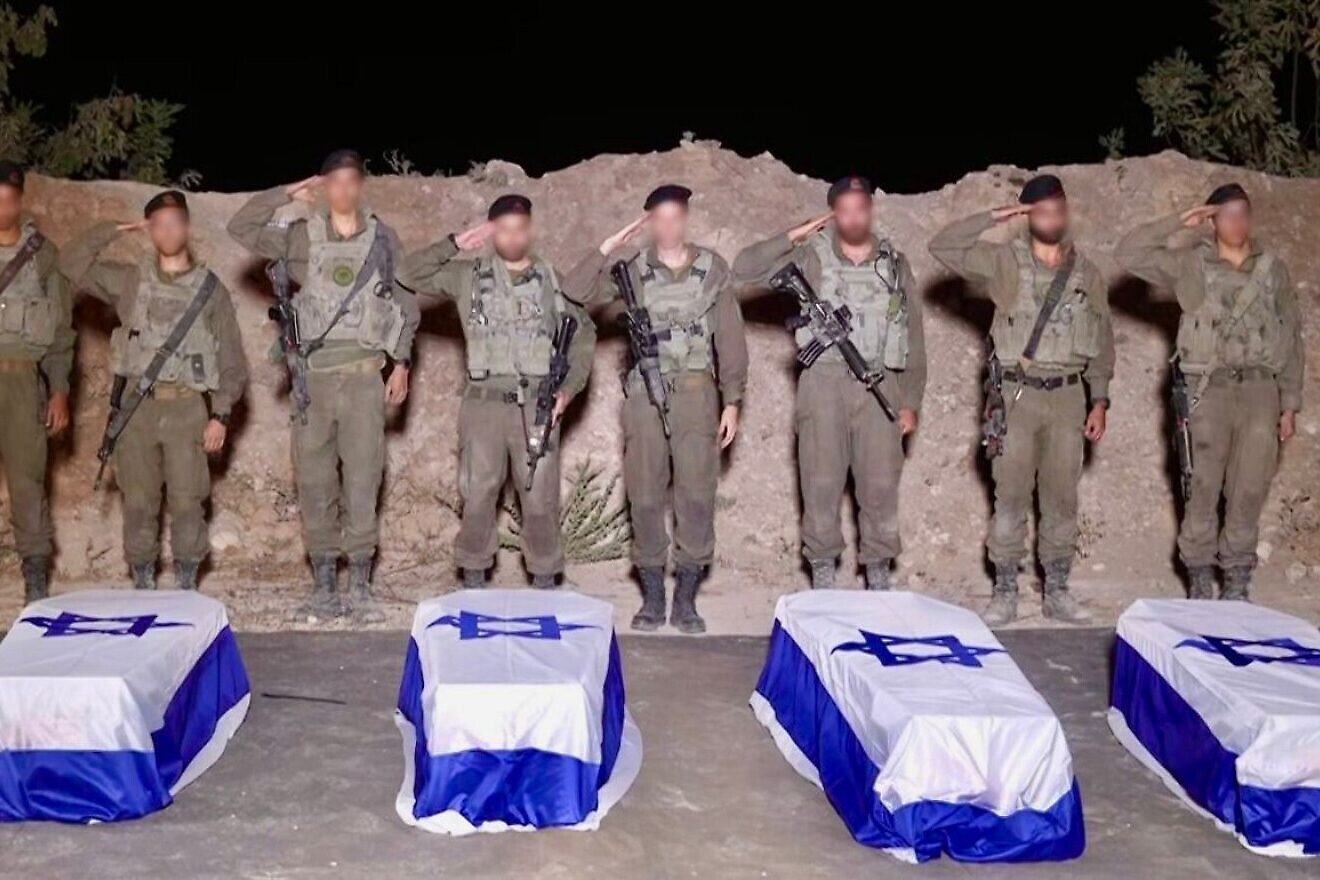
Israel Defense Forces soldiers receive coffins reportedly containing the bodies of four deceased hostages, Oct. 14, 2025. Credit: IDF.

The Hamas terror group on Tuesday night transferred the bodies of three hostages to Israel, along with the remains of an unidentified fourth individual, amid growing pressure over its failure to return all 28 deceased captives as required under the Trump administration-brokered ceasefire agreement.

“Following the completion of examinations at the National Institute of Forensic Medicine, the fourth body handed over to Israel by Hamas does not match any of the hostages,” the IDF said on Wednesday.

“Hamas is required to make all necessary efforts to return the deceased hostages,” added the statement.

On Feb. 20, 2025, Hamas transferred to Israel a body it claimed was that of murdered hostage Shiri Bibas, but Israeli authorities soon determined it was a Palestinian from Gaza. Bibas’s actual remains were later returned to Israel.

Earlier Wednesday, the families of Uriel Baruch, 35, who was abducted from the Supernova music festival on Oct. 7, 2023, and Tamir Nimrodi, 18, a soldier kidnapped from his base near the Erez Crossing during the Hamas-led massacre, confirmed their bodies had been identified.

Nimrodi’s death brings the number of fatalities among Israeli troops to 916 on all fronts since the Oct. 7 terror invasion.

The Hostages and Missing Families Forum subsequently announced that one of the bodies handed over was that of Eitan Levi, 53. Levi, a taxi driver, was murdered in southern Israel during the Oct. 7 attacks, and his body was also taken to Gaza.

“All the families of the hostages have been updated accordingly, and our hearts are with them in this difficult hour. The effort to return our hostages is ongoing and will not cease until the last hostage is returned,” the Prime Minister’s Office in Jerusalem said in a statement on Tuesday night.

Meanwhile, Israeli authorities late Tuesday confirmed that the bodies received the previous day from Hamas were those of Guy Illuz, Yossi Sharabi, IDF Capt. Daniel Peretz and Nepalese agricultural student Bipin Joshi.

“The government and the entire establishment for the return of captives and missing of the State of Israel are determined, committed and working tirelessly to return all of our deceased hostages for proper burial in their country,” Prime Minister Benjamin Netanyahu said in a statement.

“The Hamas terrorist organization is required to uphold its commitments to the mediators and return the fallen as part of the agreement’s implementation,” he added. “We will not compromise on this and we will spare no effort until we return all of the hostages, until the last one. May their memories be a blessing.”

President Isaac Herzog emphasized the Palestinian terrorist group’s “obligation to fulfill its commitment and return all the hostages,” while paying tribute to the seven deceased captives returned to Israel since Monday.

“We as a nation bear a moral obligation to bring back all of our fallen who remain in Gaza. Every one of them, until the last,” Herzog wrote on X.

The U.S.-mediated agreement required Hamas to return all 48 hostages—both living and dead—within 72 hours of the ceasefire taking effect, a period that began Friday with the IDF’s withdrawal from parts of Gaza.

On Tuesday, Israel announced that it would sanction Hamas over the terror group’s delays in returning the deceased hostages, postponing the opening of the Rafah Crossing between Gaza and Egypt and reducing aid supplies into the Strip, Reuters reported.

However, Israeli officials on Wednesday canceled the measures following the return of additional bodies, Kan News reported.

Israeli National Security Minister Itamar Ben-Gvir on Wednesday denounced Hamas’s tactics of deception.

“Enough with the disgrace,” the minister wrote on X. “Moments after opening the gates to hundreds of trucks, Hamas quickly reverted to its well-known tactics—lying, deceiving, and abusing families and bodies. Nazi terrorism understands only force, and the only way to solve problems with it is to wipe it off the face of the earth.”

U.S. President Donald Trump on Tuesday noted that Hamas had failed to meet its obligations under the deal but urged all parties to move forward.

“All twenty [living] hostages are back and feeling as good as can be expected. A big burden has been lifted, but the job is not done,” Trump wrote on his Truth Social platform. “The dead have not been returned, as promised! Phase two begins right now!!!”

Following Monday’s return of 20 living captives after more than two years in Gaza, the Hostages and Missing Families Forum sent an urgent letter to U.S. Special Envoy Steve Witkoff, expressing profound gratitude and deep alarm.

“We cannot rest, and we know you will not rest, until every last hostage is returned,” the letter said. “We ask you to pull out every stop and leave no stone unturned in demanding that Hamas fulfill their end of the agreement and bring all the remaining hostages home.”

Hamas is expected to hand over an additional group of four bodies of hostages to Israel on Wednesday.


Zawartość publikowanych artykułów i materiałów nie reprezentuje poglądów ani opinii Reunion’68,
ani też webmastera Blogu Reunion’68, chyba ze jest to wyraźnie zaznaczone.
Twoje uwagi, linki, własne artykuły lub wiadomości prześlij na adres:
webmaster@reunion68.com


Aid Trucks Roll into Gaza as Dispute Over Hostage Bodies Is Paused


Aid Trucks Roll into Gaza as Dispute Over Hostage Bodies Is Paused

Reuters and Algemeiner Staff


Palestinians in a car pull a cart with people on it, while driving near tents, amid a ceasefire between Israel and Hamas, in Gaza City, October 15, 2025. Photo: REUTERS/Dawoud Abu Alkas

Aid trucks rolled into Gaza on Wednesday and Israel resumed preparations to open the main Rafah crossing after a dispute over the return of the bodies of dead hostages that had threatened to derail the fragile ceasefire deal with Hamas.

Israel had threatened to keep Rafah shut and reduce aid supplies because Hamas was returning bodies too slowly, showing the risks to a truce that has stopped two years of devastating warfare in Gaza and freed all living hostages held by Hamas.

However, the militant group returned more Israeli bodies overnight, and an Israeli security official said on Wednesday preparations were under way to open Rafah to Gazan citizens, while a second official said that 600 aid trucks would go in.

DISPUTE OVER RETURN OF HOSTAGE BODIES

Hamas returned four bodies confirmed as dead hostages on Monday and another four bodies late on Tuesday, though Israeli authorities said one of those bodies was not that of a hostage.

The dispute over the return of bodies still has the potential to upset the ceasefire deal along with other major issues that are yet to be resolved.

Later phases of the truce call for Hamas to disarm and cede power, which it has so far refused to do. It has launched a security crackdown, parading its power in Gaza through public executions and clashes with local clans.

Longer-term elements of the ceasefire plan, including how Gaza will be governed, the make-up of an international force to take over there and moves towards the creation of a Palestinian state have yet to emerge.

Twenty-one bodies of hostages remain in Gaza, though some may be hard to find or recover because of destruction during the conflict. An international task force is meant to find them.

The deal also requires Israel to return the bodies of 360 Palestinians. The first group of 45 was handed over on Tuesday and the bodies were being identified, said Palestinian health authorities.

AID ENTRY AND BORDER CROSSING

The war has caused a humanitarian catastrophe in Gaza, with nearly all inhabitants driven from their homes, a global hunger monitor saying famine was present in the enclave and health authorities overwhelmed.

“Our situation is utterly tragic. We went back to our homes in the al-Tuffah neighborhood and found there are no homes at all. There is no shelter. Nothing,” said Moemen Hassanein in Gaza City, with tents and shanties behind him.

Reuters video showed a first group of trucks moving from the Egyptian side of the border into the Rafah crossing at dawn on Wednesday, some tankers carrying fuel and others loaded with pallets of aid.

However, it was not clear if that convoy would complete its crossing into Gaza as part of the 600 trucks that were due to enter the enclave on Wednesday – the full daily complement required under the ceasefire plan. Aid trucks entered Gaza through other crossings.

“Humanitarian aid continues to enter the Gaza Strip through the Kerem Shalom Crossing and other crossings after Israeli security inspection,” the Israeli security official said.

Israel’s public broadcaster Kan reported that Wednesday’s aid deliveries would include food, medical supplies, fuel, cooking gas and equipment to repair vital infrastructure.

Underscoring the political challenges facing the truce, Israel’s far-right National Security Minister Itamar Ben-Gvir, an opponent of the ceasefire plan, said on X that the aid delivery was a “disgrace.”

“Nazi terrorism understands only force, and the only way to solve problems with it is to wipe it off the face of the earth,” he added, accusing Hamas of lies and abuse over the return of hostages’ bodies.

Rafah is due to be opened to Palestinian inhabitants of Gaza either entering or exiting the enclave. But those awaiting medical evacuation told Reuters they had not yet received notification to prepare for travel.

The Palestinian Authority, which governs in the West Bank, is preparing to operate the Rafah crossing into Egypt, which it previously did with EU assistance. Israel closed the crossing in 2007 after Hamas took over the enclave, but later allowed some movement through it under an agreement with Egypt.

VIOLENCE IN GAZA

Several other Palestinian factions present in Gaza have backed the days-long Hamas security crackdown as it battles local clans that had tried to take over areas of the territory during the conflict.

The Popular Front for the Liberation of Palestine, one of the groups backing the Hamas crackdown, described the clans being targeted as “hubs of crime.”

The ceasefire envisaged Hamas initially restoring order in Gaza and US President Donald Trump, who brokered the deal, endorsed Hamas’ crackdown on rival gangs, while warning it would face airstrikes if it did not later disarm.

Palestinian Authority chairman Mahmoud Abbas condemned the public executions after a video, authenticated by Reuters, showed masked gunmen shooting dead seven bound, kneeling men in a Gaza street.

Israeli forces inside Gaza have pulled back to what the truce deal calls a yellow line just outside the main cities. Israeli Defense Minister Israel Katz said it would immediately enforce any violation of the line.


Zawartość publikowanych artykułów i materiałów nie reprezentuje poglądów ani opinii Reunion’68,
ani też webmastera Blogu Reunion’68, chyba ze jest to wyraźnie zaznaczone.
Twoje uwagi, linki, własne artykuły lub wiadomości prześlij na adres:
webmaster@reunion68.com