
Archive | 2025/10/22

Dlaczego dyplomacja Donalda Trumpa wydaje się działać


Dlaczego dyplomacja Donalda Trumpa wydaje się działać

Seth J. Frantzman


Transakcyjny styl Donalda Trumpa oraz nacisk na osobiste relacje z zagranicznymi przywódcami pomagają, a nie przeszkadzają amerykańskiej polityce zagranicznej.

Wysiłki prezydenta Donalda Trumpa na rzecz zawarcia porozumienia pokojowego w Strefie Gazy przyniosły widoczne rezultaty późnym wieczorem 8 października, gdy Izrael i Hamas ogłosiły, że zgodziły się na pierwszą fazę porozumienia. Trump zabiegał o pokój w Gazie od czasu, gdy jeszcze przed objęciem urzędu w styczniu osiągnięto zawieszenie broni. Proces pokojowy jednak nadal wymagał czasu. Wydarzenia z końca września i początku października mogą zawierać cenne lekcje.

Biały Dom przez cały 2025 rok koncentrował się na zakończeniu wojny w Gazie oraz na sprowadzeniu do domu zakładników przetrzymywanych przez Hamas. W tym celu odegrał kluczową rolę w zawieszeniu broni obowiązującym od stycznia do marca. Gdy zawieszenie upadło, specjalny wysłannik USA Steve Witkoff próbował je wskrzesić, a administracji Trumpa udało się w maju doprowadzić do uwolnienia ostatniego żyjącego amerykańskiego zakładnika w Gazie, Edana Alexandera.

W lipcu Trump ponownie naciskał na osiągnięcie pokoju, a następnie kontynuował wysiłki na rzecz porozumienia w sierpniu i wrześniu. Przełom w październiku okazał się możliwy dzięki zorganizowaniu rozmów w Egipcie z udziałem Kataru, Turcji, Egiptu, Izraela, Stanów Zjednoczonych i Hamasu. Dla administracji Trumpa może to być lekcja w poszukiwaniu globalnej doktryny – połączenie współpracy z sojusznikami i partnerami USA z osobistym podejściem Trumpa.

W trakcie swojej pierwszej kadencji oraz przez pierwsze dziesięć miesięcy drugiej kadencji Trump wypracował charakterystyczne podejście do polityki zagranicznej. Choć ta doktryna nie zawsze jest jasno wyrażona, można wskazać kilka jej unikalnych cech. Jedną z głównych idei jest dążenie do zakończenia konfliktów za granicą i unikanie angażowania USA w nowe wojny.

Drugim istotnym elementem jest transakcyjne podejście do relacji międzynarodowych, które – w duchu zdrowego rozsądku – polega na ocenie, czy zagraniczne państwa wywiązują się ze swoich zobowiązań. Przykładowo, w przeszłości oznaczało to nacisk na NATO, by zwiększyło wydatki, lub oczekiwania, by kraje Bliskiego Wschodu dalej inwestowały ogromne środki w amerykański sprzęt wojskowy i lotniczy.

Proces, który doprowadził do porozumienia w sprawie Gazy, dobrze ilustruje oba te wątki w podejściu Trumpa. Po pierwsze, starał się zgromadzić przy jednym stole kilka państw Bliskiego Wschodu, aby promować pokój. W rozmowach uczestniczyły kraje arabskie i muzułmańskie, w tym bliscy partnerzy USA: Katar, Turcja i Egipt. Według doniesień z września, Turcja dąży do zawarcia licznych umów w Stanach Zjednoczonych, które mogłyby opiewać na miliardy dolarów i obejmować zakupy w firmach Boeing i Lockheed Martin.

Tureckie zamówienia na samoloty nastąpiły po wcześniejszych zakupach ze strony Kataru ogłoszonych w maju. Wówczas, podczas wizyty Trumpa w Katarze, Biały Dom poinformował: „Dziś w Katarze prezydent Donald Trump podpisał porozumienie z Katarem, które wygeneruje wymianę gospodarczą o wartości co najmniej 1,2 biliona dolarów. Prezydent Trump ogłosił również umowy handlowe na łączną kwotę ponad 243,5 miliarda dolarów między Stanami Zjednoczonymi a Katarem, w tym historyczną sprzedaż samolotów Boeing i silników GE Aerospace dla Qatar Airways.”

Tego rodzaju powiązania handlowe stanowią także zachętę do utrzymania długoterminowego pokoju w regionie. Turcja już wcześniej przekonała się, jak niestabilne mogą być tego typu relacje. Po zakupie rosyjskich systemów S-400 w 2019 roku Ankara została odsunięta od programu F-35. Teraz stara się odbudować relacje z Waszyngtonem. Prezydent Turcji, Recep Tayyip Erdoğan, od lat utrzymuje ciepłe stosunki z Trumpem.

Kluczowym aspektem doktryny polityki zagranicznej Trumpa jest podejście do relacji międzypaństwowych przez pryzmat osobistych relacji z przywódcami. W przededniu ogłoszenia propozycji porozumienia pokojowego dla Gazy, 29 września, Trump spotkał się z przywódcami arabskimi i muzułmańskimi na marginesie Zgromadzenia Ogólnego ONZ. To osobiste spotkanie wydaje się otworzyło drogę do porozumienia zawartego 8 października w Egipcie.

Na skuteczność porozumienia wpłynęło kilka kluczowych taktyk. Trump często ogłaszał postępy, zanim obie strony rzeczywiście osiągnęły pełne porozumienie. Gotów był również – przynajmniej wizerunkowo – wywierać presję na Izrael, domagając się na przykład zakończenia bombardowań Gazy. To wrażenie, że jest gotów naciskać na wszystkich, odniosło sukces, ponieważ presji towarzyszyły propozycje korzystne dla wszystkich stron.

8 października, po zawarciu porozumienia, prezydent podziękował Turcji, Katarowi i Egiptowi. Izrael również ma poczucie, że osiągnął większość swoich celów w Gazie. Trump odwoływał się bezpośrednio do opinii izraelskiej, rozmawiał z uwolnionymi zakładnikami oraz z rodzinami tych, którzy wciąż są przetrzymywani – pokazując, że rozumie oczekiwania izraelskiej opinii publicznej.

Biały Dom sprawia wrażenie, jakby postrzegał to porozumienie jako szansę na zmianę strategii w regionie. Częścią tej polityki jest przedstawienie Trumpa jako lidera, który pomaga Izraelowi wyjść z konfliktu coraz mniej akceptowanego na arenie międzynarodowej.

„Izrael nie może walczyć z całym światem” – powiedział Trump w rozmowie telefonicznej z Netanjahu. Wierzy również, że to porozumienie może otworzyć drogę do kolejnych kroków pokojowych w regionie – podobnie jak miało to miejsce z Porozumieniami Abrahamowymi zawartymi w jego pierwszej kadencji między Izraelem, ZEA i Bahrajnem. Sekretarz stanu USA Marco Rubio określił to jako „historyczny moment”.

Pytanie teraz brzmi, czy z tych pierwszych kroków w kierunku zakończenia wojny w Gazie wyłoni się skuteczna doktryna. Przede wszystkim wszystkie strony muszą przestrzegać zawieszenia broni. Otwarte pozostaje również pytanie, czy plan pokojowy przejdzie do drugiej fazy. Styczniowe zawieszenie broni nigdy nie przeszło do kolejnego etapu przewidzianego harmonogramem.

Jeśli porozumienie zostanie sfinalizowane, Biały Dom może spróbować zastosować ten model także w odniesieniu do Ukrainy i innych konfliktów. Stany Zjednoczone od dawna chcą skupić się na Azji i rywalizacji z państwami takimi jak Rosja i Chiny.

Pekin i Moskwa dążą do ustanowienia nowego ładu światowego, który podważa amerykańskie przywództwo ukształtowane po zimnej wojnie. Ich działania są zarówno dyplomatyczne, jak i militarne oraz gospodarcze. Oznacza to, że po sukcesie na Bliskim Wschodzie wiarygodność Waszyngtonu może wzrosnąć również w innych regionach. Trump twierdzi, że w pierwszym roku swojej drugiej kadencji pomógł zakończyć siedem konfliktów. Porozumienie w sprawie Gazy będzie największym testem jego doktryny.


Link do oryginału: Why Donald Trump’s Diplomacy Appears to be Working

The National Interest, 10 października 2025


Seth Frantzman
 jest autorem książki Drone Wars: Pioneers, Killing Machines, Artificial Intelligence and the Battle for the Future (Bombardier 2021) oraz współpracownikiem Fundacji na rzecz Obrony Demokracji (The Foundation for Defense of Democracies). Pełni funkcję redaktora wydania i starszego korespondenta oraz analityka ds. Bliskiego Wschodu w The Jerusalem Post. Od 2005 roku prowadzi badania i relacjonuje konflikty oraz wydarzenia na Bliskim Wschodzie, koncentrując się na wojnie z ISIS, irańskich siłach zastępczych i izraelskiej polityce obronnej. Relacjonuje rozwój izraelskiego przemysłu zbrojeniowego dla Breaking Defense, a wcześniej był korespondentem Defense News w Izraelu. Obserwuj go na platformie X: @sfrantzman.


Zawartość publikowanych artykułów i materiałów nie reprezentuje poglądów ani opinii Reunion’68,
ani też webmastera Blogu Reunion’68, chyba ze jest to wyraźnie zaznaczone.
Twoje uwagi, linki, własne artykuły lub wiadomości prześlij na adres:
webmaster@reunion68.com

Mamdani’s anti-Israel obsession is key to his rise

Mamdani’s anti-Israel obsession is key to his rise

Jonathan S. Tobin


With his election as mayor of New York increasingly likely, the Democratic candidate is willing to finesse every issue except his opposition to the existence of a Jewish state.

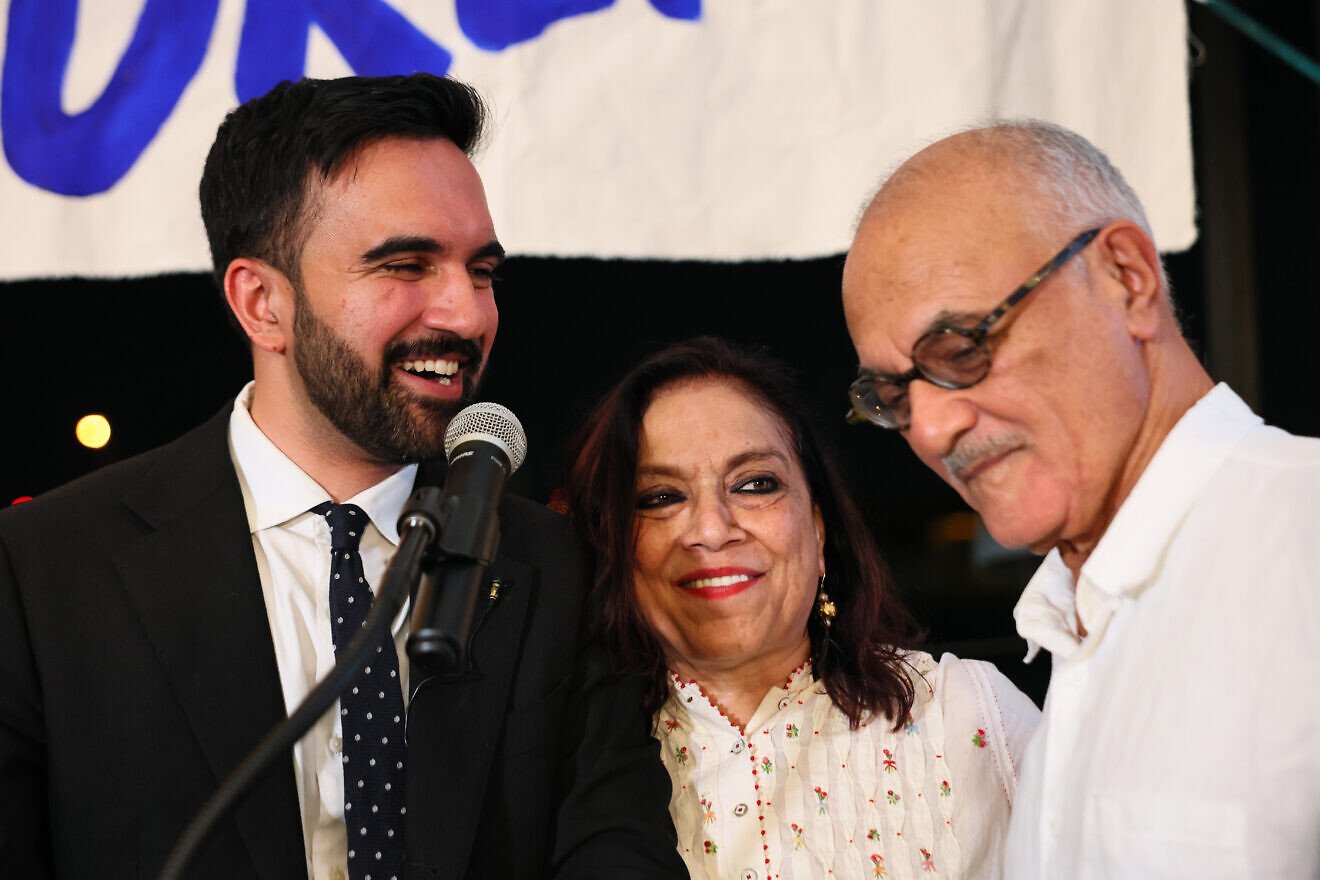
New York state assemblyman Rep. Zohran Mamdani with his mother, Indian-American Mira Nair, and his father, professor Mahmood Mamdani, as they celebrate his primary win for the Democratic candidate for mayor of New York City at an election night gathering at the Greats of Craft LIC in Long Island City, Queens, on June 24, 2025. Photo by Michael M. Santiago/Getty Images.

With less than three weeks until Election Day in New York City, it’s clear that the hopes for preventing the election of Zohran Mamdani to be the next mayor are dwindling. That means it’s time to stop pretending that it won’t happen. Instead, what is needed most now is a sober assessment of how Jewish residents of the five boroughs will be affected by having an openly antisemitic mayor of the greatest Jewish city outside of Israel.

For those who prefer to avoid that, we can roll out all the usual clichés about how the only poll that counts is the one in which the voters cast ballots. We can even quote that icon of New York baseball, Yogi Berra, and say, “It ain’t over until it’s over.” Still, it is necessary to examine the hard facts.

An anti-Mamdani flop

State, city and national Democrats could have reacted to the primary results in June by rejecting Mamdani and declaring their willingness to support an independent alternative, rather than let their party be taken over by not merely a hardcore Marxist but someone with a long record of support for the anti-Zionist and antisemitic cause of destroying the State of Israel. But they didn’t. While some Democratic leaders, like Senate Minority Leader Sen. Chuck Schumer and House Minority Leader Hakeem Jeffries, both from New York City, have remained neutral, most of the party, including Gov. Kathy Hochul, has rallied behind him.

That was also reflected in polls that showed that the large plurality of New York Democratic voters who won him the June primary was not a fluke or the result of a low turnout.

The other main focus of the anyone-but-Mamdani push has also fizzled.

The decision of Mayor Eric Adams to drop out of the race has not increased the chances of former New York City Gov. Andrew Cuomo, who is running as an Independent, of overtaking Mamdani, the man who beat him in the Democratic primary. The latest poll confirmed what every other survey published since June has shown. The Fox News poll showed that Mamdani’s lead actually increased, with him receiving the support of 52% of respondents, with Cuomo getting only 28% and Republican candidate Curtis Sliwa receiving 14%. The 6% of the rest are either sticking with Adams or saying they were still undecided.

Polls can be wrong, but a margin that big seems insurmountable. Anyone who thought that the first general election debate might change the dynamic of the election was similarly disappointed.

Mamdani was far from impressive in the three-way dustup. His glib, charismatic campaign style rests heavily on simplistic slogans about making New York more affordable and works well in retail politics. Still, that seemed to melt under scrutiny when questioned about how he could finance his plan for massive giveaways or make the city safer.

Though far more knowledgeable and experienced, Cuomo was similarly unimpressive, giving none but his die-hard supporters the idea that the election might be closer than the polls are showing.

The only candidate who seemed to profit from the evening was Sliwa, who has been the object of a great deal of pressure to join Adams and drop out, and thereby give Cuomo a better chance in a two-man race. He decided to stubbornly stay in the fight.

During the debate, with less to lose, he seemed more comfortable in his own skin than the other two. Without his trademark Guardian Angels beret, the feisty Sliwa seemed less of a gadfly and was willing to slug away at the many shortcomings of both of his rivals. Still, with the GOP candidate trailing Mamdani by 38% in deep-blue New York City, to treat his chances as plausible is something of a fantasy. If Sliwa gets a bump in the next polls to come out, it will only hurt Cuomo and show that more of those willing to cast protest votes are going with him.

A changed city and party

How is it possible for someone like Mamdani, who only months ago was a 33-year-old backbench state assemblyman few outside his district had ever heard of, to be on the cusp of becoming New York’s mayor?

His rise is the product of a number of factors.

One is the changed demographics of New York City. A significant percentage of the middle- and working-class voters, especially white ethnic New Yorkers who were the heart of the city for the last century, have moved to the suburbs or to places like Florida. The electorate that voted Rudy Giuliani into office in 1993 and 1997, and even Michael Bloomberg to his three terms earlier in this century, just doesn’t exist anymore. Always a Democratic stronghold, it has become so blue to the extent that an Independent or Republican winning the mayoralty almost seems impossible.

It’s also a reflection of the Democratic Party in 2025, which is far to the left of the political faction that embraced a centrist like Bill Clinton or the late New York Mayor Ed Koch a generation ago. As Mamdani stated in the Oct. 16 debate, his top priority, along with Socialist fantasies about cheaper housing, groceries and free bus rides, is “resisting” President Donald Trump. That is the sort of campaign line that might strike many outside observers as irrelevant to the main challenges facing a city beset by a declining economy, coupled with rising costs, ongoing crime, and the squeezing of the middle and working classes. But it resonates with a Democratic Party that lives in the sort of left-wing bubble that causes many to dub Manhattan as akin to a Cold War Eastern European “people’s republic.”

That is why many national and even statewide New York Republicans are secretly pleased about Mamdani’s impending victory. Indeed, U.S. Secretary of the Treasury Scott Bessent said the quiet part out loud when he was quoted in a Vanity Fair story earlier this month as saying that Mamdani winning would be good for the GOP and even for the city in the long run. In this view, Gotham’s collapse under Democratic Socialist rule would illustrate the bankruptcy of the Marxist ideas that are driving the party’s increasingly dominant intersectional left wing, and thereby lead to Republican victories in 2026 and 2028.

That might be right since the Trump administration and the GOP will do their best to paint an ascendant Mamdani and his fellow young Democratic Socialist Rep. Alexandria Ocasio-Cortez (D-N.Y.)—a possible presidential or senatorial candidate in 2028—as the poster children of the Democratic Party nationwide. In this scenario, Mamdani and AOC will be responsible for a rerun of the 1972 presidential election in which left-wing Sen. George McGovern led the Democrats to an epic landslide defeat at the hands of Republican President Richard Nixon.

Whether or not that happens is yet to be determined. And cocky Republicans need to remember that even that historic result was followed by the collapse of their party in the next two elections because of Nixon’s Watergate scandal.

Unwilling to budge on Israel

What we do know is that Mamdani’s rise is also the product of a deeply troubling societal trend whose consequences may be more much consequential than the ups and downs of the electoral cycle, in which the fortunes of both major parties are always bound to rise and fall.

Whatever may be said about Mamdani’s campaign and his prospects for successfully governing the country’s largest city, the one consistent theme behind his rise is unrelenting hostility to Israel and its Jewish supporters.

Like any candidate who won a primary by being an ideologue, Mamdani has attempted to smooth over his rough edges in the general election campaign. Although he stuck to his Marxist ideas, the main themes of his fall campaign sought to appeal to a broader electorate than the hard-core extremists of his DSA base. Yet the one issue he won’t compromise on is Israel and the antisemitic cause that has been closest to his heart since he was in college.

As Mamdani made clear in his interview with Fox News the weekend before the debate, even after the ceasefire that ended the post-Oct. 7 war between Israel and Hamas in Gaza, the Democrat wouldn’t call for Hamas terrorists to comply with its terms, lay down their arms and give up control of the Strip, though he backtracked on that in the debate. He also doubled down on threats to arrest Israeli Prime Minister Benjamin Netanyahu should he visit the city while he is mayor, even though that would violate U.S. law.

Throughout the last two years, he has refused to abandon his extremist take on the Middle East that he has held since he founded a chapter of the antisemitic Students for Justice in Palestine at Bowdoin College. He continues to refloat blood libels about Israel committing “genocide.” Even in the Oct. 16 debate, he refused to recognize the legitimacy of the one Jewish state on the planet, though he takes no such stands about the scores of other nations based on the ethnic or religious identity of their majority and indigenous population.

Indeed, so hard-core is his position that he hasn’t even been willing to condemn those who chant for Jewish genocide and terrorism with their refrains of “Globalize the intifada” and “From the river to the sea.”

That attitude was also on display in a profile interview article in The New York Times Magazine published the same week, which was in equal measures flattering and revealing. In it, he made clear that while he was willing to talk to everyone, the concept of a governing coalition that he is carrying into office is uncompromising only on one issue: Israel and the Jews. As far as he is concerned, Democrats can’t make “an exception” for members of their party who are “progressive” on every issue except “Palestine.”

Even as he accepts that he’s going to have to compromise on many of his stands in order to govern, his opposition to Israel and the right of the Jewish people to sovereignty and security in their ancient homeland is not something on which he is willing to move an inch. While he may be willing to talk to those Jews who either embrace his antisemitic attitudes or liberal Jewish leaders who think access to power is more important than defending their people, no one should be deceived by such gestures. It is not just conservatives who see this. Principled liberals like Rabbi Ammiel Hirsch understand the meaning of his lies about Israel and ideological commitment to ideas that are integral to antisemitism.

At the core of his identity

Since foreign policy is not part of the responsibility of an American mayor, it’s fair to ask why this is so important to him. The answer is patently obvious.

It’s something he learned from his far-left parents—his father, Mahmood Mamdani, is a professor at Columbia University, and his mother is India-born filmmaker Mira Nair—and even shared by his wife, who publicly mourned the death this week of a pro-Hamas influencer who cheered for the Oct. 7 atrocities. He grew up around and became friends with hard-core scholastic ideologues like Edward Said, author of Orientalism, and Rashid Khalidi, who helped normalize hatred for Israel and the denial of Jewish rights. And so, such sentiments are at the core of his being. 

Hatred and intolerance for Jews and their rights are not marginal to the 21st-century Marxist mindset that he exemplifies. The embrace of toxic ideas like critical race theory, intersectionality and settler-colonialism that brands Jews and Israel as “white” oppressors is at its heart. The key to understanding the impact of these ideas is that, as the Democratic Socialists of America’s condemnation of the ceasefire-hostage release deal that ended the post-Oct. 7 war showed, those who believe this consider Israel’s existence illegitimate under any circumstances and justify any actions, no matter how atrocious or inhuman, as justifiable “resistance.”

While such views were confined to the fever swamps of the far left not so long ago, they have gone mainstream in the wake of the rise of the Black Lives Matter movement in the last decade, coupled with the surge of international antisemitism since the Hamas-led attacks on Israel on Oct. 7, 2023.

Mamdani is therefore the perfect illustration of the same attitudes that are causing much of the Democratic Party to oppose Israel, and to accept and spread blood libels about Jews committing genocide against the Palestinian people. The fact that The New York Times published a fawning paean this week to one of the world’s leading pro-Hamas antisemites, U.N. special rapporteur Francesca Albanese, is just another symptom of how a person like Mamdani could become the idol of the Democrats’ left-wing base.

A Mayor Mamdani will not have much power to harm the State of Israel. Nor will his adherents be rounding up Jews in the streets of New York. And whoever is governor—especially if, due in part to Hochul’s support of Mamdani, Rep. Elise Stefanik (R-N.Y.), a congressional scourge of antisemites, is elected governor in 2026—could make it difficult for him to do anything. Nevertheless, his command of the New York City Police Department will be a godsend to antisemitic mobs on college campuses or in the streets of the city, who will know that the man in charge will not only be reluctant to arrest them but actually be on their side. That will have a tangible impact on the security of the city’s Jewish population.

Just as important, Mamdani’s election will be a potential turning point in American Jewish history as antisemitism not only becomes endemic but part of mainstream political culture.

We’ve continued to see the knee-jerk reaction of the mainstream liberal media to any attempt to call Mamdani to account for his extremism and Jew-hatred by falsely labeling it “Islamophobia.” Along those lines, demonizing Mamdani’s critics as “Islamophobic” demonstrates how most such accusations are nothing more than an attempt to silence critiques of jihadist ideology and Muslim attacks on Jews.

Of course, this is still a minority view in the country as a whole. The overwhelming majority of Republicans reject the antisemitic views of the left and even those on the far-right, like political commentators and podcasters Tucker Carlson and Candace Owens. That said, an America in which Mamdani isn’t just the mayor of New York but representative of the views of a large percentage of the Democratic Party and its media cheerleaders, like the Times, is a place where Jews can no longer think of themselves as entirely safe.


Jonathan S. Tobin is editor-in-chief of the Jewish News Syndicate, a senior contributor for The Federalist, a columnist for Newsweek and a contributor to many other publications. He covers the American political scene, foreign policy, the U.S.-Israel relationship, Middle East diplomacy, the Jewish world and the arts. He hosts the JNS “Think Twice” podcast, both the weekly video program and the “Jonathan Tobin Daily” program, which are available on all major audio platforms and YouTube. Previously, he was executive editor, then senior online editor and chief political blogger, for Commentary magazine. Before that, he was editor-in-chief of The Jewish Exponent in Philadelphia and editor of the Connecticut Jewish Ledger. He has won more than 60 awards for commentary, art criticism and other writing. He appears regularly on television, commenting on politics and foreign policy. Born in New York City, he studied history at Columbia University.


Zawartość publikowanych artykułów i materiałów nie reprezentuje poglądów ani opinii Reunion’68,
ani też webmastera Blogu Reunion’68, chyba ze jest to wyraźnie zaznaczone.
Twoje uwagi, linki, własne artykuły lub wiadomości prześlij na adres:
webmaster@reunion68.com

Hamas hands over bodies of two more Israeli hostages

Hamas hands over bodies of two more Israeli hostages

JNS Staff


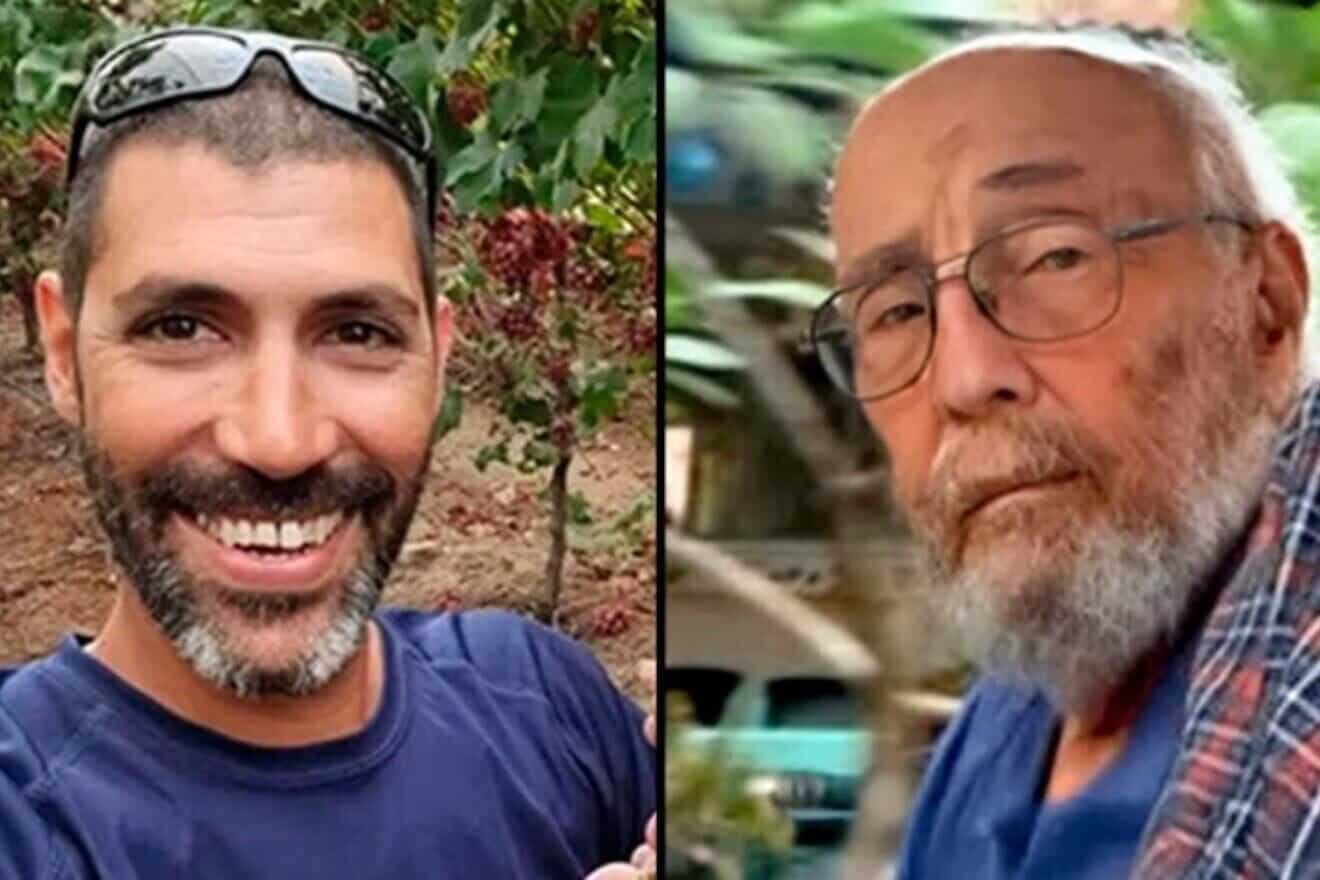
The remains were confirmed as belonging to slain captives Aryeh Zalmanovich and Israel Defense Forces Master Sgt. (res.) Tamir Adar.

Slain captives Israel Defense Forces Master Sgt. (res.) Tamir Adar Aryeh Zalmanovich. Credit: Courtesy.

The Hamas terrorist organization, through the International Committee of the Red Cross, on Tuesday evening returned the remains of two more slain Israeli hostages it had been holding in the Gaza Strip.

After being handed over to Israeli forces by a Red Cross team inside the Strip, the bodies were transferred to the Jewish state and received in a military ceremony, the Prime Minister’s Office said.

Following an identification process at the National Institute of Forensic Medicine at Abu Kabir in Tel Aviv, the PMO confirmed the hostages’ identities as Aryeh Zalmanovich and Israel Defense Forces Master Sgt. (res.) Tamir Adar.

The Israeli government “shares in the deep sorrow of the Zalmanovich and Adar families and all the families of the deceased hostages,” it said.

Jerusalem “remains determined, committed, and working tirelessly to return all of our deceased hostages for proper burial in their country,” added the PMO.

The PMO emphasized that Hamas must honor its commitments under the U.S.-brokered ceasefire deal and return the 14 remaining bodies it continues to hold hostage in Gaza, almost 750 days after the terror organization’s Oct. 7, 2023, massacre in southern Israel.

Under the terms of the ceasefire deal that went into effect last week, Hamas was required to return all 28 hostage bodies it was holding on Oct. 13. So far, the terrorist group has transferred to Jerusalem only 14.

Zalmanovich and Adar were both abducted from Kibbutz Nir Oz near the Gaza border by Hamas-led terrorists during the Oct. 7, 2023 massacre.

Zalmanovich, 86 at the time of his death, one of the founding members of Kibbutz Nir Oz and among the oldest hostages taken that day, died in captivity after several weeks. His son has said he was murdered in Gaza.

The Hostages and Missing Families Forum stated on Wednesday morning: “Aryeh Zalmnovitz was kidnapped alive from his home in Kibbutz Nir Oz on the morning of Oct. 7 and murdered in Hamas captivity. A father of two sons and grandfather of five, he was a man of books and deep knowledge of history and the Land of Israel. He devoted his life to agriculture and field crops, specializing in growing wheat under the harsh conditions of the Negev.”

Adar, the community’s deputy security coordinator, was killed on Oct. 7 defending Nir Oz. The IDF reservist, 38 at the time of his murder, is survived by his wife and two young children.

Tamir “was severely wounded and kidnapped as he went out to defend the Nir Oz community on the morning of Oct. 7, during a heroic battle against hundreds of terrorists,” the Hostages and Missing Families Forum stated on Wednesday. “Tamir did not survive his injuries.”

“Tamir, a third-generation member of Kibbutz Nir Oz, was a devoted family man and father,” it said. “A lover of people and the land—farmer at heart—who, even as a child, loved roaming the kibbutz’s fields and trails, and would often take his young children to watch the sunset.”

Adar’s confirmed death brings the Israeli military’s total fatalities on all fronts since the war started on Oct. 7 to 920, as of Wednesday morning.


Zawartość publikowanych artykułów i materiałów nie reprezentuje poglądów ani opinii Reunion’68,
ani też webmastera Blogu Reunion’68, chyba ze jest to wyraźnie zaznaczone.
Twoje uwagi, linki, własne artykuły lub wiadomości prześlij na adres:
webmaster@reunion68.com