
Archive | 2025/10/23

Ostatnia święta krowa: dlaczego islam musi być krytykowany


Ostatnia święta krowa: dlaczego islam musi być krytykowany

Paul Finlayson


I rozważania, czy Mahomet w ogóle istniał. Nie denerwuj się — w wolnym kraju można zadawać takie pytania.

Żyjemy w czasach, w których można bez przeszkód kpić z chrześcijan jako łatwowiernych prostaków, demonizować Żydów, przedstawiać Mojżesza jako nawiedzonego dziwaka z obsesją na punkcie tablic, wyśmiewać buddyjską mistykę jako naćpane majaczenie, czy drwić z hinduistycznego panteonu niebieskoskórych bogów.

Ale niech tylko satyryczne pióro muśnie powierzchnię islamu — i nagle strażnicy „bezpieczeństwa” podnoszą alarm, komisarze praw człowieka ostrzą ołówki, a tłum — dosłowny lub cyfrowy — szykuje stryczek.

Znajdujemy się na absurdalnym etapie cywilizacji, w którym za akt odwagi uchodzi szydzenie z religii babci, ale „islamofobią” staje się samo zauważenie, że wiara Mahometa niesie za sobą śmierć i cenzurę. Krytyka nie jest już traktowana jako stanowisko, lecz jako zaburzenie; nie jako pytanie, lecz jako zbrodnia z nienawiści. A nad wszystkim unosi się domniemane zagrożenie przemocą.

Już przez to przechodziliśmy. Duńskie karykatury. Rzeź w redakcji Charlie Hebdo. Salman Rushdie — dźgnięty nożem i częściowo oślepiony dziesiątki lat po śmierci ajatollaha Chomeiniego, który wydał na niego wyrok. 11 września w Nowym Jorku. Zamachy w londyńskim metrze. Masakra w madryckim pociągu. Biesłan. Oblężenie teatru w Moskwie. Bataclan w Paryżu. Zamachy samobójcze od Bagdadu po Bali. Śpiewy śmierci ISIS, Al-Kaidy, Talibów, Hamasu, Huti i Boko Haram.

W kółko ten sam rytuał; raz po raz jedyną „grzeczną” odpowiedzią pozostaje: nie wolno ci tego zauważyć.

Gdzie są anglikańskie szwadrony śmierci? Mormońskie milicje? Konfucjańskie komórki terrorystyczne? Armie Hare Kryszna wysadzające się w metrze? Nie ma ich. A mimo to wciąż słyszymy, że prawdziwym zgorszeniem nie jest rzeź, lecz jej dostrzeżenie.

Głowa Samuela Paty’ego potoczyła się po paryskim bruku, bo ośmielił się nauczać podstawowej prawdy: wolni obywatele nie są nikomu winni czci religijnej — tym bardziej prorokowi, o którego istnienie nie można nawet bezpiecznie zapytać.

Dotarliśmy do punktu, w którym przemoc egzekwuje prawo o karalności  bluźnierstwa, a cenzura udaje wrażliwość. Uniwersyteckie „biura ds. równości” i urzędy praw człowieka, uzbrojone w infantylizujący żargon „krzywdy” i „bezpieczeństwa”, stały się ochoczymi zastępcami tej opresji.


Apel Tahira Alego o karanie bluźnierstwa

Obecnie mamy spektakl, w którym brytyjski poseł z okręgu Birmingham Hall Green, Tahir Ali, staje w Izbie Gmin i domaga się przywrócenia prawa o karze za bluźnierstwo. Tak — prawa o karze za bluźnierstwo — tych średniowiecznych narzędzi kapłańskiego despotyzmu, które Oświecenie z trudem wyrzuciło na śmietnik historii.

A co na to premier Wielkiej Brytanii, Keir Starmer? Wyszeptał, że profanacja jest „straszna” i powinna być potępiona, po czym potulnie obiecał krucjatę przeciwko „wszelkim formom nienawiści i podziałów, w tym islamofobii we wszystkich jej przejawach”.

W jednej lśniącej chwili teatralnego braku kręgosłupa zobaczyliśmy tchórzostwo przebrane za męstwo.

Poseł żąda przywrócenia przestępstw myślowych, a przywódca narodu, który dał światu Johna Stuarta Milla i Johna Locke’a, odpowiada nie oburzeniem, lecz werbalną breją.

Ale my wszyscy już się zachwialiśmy. I tu leży głębsze tchórzostwo: nie tylko to, że nasi liderzy nie bronią wolności, ale że nie pozwalają nawet zadać pytań, które wolność ma chronić.

Bo co może być bardziej wywrotowego niż pytanie, czy Mahomet — ten najbardziej zazdrośnie strzeżony z proroków — w ogóle istniał?

Historyk poszukujący dowodów na istnienie Mahometa napotyka pustkę. Miasta, w których miała rozgrywać się historia islamu — Mekka i Medyna — nie wykazują oznak tętniącego życia aż do znacznie późniejszego okresu. Współczesne kroniki bizantyjskie i perskie, które skrupulatnie notowały znacznie mniejsze potyczki na pustyni, milczą na jego temat. Monety, inskrypcje, papirusy — cisza. Pierwsza rozpoznawalna wzmianka o Mahomecie pojawia się ponad sto lat po jego rzekomej śmierci w 632 roku. To nie historia, lecz hagiografia dopasowana do potrzeb — prorok wykreowany po zbudowaniu imperium, nie przed nim.

A jednak nawet szept o tej możliwości nie jest traktowany jako badanie naukowe, lecz jako bluźnierstwo. Nie tylko nie wolno powiedzieć, że nie istniał — nie wolno nawet zapytać.

W przeciwieństwie do judaizmu, który z czasem zwrócił się ku introspekcji, czy chrześcijaństwa, które potknęło się o reformację i oświecenie, islam jawi się nie tyle jako religia, co jako projekt imperialny.

Jego geniusz leży nie w teologii, lecz w logistyce: zebrać plemiona pustyni, obiecać im łup, seks i raj, przyspawać monoteizm do podboju i przypieczętować wszystko Bożym błogosławieństwem.

Zapisy to księga rzezi: napady na karawany, zabójstwa poetów winnych satyry, obietnice, że rabunek to sprawiedliwość, a „męczeństwo” to zaliczka na burdel w niebie. Prorok, który głosił wstrzemięźliwość, sam posiadając harem; który uznał za święte posiadanie małżonki w wieku Aiszy, a innym głosił zazdrosną surowość.

Czy weźmiemy to za prawdę, czy za późniejszą fikcję, nie ma większego znaczenia: Mahomet służy jako idealne usprawiedliwienie dla podboju i dominacji. Czy był człowiekiem, czy mitem — jest jedynym założycielem religii, którego nieistnienie byłoby bardziej kompromitujące niż istnienie.

Na ziemi, kontrola nad kobietami staje się przedłużeniem prawa własności: hidżab i burka to nie „skromność”, lecz metki własności. Zakrycie kobiety aż po jej twarz nie jest uświęceniem, lecz odczłowieczeniem.

A mimo to na Zachodzie organizacje powiązane z Bractwem Muzułmańskim i ich sojusznicy opanowali język „praw” i „bezpieczeństwa”, używając go jak pałki do tłumienia sprzeciwu. „Nękanie”, „niechciana mowa”, „niebezpieczny klimat” — to współczesne zakazane słowa zachodniego kodeksu bluźnierstwa.

Efekt? Każdą inną religię można wyśmiewać, krytykować, analizować i parodiować — ale islam musi być odgrodzony. Wypowiedzenie prostego faktu historycznego — że Hamas to naturalny spadkobierca faszyzmu — traktowane jest jako mowa nienawiści.

Wniosek jest zatem brutalny. Czy Mahomet istniał? Może tak, w jakiejś niejasnej i nieudokumentowanej formie. Może był kupcem wyolbrzymionym i przepisanym przez późniejszych stronniczych redaktorów. Może został w całości wymyślony, by nadać boską aurę imperialnym podbojom.

Ważniejsze jest to, że nie wolno nam nawet zapytać.

Cywilizacja, która zabrania zadawania pytań, ściga wątpiących i boi się karykaturzystów, nie broni tolerancji — ona porzuca rozum. Społeczeństwo, które wskrzesza prawo bluźnierstwa pod sterylną nazwą praw człowieka, już zdradziło Oświecenie.

Islam nie ma prawa do nietykalności. Żadna religia go nie ma. Krytyka to nie nienawiść. Wątpliwość to nie przestępstwo. A „islamofobia” to nie choroba krytyków, lecz broń fanatyków. Jeśli nie będziemy się opierać, obudzimy się, gdy naszą spuściznę wolnej myśli zamienimy na tandetny przywilej milczenia na temat proroka, który być może nigdy nie istniał.


Link do oryginału: The Last Sacred Cow: Why Islam Must Be Criticised

Paul Finlayson – kanadyjski nauczyciel akademicki, wykładowca marketingu na University of Guelph-Humber, od listopada 2023 roku zawieszony i w 2025 roku ostatecznie wyrzucony z pracy w związku z zarzutem uporczywego dementowania kłamstw o Izraelu. Nie jest Żydem, gdyby ktoś pytał.


Zawartość publikowanych artykułów i materiałów nie reprezentuje poglądów ani opinii Reunion’68,
ani też webmastera Blogu Reunion’68, chyba ze jest to wyraźnie zaznaczone.
Twoje uwagi, linki, własne artykuły lub wiadomości prześlij na adres:
webmaster@reunion68.com


After the joyous liberation, Trump’s deal will be tested

After the joyous liberation, Trump’s deal will be tested

Jonathan S. Tobin


If Hamas won’t disarm or give up power in Gaza, will a president who is basking in the title of “peacemaker” or an exhausted Israeli public let the terrorists get away with it?

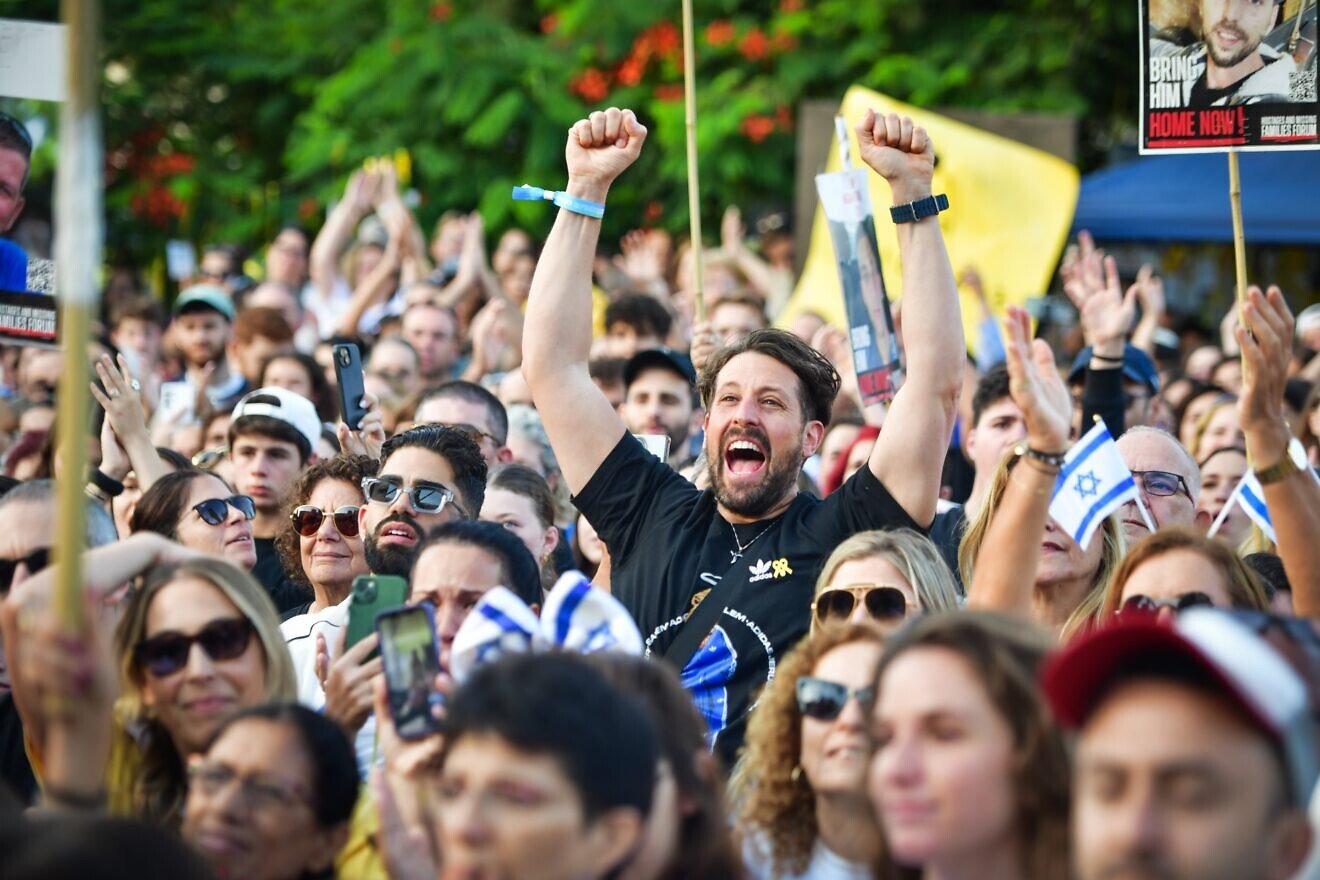
Thousands gather at Hostages Square, outside the Tel Aviv Museum of Art, to celebrate the return of the remaining hostages held captive by Hamas in Gaza for the past two years, Oct, 13, 2025. Photo by Avshalom Sassoni/Flash90.

Around the world, Jews and decent people of all faiths and backgrounds greeted the liberation of the remaining living hostages held by the Hamas terrorists with joyous thanks, relief and tears. After two years of agony for those Israelis who were among the last of those kidnapped during the Hamas-led Palestinian Arab assault on Israel on Oct. 7, 2023, they are finally going home.

But once the prayers of thanksgiving are uttered and the hostages are embraced by a grateful nation with an explosion of happiness, what then?

A seminal moment

The priority right now is to celebrate the freedom of this last group of the 251 who were taken on Oct. 7 and the end of a long ordeal in which they were abused, starved and tortured by their barbarous captors.

What is happening isn’t a mere homecoming.

In a very real sense, those in Israel and elsewhere who spent the last 24 months praying for this day are also being liberated from the anguish, frustration and anger we collectively felt about the trauma of Oct. 7 and what the hostages were enduring. Combined with the prospect that the longest war in Israeli history is also ending, the reaction to the freedom of the captives is going to transcend past examples in which hostages held by terrorists were let go or rescued, and likely be remembered as a seminal moment in modern Jewish history.

And that is exactly what the people who planned, executed and cheered for the largest mass slaughter of Jews since the Holocaust are counting on.

Israeli Prime Minister Benjamin Netanyahu agreed to the terms laid down for ending the war in Gaza and freeing the hostages, which included both an Israeli withdrawal to agreed-upon lines inside the Strip as well as a painful release of imprisoned terrorists with blood on their hands.

But aside from releasing the living hostages and presumably also the bodies of slain captives they’ve been holding, it’s far from clear that Hamas has any intention of fulfilling the rest of the demands put upon them by Trump, including disarming and giving up their control of Gaza. That’s despite the fact that those points were essential to getting Israel to agree to ending its offensive into Gaza City aimed at wiping out the remnants of the terrorists’ forces.

Hamas won’t give up

Instead, we’re told that Hamas’s surrender will only come about as part of negotiations that have been put off so as not to have them interfere with the achievement of the hostages’ release. That was the upshot of an interview with the prime minister of Qatar published in The New York Times the day before the hostage release.

Many observers have assumed that the hostages were the only leverage that Hamas still had in negotiations with Israel and the United States. But it’s clear now that this might be wrong. Perhaps with the prodding of their Qatari funders and allies—who have, with the help of Middle East envoy Steve Witkoff and presidential son-in-law Jared Kushner, wormed their way into Trump’s good graces—the terrorists have realized that their cruel insistence on holding onto the hostages was actually an impediment to their potential survival.

How is that possible? It’s simple. The advantage that Hamas now holds is twofold.

One is that Trump is eager, even desperate, for the ceasefire to hold to keep playing the role of the world’s leading peacemaker. That is a title he will lose if, as he has also promised, he will give the green light to Israel to “obliterate” Hamas if it fails to disarm and give up control in Gaza.

Thousands gather at Hostages Square, outside the Tel Aviv Museum of Art, to celebrate the return of the remaining hostages held captive by Hamas in Gaza for the past two years, Oct, 13, 2025. Photo by Avshalom Sassoni/Flash90.

Trump’s vision

It needs to be stated that Trump deserves enormous credit for the release of the hostages and the ceasefire. Only an American president who was prepared to lay down terms for the war’s end that mandated both the elimination of Hamas and the immediate freedom of all the captives could have done it. And that’s exactly what Trump did, in stark contrast to his predecessor, President Joe Biden, who was more interested in appeasing supporters of Hamas than in liberating Gaza from Islamist control. In this way, Trump seemed to reconcile two goals that had seemed mutually exclusive: the freedom of the hostages and the eradication of the terrorists.

The hostages would not have been freed without Trump, as well as Netanyahu’s tough-minded refusal to be pressured into letting Hamas win the war it started on Oct. 7.

Yet the hard part in implementing the vision of the U.S. president is what follows the release of the hostages. If Hamas thinks that it can talk and negotiate its way out of surrendering Gaza—and the terrorists have every reason to believe that Qatar will back that up—then Trump’s diplomatic triumph will fall far short of the claims being asserted by the administration.

The thing is, even if we allow for the usual Trumpian hyperbole with which he speaks about anything, it’s clear that the president really wants to believe that he has done the impossible.

In his statements in the last week and those made in his speech to the Knesset after flying to Israel to be on hand to witness and take justified credit for the hostage release, he spoke as if he had not only solved the riddle of how to end the post-Oct. 7 war. He also seems to think that this agreement will allow the revival of the 2020 Abraham Accords—the signature foreign-policy achievement of his first term—and that this will lead to peace breaking out throughout the Middle East. He even mentioned the possibility of a peace deal with the Islamist regime in Iran.

The conflict isn’t over

We should all pray that he’s right about the prospects for peace. Still, the odds are—notwithstanding assurances from Qatar—that the conflict with the Palestinians and Hamas is far from over. So long as Palestinians, whether supporters of Hamas or the supposedly more “moderate” Fatah Party that runs the corrupt Palestinian Authority, still believe that their national identity is inextricably linked to a war on the Jews and Zionism, all the Trumpian optimism in the world won’t matter.

Hamas is doubtless counting on Trump not being willing to admit that the peace he seeks is likely to require continued fighting until the last Hamas operatives have disarmed, fled or been killed. If the talks stall as Hamas digs in its heels, will the president be willing to be smeared as the fomenter of Palestinian “genocide” and to give up the praise that he’s gotten for brokering a deal from many of even his most bitter political opponents?

Those who want a Middle East free of Islamist terror, let alone a secure Israel or a Palestinian political culture freed of its obsessions with destroying Israel, should hope that he’s sufficiently tough-minded to stick to his insistence that the terms of the deal are non-negotiable. But the Qataris will likely be urging him to demand that the Jewish state not restart the war under any circumstances, even if Hamas doesn’t disarm. The same may apply to members of Trump’s administration who helped broker this ceasefire deal, including Doha’s business partners Witkoff and Kushner. In addition to Democrats who oppose Israel, those in the GOP who would prefer to withdraw completely from the Middle East (a group that may include U.S. Vice President JD Vance, as well as far more marginal figures like the antisemitic Tucker Carlson, former Fox News host and current political commentator), will also be loud opponents of American support for a renewal of fighting to force Hamas’s surrender.

After the hostage release, we should all be prepared for the international community, as well as Qatar and those Americans over whom it exerts some influence, to begin beating the drums again for a process that will lead to a Palestinian state. Trump and most of the Arab states may not actually want that. But it is far from certain that their commitment to a Hamas-free Gaza is greater than their desire to maintain a ceasefire, no matter what the terrorists do.

What’s more, flouting a Trump diktat for Israel to hold its fire in the same way that Netanyahu ignored Biden’s demands to halt the war at various points during 2024, with Hamas in a far stronger position, is something that the prime minister would be reluctant to do under any circumstances. And after the joy and gratitude of the Israeli people that is being showered upon Trump now that the hostages are freed, it may be impossible.

If so, then what will happen in Gaza in the coming weeks and months will be a reassertion of Hamas control, with the Islamist group looking to rearm and use the large part of the tunnel system underneath the Strip that was not destroyed during the war to dig in, much as they did in the years before Oct. 7.

Even during the days before the celebration of the hostage release, the world already witnessed the way Hamas was doing just that by openly killing dissidents and members of clans that opposed their rule in Gaza.

It’s not just that Hamas is doing its best to sell the agreement to Palestinians as a victory for them. That would ring hollow if the Islamists were really going to disarm and/or be forced to flee Gaza. The release of many terrorists with blood on their hands in exchange for the hostages in far greater numbers than the Israeli captives will make that claim seem credible. The homecoming celebrations for the released terrorists are, in effect, Hamas “victory” parties. The growing chorus of nations taking up the demand for an independent Palestinian state to reward them for their Oct. 7 atrocities will only further strengthen Hamas’s position.

And that’s when those aspects of Trump’s scheme that require Gaza to be ruled by what may be an entirely mythical group of nonpolitical Palestinian technocrats and policed by an international force, including some troops sent by the Arab world, will begin to seem more and more unrealistic.

Israelis are war-weary

And that leads us to the second reason why Hamas thinks it can still hold onto Gaza even after the hostages are freed.

Israelis are, for understandable reasons, weary of the two-year war they were forced into on Oct. 7. The maintenance of the large army of called-up reservists has placed an enormous strain on these heroic soldiers and their families, as well as on the Israeli economy.

Sending the Israel Defense Forces back into the maelstrom of Gaza to ensure that Hamas doesn’t reconstitute the terrorist state they ruled before Oct. 7 would be an enormous letdown for Israelis. It will also likely prompt the same political opponents who have been demonstrating in Tel Aviv’s Hostages Square every week—where they acted as if it was Netanyahu rather than Hamas who was the kidnapper—to try to bring Israel to a standstill. Even without the cover provided by grieving hostage families, the “anti-Bibi” political coalition will, just as it did throughout the two-year war, prioritize its hatred for the prime minister and its determination to topple him over achieving the national war goal of eliminating Hamas.

Most Israelis agree with Netanyahu’s position on ending the terrorist organization and making sure that it cannot make good on its promises to keep on committing more Oct. 7-style massacres to achieve its genocidal goal of Israel’s destruction. Yet restarting the war against Hamas once Israelis have had a taste of peace and Trump is basking in the glow of his diplomatic success will be a lot harder than it was to continue it prior to the hostage deal.

These sobering thoughts are not what will be on most people’s minds as the freedom of the hostages is celebrated. And it is definitely not something most of them want to hear.

Unless Trump is prepared to be as tough-minded as he often claims to be, and Israelis are ready to resume a war they’d prefer were over, these are the factors that may cause Hamas to refuse to budge from Gaza and to think they can get away with it. What follows the release of the hostages will be joy; however, the assumption that it will be peace or anything like it may not only be wrong, but a path toward a revival of the Hamas-run Palestinian state in Gaza that is a guarantee of more massacres like the one that took place two years ago.


Jonathan S. Tobin is editor-in-chief of the Jewish News Syndicate, a senior contributor for The Federalist, a columnist for Newsweek and a contributor to many other publications. He covers the American political scene, foreign policy, the U.S.-Israel relationship, Middle East diplomacy, the Jewish world and the arts. He hosts the JNS “Think Twice” podcast, both the weekly video program and the “Jonathan Tobin Daily” program, which are available on all major audio platforms and YouTube. Previously, he was executive editor, then senior online editor and chief political blogger, for Commentary magazine. Before that, he was editor-in-chief of The Jewish Exponent in Philadelphia and editor of the Connecticut Jewish Ledger. He has won more than 60 awards for commentary, art criticism and other writing. He appears regularly on television, commenting on politics and foreign policy. Born in New York City, he studied history at Columbia University.


Zawartość publikowanych artykułów i materiałów nie reprezentuje poglądów ani opinii Reunion’68,
ani też webmastera Blogu Reunion’68, chyba ze jest to wyraźnie zaznaczone.
Twoje uwagi, linki, własne artykuły lub wiadomości prześlij na adres:
webmaster@reunion68.com


Hamas to Ramp Up Brutal Crackdown on Gazans as New Israeli Data Shows Terror Group Still Heavily Armed


Hamas to Ramp Up Brutal Crackdown on Gazans as New Israeli Data Shows Terror Group Still Heavily Armed

Ailin Vilches Arguello


Hamas fighters on Feb. 22, 2025. Photo: Majdi Fathi via Reuters Connect

As new Israeli intelligence reveals that Hamas remains heavily armed despite severe losses during the two-year conflict in Gaza, the Palestinian terrorist group is intensifying its brutal crackdown on all opposition in the enclave.

Hamas still maintains a substantial stockpile of rockets and other weaponry, even after being severely weakened by Israel’s military campaign, according to information and estimates gathered by the Israeli defense establishment and shared with Hebrew media on Wednesday.

The newly released intelligence assessment, reported by Israel’s Channel 12 news, indicates that the Palestinian terrorist group is facing a major weapons shortfall, with over 60 percent of its military equipment lost, nearly half of its forces — including senior members — eliminated, and more than half of its above-ground infrastructure destroyed.

However, Israel believes that Hamas, despite suffering severe losses during the war, continues to operate more than half of its tunnels, with its underground infrastructure serving as the Islamist group’s main hub. Hamas also still has hundreds of rockets, some of them medium range, which can reach the center of Israel, and has more than 10,000 other weapons.

Meanwhile, Hamas is still bringing in recruits and has about 20,000 terrorists still active in the ranks of the organization. However, these are primarily fighters with little experience and competence, according to Israeli assessments, who have undergone only limited training, while the terrorist group’s elite Nukhba forces, which led the Oct. 7, 2023, invasion of and massacre across southern Israel, have struggled to replenish their decimated ranks.

Shortly after the US-backed ceasefire to halt fighting in Gaza took effect, Hamas moved to reassert control over the war-torn enclave and consolidate its weakened position by targeting Palestinians who it labeled as “lawbreakers and collaborators with Israel.”

According to Iranian media, Hamas is preparing to launch its largest operation yet to eliminate the remaining armed opposition groups “that continue to collaborate with the Israeli occupation forces.”

“In the coming days, we will launch our largest security campaign yet, targeting multiple areas where these groups remain,” a Hamas official told the Iranian state outlet Press TV.

“Our goal is to eliminate all collaborators and ensure peace and security for the people of Gaza,” he continued.

Since the ceasefire, which left the Israeli military in control of 53 percent of the enclave, took effect earlier this month, Hamas’s brutal crackdown has escalated dramatically, sparking widespread clashes and violence as the group moves to seize weapons and eliminate any opposition.

The terrorist group has publicly executed alleged collaborators and rival militia members in the 47 percent of Gaza that remains outside Israeli military control, an area where the majority of Gaza’s population still lives under Hamas’s authority.

Social media videos widely circulated online show Hamas members brutally beating Palestinians, dragging them across the ground, and even breaking their legs or kneecapping them in an effort to terrorize the population.


Hamas officials have accused Israel and the United States of attempting to use these alleged “collaborators” and militias as proxies to undermine the group’s authority and destabilize Gaza following the ceasefire.

Last week, US President Donald Trump warned that he would support attacks on Hamas if the group continued its violent campaigns and public executions.

“If Hamas continues to kill people in Gaza, which was not the Deal, we will have no choice but to go in and kill them,” Trump wrote in a post on Truth Social.

Israel’s Foreign Ministry also drew attention to Hamas’s escalating violence in Gaza, slamming the international community for its silence.

“Killings in public by Palestinian Hamas – and deafening silence from the ‘moral preachers.’ Do you hear the sound of the crickets?” the ministry wrote in a post on X.

Meanwhile, Hamas leaders met with Qatari and Turkish officials in Doha on Tuesday to discuss the ongoing ceasefire and plans for rebuilding Gaza after the war.

As regional powers back reconstruction efforts in support of Trump’s peace plan, experts have warned about the expanding roles of Qatar and Turkey in such initiatives, amid concerns that their involvement could potentially strengthen Hamas’s terrorist infrastructure. Both countries have been key backers Hamas for years.

On Tuesday, Israeli Prime Minister Benjamin Netanyahu hinted at opposition to any involvement of Turkish security forces in monitoring the US-backed ceasefire in Gaza.


Zawartość publikowanych artykułów i materiałów nie reprezentuje poglądów ani opinii Reunion’68,
ani też webmastera Blogu Reunion’68, chyba ze jest to wyraźnie zaznaczone.
Twoje uwagi, linki, własne artykuły lub wiadomości prześlij na adres:
webmaster@reunion68.com
