Archive | 2025/10/08

7 października – dwa lata później

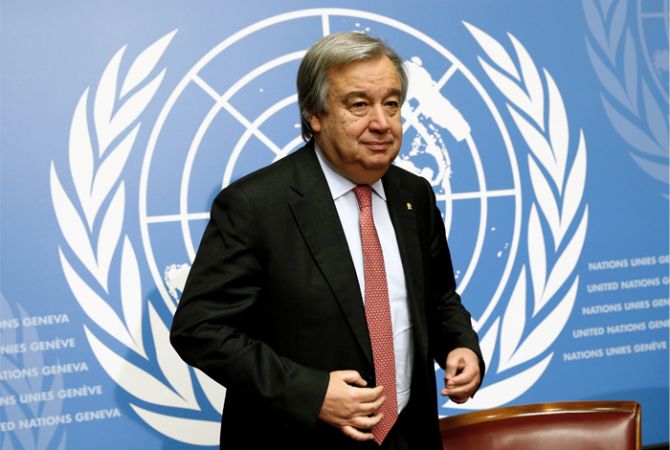
Człowiek, który nie pojawił się w próżni. (Źródło zdjęcia: Wikipedia)


7 października – dwa lata później

Andrzej Koraszewski


Tak, minęły dwa lata od tamtego ludobójczego ataku Palestyńczyków. António Manuel de Oliveira Guterres, dziedzic płaszcza austriackiego nazisty Kurta Waldheima, natychmiast słusznie zauważył, że „to nie wydarzyło się w próżni”. O, nie – to nie wydarzyło się w próżni. Nie od razu zbudowano nazistowską twierdzę w Gazie – z jej setkami kilometrów tuneli terroru, z jej szpitalami i meczetami przemienionymi w arsenały broni, z jej szkołami kryjącymi wejścia do tuneli i kształcącymi dzieci z wypranymi mózgami sadystów. To nie wydarzyło się w próżni, a minione dwa lata są świadectwem ciągle rosnącej miłości świata do nazistów.

Dziś to Izrael, a nie Hamas, oskarżany jest o ludobójstwo, o zabijanie dzieci, o rzekome głodzenie biednych Palestyńczyków. Uprzejme prośby o wskazanie w całej historii konfliktów zbrojnych jednego przypadku takiego zaopatrywania wrogiej populacji w żywność i medykamenty, jaki widzimy w Gazie, są oczywiście zbywane pogardliwym milczeniem. Te dwa lata okazały się latami troskliwego budowania nienawiści do żydowskiego państwa. Czasami szerzące tę nienawiść kreatury ukrywają swoją miłość do nazistów za lamentami nad grobami pomordowanych przed dziesiątkami lat. Ta miłość do martwych Żydów, mająca zamaskować solidarność z tymi, którzy deklarują i demonstrują gotowość zamordowania jeszcze żywych, jest szczególnie obrzydliwa. Kefija, ta swastyka hipstersów, stała się dziś sztandarem świata.

Michael Starr, izraelski żołnierz rezerwy, który dwa lata temu wszedł ze swoją jednostką do kibucu Kissufim, opisuje sceny rzezi — krew rozmazaną na ścianach, ciała terrorystów leżące na ulicach, odór gnijących zwłok wnikający w każdy zakątek kibucu.
Jak pisze:

Dla wielu to wciąż jakby było wczoraj, a jednocześnie ta rana jątrzy się, jakby nie była leczona przez całe życie. Dopiero co wchodziłem do Kissufim, by oczyścić je z terrorystów — a straciłem dwa lata życia. Nagle mam siwe włosy, osłabiony słuch, ale nigdy nie miałem czasu, by się zestarzeć. Najdłuższy dzień stał się najdłuższym tygodniem, a potem najdłuższym rokiem.

Trauma rodzin porwanych, trauma tych, których zdołano odzyskać żywych – za cenę uwolnienia morderców przysięgających, że będą mordować dalej – trauma całego narodu, gdzie wyprawa po bułki na śniadanie może zakończyć się śmiertelnym atakiem nożownika, taranowaniem samochodem czy uderzeniem rakiety wystrzelonej ze szkolnego okna.

Mogłoby się zdawać, że cały świat powinien dziś domagać się ostatecznego zniszczenia nie tylko tej nazistowskiej twierdzy, ale ruchu zmierzającego do ostatecznego rozwiązania kwestii żydowskiej. O nie – miliony Grupińskich, z wsparciem tysięcy Leociaków, domagają się aresztowania premiera Netanjahu na wniosek prokuratora Karima Asada Ahmada Khana.

Oczywiście, izraelski premier jest winien próby całkowitego demontażu nazistowskiej twierdzy, która jest zaledwie forpocztą dżihadu przeciwko niewiernym.

Święta wojna. Jak bardzo święta? Dla kogo święta? Przez kogo uświęcona? Dlaczego w tej świętej wojnie pierwszym i najbardziej świętym celem jest ostateczne rozwiązanie kwestii żydowskiej?

Izraelski arabista, profesor Mordechai Kedar, pisze, że główną przeszkodą na drodze do pokoju między Izraelem a Palestyńczykami wcale nie jest polityka.

Z uwagi na siłę czynnika religijnego i słabość czynnika narodowego, akceptacja rozwiązania dwupaństwowego przez Palestyńczyków jest niemal niemożliwa. Niepodległość narodowa ma ograniczony urok, a wszystko, co nie oznacza całkowitego zwycięstwa nad państwem żydowskim, nie zaspokaja potrzeby triumfu islamu nad judaizmem.

Zachodni obserwatorzy mają tendencję do ignorowania religijnego aspektu świata muzułmańskiego, traktując go jako sprawę drugorzędną lub czysto retoryczną. W rzeczywistości nawet takie ugrupowania jak Fatah – posługujące się często świecką, nacjonalistyczną retoryką – są głęboko przesiąknięte islamskimi przekonaniami i sposobem myślenia. Dla Palestyńczyków aspiracje narodowe i religijne są nierozłączne, a dla wielu z nich bliskość Hamasu z islamem nadaje mu większą legitymację jako ruchowi politycznemu.

Gaza jest forpocztą, mityczna „Palestyna” jest tylko forpocztą dżihadu przeciw niewiernym, w którym zwycięstwo nad Żydami jest tylko niezbędnym i – na tym etapie – najbardziej upragnionym celem.

Pisze dalej ten izraelski arabista, że Hamas i inne ugrupowania powiązane z Bractwem Muzułmańskim posługują się ustalonym zestawem poglądów na temat Żydów i judaizmu, który czyni jakikolwiek kompromis czy wzajemne uznanie państwa żydowskiego nie do przyjęcia. Pojawienie się islamu w VII wieku unieważniło judaizm. Wyznawcy tej wypieranej religii nie stanowią narodu ani ludu. Dlatego istnienie państwa żydowskiego jest sprzeczne z prawami Boga. Dodajmy, że dokładnie to samo zapisane jest w konstytucji Islamskiej Republiki Iranu. Religijny nakaz walki z niewiernymi musi się zacząć od ludobójstwa, bo tego wymaga Bóg. Dlatego 7 października jest celebrowany, a ofiary z własnych ludzi składane są na ołtarzach jako niezbędne na drodze do sukcesu Allaha.

Religijne postrzeganie leży również u podstaw wrogości wobec Izraela wśród pozostałych narodów arabskich i muzułmanów na całym świecie. Dlatego Palestyńczycy czują, że uznanie Izraela jako państwa narodu żydowskiego byłoby zdradą islamu i przyniosłoby im pogardę współwyznawców.

Kefija jest dziś symbolem dżihadu. Palestyńczykom wyznaczono rolę psów tej religijnej wojny, w której mord, terror, sadyzm, gwałt i dzieciobójstwo zostały uświęcone.

Czemu jednak z tym dżihadem przeciwko Żydom sympatyzują miliony ludzi, którzy nigdy nie byli indoktrynowani przez religię Mahometa? Czemu 7 października 2023 roku wywołał religijną nienawiść do państwa żydowskiego wśród ateistów amerykańskich, europejskich i australijskich?

Widząc tę odrażającą orgię, była muzułmanka Ayaan Hirsi Ali porzuciła ateizm i nawróciła się na chrześcijaństwo. Zastanawiam się, jaką chrześcijanką jest Ayaan, dlaczego szuka dziś człowieczeństwa raczej w tradycji chrześcijańskiej niż wśród bestii, które ubrały swój „humanizm” w kefije?

Richard Dawkins oświadczył, że jest kulturowym chrześcijaninem – motywuje to tym, że lubi architekturę katedr, psalmy i atmosferę tradycji. Odrzucił Boga, ale nie widzi powodu do odrzucenia tradycji. Podobnie jak on, czuję się kulturowym chrześcijaninem, ale motywowałbym to inaczej. Wśród moich wzorów moralnych dominują wierzący chrześcijanie, którzy odzierali chrześcijaństwo z jego barbarzyństwa. To chrześcijańskie barbarzyństwo było od pierwszych dni naznaczone religijnym antyjudaizmem. Postrzeganie Żyda jako wzorca antybliźniego miało oferować drogę do zwycięstwa.

Dlaczego ta najbardziej nieludzka tradycja chrześcijańskiej barbarii została zachowana w postchrześcijańskim świecie przez chmary ateistycznych zwyrodnialców? Dlaczego ci ateiści dyszą miłością do fanatycznych islamskich dżihadystów, udając, że to jest jakieś współczucie dla niewinnych Palestyńczyków? Czy odpowiedzi mógłby tu udzielić António Manuel de Oliveira Guterres – noszący imiona portugalskiego faszysty i portugalskiego króla, który wygnał Żydów?

Tradycja i atrakcja nieludzkiej barbarii odżyła na wieść, że 7 października 2023 roku tak wspaniale udała się orgia mordów. Z nor wylazły szczury roznoszące zarazę. Nie pojawiły się w próżni – znalazły podatny świat, w którym zaraza może znów zbierać obfite żniwo.


Zawartość publikowanych artykułów i materiałów nie reprezentuje poglądów ani opinii Reunion’68,
ani też webmastera Blogu Reunion’68, chyba ze jest to wyraźnie zaznaczone.
Twoje uwagi, linki, własne artykuły lub wiadomości prześlij na adres:
webmaster@reunion68.com


1,152 Israeli security forces have fallen since Oct. 7, data show


1,152 Israeli security forces have fallen since Oct. 7, data show

JNS Staff


The Israeli Defense Ministry released the latest figures on the war, a day before the second anniversary of the Hamas-led attack that sparked it.

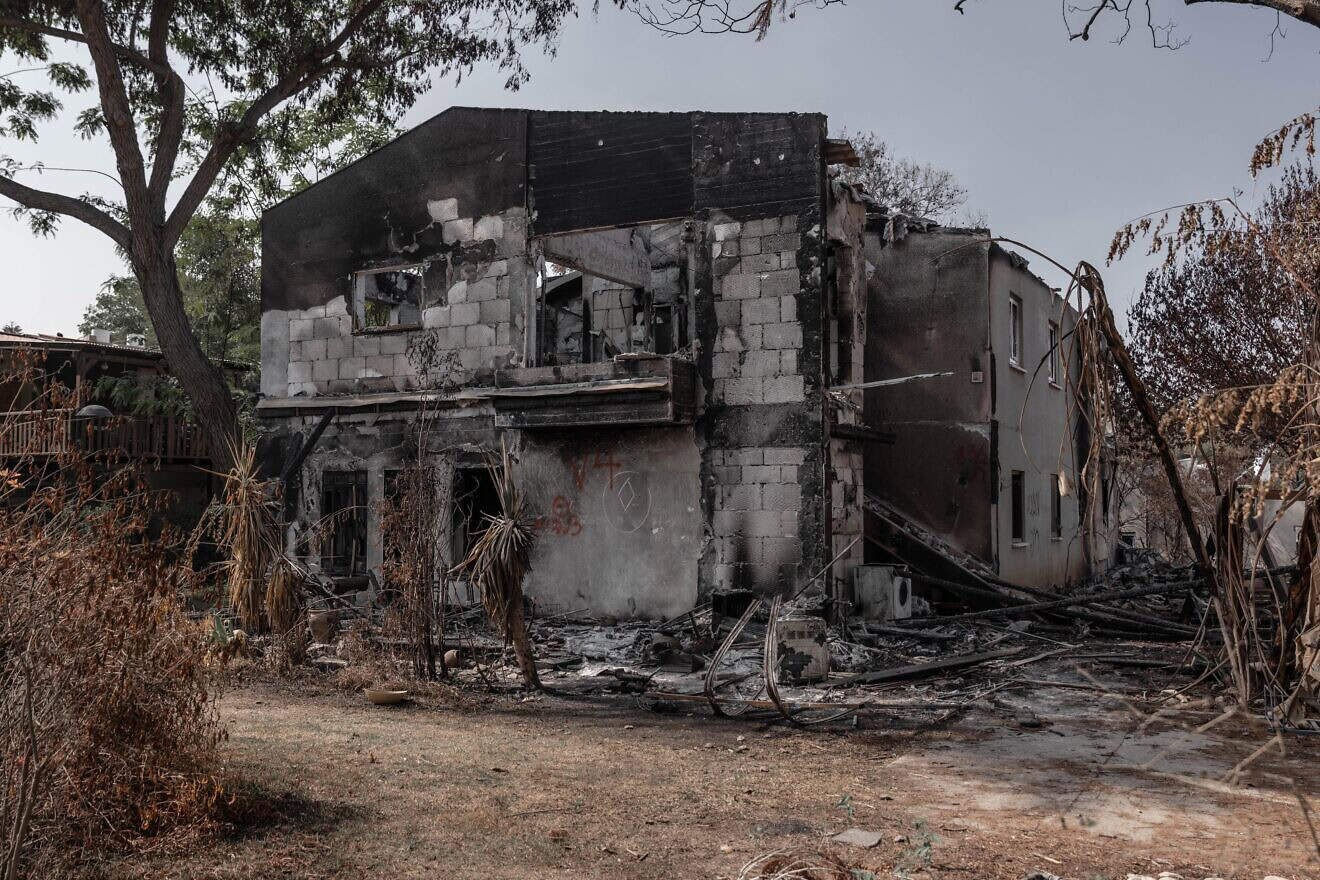
“Shadows of Be’eri.” Photo by Chen Schimmel.

More than 1,150 Israeli soldiers and security personnel have been killed, leaving more than 6,500 people bereaved since the Hamas-led Oct. 7, 2023, attacks on the western Negev, according to data released on Monday by Israel’s Defense Ministry, National Insurance Institute and the Emotional First Aid (ERAN) organization.

In the same period, 978 civilians were murdered in terrorist attacks, including 62 children under the age of 18, according to Israel’s Channel 12 News.

Approximately 42% of the casualties among security forces were under the age of 21, while 141 were over 40, according to the report.

In total, 1,152 members of the security forces were killed, including Israel Defense Forces soldiers, Israel Police officers, Israel Security Agency (Shin Bet) members, local security coordinators and civilian rapid-response team members.

The bereaved relatives include 1,973 parents, 351 widows, 885 orphans and 3,481 siblings.

In the past year alone, 262 additional security personnel were killed, and over 1,300 new relatives joined the circle of bereavement, including 240 orphans and some 751 siblings, according to Channel 12.

Of the fallen, 1,086 were men and 66 women; 801 were single, and 327 were married. Among the fallen were also 318 reservists.

Among the civilians killed, 778 were murdered on the first day of the Hamas-led attacks, according to the National Insurance Institute.

The Institute also reported that 80,000 civilians suffered physical and psychological damage since the atrocities in southern Israel on Oct. 7, 2023. Of these, 30,462 were recognized as suffering from psychological trauma, 1,929 as suffering both physical and psychological trauma, and 1,592 from physical trauma alone.

During Israel’s 12-day war with Iran in June, 30 civilians were killed in ballistic missile attacks and 1,176 were injured. In the first two months of the war, the National Insurance Institute paid more than $220 million in compensation to terror victims, bereaved families and hostages’ families, according to Channel 12.

In the entire year of 2024, payments exceeded $243 million, and in the last quarter of 2025 alone, more than $46 million were distributed, including more than $16 million for returned abductees in medical care and stipends, the report read.

ERAN, a psychological first-aid provider, saw the highest rate of distress calls in the first month of the war since its founding in 1971. Nearly every second call is related to anxiety, trauma or loss, according to the organization.

In total, it has registered more than 637,000 distress calls to its hotlines since Oct. 7, 2023.

Moreover, “The data indicate ongoing erosion in social and family resilience, and an increased risk among particularly vulnerable groups,” ERAN’s National clinical director, Dr. Shiri Daniels, was quoted as saying.

“The silent anguish and existential anxiety harm the daily functioning of individuals, families and communities,” she added.

Aryeh Moalem, deputy director-general and head of the Families, Commemoration and Heritage Division at the Israeli Defense Ministry, was quoted as saying: “The State of Israel bears a heavy price—the history of our country has been written in the blood of our sons and daughters. Two years have passed since the outbreak of the war, and the Families, Commemoration and Heritage Division is coping with a workload equivalent to more than 20 years of regular activity. The division’s staff see their work as a mission, continuing to commemorate the fallen, preserve their legacy for future generations, and accompany the bereaved families with emotional and welfare support.”


Zawartość publikowanych artykułów i materiałów nie reprezentuje poglądów ani opinii Reunion’68,
ani też webmastera Blogu Reunion’68, chyba ze jest to wyraźnie zaznaczone.
Twoje uwagi, linki, własne artykuły lub wiadomości prześlij na adres:
webmaster@reunion68.com

Against All Odds, I Saw Signs of Hope for Israel and America at the United Nations


Against All Odds, I Saw Signs of Hope for Israel and America at the United Nations

Anne-Sophie Sebban-Bécache


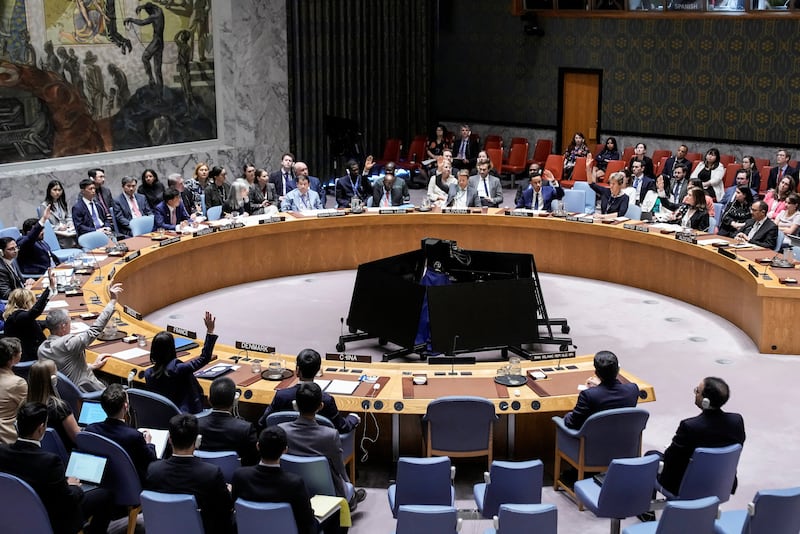
Members of the United Nations Security Council vote against a resolution by Russia and China to delay by six months the reimposition of sanctions on Iran during the 80th UN General Assembly in New York City, US, Sept. 26, 2025. Photo: REUTERS/Eduardo Munoz

This year’s session of the United Nations General Assembly opened on Rosh Hashanah. I arrived in a somber mood: France’s unilateral recognition of the State of Palestine — echoed soon by others — had the potential to trigger an inexorable escalation between two camps: Europe and the UN on one side, and Israel and the US on the other.

This is the cynical strategy that Hamas has pursued since October 7, 2023: draw Israel into a war that would ultimately delegitimize it on the international stage.

The Palestinian Authority (PA), by other means, is chasing the same end. Recognizing a state of “Palestine,” in this environment, is a gift to the regimes in power Hamas on one side, the PA on the other — and an affront to those truly committed to a better future for the region.

The week of diplomatic meetings and speeches at the UN unfolded across the days between Rosh Hashanah and Yom Kippur — a time of introspection, judgment, and renewal.  Throughout our meetings, I was reminded that reality is never as binary as it may seem, and that fatalism is not — and can never be — a Jewish posture.

In the corridors of multilateral diplomacy, escape routes began to appear: frank glances, sincere handshakes, whispered confidences that can carry more weight than thundering declarations.

Ukrainian President Volodymyr Zelensky emerged confident from his meeting with President Donald Trump, who for the first time explicitly held out the prospect of “victory” for Ukraine — perhaps a sign that old alliances are finally snapping back into place. No less significant is the long awaited, increasingly open alignment between Israel and Ukraine. The Baltic states — Latvia foremost — say it plainly: their own security, also threatened by Vladimir Putin, requires a strategic partnership not only with the United States but also with Israel, notably to acquire some of the most sophisticated anti‑drone detection systems — a goal set for year‑end.

This realignment gives us reason to hope again: could the geopolitical chessboard at last be stabilizing? When we exchanged Shana Tova greetings with President Zelensky, we could feel the hope — and the prospect — of a shared victory in the year ahead: for Ukraine, for the Jewish people, and for Israel.

Which brings us back to the issue of recognition. In New York and across European capitals, many headlines proclaimed Israel’s historic isolation. That emerging isolation is real — but it is not all encompassing, and it demands context. Allies still exist, including in Europe. Those who have faced war against ruthless enemies — like a senior Bosnian official we met, a former soldier in the 1993 war, or those in the East living under the constant threat of a hostile neighbor — understand intimately what a small, encircled state like Israel endures.

Others farther afield are speaking up as well, especially in sub‑Saharan Africa. From Guinea‑Bissau to the Democratic Republic of the Congo under President Félix Tshisekedi, whom we met for the first time, there is a tangible desire to accelerate development through stronger partnerships with the United States and Israel — across agriculture, health, energy, and cybersecurity. These are not empty promises; they are roadmaps. Foundations are being laid for durable friendships on a continent that, by 2050, is projected to account for a quarter of the world’s population.

At American Jewish Committee (AJC), by maintaining and broadening high‑level dialogue, and by continuing to open new doors for Israel and the Jewish people, we are rekindling the realm of the possible where others insist there is no way out. Ours is a diplomacy that repairs rather than flatters: it demands effectiveness to move history forward and rests on long‑term loyalty and active patience.  

Against the odds — just when this UNGA week seemed poised to widen the growing chasm between Israel and Europe — a path toward peace and stability began to emerge.

As world leaders continued to meet in New York, President Trump, speaking at the White House after conferring with Prime Minister Netanyahu, announced a plan that could bring an end to the Israel-Hamas war, bring the hostages home, and secure a more peaceful, prosperous future for civilians in Gaza. The plan, as of this writing, has been welcomed by the European Council and already garnered support across the Arab and Muslim-majority world.

The road ahead will be long and the obstacles immense, but we have learned to draw hope from darkness. That is our task — and, I believe, our victory.


Anne-Sophie Sebban-Bécache is the Vice President Europe, AJC.


Zawartość publikowanych artykułów i materiałów nie reprezentuje poglądów ani opinii Reunion’68,
ani też webmastera Blogu Reunion’68, chyba ze jest to wyraźnie zaznaczone.
Twoje uwagi, linki, własne artykuły lub wiadomości prześlij na adres:
webmaster@reunion68.com