
Archive | 2026/02/07

Islamska Republika Iranu w świadomości europejskich polityków


Islamska Republika Iranu w świadomości europejskich polityków

Andrzej Koraszewski


History repeats the old conceits

The glib replies, the same defeats

Keep your finger on important issues

With crocodile tears and a pocketful of tissues.

– Elvis Costello

Pojazdy Korpusu Strażników Rewolucji Islamskiej podczas rozbijania demonstracji. (Źródło: Wikipedia.)

Przez długie lata politycy Unii Europejskiej odmawiali jakichkolwiek dyskusji na temat uznania Korpusu Strażników Rewolucji Islamskiej za organizację terrorystyczną. Czy mogli nie wiedzieć, że ta formacja została świadomie utworzona na wzór Waffen SS, jako siła mogąca zapobiec przewrotowi wojskowemu, uzbrojona lepiej niż irańska armia, przygotowana do tłumienia protestów i wspierająca eksport rewolucji, zarówno przez zbrojenie i trening milicji szyickich poza granicami Iranu, jaki irańskich grup terrorystycznych na całym świecie.

Jeśli o tym nie wiedzieli, to była to niewiedza z wyboru, niewiedza dyktowana nienawiścią do Izraela i chęcią zysku.

Teraz, kiedy bezmiaru przemocy Korpusu wobec irańskiego społeczeństwa nie daje się już wypchnąć z pola widzenia, najpierw Francja i Hiszpania zaczęły mówić półgębkiem o konieczności uznania oczywistej prawdy. Wreszcie w poniedziałek 19 stycznia Parlament Europejski wezwał do uznania Korpusu za organizacje terrorystyczną.

Jak informowała 31 stycznia BBC:

„Represje nie mogą pozostać bez odpowiedzi” – powiedziała szefowa unijnej dyplomacji Kaja Kallas, dodając, że decyzja ta stawia IRGC – potężną siłę wojskową, gospodarczą i polityczną w Iranie – na tym samym poziomie co dżihadyści tacy jak Al-Kaida czy tzw. Państwo Islamskie.

Szef irańskiej dyplomacji Abbas Aragczi określił decyzję UE jako „sztuczkę” oraz „poważny błąd strategiczny”.

W irańskim „parlamencie” posłowie pojawili się w mundurach Korpusu i poświęcili część posiedzenia na okrzyki „Śmierć Ameryce, śmierć Izraelowi”, Iran ogłosił europejskie armie za „organizacje terrorystyczne” . Niedzielne posiedzenie odbyło się w 47. rocznicę powrotu z wygnania zmarłego ajatollaha Ruhollaha Chomeiniego, który w 1979 roku założył Islamską Republikę Iranu.

Strażnicy Rewolucji stanowią ideologiczne ramię irańskich sił zbrojnych i odpowiadają za ochronę rewolucji islamskiej przed zagrożeniami zewnętrznymi i wewnętrznymi.

Stwierdzenie, że ideologia Bractwa Muzułmańskiego oraz irańskiej rewolucji są powiązane z niemieckim nazizmem to nie jest insynuacja, ani jakieś luźne analogie, ale dobrze udokumentowana historia i klarowna kontynuacja.

Rządy państw zachodnich nie mogą już dłużej ukrywać rozmiarów brutalnej rozprawy z irańskim ruchem protestacyjnym, w wyniku której zginęło ponad 30 tysięcy ludzi, a setki tysięcy zostało rannych.

Teheran przypisuje przemoc „aktom terrorystycznym” inspirowanym przez Stany Zjednoczone i Izrael, a wielu ludzi na Zachodzie gotowych jest w to uwierzyć.

W sobotę w centrum Londynu odbyła się jedna z regularnych demonstracji antyizraelskich. Na proteście można było zobaczyć m.in. takie transparenty:

Ten konkretny transparent z ajatollahem Chameneim i hasłem „Wybierz właściwą stronę historii” został przygotowany przez mającą siedzibę w Londynie Islamską Komisję Praw Człowieka (Islamic Human Rights Commission).

Ironia tej nazwy, w zestawieniu z mordowaniem tysięcy irańskich protestujących, jest niemal nie do zniesienia. To oni są prawdziwym „ruchem oporu” organizowanym , przez tych, którzy tłumią wolność.

Jak przypomina Elder of Ziyon: „Nieprzypadkowo Chamenei w 2024 roku napisał antysemicki list do protestujących studentów, gratulując im dołączenia do „frontu oporu”, pisząc: „Globalna elita syjonistyczna — która posiada większość amerykańskich i europejskich korporacji medialnych lub wywiera na nie wpływ poprzez finansowanie i łapówki — nazwała ten odważny, humanitarny ruch oporu ‘terroryzmem’”. W tym samym liście stwierdził również: „Gdy karta historii się odwraca, stoicie po jej właściwej stronie”.

Dziś możemy się zastanawiać, co właściwie oznacza uznanie przez rządy państw Unii Europejskiej Korpusu Strażników Rewolucji Islamskiej za organizacje terrorystyczną? Czy Unia gotowa jest poprzeć groźbę militarnej interwencji` w Iranie? Nic na to nie wskazuje.

Jak pisała Vanessa Berg:

Atak na Iran jest bardziej skomplikowany, niż większość ludzi zdaje sobie z tego sprawę.
Operacja militarna przeciwko Iranowi, mająca wesprzeć antyreżimowych protestujących, jest skomplikowana nie dlatego, że stawka jest niejasna, lecz dlatego, że jest boleśnie jasna — i nadzwyczaj wysoka.

Iran jest olbrzymim krajem (1,648,195 km2), jego militarna infrastruktura jest rozrzucona, totalitarny reżim jest głęboko zakorzeniony w instytucjach. Militarny atak może spowodować lawinowe natężenie represji wobec własnego społeczeństwa, jak również zaktywizować atak na międzynarodowy handel.

W ubiegłym tygodniu Iran ujawnił rozbudowaną sieć podwodnych tuneli rakietowych połączonych z Cieśniną Ormuz, mieszczących setki rakiet manewrujących dalekiego zasięgu. Materiały wyemitowane w irańskiej telewizji państwowej pokazywały rzędy gotowych do odpalenia pocisków o zasięgu przekraczającym 1000 kilometrów.

Nie ogranicza się to do Zatoki Perskiej; wspierane przez Iran ugrupowania terrorystyczne, takie jak Huti w Jemenie, mogłyby rozszerzyć ataki na Morze Czerwone, cieśninę Bab al-Mandab i Zatokę Adeńską, zakłócając kluczowe światowe szlaki żeglugowe i potęgując skutki gospodarcze — jak miało to miejsce po 7 października i wybuchu wojny Izrael–Hamas.

Vanessa Berg zwraca uwagę na fakt, że Chiny są największym odbiorcą irańskiej energii. Pekin kupuje około 80–90 procent irańskiego eksportu ropy naftowej, co czyni stabilność tego kraju bezpośrednim interesem gospodarczym Chin. Poważne amerykańskie uderzenie lub regionalna destabilizacja mogłyby zakłócić te dostawy.

Jest zatem wysoce prawdopodobne, że za zamkniętymi drzwiami Chiny sygnalizują Waszyngtonowi swoje preferencje dla powściągliwości, po cichu ostrzegając, że eskalacja mogłaby zagrozić chińskiemu bezpieczeństwu energetycznemu i wciągnąć Pekin w konflikt.

Brak jednoznacznego poparcia ze strony Unii Europejskiej dodatkowo komplikuje całą sprawę.

Nie w pełni skuteczny atak militarny mógłby mieć skutki odwrotne od zamierzonych. Wzrost terroru wobec własnego społeczeństwa i wzmocnienie obecnie bardzo osłabionego reżimu.

Nie wiemy jaka będzie ostateczna decyzja Waszyngtonu, czy Ameryka zdecyduje się na interwencję militarną, czy tylko na odstraszanie i dalsze naciski gospodarcze, pewne jest natomiast, że współdziałanie Unii Europejskiej jest tu niezwykle istotne, nie tylko z moralnego punktu widzenia. Chwilowo widzimy drobny krok we właściwym kierunku.


Zawartość publikowanych artykułów i materiałów nie reprezentuje poglądów ani opinii Reunion’68,
ani też webmastera Blogu Reunion’68, chyba ze jest to wyraźnie zaznaczone.
Twoje uwagi, linki, własne artykuły lub wiadomości prześlij na adres:
webmaster@reunion68.com


Investigation uncovers hundreds of Nazi-linked accounts at Credit Suisse


Investigation uncovers hundreds of Nazi-linked accounts at Credit Suisse

Andrew Bernard


UBS executives told U.S. senators that the Swiss bank fears litigation from Jewish groups over Holocaust restitution claims as it refuses to release additional documents.

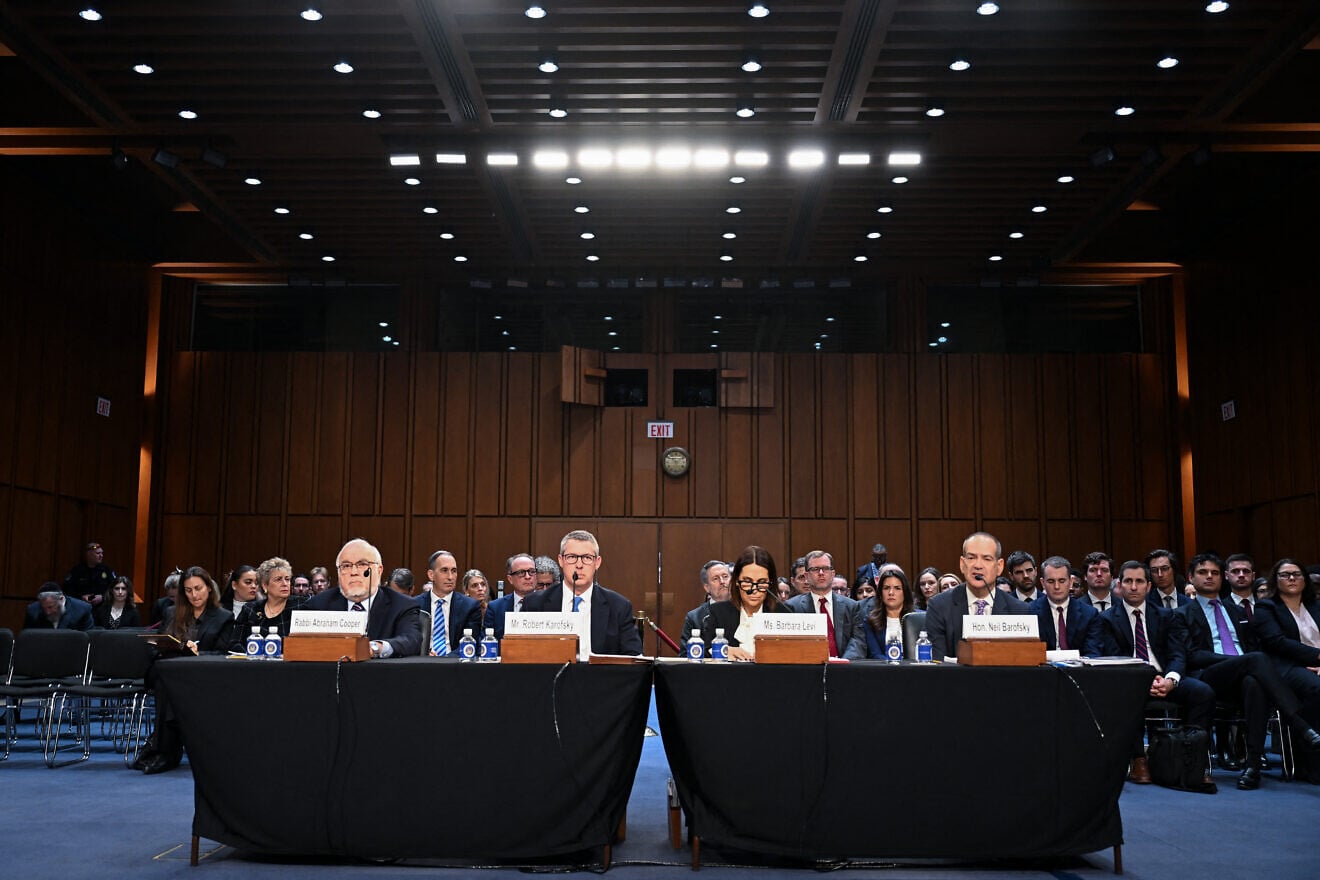
Rabbi Abraham Cooper, Robert Karofsky, Global Wealth Management President at UBS Americas, Barbara Levi, General Counsel at UBS Group AG, and Neil Barofsky, partner at Jenner and Block LLP, testify during a Senate Judiciary Committee hearing titled “The Truth Revealed: Hidden Facts Regarding Nazis and Swiss Banks,” on Capitol Hill in Washington, DC, on Feb. 3, 2026. (Photo by Roberto Schmidt/AFP via Getty Images)

The Senate Judiciary Committee heard testimony about newly uncovered links between the Nazis and a Swiss banking conglomerate, amid an ongoing legal dispute over restitution to Holocaust victims.

Sen. Chuck Grassley (R-Iowa), committee chair, told reporters before Tuesday’s hearing that an independent investigator found 890 accounts with potential Nazi links at Credit Suisse, which UBS acquired in 2023.

“These accounts were once used by individuals or entities who participated in or assisted Nazi war efforts,” Grassley said. “That includes wartime accounts for the German Foreign Office, a German arms manufacturing company and the German Red Cross.” 

“Credit Suisse’s connection to all three of these entities was previously unknown, or only partially known,” Grassley told reporters. “The investigation also found evidence that Credit Suisse’s banking relationship with the SS was more extensive than we knew before.”

Nazi Germany and members of the Nazi party had extensive relationships with Swiss banks before, during and after World War II, taking advantage of Swiss neutrality and the country’s banking secrecy laws to shelter assets, including wealth seized from Jews during the Holocaust.

Jewish groups, historians, national inquiry commissions and the Swiss banks themselves have since undertaken efforts to reveal the role that Switzerland played as a banker for the Nazis.

Neil Barofsky, an independent ombudsman employed first by Credit Suisse and now by UBS to investigate those links, told senators on Tuesday that despite its claims of transparency, UBS is now engaged in efforts to stymie his investigation.

“Shortly after I told UBS that this committee was considering holding this hearing, UBS informed me that it would, for the first time, conduct a privilege review and withhold certain relevant, privileged materials from me and my team,” Barofsky testified. 

“Unless UBS reverses course, the results may be stark. I will be unable to completely test the bank’s work in any area in which information is withheld from me,” he told the committee. “I will be unable to report on the content of the relevant documents withheld, including whether they impact any of the investigation’s findings, and I will be unable to provide assurance in my final report that the investigation has truly left no stone unturned.”

In 1999, Swiss banks including UBS and Credit Suisse settled a lawsuit with Jewish groups and Holocaust victims for $1.25 billion. That settlement covered all claims “in any way relating to the Holocaust, World War II and its prelude and aftermath, victims or targets of Nazi persecution, transactions with or actions of the Nazi regime” or “any related cause or thing whatever.”

UBS general counsel, Barbara Levi, told senators that its claim of legal privilege over the documents Barofsky sought is intended to shield the bank from further lawsuits in spite of the comprehensive wording of the 1999 settlement.

“This is a small set of documents,” Levi said. “We are talking about less than 300 documents versus 16.5 million documents that have been produced so far.” 

Levi also noted in her testimony that her family was “tragically impacted by the Holocaust,” and her colleague Robert Karofsky, president of UBS Americas, noted that he was a “proud Jewish-American.”

“The reason that on this specific set of documents we have claimed the privilege is that these documents refer to the 1999 Holocaust litigation, which is a specific subject matter that we are in threat of litigation by the Simon Wiesenthal Center and others,” Levi testified.

The investigator, Barofsky, told senators that each “document” that UBS is shielding could contain hundreds or thousands of pages of records.

“Picture the final scene in ‘Raiders of the Lost Ark.’ That’s what the Credit Suisse archives are like,” Barofsky said. “You line documents from here, you almost get it back to my home in New York City.”

The World Jewish Congress, which was one of the lead plaintiffs in the 1999 settlement, has expressed interest in re-opening the settlement based on Barofsky’s findings.

“We probably left $5 to $10 billion on the table,” Ronald Lauder, president of the congress, told Bloomberg in January. “I said to myself, ‘We’re not going to make that mistake again.’”

The commission of inquiry that contributed to the 1999 settlement focused largely on Swiss bank accounts that the Nazis seized from Jews or that lay dormant after their Jewish owners were killed.

Barofsky testified on Tuesday about more extensive links between Nazi Germany and Swiss banks than has previously been reported, and the role that those banks played in helping Nazis evade justice after the war.

“Credit Suisse had maintained bank accounts for many of the key operatives of this so-called ‘rat line,’ and it is almost certain that it is from those accounts that bribes were paid to French and Swiss officials in order to clear a path for these Nazi war criminals to a life of luxury and prosperity in Argentina as they fled Allied justice,” Barofsky said.

Both Republican and Democratic senators expressed frustration that UBS has refused to waive its legal privileges and allow Barofsky and Jewish groups investigating the bank’s collusion with the Nazis to publish conclusive findings.

Sen. John Kennedy (R-La.) compared the efforts of UBS executives to shield their bank from contemporary litigation to the greed of Swiss bankers during the war.

“That’s what this is still all about, isn’t it? The money,” Kennedy said. “It was about the money when your predecessors took the Nazi money, and it’s about the money right now.”

“The smart play here for you is to release these documents and let Mr. Barofsky finish his report and let the chips fall where they may, and then, in front of God and country, if you owe more money, then by God pay it,” Kennedy said.


Zawartość publikowanych artykułów i materiałów nie reprezentuje poglądów ani opinii Reunion’68,
ani też webmastera Blogu Reunion’68, chyba ze jest to wyraźnie zaznaczone.
Twoje uwagi, linki, własne artykuły lub wiadomości prześlij na adres:
webmaster@reunion68.com


Iran Hardens Stance Ahead of US Nuclear Talks, Rejects Uranium Transfers and Ballistic Missile Limitations


Iran Hardens Stance Ahead of US Nuclear Talks, Rejects Uranium Transfers and Ballistic Missile Limitations

Ailin Vilches Arguello


Iran’s Supreme Leader Ayatollah Ali Khamenei speaks during a meeting in Tehran, Iran, Jan. 3, 2026. Photo: Office of the Iranian Supreme Leader/WANA (West Asia News Agency)/Handout via REUTERS

A top adviser to Iranian Supreme Leader Ayatollah Ali Khamenei signaled that Iran has hardened its negotiating stance ahead of renewed nuclear talks with the United States, publicly rejecting any transfer of uranium out of the country and refusing to negotiate over ballistic missiles or terrorist proxy forces.

The latest comments from Admiral Ali Shamkhani, a senior official on Iran’s Supreme National Defense Council, came as tensions continued to rise between the US and Iran over a potential military escalation in the Middle East.

In an interview with the Lebanese news outlet Al Mayadeen published on Monday, Shamkhani insisted that Iran’s nuclear program is “peaceful and within local capabilities,” while firmly reiterating nonnegotiable conditions for any resumption of talks with Washington.

“Iran neither seeks nor will ever seek nuclear weapons or stockpile them, but the other side must pay a price in return for this commitment,” Shamkhani said. 

“Enrichment at 60 percent can be rolled back to 20 percent if there are concerns, but only if the other side offers something in return,” he continued. 

The senior Iranian official also rejected media reports suggesting Tehran might transfer its stored enriched uranium abroad, including to Russia, saying, “There is no reason to move the stored material out” of the country.

This week, US Special Envoy Steve Witkoff and Iranian Foreign Minister Abbas Araghchi are scheduled to meet with representatives from several Arab and Muslim countries, as they push forward renewed efforts to restart nuclear negotiations.

Set to take place on Friday, the high-level meeting would mark the first direct engagement between US and Iranian officials since nuclear talks collapsed after last June’s 12-day war, during which the US and Israel bombed Iran’s nuclear facilities.

The potential restart of negotiations comes as Iran faces growing international pressure over its violent crackdown on anti-government protests, with the US escalating a massive military buildup in the region and repeatedly threatening the Islamist regime.

Just days ahead of the talks, the Iranian government has reportedly imposed new demands that retract previously agreed terms, including relocating negotiations from Istanbul to Oman and limiting them to a strictly bilateral format with Washington, threatening to destabilize an already fragile process, according to a report from Axios.

Cautious optimism about diplomacy has also been shaken by reported clashes between US and Iranian forces at sea.

The US military said on Tuesday that it shot down an Iranian drone that “aggressively” approached the Abraham Lincoln aircraft carrier in the Arabian Sea. Hours later, Iran’s Islamic Revolutionary Guard Corps (IRGC) forces harassed a US-flagged, US-crewed merchant vessel in the Strait of Hormuz.

In his Monday interview, Shamkhani said that if the White House seeks a mutual understanding, diplomatic talks should take place “away from atmospheres of threats and coercion,” with both sides having “equal standing at the negotiating table” and avoiding “illogical and unreasonable demands.”

“Iran has repeatedly affirmed its readiness to hold practical negotiations exclusively with the United States, and not with any other party,” Shamkhani told Al Mayadeen.

“The negotiations are strictly limited to the United States and the nuclear file, where a mutual agreement is possible,” he continued. “If their proposals are free of threats, based on logical conditions, and avoid arrogance, there is hope to prevent an unjustified catastrophe or incident.”

However, US President Donald Trump had reportedly demanded three conditions for resumption of talks: zero enrichment of uranium in Iran, limits on Iran’s ballistic missile program, and ending the regime’s support for terrorist groups and other proxies across the Middle East.

Iran has long said all three demands are unacceptable, but two Iranian officials told Reuters its Islamist, authoritarian rulers view the ballistic missile program, not uranium enrichment, as the bigger issue.

In the last few weeks, Trump has repeatedly warned that he may take “decisive” military action against Iran if the regime continues killing protesters and refuses to return to the negotiating table.

Amid rising regional tensions, Washington has significantly increased its military presence in the region, moving a range of assets into the area — including the USS Abraham Lincoln and its strike group.

Echoing past comments from Iranian officials, Shamkhani said the country is “prepared for any circumstances that may arise,” emphasizing the regime’s readiness to confront both diplomatic pressures and potential military threats.

“We are essentially living in warlike conditions,” he said. “The Americans are in the region to defend Israel, while Iran serves as the force that restrains Israel and curbs its bullying and arrogance.”

“The assumption that the United States would act without Israel’s involvement is entirely wrong,” he continued. “Should the US strike, Israel will be inevitably involved and will face an appropriate response.”

The Iranian official warned that any attack on Khamenei, “no matter how small, would escalate into a colossal crisis far beyond what others can imagine.”

Iranian lawmakers last month similarly warned that any attack on Khamenei would lead to a declaration of “jihad,” or holy war, and a violent global response from the Islamic world.

“We will continue on this path,” Shamkhani said. “We will not allow them [the US and its allies] to make the region unsafe or force us into a situation we do not choose.”

“Iran will persist in its policies and continue supporting the path of resistance, including resistance groups in Palestine, Lebanon, and beyond,” he continued.

A common slogan of the Iranian protesters has been “Neither Gaza nor Lebanon, my life for Iran,” with large swathes of the population opposing the regime’s commitment to spending billions of dollars to support terrorist groups such as Hamas and Hezbollah.


Zawartość publikowanych artykułów i materiałów nie reprezentuje poglądów ani opinii Reunion’68,
ani też webmastera Blogu Reunion’68, chyba ze jest to wyraźnie zaznaczone.
Twoje uwagi, linki, własne artykuły lub wiadomości prześlij na adres:
webmaster@reunion68.com