
Archive | 2026/02/11

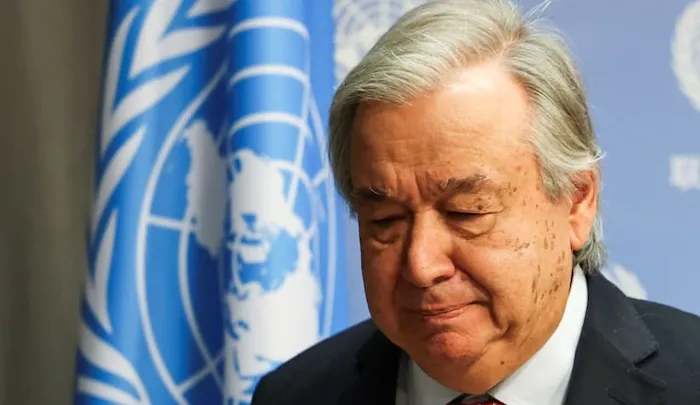
Guterres ostrzega, że ONZ jest zagrożona „finansowym upadkiem”


Guterres ostrzega, że ONZ jest zagrożona „finansowym upadkiem”

Hugh Fitzgerald


No proszę. Ta najbardziej skorumpowana i demoralizująca spośród organizacji międzynarodowych, Organizacja Narodów Zjednoczonych, znalazła się na skraju bankructwa. Kwoty, które wcześniej zapewniał jej największy darczyńca, Stany Zjednoczone, zostały obcięte o wiele miliardów dolarów, ponieważ Waszyngton słusznie zidentyfikował ONZ jako niewyczerpane źródło antyizraelskiej propagandy oraz – poprzez swoje złośliwe zniekształcanie obrazu państwa żydowskiego – jako nieustannego propagatora antysemityzmu. Również wiele innych krajów, w tym Chiny, Rosja, Arabia Saudyjska, Meksyk i Wenezuela, z powodów niezwiązanych z Izraelem, zalega z wpłatami składek naliczonych na rzecz ONZ.

Sekretarz generalny Antonio Guterres ubolewa nad tym stanem rzeczy i ma nadzieję zawstydzić USA – kraj, który wstrzymał największą część swojej obowiązkowej składki i który obciął o wiele miliardów także swoje dobrowolne wpłaty – aby uregulowały należności i przywróciły swoje hojne dobrowolne darowizny. Te zaległości, w swoim szczycie w 2022 roku, przekraczały 15 miliardów dolarów, lecz w tym roku wyniosą zaledwie 2 miliardy. Amerykanie nie ustąpią w kwestii nowych, drastycznie obniżonych wpłat na rzecz ONZ, przynajmniej tak długo, jak prezydentem jest Donald Trump, a sekretarzem stanu Marco Rubio. Więcej na temat publicznego lamentu Guterresa nad opłakanym stanem finansów ONZ można przeczytać tutaj: „Szef ONZ Guterres ostrzega przed ‘nieuchronnym finansowym upadkiem’ ONZ, wskazując na nieopłacone składki”, Jerusalem Post, 30 stycznia 2026 r.

Szef ONZ poinformował państwa członkowskie, że organizacji grozi „nieuchronny finansowy upadek”, wskazując na nieopłacone składki oraz zasadę budżetową, która zmusza globalne ciało do zwracania niewydanych środków – wynika z listu, do którego w piątek dotarła agencja Reuters.

Sekretarz generalny ONZ Antonio Guterres wielokrotnie mówił o pogłębiającym się kryzysie płynności finansowej organizacji, lecz jest to jak dotąd jego najostrzejsze ostrzeżenie. Pojawia się ono w momencie, gdy jej główny darczyńca, Stany Zjednoczone, wycofuje się z multilateralizmu na wielu frontach.

„Kryzys się pogłębia, zagrażając realizacji programów i niosąc ryzyko finansowego załamania. A sytuacja w najbliższej przyszłości jeszcze się pogorszy” – napisał Guterres w liście do ambasadorów datowanym na 28 stycznia.

Stany Zjednoczone drastycznie ograniczyły dobrowolne finansowanie agend ONZ i odmówiły uiszczenia obowiązkowych wpłat na regularny budżet oraz budżet misji pokojowych.

Prezydent USA Donald Trump stwierdził, że ONZ ma „wielki potencjał”, ale go nie realizuje, i powołał Radę Pokoju, która – jak obawiają się niektórzy – może podważyć pozycję starszej organizacji międzynarodowej.

ONZ nie ma już „wielkiego potencjału”. Miała go kiedyś – w bezpośrednich latach powojennych – i przez pierwsze dwadzieścia lat swojego istnienia, od 1945 do 1965 roku, wykonywała pewną pożyteczną pracę, zwłaszcza za pośrednictwem UNESCO, w dziedzinach kultury i edukacji. Później jednak zarówno blok komunistyczny, jak i blok muzułmański państw członkowskich stawały się coraz bardziej głośne w ONZ, przekształcając ją w narzędzie swoich antyzachodnich kampanii. Blok komunistyczny zniknął, lecz muzułmański blok 57 państw zdołał uczynić rzekome grzechy państwa żydowskiego głównym przedmiotem obrad Zgromadzenia Ogólnego, które przyjęło więcej rezolucji potępiających Izrael niż wszystkich rezolucji potępiających pozostałe 192 państwa członkowskie razem wzięte. Kiedyś ONZ była kierowana przez zaawansowane kraje Zachodu; dziś to kraje Trzeciego Świata, a zwłaszcza państwa muzułmańskie, rozciągnęły swoją władzę w sposób kapilarny na całą ONZ i jej agendy składowe.

Założona w 1945 roku ONZ liczy 193 państwa członkowskie i działa na rzecz utrzymania międzynarodowego pokoju i bezpieczeństwa, promowania praw człowieka, wspierania rozwoju społecznego i gospodarczego oraz koordynowania pomocy humanitarnej.

Tak przynajmniej twierdzi sama ONZ. Wielu z nas wie, że dawno przestała ona promować prawa człowieka, a zamiast tego wykorzystuje to hasło do forsowania antyzachodniej, a zwłaszcza antyizraelskiej agendy. Nie tyle „wspiera rozwój społeczny i gospodarczy”, ile raczej stara się zwabić kraje Zachodu do przekazywania ogromnych sum na utrzymanie i wyżywienie beznadziejnych przypadków Trzeciego Świata. To właśnie w korytarzach ONZ zaczęły rozbrzmiewać podstępne wezwania do ‘reparacji’ od Zachodu dla Trzeciego Świata.

To Stany Zjednoczone są, zdaniem Guterresa, największym dłużnikiem. USA są winne ONZ około 1,5 miliarda dolarów z tytułu regularnego budżetu oraz dodatkowe 1,5–2,4 miliarda dolarów na operacje pokojowe, co łącznie daje potencjalnie ponad 4 miliardy dolarów zaległości na początku 2026 roku.

USA wykorzystują siłę portfela – a dokładniej siłę wstrzymania pieniędzy – aby wywrzeć presję na ONZ i zmusić ją do porzucenia swojej złośliwej obsesji na punkcie Izraela. Jak dotąd to nie zadziałało, ale według najnowszego ostrzeżenia Guterresa ONZ stoi w obliczu ‘finansowego upadku’. Wkrótce się przekonamy, czy ONZ zdoła zakończyć swoją obsesję na punkcie Izraela, aby skłonić Waszyngton do uregulowania zaległości i przywrócenia dawnych, wysokich dobrowolnych wpłat do agend ONZ.

Nie sądzę, aby ONZ była w stanie się zmienić; jej antyizraelska wrogość jest zbyt wyraźna i zbyt długotrwała, by organizacja mogła odzyskać moralną równowagę. Pozwólmy więc ONZ spokojnie tracić na znaczeniu i wpływach, a spróbujmy czegoś nowego: ligi krajów o podobnych poglądach, głównie z Europy oraz Ameryki Północnej i Południowej. Wydaje się, że właśnie to Trump ma na myśli, tworząc swoją Radę Pokoju, którą postrzega jako alternatywę dla ONZ.

Obsesja na punkcie Izraela, która doprowadziła do amerykańskich cięć zarówno w obowiązkowych, jak i dobrowolnych wpłatach, jest tylko jednym z powodów finansowych problemów ONZ. Skandaliczne wydatki tej organizacji muszą się skończyć. Tysiące członków jej rozbudowanej biurokracji znane są z podróżowania po świecie pierwszą klasą i zatrzymywania się w pięciogwiazdkowych hotelach. Otrzymują oni wygórowane pensje, znacznie wyższe niż osoby na porównywalnych stanowiskach w sektorze prywatnym. Sam Antonio Guterres zarabia więcej niż prezydent Trump. Biurokracja ONZ jest rozdęta: sam Sekretariat zatrudnia na całym świecie 40 tysięcy osób. Jeśli doliczymy wszystkie agendy, fundusze i programy powiązane z ONZ (takie jak UNICEF czy WHO), łączna liczba pracowników w szeroko rozumianym systemie ONZ wynosi 116 tysięcy. W ciągu najbliższych dwóch–trzech lat personel ten powinien zostać zredukowany o dwie trzecie. Ponadto pracownicy ONZ powinni podróżować nie pierwszą, lecz ekonomiczną klasą, i zatrzymywać się nie w pięciogwiazdkowych, lecz w hotelach średniej klasy. Ogromny personel ONZ przywykł do poziomu luksusu, który budzi wściekłość. Należy sprowadzić tych biurokratów na ziemię, aby żyli jak reszta z nas.

Tylko w ten sposób – poprzez zakończenie obsesji antyizraelskiej i radykalne ograniczenie wydatków – ONZ będzie miała szansę uniknąć „finansowego upadku”, który właśnie przepowiedział Guterres.


Link do oryginału: https://jihadwatch.org/2026/02/guterres-warns-the-un-is-in-danger-of-financial-collapse

Jihad Watch, 4 lutego 2026


Zawartość publikowanych artykułów i materiałów nie reprezentuje poglądów ani opinii Reunion’68,
ani też webmastera Blogu Reunion’68, chyba ze jest to wyraźnie zaznaczone.
Twoje uwagi, linki, własne artykuły lub wiadomości prześlij na adres:
webmaster@reunion68.com


Turkey’s nuclear path is a risk Israel cannot ignore


Turkey’s nuclear path is a risk Israel cannot ignore

Noa Lazimi


Ankara is using nuclear technology strictly for civilian purposes, but the infrastructure it is building could pave the way toward military applications.

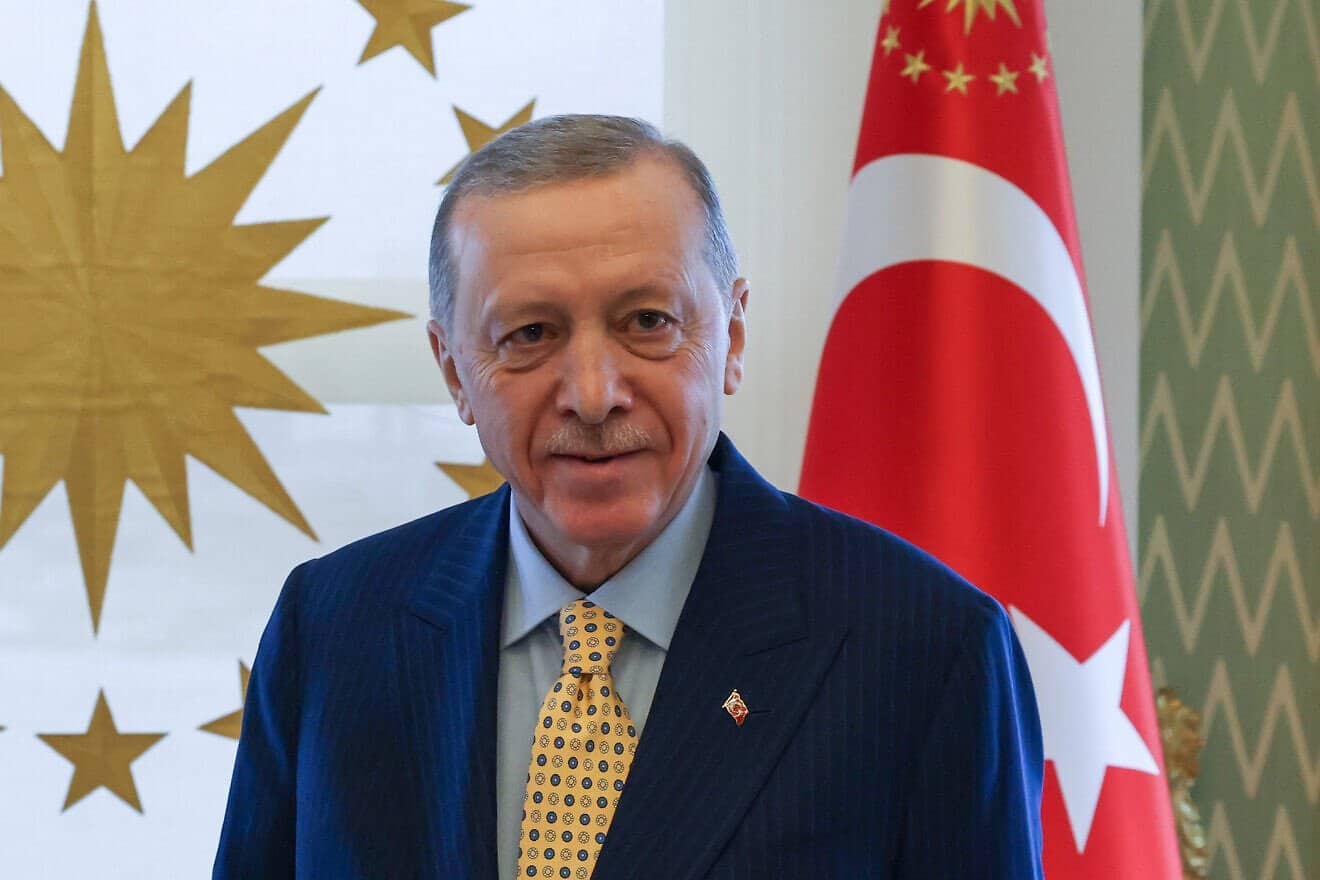
Turkey’s President Recep Tayyip Erdoğan attends a meeting at Vahdettin Palace in Istanbul on Jan. 26, 2024. Photo by Rory Arnold/No. 10 Downing Street via Wikimedia Commons.

Since joining NATO in 1952, Turkey has relied on the alliance’s nuclear umbrella and has hosted several dozen U.S. nuclear bombs at the Incirlik Airbase. At the same time, Turkey itself does not possess nuclear weapons, in line with its commitments under the Nuclear Non-Proliferation Treaty, which it signed in 1969.

In recent years, however, senior officials have periodically raised, in public, Turkey’s “right” to develop and obtain nuclear weapons. In a speech in September 2019, Turkish President Recep Tayyip Erdoğan argued it was unfair that his country was not allowed to develop nuclear weapons while other states possessed them or were working to acquire them.

In July 2025, Turkish Foreign Minister Hakan Fidan voiced dissatisfaction with the nuclear treaty, which he said suffers from “structural injustice” by preserving the strategic supremacy of the five permanent U.N. Security Council members, all of which hold nuclear weapons.

In his view, only one aspect of the treaty is implemented in practice—preventing the spread of nuclear weapons, while progress on nuclear disarmament and assistance to other countries developing nuclear energy for peaceful purposes is not being upheld.

These statements have been voiced against the backdrop of Turkey’s concerns over its neighbor and long-time rival Iran’s race toward nuclear weapons. They also come alongside Israel’s existing capabilities, according to reports. 

Ankara has not stood idly by. In 2018, it began building the Akkuyu nuclear power plant, financed and operated by the Russian state nuclear corporation Rosatom. Under the deal with Russia, estimated at $24 billion, the Akkuyu plant is expected to include four reactors and is planned to supply roughly 10% of Turkey’s annual electricity consumption.

It is important to note that this is a civilian nuclear program intended to generate electricity, not a military program that would require higher levels of uranium enrichment. Still, the practical implication is that an infrastructure base is being built that could, under certain conditions in the future, help pave a path toward a military track.

Warming ties with Pakistan

Turkey’s warming ties with Pakistan, the only nuclear-armed Islamic country, also appear intended to diversify Ankara’s support pillars in this arena. That rapprochement has been reflected, among other things, in the significant assistance Turkey provided Islamabad in its confrontation with India. Closer relations with Pakistan could help Turkey acquire knowledge and capabilities that, over time, would enable it to build nuclear power plants independently.

Nuclear ambitions are closely tied to Turkey’s self-perception as a regional power with aspirations to revive an Ottoman-style sphere of influence. Turkey is pouring enormous resources into its defense industries, and it is difficult to imagine it voluntarily giving up on the development of nuclear weapons that could one day add a significant layer to its power projection and deterrence.

Domestically, not everyone is enthusiastic about the nuclear energy projects being advanced by the government. Opposition lawmakers have raised serious concerns about the risks involved in operating nuclear power plants, including ecological damage and environmental challenges, as well as unease over deepening Turkish dependence on Russia.

Still, it should be assumed that as long as Erdoğan remains in power, and likely under his successors as well, Turkey will continue its efforts to develop nuclear capabilities.

Israel would be wise to include the scenario of Turkish progress toward nuclear capabilities in its strategic planning and regional risk assessment, even if it unfolds gradually over a long period. Even if such a process is not expected to materialize quickly, the very existence of an accumulated pathway of knowledge, infrastructure and international ties could alter the regional deterrence balance and shape Ankara’s behavior in regional flashpoints.


Noa Lazimi is a fellow at the Misgav Institute for National Security.
Originally published by Israel Hayom.


Zawartość publikowanych artykułów i materiałów nie reprezentuje poglądów ani opinii Reunion’68,
ani też webmastera Blogu Reunion’68, chyba ze jest to wyraźnie zaznaczone.
Twoje uwagi, linki, własne artykuły lub wiadomości prześlij na adres:
webmaster@reunion68.com


Faith in Judaism Demands Grappling With Sacred Words


Faith in Judaism Demands Grappling With Sacred Words

Pini Dunner


A Torah scroll. Photo: Wikimedia Commons.

The Reformation firebrand Martin Luther was not a gentle soul. He was brilliant, courageous, and historically transformative, but he was also volatile, cruel, and spectacularly foul-mouthed. When Luther disliked someone, he didn’t merely disagree with them – he eviscerated them.

His pamphlets dripped with bile, his language was obscene, and when it came to Jews, his writings were vicious, laying the groundwork for some of the darkest chapters of later European history. None of this, to be clear, negates the fact that Luther correctly identified real corruption and hypocrisy within the Catholic Church of his day.

Luther’s stock response to his critics within the Church was deceptively simple: prove me wrong from the text of the Bible. If it wasn’t written explicitly in Scripture, he dismissed it as human invention, manmade directives masquerading as divine command.

He had no time for tradition, accumulated wisdom, or interpretation; everything was suspect unless it could be nailed down to “chapter and verse,” as he liked to put it. Luther’s position appeared principled and even pious, but it placed enormous – and ultimately destructive – weight on the written word alone.

Of course, as is often the case with sweeping theological positions, consistency proved difficult. At one point, Luther came up against a short New Testament text that stubbornly refused to cooperate with his theology. The Epistle of James insists that faith without works is dead, a line that clashed directly with Luther’s doctrine of salvation by faith alone.

In a telling moment, Luther remarked, “We should throw the Epistle of James out of this school, for it doesn’t amount to much.” Instead of wrestling with the verse or considering how generations of Christians had understood it, he dismissed the book altogether. And that was that. If it didn’t fit, it didn’t count.

The episode is almost comic, but it exposes the fatal fault line in Luther’s entire approach. A theology that insists on absolute fidelity to the text grants enormous power to the reader. When interpretation is denied, selection takes its place.

From a Jewish perspective, there is something eerily familiar about this obsession with textual literalism. The Second Temple–era Sadducees rejected ancient traditions and rabbinic interpretation in favor of the bare biblical text.

Centuries later, the Karaites would do the same, insisting that anything not spelled out explicitly in the Torah was illegitimate. Their position was internally consistent – and completely unworkable. A faith that forbids interpretation does not preserve religious observance; it paralyzes it.

The Torah reveals its intention regarding the centrality of interpretation at the very moment of revelation in Parshat Yitro. When God speaks at Sinai, He does not present the Jewish people with a comprehensive legal code, nor does He offer an exhaustively detailed constitution. Instead, He presents ten short statements – majestic and memorable, but remarkably sparse.

Do not murder. Do not steal. Do not commit adultery. Honor your parents. These are not radical moral breakthroughs. Any functioning society would struggle to survive without them.

Even the commandments that sound more overtly theological – belief in God, rejection of idolatry, observing Shabbat – are delivered with little definition or elaboration. What does it mean to believe? What counts as idolatry? What does remembering Shabbat actually require? The text does not say.

That silence is no oversight. If the Torah had intended to function as a closed book, the Ten Commandments as they are presented would be inexplicably inadequate. They contain no legal thresholds, no procedural detail, and no guidance for variation or complexity.

“Do not steal” tells us nothing about business partnerships, contracts, fraud, or intellectual property. “Do not murder” offers no framework for intent, self-defense, negligence, or the rules of war. “Remember the Sabbath day” may be stirring rhetoric, but as law, it is unusable. What, precisely, are we supposed to remember? And what are the practical applications?

The answer, of course, is that the Torah itself never expected these questions to be answered by the text alone. The Ten Commandments were never meant to stand by themselves. They are headline principles – foundational truths that demand explanation, expansion, and application.

And the Torah provides that expansion not in footnotes or appendices, but through an interpretive process that unfolds across generations. The law was not frozen at the moment of revelation; it was activated by it.

This is where Judaism parts ways decisively with Luther’s instinctive literalism. At Sinai, God makes clear that the written word is sacred – but it is not sufficient. Meaning is not trapped inside the text; it emerges only through engagement with it. So how does the Torah move from lofty principle to lived law?

The answer Judaism gives is Torah Shebaal Peh, the Oral Law. This is not a later workaround or a rabbinic ploy to fill in gaps, but an interpretive framework indicated by the way the text itself was given. The written Torah is the text God gave us at Sinai; the Oral Law is the method He gave us to understand it.

That method is neither whimsical nor arbitrary. It is disciplined, structured, and demanding. The Talmudic sage Rabbi Yishmael articulated thirteen interpretive principles – rules for extracting meaning from text through literary association, contextual reading, and logical deduction.

Verses illuminate one another. Words echo elsewhere. Broad principles generate specific applications. Law emerges not because it is spelled out, but because it is derived.

And then there is another category altogether: traditions that do not emerge from textual analysis at all. The Torah commands us to bind tefillin – but never tells us their shape, their color, or even how many compartments they should contain. These, too, are traditions transmitted through the Oral Law.

The Torah prohibits “work” on the seventh day but offers no definition of what work means – until the Oral Law teaches that the categories of creative labor are learned from the acts required to build the Tabernacle.

This is why the demand to “prove everything from the text” is not piety but misunderstanding. The Torah does not operate like a legal statute book, and it never pretended to be one.

Seen this way, the Ten Commandments are not deficient because they lack detail. They are magnificent precisely because they force us beyond the page. They announce that God speaks – and then expect human beings to listen, interpret, and take responsibility for what those words will mean in the real world.

Martin Luther believed that unless an idea could be anchored explicitly in the biblical text, it was suspect and therefore expendable. In theory, that sounds like reverence. In practice, it collapses the moment the text refuses to cooperate. Judaism chose a different path.

The Ten Commandments stand at the center of our faith not because they tell us everything we need to know, but because they tell us so little. They are moral declarations without detail, principles without procedure – and for that very reason, they demand interpretation rather than submission.

Faith, in Judaism, is not proven by quoting sacred words, but by grappling honestly with what those words require of us.

Ultimately, this is what the revelation at Sinai teaches us about Judaism. God gives us a text — but also a task. He entrusts human beings with the responsibility to interpret, apply, and live His word in a world that is endlessly complex and morally demanding.

The Torah is certainly sacred, but it is not self-sufficient. It comes alive only when it is studied, debated, transmitted, and lived.


The author is a rabbi in Beverly Hills, California.


Zawartość publikowanych artykułów i materiałów nie reprezentuje poglądów ani opinii Reunion’68,
ani też webmastera Blogu Reunion’68, chyba ze jest to wyraźnie zaznaczone.
Twoje uwagi, linki, własne artykuły lub wiadomości prześlij na adres:
webmaster@reunion68.com