Archive | September 2025

Israeli Culture Minister Cuts Funding for Film Awards After Palestinian Drama Wins Top Prize, Chosen for Oscars Submission


Israeli Culture Minister Cuts Funding for Film Awards After Palestinian Drama Wins Top Prize, Chosen for Oscars Submission

Shiryn Ghermezian


A scene from “The Sea.” Photo: The Israeli Academy of Film and Television

Israeli Minister of Culture and Sports Miki Zohar said his ministry will pull state funding for Israel’s Ophir Awards, which is the Israeli equivalent to the Oscars, after it awarded a top honor to a film that “defames” Israel’s “heroic soldiers,” he announced on Wednesday.

At this year’s Ophir Awards ceremony on Tuesday night, “The Sea” won best picture, which automatically makes the film Israel’s submission for the 2026 Oscars in the category of best international feature film. The drama, directed and written by Shai Carmeli-Pollak and produced by Baher Agbariya, also won best screenplay, best actor for the 13-year-old Palestinian Muhammad Gazawi, best supporting actor for Khalifa Natour, and best original score. The movie, filmed in Arabic and Hebrew, marks Gazawi’s first acting role.

The Ophir Awards are voted on by the Israeli Academy of Film and Television, a nonprofit organization that is the Israeli version of the US-based Academy of Television Arts & Sciences. It has more than 1,000 members, including filmmakers, producers, content creators, and actors.

“The Sea” follows a 12-year-old Palestinian boy named Khaled, from a village near Ramallah, who gets the opportunity to go the beach for the first time in his life on a class trip to Tel Aviv. When he is forced to return home at a military checkpoint, while his classmates continue on to the beach, Khaled decides to risk his life and dodge Israeli authorities on his solo journey to reach the ocean. “The Sea” premiered at the Jerusalem Film Festival this summer and received support from the Israeli Film Fund.

In a statement on X, Zohar said that after the “pro-Palestinian” film, “which defames our heroic soldiers while they fight to protect us,” won the award for best film at the “shameful” Ophir Awards on Tuesday night, he decided to discontinue funding for the ceremony.

“During my tenure – the citizens of Israel will not pay out of their pockets for a disgraceful ceremony that spits on the heroic IDF soldiers,” he added. “This great absurdity, that Israeli citizens are still paying out of their pockets for the disgraceful Ophir Awards ceremony, which represents less than one percent of the Israeli people – is over. Starting from the 2026 budget, this pathetic ceremony will no longer be funded by taxpayers’ money. The citizens of Israel deserve for their tax money to go to more important and valuable places.”

Several winners on stage at the Ophir Awards ceremony, including Carmeli-Pollak and Agbariya, sported a black T-shirt with a message that called for an end to the Israel-Hamas war and said in Hebrew and Arabic “a child is a child.” Others wore shirts that called for the return of the hostages abducted by Hamas-led terrorists from Israel on Oct. 7, 2023, and talked about the devastation taking place in Gaza during the ongoing war. Acclaimed Israeli director Uri Barbash received a lifetime achievement award at the ceremony, and in his acceptance speech, he condemned actions of the Israeli government and Zohar, pleaded for an end to the war, and called for solidarity between Jews and Arabs.

“It is our sacred duty to bring all the hostages back to their families immediately,” he said. “To end the accursed war and replace the ‘divide and rule’ regime that has declared war on Israeli society!”

Other movies that competed alongside “The Sea” for best film at this year’s Ophir Awards included Nadav Lapid’s “Yes,” “Dead Language” – which made its world premiere at the 2025 Tribeca Film Festival and is an expanded version of the Oscar-nominated short film “Aya” – and Natali Braun’s “Oxygen,” which is about a single mother fighting to pull her son out of military service and his deployment to Lebanon.

Israel has had 10 nominations in the category of best international feature film at the Oscars but has yet to win. The Academy of Television Arts & Sciences will announce on Dec. 16 a shortlist of 15 contenders for the 2026 Oscar for best international feature film. The final list of nominations will be announced on Jan. 22, 2026, and the 98th Academy Awards will take place on March 15, 2026.


Zawartość publikowanych artykułów i materiałów nie reprezentuje poglądów ani opinii Reunion’68,
ani też webmastera Blogu Reunion’68, chyba ze jest to wyraźnie zaznaczone.
Twoje uwagi, linki, własne artykuły lub wiadomości prześlij na adres:
webmaster@reunion68.com


Francja: Godzina populistów


Francja: Godzina populistów

Amir Taheri


Jedno pozostaje pewne: problemów Francji nie rozwiążą zamieszki, strajki ani to, co Francuzi nazywają jacquerie (chłopską rebelią).

Po zaledwie dziewięciu miesiącach urzędowania, premier François Bayrou ustąpił ze stanowiska, gdy Zgromadzenie Narodowe przegłosowało wotum nieufności ogromną większością głosów. Tym samym prezydent Emmanuel Macron dostał „gorący kartofel” – konieczność powołania kolejnego premiera. Został nim Sébastien Lecornu, ustępujący minister sił zbrojnych – piąty szef rządu w ciągu zaledwie dwóch lat – bez żadnej pewności, że okaże się tym szczęśliwym, który zostanie na dłużej.

Zazwyczaj rewolucje wybuchają po to, by dokonać zmian. Francuzi, w trybie populistycznym, biją jednak w rewolucyjny bęben, aby tych zmian uniknąć.

Macronowi się spieszy, bo planuje wylot do Nowego Jorku, by rozwiązać konflikt na Ukrainie, zapewnić uznanie państwa palestyńskiego, rozwiązać problem irańskiego programu nuklearnego i przedstawić plan odbudowy Libanu i Syrii.

Tymczasem Francuzi wracają do swojej klasycznej reakcji na kryzys polityczny: wychodzą na ulice, sabotują linie kolejowe, plądrują luksusowe sklepy i, rzecz jasna, organizują strajki w stylu „ruchomych pikiet” na terenie całego kraju.

Coraz częściej mówi się o strajku generalnym – w powietrzu unosi się rewolucyjna atmosfera.

Francuski język polityczny pełen jest terminów wojskowych, takich jak „walka”, „opór”, „oblężenie”, a przede wszystkim „rewolucja”, co sprawia, że narracja bieżących wydarzeń może brzmieć groźniej, niż jest w rzeczywistości.

Doświadczony politolog Roland Cayrol stwierdza: „Francuski system jest sparaliżowany”.

Inni komentatorzy sugerują, że Francji potrzebna jest instytucjonalna „rewolucja”. Lider skrajnie lewicowego Nowego Frontu Ludowego, Jean-Luc Mélenchon, przemawiając na wiecu z powiewającą za plecami flagą palestyńską, domaga się „zniesienia V Republiki i ustanowienia VI Republiki”, stawiając się w roli wybawcy.

– Francji potrzebny jest zbawca – mówi pewien wysoko postawiony europejski dyplomata, zaniepokojony możliwymi skutkami francuskiego kryzysu dla Unii Europejskiej.

Od czasów Wielkiej Rewolucji, Francja zachowuje się jak bezgłowa kura – nieustannie szukając zbawcy.

Wybitny historyk Jean Garrigues twierdzi, że zniesienie monarchii pozostawiło w życiu narodowym ogromną pustkę, której nie były w stanie wypełnić ani dwa imperia, ani dwie restauracje monarchii, ani pięć republik.

Macron się z tym zgadza – od lat próbuje wypełnić tę lukę, nalegając, by wszelka odpowiedzialność ostatecznie spadała na niego, co daje krytykom pretekst do nazywania go „Jowiszem”.

Czy więc Francja znajduje się dziś w nastroju populistycznym i rzeczywiście szuka zbawcy?

Na pierwszy rzut oka, podstawowe warunki dla wzrostu populizmu są łatwe do zauważenia.

Pierwszym z nich jest bunt „dołów” wobec elity, która – słusznie czy nie – postrzegana jest jako niekompetentna, skorumpowana i oderwana od „prawdziwego ludu”, cokolwiek by to miało znaczyć. Jako długoletni obserwator francuskiej polityki, mogę stwierdzić, że żadne z tych oskarżeń nie jest prawdziwe.

Ale co z tego?

W polityce percepcja często jest silniejsza niż rzeczywistość.

Drugim warunkiem jest poczucie wykluczenia w znaczącej części społeczeństwa. Mówi się o tym w kontekście ruchu „żółtych kamizelek”, który kilka lat temu niemal doprowadził Francję do rewolucji. Rzecz w tym, że osoby rzekomo „wykluczone” były w rzeczywistości dość dobrze sytuowanymi przedstawicielami prowincjonalnej burżuazji, którzy sami się z życia publicznego wykluczyli.

Trzeci warunek to strukturalna słabość partii politycznych – instytucji niezbędnych do prawidłowego funkcjonowania demokracji.

I ten warunek jest dziś we Francji spełniony, ponieważ tradycyjne partie rządzące skurczyły się do wąskich klik.

Kolejnym czynnikiem, również obecnym, jest rozpad dawnych elektoratów.

Część wyborców komunistycznych i skrajnie lewicowych przeszła do obozu radykalnej prawicy, której przewodzi Zjednoczenie Narodowe Marine Le Pen. Segment lewicy skręcił natomiast ku tradycyjnej autorytarnej lewicy, idealizując Władimira Putina i przyjmując antysemickie postawy pod pretekstem poparcia dla „sprawy palestyńskiej”.

W kontekście populistycznym, uczestnicy walki o władzę mają interes w wyolbrzymianiu problemów, sianiu strachu przed przyszłością, podsycaniu resentymentów wobec „innych” – zwłaszcza imigrantów, starych i nowych – oraz zazdrości wobec „bogatych”.

Największym straszakiem, jakim posługują się populiści z prawa i z lewa, są reformy zagrażające „nabytym świadczeniom społecznym” – wcześniejszym emeryturom i długim urlopom.

Plan skrócenia liczby świąt o dwa dni – w celu zmniejszenia deficytu – był przysłowiowym srebrnym pociskiem, który zabił rząd Bayrou. W tle pozostawała niechęć władz do obniżenia wieku emerytalnego do 62 lat, podczas gdy populiści domagają się emerytury już w wieku 60 lat.

Paradoksalnie, podczas gdy inne narody dokonują rewolucji, aby coś zmienić, Francuzi – w populistycznym nastroju – wywołują rewolucję po to, by zmian uniknąć.

Ironią całej tej sytuacji jest fakt, że francuska demokracja – mimo wszystkich swoich niedoskonałości – zawsze ostatecznie zwyciężała z populizmem, ale nigdy nie udało się jej przełożyć tych zwycięstw na trwałe instytucje.

Niektórzy francuscy demokraci mogą dziś popełniać ten sam błąd, który popełnili, gromadząc się wokół samozwańczych zbawców.

Inni, bardziej konstruktywni, proponują różne rozwiązania – w tym ordynację proporcjonalną i powrót do słabych rządów w stylu IV Republiki.

Prawdziwym wyzwaniem pozostaje jednak wypełnienie pustki, którą dostrzegają Garrigues, a w pewnym stopniu także Macron – pustki w sercu V Republiki, systemu, który nie jest ani w pełni prezydencki, ani parlamentarny.

System ten został stworzony z myślą o generale Charles’u de Gaulle’u – i działał dobrze, dopóki Francuzi postrzegali prezydenta jako zbawcę: najpierw od klęski w II wojnie światowej, a potem od kosztownych wojen kolonialnych w Indochinach i Algierii.

V Republika działała także dlatego, że François Mitterrand i Jacques Chirac potrafili zarządzać nią dzięki silnym koalicjom wyborczym. Za czasów Nicolasa Sarkozy’ego i François Hollande’a te koalicje się rozpadły, a prezydenci ugrzęźli w bagnie drobnych gierek politycznych.

Przejście na model reński – z ordynacją proporcjonalną, tworzeniem koalicji i kompromisami parlamentarnymi – mogłoby zająć lata i szybko się skompromitować z powodu nieuniknionych trudności początkowych. Alternatywą jest pełny system prezydencki, częściowo wzorowany na systemie amerykańskim.

Jedno jest pewne: problemów Francji nie rozwiążą ani zamieszki, ani strajki, ani to, co we Francji nazywane jest jacquerie.


Link do oryginału: https://www.gatestoneinstitute.org/21904/france-populism 

Amir Taheri – Pochodzący z Iranu dziennikarz amerykański, znany publicysta, którego artykuły publikowane są często w ”International Herald Tribune”, ”New York Times”, ”Washington Post”, komentuje w CNN, wielokrotnie  przeprowadzał wywiady z głowami państw (Nixon, Frod, Clinton, Gorbaczow, Sadat, Kohl i inni) jest również prezesem Gatestone Institute).


Zawartość publikowanych artykułów i materiałów nie reprezentuje poglądów ani opinii Reunion’68,
ani też webmastera Blogu Reunion’68, chyba ze jest to wyraźnie zaznaczone.
Twoje uwagi, linki, własne artykuły lub wiadomości prześlij na adres:
webmaster@reunion68.com


Recognition of Palestinian statehood at the UN is not just a failure of diplomacy


Recognition of Palestinian statehood at the UN is not just a failure of diplomacy

Alex Traiman


International institutions, hostile movements, demographic changes and digital manipulation have created an environment where Israel’s battlefield victories in the war on terror translate into diplomatic defeats in the war for public opinion.
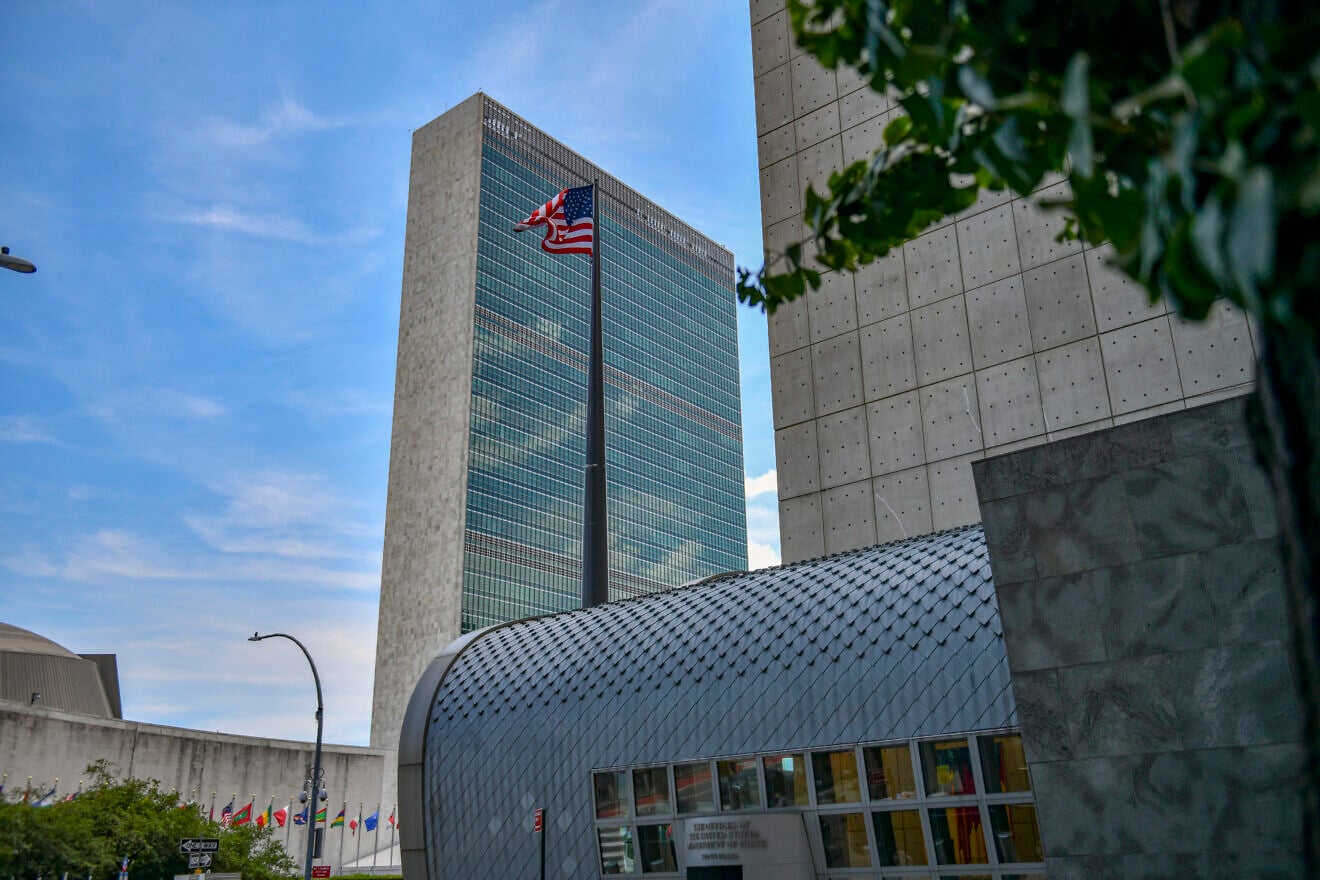
The American flag flies at the headquarters of the United Nations in New York City, July 20, 2018. Credit: U.S. State Department.

This week at the U.N. General Assembly, more than a dozen countries, led by France, are preparing to recognize a Palestinian state less than two years after the Palestinians carried out the worst massacre of Jews in modern history on Oct. 7, 2023. Palestinian statehood would represent the ultimate reward for the most horrific terrorism, the very antithesis of the land for peace formula.

How could this happen as Israel fights a bitter war against Hamas and Iranian terror proxies on seven fronts, and with Israel’s greatest diplomat, Benjamin Netanyahu, at the helm?

Early diplomatic successes

At the beginning of the war, Netanyahu demonstrated his longstanding diplomatic acumen.

Immediately following the Oct. 7 massacre, Israel’s longest-tenured prime minister lobbied world leaders, including U.S. President Joe Biden, French President Emmanuel Macron, German Chancellor Olaf Scholz, British Prime Minister Rishi Sunak, European Commission President Ursula von der Leyen, Italian Prime Minister Giorgia Meloni and others, to show their support for the Jewish state as Israel prepared its military response to eliminate Hamas.

These visits demonstrated that, in the immediate aftermath of the Hamas and Palestinian atrocities against civilians, Israel could command sympathy, solidarity and public support of the Western world’s most powerful leaders.

Battlefield victories, diplomatic backlash

But as Israel shifted from defense to offense, the diplomatic tide quickly turned. Israel’s unprecedented military campaign has devastated Gaza, displaced hundreds of thousands, dealt severe blows to Hezbollah, eliminated Iran’s nuclear program, demilitarized Syria and struck hard at terrorists in Yemen and Qatar.

Yet these decisive battlefield victories have not generated any admiration abroad. Instead, they have provoked an unprecedented campaign of delegitimization and demonization of Israel.

The United Nations and institutional bias

The crisis is amplified by the longstanding hostility of international institutions toward the world’s only Jewish state. The infamous 1975 U.N. resolution declaring “Zionism is racism” was orchestrated by the Arab League, which continues to dominate bloc voting in the General Assembly. Decades later, Israel remains singled out more than any other nation, condemned in resolutions year after year, while true aggressors are ignored.

Since then, U.N.-affiliated bodies have repeatedly denigrated Israel. For example, the United Nations Relief and Works Agency for Palestine Refugees (UNRWA) has acted as a front group for Hamas, sustaining Palestinian refugee status indefinitely, unlike any other refugee crisis anywhere else in the world. The U.N. Human Rights Council reserves a permanent agenda item against Israel, the only country to have such status. The U.N. Educational, Scientific and Cultural Organization (UNESCO) routinely attempts to erase Jewish ties to Jerusalem, the Cave of the Patriarchs (Machpelah) in Hebron, and other holy sites.

Just this week, a U.N. investigative commission alleged that Israel has committed genocide in Gaza, following the International Court of Justice hearing a case against Israel for genocide. This comes despite Israel taking steps never before done by any military in the history of urban warfare to reduce civilian casualties and to feed an enemy population. The International Criminal Court has gone as far as to issue an arrest warrant for Netanyahu himself—to prevent Israel’s prime minister from traveling freely to defend his nation abroad.

The United States is one of only a few countries where Netanyahu can safely disembark without fear of arrest. When the prime minister flies to New York, the “Wing of Zion” plane will have to take an extra-long route to avoid flying in the airspace of countries in Europe and elsewhere that have pledged to arrest him. As a result, journalists and members of his entourage are being made to fly commercially to New York City for Netanyahu’s upcoming address at the United Nations. This is to reduce the weight of the flight and ensure that there is enough fuel onboard in case of the need for an emergency landing.

The diplomatic assault on a democratic country and an ally of the West is unprecedented. It is the product of institutionalized hostility and a carefully plotted plan to isolate Israel.

The long delegitimization campaign

For decades, Israel’s enemies have invested heavily in delegitimizing the Jewish state. Gulf states, in particular, Qatar, have funded Middle East studies programs at top North American universities. Oftentimes, Title VI universities were selected, as they receive taxpayer funding to create social studies textbooks for grade schools.

Palestinian-organized “Israel Apartheid Week” has been a fixture on campuses for more than 25 years. Rather than confront this adversarial behavior head-on, major American Jewish organizations, including Hillel, instructed Jewish students to ignore the anti-Israel spectacle, arguing that it was just a fringe element on the campuses. Soon after, Hillel, which is on campus to serve Jewish students, opted for what it called an “open tent,” welcoming organizations actively partnering with anti-Israel campus groups like Students for Justice in Palestine.

What began as a fringe has turned mainstream. Soon after Oct. 7, violent intimidation of Jewish students on campuses across America reached dangerous levels that continued through the 2023-24 academic year.

The boycott Israel movement

More than a decade ago, Palestinians launched the Boycott, Divestment and Sanctions (BDS) movement to lay the groundwork for cultural and economic boycotts against Israel. The Jewish state has pushed back hard against efforts to promote boycotts, but not hard enough. The idea has taken hold.

Western governments are now beginning to institutionalize boycotts, including but not limited to arms embargos. The situation has grown so dire that this week, Netanyahu acknowledged that Israel may need to become a “Super Sparta,” an isolated economy.

Europe’s demographic transformation

Also this week, in an address to American legislators, Netanyahu asserted that the rapid turn against Israel in Europe is in part due to mass Muslim immigration over the years. Across the continent, virulent pro-Palestinian, anti-Israel demonstrations attended by thousands have dominated public squares since Oct. 7.

Weak European leaders, including a lame-duck French President Emmanuel Macron, are increasingly shaping foreign policy to appease growing domestic constituencies that are hostile to Israel. Such leaders fear unrest in their own cities if they appear to be closely aligned with Israel or indifferent to Palestinian suffering.

It is demographic and political pressures—not faulty diplomacy —that explain why European states like France, Belgium, Spain and Malta are now leading the push for Palestinian recognition at the United Nations.

Digital warfare

Israel also failed to prepare the digital battlefield for a major conflict. Netanyahu calls the information battlefield the eighth front of the war. In reality, it may be the first front—specifically because this is the front where the enemies of Israel believe they have an advantage.

Mainstream media, including most of the world’s largest news agencies, have long displayed anti-Israel bias. Qatar’s Al Jazeera news network leads the charge, funded to the tune of hundreds of millions of dollars per year. Major news agencies like the Associated Press and Reuters have footholds in Gaza. Together, these organizations provide articles to thousands of publications around the globe.

Yet today, these news agencies are supported by the world’s most powerful algorithms on social media. Anti-Israel actors manipulate algorithms and flood platforms with bot-driven content. These viral campaigns spread faster and more widely than any official diplomatic rebuttal, creating an overwhelming chorus of condemnation that traditional statecraft cannot match.

Internal divisions

Compounding the challenge is Israel’s own internal disunity, coupled with harmful and counterproductive messaging. Amid an existential battle for survival, former prime ministers, generals and intelligence officials routinely undermine Israel, its war aims and the government on the world stage.

How can Israel contradict claims of genocide and war crimes when disgraced left-wing leaders go on international news programs and make those same claims? Some of the world’s worst antisemites are simply letting left-wing Israelis do their work for them.

The Israeli left has intentionally aligned itself with international critics, motivated less by national defense than by the political aim of removing Netanyahu, as well as religious and nationalist parties from government.

Turning the tide

Israel is confronting not a failure of diplomacy, but the success of its enemies’ long game. International institutions, hostile movements, demographic changes and digital manipulation have combined to create an environment where Israel’s battlefield victories in the war on terror translate into diplomatic defeats in the war for public opinion.

Israel’s international troubles are not likely to be solved by acrobatics on the foreign-policy stage. Israel’s real challenge is to mount its own well-funded, long-term, multifront campaigns—diplomatic, cultural, technological, digital, legal—to defeat its attackers.

The spectacle of the United Nations preparing to reward Palestinians with statehood recognition after the atrocities of Oct. 7 is not the result of failed diplomacy by Israel’s government. On the contrary, it is evidence that Netanyahu alone cannot overcome the decades-long campaigns, demographic shifts and institutional biases that have been carefully cultivated to ensure that Israel would lose the diplomatic battle before it even began.
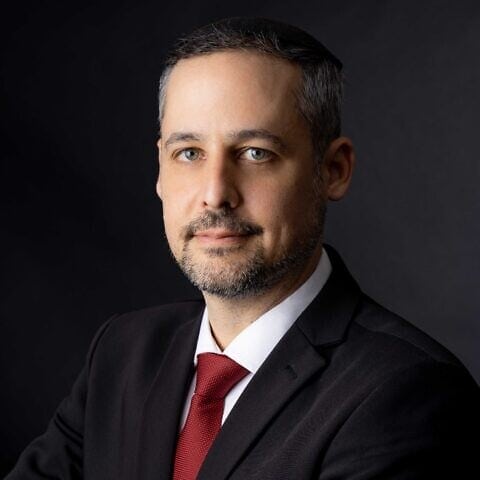

Alex Traiman is the CEO and Jerusalem bureau chief of the Jewish News Syndicate (JNS) and host of “Jerusalem Minute.” A seasoned Israeli journalist, documentary filmmaker and startup consultant, he is an expert on Israeli politics and U.S.-Israel relations. He has interviewed top political figures, including Israeli leaders, U.S. senators and national security officials with insights featured on major networks like BBC, Bloomberg, CBS, NBC, Fox and Newsmax. A former NCAA champion fencer and Yeshiva University Sports Hall of Fame member, he made aliyah in 2004, and lives in Jerusalem with his wife and five children.


Zawartość publikowanych artykułów i materiałów nie reprezentuje poglądów ani opinii Reunion’68,
ani też webmastera Blogu Reunion’68, chyba ze jest to wyraźnie zaznaczone.
Twoje uwagi, linki, własne artykuły lub wiadomości prześlij na adres:
webmaster@reunion68.com


Rafael Lemkin’s Family Fights to Have Anti-Israel Group Stop Using Name of Famed Zionist Who Coined Term ‘Genocide’


Rafael Lemkin’s Family Fights to Have Anti-Israel Group Stop Using Name of Famed Zionist Who Coined Term ‘Genocide’

Ailin Vilches Arguello


Raphael Lemkin being interviewed on Feb. 13, 1949. Photo: Screenshot

The family of Raphael Lemkin — the Polish-born Jewish lawyer who coined the term “genocide” and helped draft the Genocide Convention after World War II — is taking legal action against a stridently anti-Israel group based in the US, accusing the nonprofit organization of corrupting his family name and legacy.

Joseph Lemkin, the cousin of Raphael Lemkin and closest living relative, confirmed to The Algemeiner that his family is initiating legal proceedings against the Pennsylvania-based Lemkin Institute for Genocide Prevention, with the support of the European Jewish Association (EJA), to stop the misuse of his family name.

“From our perspective, the Lemkin Institute has no right to use his name. Their actions are completely opposed to what he stood for,” Lemkin told The Algemeiner, referring to his cousin. “He was a passionate Zionist who dedicated all his efforts and resources to one cause: the adoption of the Genocide Convention.”

Lemkin’s father was Raphael Lemkin’s first cousin, and he said the two men had a close relationship.

First reported by The Algemeiner, the institute has used the Lemkin name to advance an agenda of extreme anti-Israel activism, which Lemkin’s family called a “shameful betrayal” of their legacy.

Initially registered in Pennsylvania as a nonprofit organization in 2021, the institute received US federal tax-exempt status two years later.

Since the Hamas-led invasion of and massacre across southern Israel on Oct. 7, 2023, the organization has shifted toward aggressive anti-Israel political advocacy, backing pro-Hamas campus protests and reaching millions on social media with posts that falsely accuse Israel of genocide.

Less than a week after the Oct. 7 atrocities, for example, the institute released a “genocide alert” calling the Palestinian terrorist group’s onslaught an “unprecedented military operation against Israel.”

Comparing Israel’s defensive military actions against Hamas to the Holocaust, the institute accused the Jewish state of carrying out a “genocide” against Palestinians — the very term Raphael Lemkin coined in 1943. Israel had not even launched its ground offensive in Gaza at the time of the social media posts.

Days later, the Lemkin Institute called on the International Criminal Court “to indict Israeli Prime Minister Benjamin Netanyahu for the crime of #genocide in light of the siege and bombardment of #Gaza and the many expressions of genocidal intent.” Israel still had not initiated its ground campaign.

Since then, the organization’s vocal anti-Israel advocacy has continued unabated for the past two years, accusing the Jewish state of genocide and terrorism while largely staying silent about Hamas.

According to the Lemkin family, such statements distort history and undermine their legacy, but even more, they disrespect the memory of six million Jews.

“The institute has used this term to promote an inflammatory, antisemitic stance against Israel — completely contrary to the principles he stood for,” Joseph Lemkin told The Algemeiner, referring to his cousin.

“Astonishingly, they have even expressed support for Hezbollah and Hamas — both internationally designated terrorist organizations — while smearing Israel,” he continued.

Now, legal steps are underway to hold the institute accountable, stop it from exploiting the Lemkin name to raise money, and end its Holocaust comparisons.

After first sending letters demanding that the institute change its name, the Lemkin family is now awaiting a response — and if no voluntary action is taken or Pennsylvania officials fail to intervene, the matter will be taken to court, Lemkin told The Algemeiner.

Beyond its communications with the institute, the EJA legal team also sent letters to Gov. Josh Shapiro and Pennsylvania’s Bureau of Corporations and Charitable Organizations regarding this issue.

“The Lemkin Institute, through its very name, as well as its marketing and other materials, represents itself as an embodiment of Mr. Lemkin’s ideology. In reality, the Lemkin Institute’s policies, positions, activities, and publications are anathema to Mr. Lemkin’s belief system,” the letter reads.

“The Lemkin Institute is not authorized by Raphael Lemkin’s family, his estate, or any custodian of his legacy to rely upon his name for any purpose,” it continues. “The European Jewish Association and Mr. Lemkin’s family are outraged by the Lemkin Institute’s use of Mr. Lemkin’s name, especially in the context of the Lemkin Institute’s anti-Israel agenda.”

EJA Chairman Rabbi Menachem Margolin has sharply condemned the institute’s actions and statements, saying it has “weaponized a sacred legacy against the very people it was meant to protect.”

“The Lemkin Institute was established to prevent genocide — not to distort its definition or fuel antisemitic tropes,” Margolin said in a statement.

Raphael Lemkin was born in Poland in 1900 and eventually escaped the Nazis to the US, where he joined the War Department, documenting Nazi atrocities and preparing for the prosecution of Nazi crimes at the Nuremberg trials. He dedicated much of his life to making the world recognize the horrors of the Holocaust and designating mass murder as a crime which could be prosecuted through international law. Forty-nine members of his family, including his parents, were killed in the Holocaust. He died in 1959.

A 2017 article by James Loeffler, who now teaches at Johns Hopkins University, described what he called “the forgotten Zionism of Raphael Lemkin.” Loeffler noted that while “dead international lawyers rarely become celebrities,” Lemkin “has emerged as a potent symbol for activists and politicians across the world.”

Loeffler traced Lemkin’s work as an editor and columnist of a Jewish publication, Zionist World. “The task of the Jewish people is … [to become] a permanent national majority in its own national home,” Lemkin wrote in one such column.

“It is not enough to know Zionism,” Lemkin wrote in another column quoted by Loeffler. “One must imbibe its spirit, one must make Zionism a part of one’s very own ‘self,’ and be prepared to make sacrifices on its behalf.”

Elisa von Joeden-Forgey, founder and executive director of the Lemkin Institute, told the online news site EJewish Philanthropy that her organization was named after Lemkin to “bring his name back into public discourse” but “there was no clear person to contact” when naming the institute in 2021.

“We don’t want to cause unhappiness for anybody in the Lemkin family. We did ask to know what legal basis exists for the complaint, and we have not received any response to that specific question,” she added.


Zawartość publikowanych artykułów i materiałów nie reprezentuje poglądów ani opinii Reunion’68,
ani też webmastera Blogu Reunion’68, chyba ze jest to wyraźnie zaznaczone.
Twoje uwagi, linki, własne artykuły lub wiadomości prześlij na adres:
webmaster@reunion68.com


Odpowiedź UN Watch: Analiza prawna wrześniowego raportu Komisji Pillay dla Rady Praw Człowieka ONZ


Odpowiedź UN Watch: Analiza prawna wrześniowego raportu Komisji Pillay dla Rady Praw Człowieka ONZ

UN Watch


Szesnastego września 2025 r. Komisja Pillay przekazała Radzie Praw Człowieka ONZ 72-stronicowy dokument zatytułowany Analiza prawna działań Izraela w Gazie na podstawie Konwencji w sprawie zapobiegania i karania zbrodni ludobójstwa. Dokument ten zawiera skrajne i bezpodstawne oskarżenia wobec Państwa Izrael, opierając się na jednostronnym materiale dowodowym, który pomija fakty przeczące z góry przyjętym wnioskom. Komisja Pillay, której mandat przewidywał niezależne ustalenia faktyczne, przygotowała raport, który jest niczym innym jak propagandą Hamasu ubraną w język prawniczy. Raport ten poważnie podważa wiarygodność międzynarodowego dochodzenia, prawo międzynarodowe oraz sam system ONZ.

Poniżej przedstawiamy streszczenie szczegółowej odpowiedzi prawnej UN Watch.

[ KLIKNIJ TUTAJ, ABY ZAPOZNAĆ SIĘ Z PEŁNĄ ODPOWIEDZIĄ PRAWNĄ ]

Autor: Salo Aizenberg

Oskarżenia o ludobójstwo należą do najpoważniejszych zarzutów, jakie można postawić państwu. Przywołują one najciemniejsze epizody współczesnej historii – takie jak Holokaust, Rwanda czy Srebrenica – i niosą za sobą poważne konsekwencje prawne oraz ogromny ciężar moralny. Z tego powodu Konwencja w sprawie zapobiegania i karania zbrodni ludobójstwa z 1948 roku ustanawia celowo bardzo wysoką poprzeczkę: ludobójstwo wymaga udowodnienia szczególnego zamiaru (dolus specialis) zniszczenia w całości lub w części chronionej grupy „jako takiej”.[1] Zamiar ludobójczy można uznać za udowodniony tylko wtedy, gdy nie istnieje żadna inna rozsądna interpretacja dowodów. Same ofiary cywilne, szeroko zakrojone zniszczenia czy podburzająca retoryka nie są wystarczające; konieczne jest wykazanie, że śmierć i cierpienie były rezultatem celowej polityki eksterminacji. Ustalenie takiego zamiaru należy do najtrudniejszych elementów prawa międzynarodowego – i właśnie na tym etapie zarzut ludobójstwa wobec Izraela upada, zanim jeszcze rozpatrzymy wypaczenia w przedstawieniu jego działań w Gazie zawarte w Raporcie.

Raport Komisji Śledczej Rady Praw Człowieka ONZ jest fundamentalnie wadliwy: jego argumentacja jest poważnie błędna, podstawa dowodowa niewiarygodna, a metodologia nieprofesjonalna. Raport wybiórczo interpretuje wypowiedzi izraelskich przywódców, przyjmuje niezweryfikowane dane o ofiarach od Hamasu, pomija systematyczne wykorzystywanie ludności cywilnej jako żywych tarcz przez Hamas, opiera się na niesprawdzonych doniesieniach medialnych (np. z Al-Dżaziry) i zakłada, że wszystkie cywilne ofiary w Gazie są wynikiem celowego ostrzału ze strony Izraela. Równie rażące są jego pominięcia. Raport całkowicie pomija fakt, że Hamas to aktywny uczestnik walk; na przestrzeni 72 stron nie znajdziemy ani jednej wzmianki, że Siły Obronne Izraela (IDF) walczą z liczącą 30 000 bojowników armią, która zbudowała pole walki ufortyfikowane 500 kilometrami tuneli. Te braki pozbawiają dokument wiarygodności prawnej i czynią go nieodróżnialnym od propagandy przebranej w język prawa.

Poniższe zestawienie wskazuje główne wady raportu („Raport”) sporządzonego przez Komisję Śledczą („Komisję”) oraz wyjaśnia, dlaczego przedstawione dowody nie pozwalają na postawienie zarzutu ludobójstwa zgodnie z prawem międzynarodowym:


Główne braki i błędy raportu:


1. Nieudowodnienie dolus specialis:

Kluczowym i niezwykle wysokim progiem w każdej sprawie o ludobójstwo jest udowodnienie szczególnego zamiaru zniszczenia chronionej grupy. Twierdzenie Komisji o istnieniu takiego zamiaru upada już na tym etapie – opiera się na karkołomnych interpretacjach wypowiedzi, wybiórczych cytatach i spekulacjach, zamiast na jednoznacznych dowodach.


2. Wymazanie Hamasu jako strony konfliktu:

Raport ani razu nie przyznaje, że IDF prowadzi działania wojenne przeciwko ok. 30-tysięcznej sile bojowej Hamasu oraz tysiącom bojowników innych ugrupowań zbrojnych. Czytelnik mógłby dojść do wniosku, że wojna polega na tym, iż IDF atakuje wyłącznie kobiety i dzieci – Hamas znika z narracji. Komisja nie podejmuje żadnej próby analizy konfliktu zbrojnego, bo w jej alternatywnej wersji rzeczywistości ten konflikt po prostu nie istnieje.


3. Milczenie na temat infrastruktury wojskowej Hamasu:


Brak jakiejkolwiek wzmianki o 17-letnim procesie militaryzacji Gazy przez Hamas – sieci tuneli, pułapkach w budynkach mieszkalnych, czy masowym gromadzeniu broni. Pomijając te fakty, raport pozbawia konflikt kontekstu militarnego i przedstawia legalne cele wojskowe jako dowody ludobójstwa.


4. Pominięcie wykorzystywania infrastruktury cywilnej przez Hamas:

Komisja ignoruje fakt, że Hamas otwarcie stosuje strategię żywych tarcz[2], wykorzystując meczety, szkoły, budynki mieszkalne i szpitale do ukrywania tuneli i broni. Zamiast tego, każde zniszczenie takich obiektów przedstawiane jest jako celowy atak Izraela na ludność cywilną.


5. Brak informacji o kryzysie zakładników:

Raport nie wspomina, że Hamas uprowadził izraelskich zakładników i wciąż ich przetrzymuje, głodzi[3] i gwałci[4]. To przemilczenie wpisuje się w szerszą strategię wymazania Hamasu jako aktywnego uczestnika konfliktu, co usuwa kluczowy kontekst z narracji Komisji.


6. Poleganie na danych o ofiarach dostarczonych przez Hamas:

Pomimo wieloletniej historii zawyżania liczby ofiar cywilnych przez Hamas oraz uznania go za organizację terrorystyczną przez USA i UE, jego dane są traktowane jako wiarygodne fakty, podczas gdy statystyki IDF dotyczące zabitych bojowników są ignorowane.


7. Ofiary cywilne jako „dowód” ludobójstwa:

Raport traktuje ofiary cywilne jako dowód zamiaru ludobójstwa, a nie jako tragiczne i nieuniknione skutki walk w terenie zurbanizowanym, pogłębione przez strategię żywych tarcz stosowaną przez Hamas. Liczne przypadki śmierci cywilów są przedstawiane jako zamierzone działania Izraela – bez dowodów.


8. Skutki wojny jako zbrodnia:

Typowe skutki wojny, takie jak problemy psychiczne, ograniczony dostęp do opieki medycznej czy przesiedlenia, są ukazywane jako elementy ludobójstwa, zamiast jako nieuniknione skutki konfliktu miejskiego.


9. Zniszczenia urbanistyczne jako rzekoma eksterminacja:

Zniszczenia na dużą skalę przedstawiane są jako dowód na eksterminację, pomimo że walki w zurbanizowanym środowisku z natury prowadzą do znacznych zniszczeń, szczególnie gdy siły militarne ukrywają się wśród ludności cywilnej.


Komisja ignoruje też rzecz oczywistą: cierpienia mieszkańców Gazy można by znacząco zmniejszyć, a nawet zakończyć, gdyby Hamas uwolnił zakładników i zrzekł się władzy nad Gazą. Twierdzenie, że ludność doświadczająca rzekomego ludobójstwa ma możliwość jego zakończenia, lecz z niej nie korzysta, jest bezprecedensowe w historii prawdziwych ludobójstw i odsłania świadomą ślepotę raportu. To przemilczenie współgra z szerszym wymazaniem Hamasu jako strony konfliktu – grupy posiadającej sprawczość i odpowiedzialność – pozostawiając czytelnika z fałszywym wrażeniem, że całe cierpienie w Gazie to wyłącznie wina Izraela.

Raport jest pełen błędów faktycznych i twierdzeń pozbawionych wiarygodnych dowodów. Pełne zestawienie tych błędów wraz z ich sprostowaniami byłoby dłuższe niż sam raport. Niniejsza odpowiedź podkreśla kluczowe przekłamania i istotne pominięcia, na których Komisja opiera swoją tezę o ludobójstwie.


Przypisy źródłowe:
[1] Konwencja w sprawie zapobiegania i karania zbrodni ludobójstwa, 78 U.N.T.S. 277 (przyjęta 9 grudnia 1948 r., weszła w życie 12 stycznia 1951 r.), link

[2] How Hamas is fighting in Gaza: tunnels, traps and ambushes, NYT (13 lipca 2024), link

[3] World leaders condemn videos of emaciated Israeli hostages in Gaza…, BBC (4 sierpnia 2025), link

[4] Hostages released from Gaza detail sexual violence…, CNN (8 lipca 2025), link; The Dinah Project, (czerwiec 2025), link; Raport ONZ z wizyty urzędników ds. przemocy seksualnej (marzec 2024), link


Link do oryginału: https://unwatch.org/un-watch-rebuttal-legal-analysis-of-pillay-commissions-september-2025-report-to-human-rights-council/

UN Watch, 16 września 2025


Zawartość publikowanych artykułów i materiałów nie reprezentuje poglądów ani opinii Reunion’68,
ani też webmastera Blogu Reunion’68, chyba ze jest to wyraźnie zaznaczone.
Twoje uwagi, linki, własne artykuły lub wiadomości prześlij na adres:
webmaster@reunion68.com