
Archive | October 2025

Znajdujemy się w moralnej paralaksie

.


Znajdujemy się w moralnej paralaksie

Lucy Tabrizi


Gdy świat rozpadł się na dwoje, antysemityzm znalazł dom po obu stronach

Pamiętacie tę słynną sukienkę, którą jedni widzieli jako niebiesko-czarną, a inni jako biało-złotą? Patrzyliśmy na te same piksele, a jednak dostrzegaliśmy różne kolory. Percepcja, jak się okazuje, to aktywny proces wnioskowania: mózg zgaduje źródło światła i koryguje obraz.¹ Jeśli zakładasz ciepłe, sztuczne oświetlenie, sukienka wygląda na białą i złotą; jeśli zimne światło dzienne — na niebieską wpadającą w czerń. Drobne zmienne — co wcześniej oglądałeś, ile światła dziennego miałeś, niewielkie różnice w oku — mogą przesunąć te domysły. Dwie osoby mogą widzieć różne kolory, ponieważ ich mózgi dokonują różnych, ale rozsądnych założeń — i każda z nich jest pewna swojej racji.

Często o tym myślę w kontekście polityki. Dwoje ludzi może patrzeć na te same fakty i dojść do zupełnie przeciwnych wniosków, ukształtowanych przez doświadczenia i założenia niewidoczne dla drugiej strony. Filtrujemy rzeczywistość przez własne soczewki, a mimo to rozmawiamy, jakbyśmy żyli tym samym życiem i widzieli te same dowody. To pewien rodzaj arogancji.

Jak już wspominałam, jestem dzieckiem lewicy. Wychowana w liberalnym domu, przez lata angażowałam się w kampanie na rzecz zwierząt, środowiska i spraw, które miały uczynić świat bardziej sprawiedliwym. Dziś czuję się politycznie bezdomna, może gdzieś niedaleko centrum. Ale dla moich dawnych aktywistycznych znajomych to oznacza, że padłam ofiarą „radykalizacji alt-prawicy”. Paradoks polega na tym, że nadal widzę długi odcinek drogi na prawo ode mnie, co sugeruje, że lewica stała się tak zamknięta, że każdy, kto się od niej oddali, natychmiast zostaje uznany za heretyka — niezrozumiały byt w ich moralnym kosmosie.

Cyfrowe komory echa stały się tak spolaryzowane, że trudno nie ulec wrażeniu, iż antyzachodnie boty pracują w nadgodzinach, by sabotować debatę publiczną.² Pociąg do bycia kolejnym trybikiem tej machiny, do pogoni za tanim dreszczem „moralnej racji”, przeważa dziś nad impulsem, by dostrzec własne ślepe punkty.

Przewiń przeciwną polityczną bańkę informacyjną, a poczujesz się, jakbyś oglądał równoległą rzeczywistość: po lewej alarm wywołują Trump, naloty ICE (ICE, dosł. z ang. Urząd Celno-Imigracyjny – A.K.) i pełzający autorytaryzm; po prawej — upadek kultury, masowa migracja i widmo globalistycznych elit. Każda strona tworzy własną apokalipsę i obwinia drugą o jej wywołanie. Obie oskarżają się nawzajem o dwumyślenie, o życie w dystopii rodem z Roku 1984, o bycie bohaterem własnego odcinka Czarnego lustra. Każda strona upiera się, że to ona widzi rzeczywistość jasno, podczas gdy ta druga tonie w propagandzie. Podział stał się tak absolutny, że — przynajmniej w sieci — jedna strona może widzieć Donalda Trumpa jako faszystowskiego następcę Hitlera, a druga jako największego obrońcę Żydów i przyjaciela Izraela w historii.

Słowa, które kiedyś niosły wspólne znaczenie, stały się narzędziami projekcji, naginanymi do ideologii, która nas ogarnęła. Żyjemy w epoce postprawdy, gdzie język nie opisuje już rzeczywistości, lecz ją odgrywa. Jak już kiedyś pisałam, potrzeba zdumiewającego poziomu ignorancji historycznej, by przedstawiać Żydów jednocześnie jako ofiary i sprawców nazizmu — i to z niezachwianą moralną pewnością.

To właśnie w temacie antysemityzmu linia podziału między lewicą a prawicą staje się najbardziej wybuchowa, bo każda strona jest przekonana, że cały problem leży po drugiej stronie. Tymczasem antysemityzm wyprzedza samą koncepcję polityki lewicowej i prawicowej. Jest starszy od naszych ideologii, starszy niż państwa, które dziś go używają jako broni. Autorytarne i spiskowe instynkty obu stron czerpią z tych samych pradawnych mitów, podłączając je do własnych ideologicznych obwodów. Gdy antysemityzm rośnie po jednej stronie, rezonuje po drugiej, wzmacniając iluzję, że nienawiść płynie tylko w jedną stronę. Badanie opublikowane w Nature w 2023 roku wykazało, że najsilniejszym wskaźnikiem wiary w antysemickie poglądy nie jest tożsamość polityczna, lecz myślenie spiskowe — postawa występująca na obu ekstremach i rosnąca w czasach niepewności i zamętu.³

Na lewicy antysemityzm niemal zawsze przybiera postać antysyjonizmu. Twierdzi, że sprzeciwia się państwu, a nie narodowi, lecz przystosowuje stare antysemickie stereotypy do nowoczesnych, lewicowych ram władzy, przywileju i oporu. Żydzi zostają przedstawieni jako biali, kolonialni ciemięzcy; Izrael jako wcielenie zachodniego imperializmu; żydowska samoobrona jako dowód dominacji. Nienawiść zostaje zracjonalizowana, przebrana za solidarność z uciśnionymi — ale schemat jest niezmiennie starodawny.

Na prawicy antysemityzm przyjmuje postać spiskowego nacjonalizmu. Żydzi są przedstawiani jako podstępni, ukryta ręka globalizmu, finansów i moralnego rozkładu. To szczególnie wyraźne w mitologii wokół George’a Sorosa, węgiersko-żydowskiego filantropa często ukazywanego jako kukiełkowy mistrz sterujący wszystkimi społecznymi napięciami. W 2025 roku Donald Trump publicznie wezwał do postawienia Sorosa i jego syna w stan oskarżenia pod zarzutem działalności mafijnej (RICO), twierdząc, że wspierali brutalne protesty — twierdzenia te nie zostały poparte żadnymi dowodami.⁴ To potężne przypomnienie, że poparcie dla Izraela, nawet wyrażane głośno, nie chroni przed przyjmowaniem antysemickich podejrzeń.

Obie formy stanowią swoje odbicie. Lewica potępia Żydów za zbyt dużą władzę; prawica pogardza nimi za zbyt duży wpływ. Jedna obwinia ich za budowanie państw, druga za ich rozkład. Lewica widzi w Żydach ciemięzców, symbole zachodniej dominacji; prawica przedstawia ich jako deprawatorów, agentów upadku. Jedna postrzega żydowski sukces jako przywilej, druga jako zagrożenie. W obu narracjach Żydzi stają się kosmicznymi złoczyńcami: albo przeszkadzają w budowie utopii, albo próbują ją zniszczyć. To widoczna forma efektu podkowy: dwa ideologiczne ekstrema spotykają się w tym samym punkcie nienawiści, każde przekonane, że jest przeciwieństwem drugiego — a przecież patrzą w to samo lustro.


Widzimy to wyraźnie w sposobie, w jaki zachodni krajobraz polityczny interpretuje wojnę w Gazie. Wszyscy patrzymy na te same obrazy zniszczonych budynków, dzieci pokrytych pyłem, rodzin zawodzących w gruzach — a mimo to wyciągamy całkowicie odmienne wnioski moralne. Dla wielu osób po lewej stronie to niepodważalny dowód na syjonistyczne okrucieństwo, kolonialną dominację, wręcz ludobójstwo. Niektórzy z populistycznej prawicy zaczynają dziś mówić tym samym językiem, jakby Izrael był agresorem w wojnie, której sam nie rozpoczął. Każda strona konstruuje własnych złoczyńców i własną moralną hierarchię, ale oba ekstrema wpatrują się tak intensywnie w Izrael, że umyka im ideologia napędzająca jego wrogów.

Dla ludzi takich jak ja, którzy również odczuwają przerażenie i żal, te same obrazy ukazują coś zupełnie innego: tragiczny skutek groteskowej strategii teokratycznej milicji, która rozpoczęła tę wojnę, ukrywa się wśród cywilów i filmuje ich cierpienie, by uczynić z niego broń. Każdy zawalony budynek i każde martwe dziecko przestają być tragedią, a stają się paliwem dla machiny propagandowej. Piksele są te same, ale światło, które na nie rzucamy, różni się diametralnie.

Skupiam się bardziej na antysemityzmie lewicy nie dlatego, że przeszłam na drugą stronę politycznego spektrum, lecz dlatego, że znam tę stronę od środka. Widziałam, jak ten antysemityzm ukrywa się za moralnym językiem i rozwija w przestrzeniach przekonanych o własnej prawości. Ta perspektywa pozwala mi dostrzegać to, czego inni na lewicy nie widzą lub nie chcą zobaczyć. Dla wielu antysemityzm to patologia prawicy — obecna na wiecach MAGA czy w czatach neonazistów. Gdy jednak pojawia się po ich własnej stronie, zwłaszcza u młodego mężczyzny z imigranckim pochodzeniem, natychmiast zostaje zakwalifikowany jako coś zupełnie innego.

Antysemityzm prawicy, choć nadal niebezpieczny, od dawna znajduje się na marginesie politycznym — pozbawiony instytucjonalnej legitymacji w wyniku denazyfikacji Niemiec po II wojnie światowej oraz szerszego moralnego rozrachunku, który objął Europę. Jednak w ostatnim czasie osoby takie jak Candace Owens pomogły przywrócić go do głównego nurtu debaty publicznej, przepakowując stare teorie spiskowe w populistyczny język.

Lewicowa wersja antysemityzmu, w przeciwieństwie do tego, została wchłonięta przez instytucje, edukację i kulturę — miejsca, które kształtują samo pojęcie moralności. Globalny indeks ADL z 2024 roku wykazał, że postawy antysemickie na lewicy rosły szybciej niż na prawicy od roku 2020⁵, co potwierdza to, co widzę na co dzień: że antysemityzm przeszedł z marginesu do głównego nurtu środowisk progresywnych. A jednak, paradoksalnie, wzrost ten następuje w czasie, gdy wielu po lewej stronie upiera się, że Izrael nie jest w ogóle krytykowany, a zachodni dyskurs zdominowany jest przez proizraelskie narracje — twierdzenie równie oderwane od rzeczywistości jak teoria płaskiej Ziemi.

Sondaż YouGov–Campaign Against Antisemitism z 2024 roku wykazał, że wyborcy Zielonych i Partii Pracy znacznie częściej zgadzają się z antysemickimi stwierdzeniami niż osoby o poglądach prawicowych, a raport ADL z 2023 roku ostrzegł, że antysemityzm lewicy jest coraz bardziej normalizowany poprzez retorykę antysyjonistyczną.⁶ Zgadza się to z moimi doświadczeniami — z rozmów z liberalnymi znajomymi, którzy uważają się za całkowicie wolnych od uprzedzeń.

To, co kiedyś czaiło się na marginesach teorii spiskowych, dziś maszeruje w świetle dnia jako moralna cnota, płynnie posługująca się językiem „wyzwolenia” i „sprawiedliwości”. Nie tyle wdarło się do moich dawnych aktywistycznych przestrzeni, co je skolonizowało — ironia zupełnie pomijana przez tych, którzy skandują hasła o dekolonizacji. Listy otwarte, okupacje kampusów i instytucje kultury regularnie powtarzają język, który niegdyś występował wyłącznie w broszurach skrajnej prawicy — dowód na to, jak głęboko te idee przeniknęły do kulturowego krwioobiegu.

Gdy widzę kolejną pro-palestyńską demonstrację, która udaje akt solidarności, a w rzeczywistości obnosi się ze starożytną nienawiścią, przypominam sobie, jak niebezpiecznie cienka stała się granica między protestem a prześladowaniem. W Jom Kipur, najświętszy dzień żydowskiego roku, dwóch wiernych zostało dźgniętych nożem w synagodze w Manchesterze⁷ — a tego samego dnia te same tłumy znów wyszły na ulice, skandując hasła o „globalnej intifadzie” — eufemizmie na kolejną falę przemocy.

Czasami czuję się jak część malejącej mniejszości, która wciąż jest zszokowana skalą ślepej hipokryzji, uchodzącej dziś za moralne przywództwo. To jak patrzeć na Keira Starmera, który z kamienną twarzą wyraża „oburzenie” z powodu ataku na synagogę, po tym jak przez tygodnie pozwalał na zalewanie ulic przez te same antysemickie tłumy. To nie są pokojowe manifestacje solidarności — to marsze, w których okrzyki „globalizuj intifadę” rozbrzmiewają przez brytyjskie miasta.

Zaledwie kilka tygodni temu jego rząd uznał państwo palestyńskie — w efekcie legitymizując podmioty odpowiedzialne za największą masakrę Żydów w ciągu jednego dnia od czasu Holokaustu, które nadal przetrzymują zakładników i otwarcie głoszą, że mordowanie Żydów to boski obowiązek. Starmer obiecywał: „Zrobimy wszystko, aby zapewnić bezpieczeństwo naszej społeczności żydowskiej”, ale to zapewnienie brzmi pusto, skoro Żydzi w Londynie są proszeni o unikanie centrum miasta w dni protestów, bo sama ich obecność uznawana jest za „prowokacyjną”, podczas gdy marsze odbywają się bez zakłóceń, a gloryfikujący terrorystów traktowani są jak moralni zwycięzcy. Przywódcy żydowscy, parlamentarzyści i organizacje społeczne alarmują od prawie dwóch lat — najwyraźniej na próżno. Czego się spodziewał?

Ci, którzy stoją po drugiej stronie tej debaty, naprawdę nie dostrzegają związku, o którym mówię. Są zbyt zajęci udowadnianiem, że antysyjonizm nie jest antysemityzmem, by zauważyć dziwną globalną obsesję na punkcie Izraela — lub unikalny standard moralny, który zbiorowo karze Żydów za działania ich państwa. A potem udają zaskoczonych, gdy Żydzi są atakowani lub mordowani. Udostępniają współczesne wersje krwawych oszczerstw w nowoczesnych czcionkach, skandują „dekolonizacja” i odmawiają Żydom tego samego prawa do samostanowienia, którego domagają się dla wszystkich innych.

To nie jest próba udawania, że Izrael jest wolny od moralnego zepsucia. Tak, jego przywództwo obejmuje fanatyków i cyników, a kraj rządzony jest dziś przez najbardziej prawicową koalicję w swojej historii. Ale to nadal nie wyjaśnia gorączkowej globalnej fiksacji ani powtarzanych na okrągło antysemickich narracji, których nie potrafią porzucić ani lewica, ani prawica.

To właśnie niebezpieczeństwo problemu z sukienką w skali makro. Przynosimy ze sobą różne założenia do tej samej sceny i dochodzimy do odwrotnych wniosków. Skutkiem jest nie tylko niezrozumienie, ale całkowite moralne odwrócenie — bez wspólnego mostu, który mógłby połączyć podzielone strony.

Gdy cywilizacja traci to, co ją spaja — wspólne poczucie prawdy i moralnej rzeczywistości wykraczającej poza jednostkę — zaczyna się rozpadać. Nadal powtarzamy, że chcemy pokoju, sprawiedliwości i ochrony najsłabszych. Ale pozbawieni wspólnego znaczenia tych słów, tworzymy prywatne moralności i nazywamy je prawdą. W rezultacie żyjemy w świecie, gdzie nawet ci, którzy mają dobre intencje, zwracają się przeciwko sobie — nie dlatego, że przestali się przejmować, ale dlatego, że już nie widzą tego samego światła. Piksele wciąż tam są; to oświetlenie zgasło.


Przypisy:

1 Wallisch, Pascal. “Illuminating The Dress.” Journal of Vision 17(4), 2017.

2 Brookings Institution. “The Bots of Polarization: Coordinated Online Disinformation in the West.” 2023.

3 Van Prooijen, Jan-Willem et al. “Conspiracy Beliefs and Antisemitism.” Nature Human Behaviour 7, 1341–1352 (2023).

4 Reuters. “Trump Calls for RICO Charges Against Soros Family.” March 2024.

5 Anti-Defamation League. Global 100 Index: 2024 Update.

6 (a) YouGov / Campaign Against Antisemitism, Antisemitism in Britain 2024.

  (b) Anti-Defamation League Europe, Antisemitism in Europe 2023 Report.

7 BBC News. “Manchester Synagogue Stabbings on Yom Kippur Under Investigation as Hate Crime.” October 2025.

Link do oryginału: https://lucytabrizi.substack.com/p/were-in-a-moral-parallax

Notes From The Ruins, 10 października 2025


Zawartość publikowanych artykułów i materiałów nie reprezentuje poglądów ani opinii Reunion’68,
ani też webmastera Blogu Reunion’68, chyba ze jest to wyraźnie zaznaczone.
Twoje uwagi, linki, własne artykuły lub wiadomości prześlij na adres:
webmaster@reunion68.com



We Must See Through the Disguise of Evil

We Must See Through the Disguise of Evil

Pini Dunner


Anti-Israel demonstrators release smoke in the colors of the Palestinian flag as they protest to condemn the Israeli forces’ interception of some of the vessels of the Global Sumud Flotilla aiming to reach Gaza and break Israel’s naval blockade, in Barcelona, Spain, Oct. 2, 2025. Photo: REUTERS/Nacho Doce

Reinhold Niebuhr, one of the most respected theologians of the 20th century, often warned that moral certainty can be as dangerous as moral blindness. 

Niebuhr understood that evil rarely shows up wearing horns and carrying a pitchfork. Instead, it dresses itself in virtue, marches under banners of justice, and speaks in the name of compassion. As Niebuhr put it: “Evil loves to disguise itself as good.”

This past week, Greta Thunberg — who first emerged as a precocious teenage climate activist, but has since become one of the most recognizable faces of the “Free Palestine” movement — proved Niebuhr’s point in vivid color. 

In a grotesque distortion of reality, Thunberg gave an interview claiming she was “beaten, kicked, and threatened with gassing” by Israelis during her brief time in Israel after being removed from the flotilla. 

Her tale of “drones dropping gas bombs” on the flotilla, of being dragged to the ground by armed men on arrival in Israel, and then being locked in a cage while taunted and kicked, reads like a fever dream — the kind of deranged fantasy that would embarrass a third-rate propagandist. 

Yet in today’s moral circus, absurdity is no barrier to belief when the villain is Israel and the storyteller is a sainted activist.

Here was a young woman, once seen as the face of idealism, invoking the imagery of Holocaust atrocities and scenes of grotesque torture to demonize Jews, descendants of those who endured those horrors. 

Her interview is a concoction of lurid, self-serving fantasy — the innocent, virtuous fighter for goodness cast as a victim of unspeakable cruelty — a pantomime of righteousness that is, in truth, nothing more than repugnant evil. Not only because it is false, but because she cloaked her invented suffering in the language of moral purity.

And she is hardly alone. The same moral theater has been performed by the legions of “Free Palestine” advocates who filled streets and campuses for two years demanding a ceasefire — only to fall utterly silent once that ceasefire arrived and Jewish hostages were exchanged for Palestinian prisoners at the staggering ratio of one hundred to one.

For all their talk of peace and humanity, these activists’ compassion evaporated the moment the fighting paused. Because their outrage was never about saving lives – it was about condemning Israel. That is why it is evil. These self-styled champions of justice were never rooting for peace — they were rooting for Israel’s destruction: the elimination of the Jewish State and, if history is any guide, the elimination of Jews.

But none of this is new. From the dawn of creation, evil has triumphed not by being ugly, but by masquerading as beauty. Its most dangerous form is not open malice, but moral disguise. 

The very first story in the Book of Books — the Torah — exposes this truth from the outset, warning us that what appears good is often the worst evil imaginable. Shortly after the creation of Adam and Eve, humanity’s prototype couple, they encounter the serpent — the world’s first embodiment of evil. 

But the serpent doesn’t hiss threats or declare itself God’s enemy. On the contrary, it speaks the language of progress, self-empowerment, and enlightenment (Gen. 3:5): “For God knows that when you eat of [the Tree of Knowledge], your eyes will be opened, and you will be like God, knowing good and evil.“ 

Who wouldn’t want to be like God, the ultimate good? In that moment, sin wasn’t presented as rebellion — it was presented as moral advancement. The serpent doesn’t promise wickedness; it promises virtue.

The Midrash Tanchuma captures this deception perfectly: “The serpent approached her with words of friendship.” It spoke softly. It offered companionship. It offered her a path to becoming a better version of herself. 

The Midrash’s phrase “words of friendship” is brilliant. Because evil’s first disguise is not as an enemy, but as a friend. How perfectly that describes so many moral crusaders of our own time. They come bearing empathy, waving the flag of justice, speaking of freedom and compassion — but beneath that promise of goodness lies malice and deceit.

The Ramban adds another dimension. He notes that the serpent’s words were not entirely false. In fact, the deception lay in their half-truth. Eating from the tree would open the human mind to greater awareness. 

As Ramban explains, evil never triumphs by denying goodness outright. It triumphs by redefining it. That is why he calls the Biblical serpent “the most cunning of creatures.” By cunning, he does not mean intelligent – he means manipulative. Evil never approaches us as evil. It comes dressed as the finest form of good. And that is what makes it so dangerous.

The Meshech Chochma takes this one step further. He observes that Eve’s reasoning was layered with justification: “The woman saw that the tree was good for food, a delight to the eyes, and desirable for gaining wisdom.” Each motive sounds noble. 

Eve wasn’t chasing pleasure or greed — she needed food, she appreciated beauty, and she was yearning for wisdom. But that is precisely what made it all so dangerous. The evil was rationalized in the language of good. 

And every moral failure in human history has followed the same pattern. People do not commit evil while calling it evil – they convince themselves they are doing good. Every ideological movement that has unleashed destruction on the world has begun with the same refrain: “We are fighting for justice.”

And so it is today. The woke left has perfected the art of moral inversion — the cloaking of malice in virtue. They proclaim themselves champions of the oppressed, but their selective compassion exposes their true motives. They weep for aggressors and scorn their victims. They champion “human rights,” but only when those who are suffering aren’t Jews. They tell themselves — and the world — that they are building a better society. 

In truth, they are constructing a world where facts are negotiable, morality is political, and good people are the ones you decide are good. In that world, lying is not a sin – it’s a strategy. These do-gooders are the spiritual heirs of the Biblical serpent — fluent in the language of compassion, but devoted to the cause of destruction.

And that, in a sense, is what the Torah story foresaw. Evil does not announce, “I will destroy the world.” It declares, “I will perfect it.” It does not preach hatred — it preaches justice. But in the end, it is evil, pure and simple. 

The Greta Thunberg story is absurd, but it is also deeply symbolic. She represents countless others like her who have mistaken emotion for ethics and outrage for morality. Like Eve gazing at the fruit, they see what is “good for food” and “delightful to the eyes,” but never stop to ask whether it is right.

Niebuhr was correct: evil loves to disguise itself as good. It does so because it knows that goodness is our deepest desire — and therefore our easiest weakness. Like the serpent in Eden, every false prophet of virtue since has used the same tactic. 

Darkness is easy to recognize, but evil is not. Darkness is the absence of light. Evil bends the light, until lies look like truth and hatred feels like compassion. And when that happens, our only defense is the one the Torah prescribes — clarity, humility, and the courage to see through the disguise.


The author is a rabbi in Beverly Hills, California. 


Zawartość publikowanych artykułów i materiałów nie reprezentuje poglądów ani opinii Reunion’68,
ani też webmastera Blogu Reunion’68, chyba ze jest to wyraźnie zaznaczone.
Twoje uwagi, linki, własne artykuły lub wiadomości prześlij na adres:
webmaster@reunion68.com

Trump threatens to ‘kill’ Hamas if Gaza executions continue

Trump threatens to ‘kill’ Hamas if Gaza executions continue

U.S. News


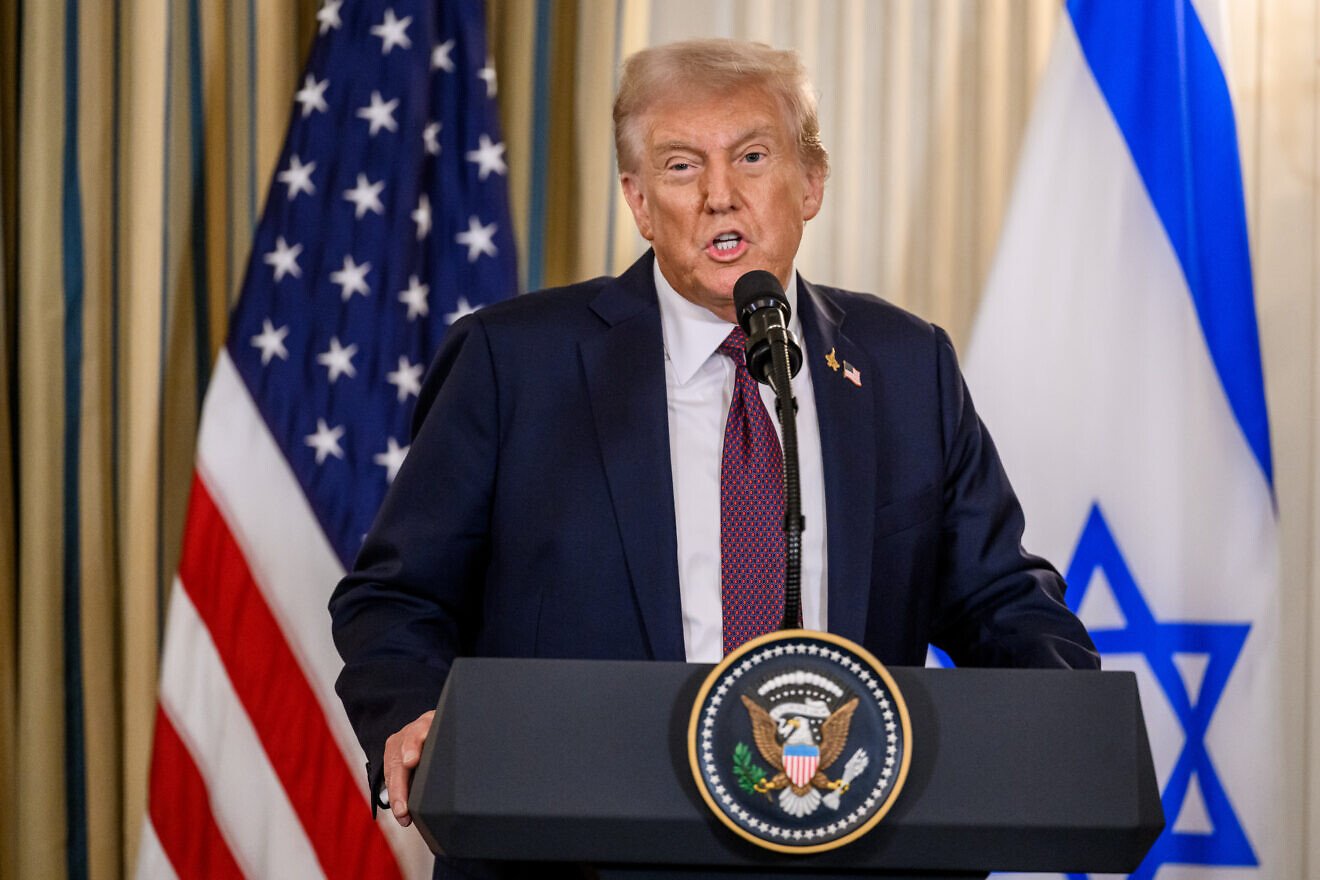
“If Hamas continues to kill people in Gaza, which was not the deal, we will have no choice but to go in and kill them,” the president wrote.

U.S. President Donald Trump and Israeli Prime Minister Benjamin Netanyahu hold a joint press conference announcing the U.S. peace plan for Gaza, Sept. 29, 2025. Photo by Joyce N. Boghosian/White House.

U.S. President Donald Trump threatened Hamas on Thursday over the terrorist group’s ongoing executions of civilians in Gaza.

“If Hamas continues to kill people in Gaza, which was not the deal, we will have no choice but to go in and kill them,” Trump wrote.

Hamas has claimed that the public executions are directed at violent gangs or individuals who collaborated with Israel. Citing a “Palestinian security source,” Reuters reported on Monday that the group had killed 32 people.

Trump told reporters on Tuesday that he didn’t mind the executions.

“They did take out a couple of gangs that were very bad, very, very bad gangs that they did take them out, and they killed a number of gang members, and that didn’t bother me much, to be honest with you,” Trump said. “That’s OK.”

On Wednesday, the head of U.S. Central Command, Adm. Brad Cooper, condemned the shootings.

“We strongly urge Hamas to immediately suspend violence and shooting at innocent Palestinian civilians in Gaza—in both Hamas-held parts of Gaza and those secured by the IDF behind the Yellow Line,” Cooper stated. “We have conveyed our concerns to the mediators who agreed to work with us to enforce the peace and protect innocent Gaza civilians.”


Zawartość publikowanych artykułów i materiałów nie reprezentuje poglądów ani opinii Reunion’68,
ani też webmastera Blogu Reunion’68, chyba ze jest to wyraźnie zaznaczone.
Twoje uwagi, linki, własne artykuły lub wiadomości prześlij na adres:
webmaster@reunion68.com


Obama, Rabin, Arafat got Nobels without peace, Trump delivers and gets denied – comment


Obama, Rabin, Arafat got Nobels without peace, Trump delivers and gets denied – comment

ZVIKA KLEIN


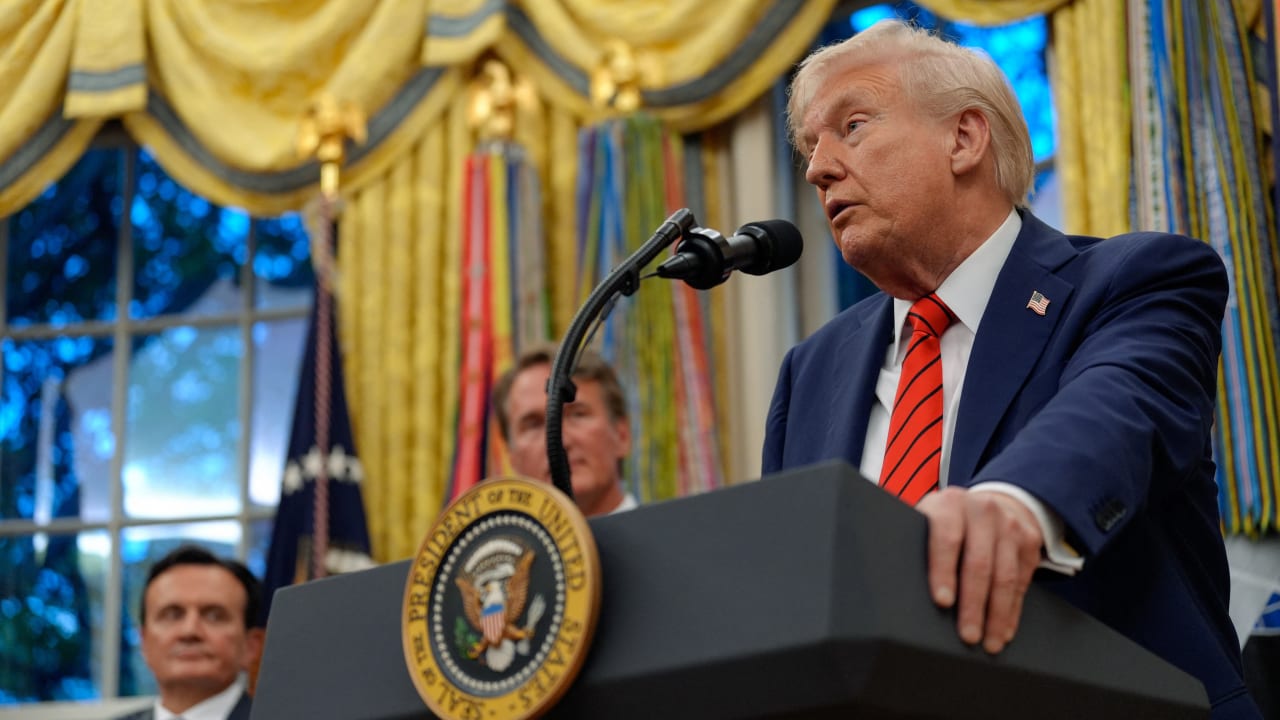
US President Donald Trump did not receive the 2025 Nobel Peace Prize despite being a catalyst for major shifts towards peace in the Middle East.

U.S. President Donald Trump speaks during an announcement about lowering U.S. drug prices, at the White House in Washington, D.C., U.S., October 10, 2025 / (photo credit: REUTERS)

Let’s be honest for a moment. The Nobel Peace Prize has never been a strict “mission accomplished” medal. Time and again, the committee has rewarded leaders for direction, momentum, and promise, long before peace was actually secured. That is why the outrage machine cuts both ways. If it was legitimate to hand the medal to architects of incomplete or fragile processes in the past, then by the committee’s own precedent Donald Trump should have been eligible this year, following the Gaza ceasefire and hostage framework he pushed over the line.

Start with the canonical example. The late Yitzhak Rabin, Shimon Peres, and Yasser Arafat received the 1994 prize for the Oslo Accords. Oslo was hope, for some, not harvest. It was a handshake, a framework, a bet on tomorrow. The region did not wake up to peace in 1994, or 1995, or 1996. Yet the committee said the early, imperfect breakthrough mattered and deserved recognition, precisely to encourage its continuation. If that logic holds, a ceasefire that begins freeing hostages after two years of underground horror and sets a mechanism to stop the bloodletting also qualifies as “work for peace,” even if it is unfinished.

Or take 2009. Barack Obama received the prize less than a year into his presidency. The committee was explicit. It was not crowning a completed peace, it was validating a shift in posture, diplomacy, and tone. Critics called it premature. The committee said encouragement matters. That is the very definition of an aspirational award. If the prize can be used to bless a change of direction, then a deal that halts rockets, starts releases, and creates a path to de-escalation in Gaza qualifies by the same yardstick.

There is more. In 2019, Ethiopia’s Abiy Ahmed was honored for making peace with Eritrea. The committee knew the settlement was fragile, that the hard parts were ahead. It gave the prize anyway, to lock in gains and pressure spoilers. In 2016, Colombia’s Juan Manuel Santos won even after voters rejected his first FARC deal in a referendum. Again, the message was clear. The Nobel often rewards incomplete peace to help it survive. Go further back. In 1973, Henry Kissinger shared the prize for an agreement in Vietnam that unraveled almost immediately. Le Duc Tho refused the medal, but the committee stood by its logic. Reward the attempt, the pause in war, the architecture of an exit, even when the future is uncertain.

U.S. President Donald Trump reacts as Secretary of State Marco Rubio speaks about Israel and Hamas agreeing on the first phase of a Gaza ceasefire, during a cabinet meeting at the White House in Washington, D.C., U.S., October 9, 2025. (credit: REUTERS/EVELYN HOCKSTEIN)

So spare us the procedural pearl-clutching. We are told the Gaza deal arrived “after the deadline,” that the committee could not consider it this calendar year. That is a bureaucrat’s refuge. The same committee has repeatedly shown it can recognize momentum, not just milestones. If the prize can lean forward when it wants to encourage a political project, it could have leaned forward here as well, or at minimum acknowledged the framework’s architects as part of a shared citation. Hiding behind the calendar now, after decades of aspirational awards, looks selective.

Let us name the hipocrisy  

And yes, let us name the hypocrisy. Many of the same voices who defended Nobel decisions that were deliberately early, symbolic, or aspirational are suddenly legalists when the candidate is Trump. They insist that nothing counts until everything is perfect, and that timelines are sacred, but only this time. Conversely, some who derided Obama’s prize as premature now demand identical treatment for Trump without admitting the standard they mocked is exactly the standard they want applied. Both camps cannot have it both ways. If you believe in the “encouragement” theory of the Nobel, say so consistently. If you believe the prize must wait for end-state peace, say that consistently too.

Here is the simple editorial judgment. By the committee’s own long practice, incomplete peace has been worthy of a Nobel when it breaks a deadlock, saves lives, or reframes a conflict. The Gaza ceasefire and hostage mechanism does all three. If Rabin, Peres, and Arafat could be honored while peace was still a sketch, if Obama could be honored for a posture, if Abiy and Santos could be honored to shore up fragile processes, then Trump’s role this year met that precedent. The committee has every right to be consistent or to change its rules. What it cannot be is selective. Calling this anything else is not principle, rather politics.


Zawartość publikowanych artykułów i materiałów nie reprezentuje poglądów ani opinii Reunion’68,
ani też webmastera Blogu Reunion’68, chyba ze jest to wyraźnie zaznaczone.
Twoje uwagi, linki, własne artykuły lub wiadomości prześlij na adres:
webmaster@reunion68.com

UK Authorities Call for ‘Immediate Review’ of Local Ban on Israeli Soccer Fans Amid Government Outrage

UK Authorities Call for ‘Immediate Review’ of Local Ban on Israeli Soccer Fans Amid Government Outrage

Shiryn Ghermezian


Soccer Football – UEFA Europa League – Maccabi Tel Aviv v GNK Dinamo Zagreb – TSC Arena, Topola, Serbia – Oct. 2, 2025, Maccabi Tel Aviv players pose for a team group photo before the match. Photo: REUTERS/Zorana Jevtic

The police and crime commissioner of the West Midlands Police (WMP) force in the United Kingdom has called for an “immediate review” of a decision to ban fans of the Israeli soccer team Maccabi Tel Aviv from attending the club’s UEFA Europa League game against Aston Villa next month following outrage from British government officials.

Simon Foster said he is requesting an urgent reassessment of the decision, made by Birmingham’s Safety Advisory Group (SAG), to determine “whether or not this decision and recommendation is appropriate, necessary, justified, reasonable, and a proportionate means of achieving a legitimate aim,” which is to ensure the safety and security of those attending the match on Nov. 6 at Villa Park in Birmingham. “That must include consideration, of all and any suitable, alternative options,” he added.

Foster concluded by saying that any decision or recommendation about the Nov. 6 match is ultimately a matter for the SAG to determine alongside the “independent, objective, and impartial operational policing judgement” of WMP.

Maccabi Tel Aviv soccer fans will not be allowed to attend the match at Villa Park in Birmingham because of security concerns, and the move has drawn condemnation from government officials in Israel and the UK, including British Prime Minister Keir Starmer.

“This is the wrong decision. We will not tolerate antisemitism on our streets,” Starmer wrote on X. “The role of the police is to ensure all football fans can enjoy the game, without fear of violence or intimidation.”

Aston Villa said on Thursday that the decision was made by the SAG, a body comprised of several professional authorities responsible for issuing safety certificates for events at Villa Park. The SAG informed the club and UEFA that no away fans would be allowed to attend the game, the team noted.

“Following a meeting this afternoon, the SAG have formally written to the club and [European soccer body] UEFA to advise no away fans will be permitted to attend Villa Park for this fixture,” Aston Villa said in a statement. “West Midlands Police have advised the SAG that they have public safety concerns outside the stadium bowl and the ability to deal with any potential protests on the night.”

The team added that it was in “continuous dialogue with Maccabi Tel Aviv and the local authorities throughout this ongoing process, with the safety of supporters attending the match and the safety of local residents at the forefront of any decision.”

West Midlands Police said on Thursday it supports the SAG’s decision, and that police classified the match as “high risk” after “a thorough assessment.”

“This decision is based on current intelligence and previous incidents, including violent clashes and hate crime offenses that occurred during the 2024 UEFA Europa League match between Ajax and Maccabi Tel Aviv in Amsterdam,” the police force said in a released statement. “Based on our professional judgement, we believe this measure will help mitigate risks to public safety.”

A spokesperson for Downing Street said there are talks “at pace, across government” to resolve the issue regarding the ban against Maccabi Tel Aviv fans.

“Culture Secretary Lisa Nandy is meeting officials to discuss what more can be done to try and find a way through to resolve this, and what more can be done to allow fans to attend the game safely,” the spokesperson said, as cited by the BBC. “The Secretary of State for Housing, Communities, and Local Government, Steve Reed, spoke to the local council this morning, and the Home Office is urgently working to support police to try and find a way through this.”

The UK’s Conservative Party Leader Kemi Badenoch said the ban was a “national disgrace” and called on Starmer to “guarantee that Jewish fans can walk into any football stadium in this country.” Conservative MP Matt Vickers criticized the move as “utterly outrageous” while MP for the Liberal Democrat party Ed Davey demanded that the ban be reversed “as soon as possible” and said, “It’s completely wrong to tackle antisemitism by banning its victims.” Reform UK leader and MP Nigel Farage wrote on X: “This takes racial discrimination to a whole new level.”

The British nongovernmental organization Campaign Against Antisemitism (CAA) told the Birmingham City Council and West Midlands Police that it intends to bring a judicial review over the decision. “Our lawyers are writing to the council and police in accordance with the pre-action protocol for judicial review,” CAA wrote in a statement on X. “Police forces and local councils must do whatever it takes to ensure that Britain is safe for everyone … We will do whatever it takes to overturn this pernicious ban which has humiliated and angered the whole country.”

Israeli Foreign Minister Gideon Sa’ar described the ban as a “shameful decision” and called on UK officials to reverse the “coward” move against Israeli soccer fans.

Ian Austin, the UK’s trade envoy to Israel, said he was “appalled” by the ban and called on police to review the decision.

“It looks like they have capitulated to a campaign by trouble-makers and abdicated their responsibility to ensure people can go about their lawful business safely,” he said. “Birmingham is a great international city. It welcomes visitors from all over the world, and they must be able to come in safely. International sport is one of our most important exports and this has major implications for fixtures in the future.”

In November 2024, Maccabi Tel Aviv fans were violently attacked by fans of the Dutch soccer team Ajax followed a European League match between the two teams in Amsterdam. During the premeditated and coordinated violence, Maccabi fans were chased with knives and sticks in the streets, run over by cars, physically beaten, and forced by their attackers to say, “Free Palestine.” Amsterdam Mayor Femke Halsema called the attackers “antisemitic hit-and-run squads” who went “Jew hunting.”


Zawartość publikowanych artykułów i materiałów nie reprezentuje poglądów ani opinii Reunion’68,
ani też webmastera Blogu Reunion’68, chyba ze jest to wyraźnie zaznaczone.
Twoje uwagi, linki, własne artykuły lub wiadomości prześlij na adres:
webmaster@reunion68.com