Archive | May 2026

Wprowadzające w błąd i nierzetelne


Wprowadzające w błąd i nierzetelne

Dr Rinat Harash


Najważniejsze wnioski:

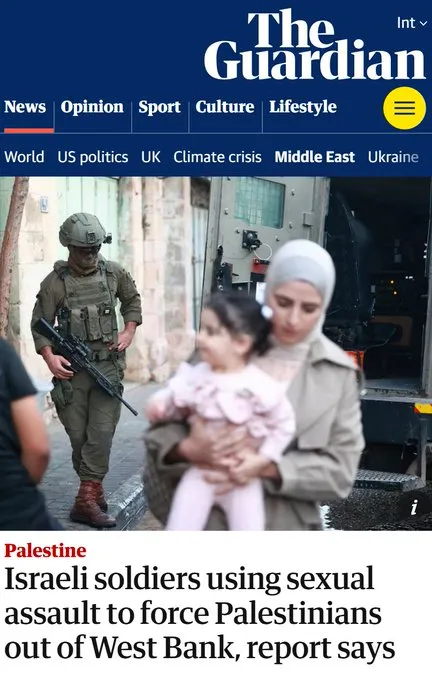
„The Guardian” twierdzi, że izraelscy żołnierze dopuszczali się napaści seksualnych na Zachodnim Brzegu, jednak jego stwierdzenie, że IDF „nie udzieliły odpowiedzi”, jest fałszywe.
Cała historia opiera się na raporcie organizacji pozarządowej mającej udokumentowane powiązania polityczne i afiliacje z Hamasem.
Anonimowe zeznania bez dat, dowodów i weryfikacji są przedstawiane jako fakty, co rodzi poważne pytania o standardy dziennikarskie.

Najnowszy reportaż w „The Guardian” o rzekomych napaściach seksualnych dokonywanych przez izraelskich żołnierzy na Zachodnim Brzegu ma wywołać szok. Przedstawia niepokojące świadectwa ujęte jako część szerszego wzorca nadużyć.

Jednak cała historia załamuje się w dwóch zasadniczych punktach: wprowadzającym w błąd twierdzeniu o reakcji izraelskiej armii oraz oparciu się na poważnie niewiarygodnym źródle.

Na końcu artykułu czytelnicy dowiadują się: „Siły Obronne Izraela nie odpowiedziały na pytania dotyczące zarzutów o nadużycia seksualne ze strony żołnierzy”.

Sugestia jest jasna: IDF zignorowały zarzuty.

To nieprawda.

Zapytane przez HonestReporting, IDF udzieliły szczegółowej odpowiedzi:

Twierdzenie o systematycznej przemocy seksualnej ze strony żołnierzy IDF jest bezpodstawne i oderwane od rzeczywistości.

Raport został opublikowany bez dania IDF jakiejkolwiek możliwości zbadania przywołanych w nim incydentów, co podważa wiarygodność przedstawionych w nim zarzutów. IDF działają zgodnie z obowiązującym prawem i wiążącymi procedurami oraz przywiązują najwyższą wagę do ograniczania szkód wobec ludności cywilnej i poszanowania godności ludzkiej we wszystkich działaniach operacyjnych.

Jeśli zostaną przedstawione wystarczające szczegóły wskazujące na wyrządzenie szkody lub odstępstwo od prawa i procedur, sprawa zostanie zbadana i odpowiednio rozpatrzona. Podkreślamy, że każda osoba, która uważa, że została poszkodowana przez obywateli Izraela, ma prawo złożyć skargę na policji izraelskiej, właściwej w takich sprawach.

Według jednostki rzecznika IDF reporterka Emma Graham-Harrison została poinformowana, że sprawa jest analizowana.

Przedstawienie tego jako „braku odpowiedzi” nie jest drobnym pominięciem. Wprowadza czytelników w błąd, sugerując, że armia odmówiła odniesienia się do zarzutów, podczas gdy w rzeczywistości je rozpatrywała.

HonestReporting skontaktowało się z „The Guardian”, domagając się sprostowania. W każdym profesjonalnym materiale odpowiedź strony, której dotyczą zarzuty, powinna być wyeksponowana, a nie ukryta lub pominięta.

Źródło obciążone problemami

Poza tym artykuł opiera się niemal wyłącznie na dokumencie opracowanym przez West Bank Protection Consortium, opisanym jako inicjatywa humanitarna kierowana przez Norwegian Refugee Council (NRC).

Taki opis sugeruje neutralność. Rzeczywistość jest bardziej złożona.

NRC nie jest niezależnym organem śledczym. Stanowi część sieci organizacji pozarządowych, które wielokrotnie poddawano analizie pod kątem stronniczości politycznej. Według NGO Monitor niektórzy członkowie NRC byli wcześniej ujawniani jako powiązani z Hamasem i PFLP — obiema organizacjami uznawanymi za terrorystyczne.

Żaden z tych kontekstów nie pojawia się w raporcie.

A gdy źródło zostaje właściwie zrozumiane, luki dowodowe stają się niemożliwe do zignorowania:

Zeznania są anonimowe
Nie podano dat ani miejsc
Nie złożono żadnych skarg
Nie przedstawiono dowodów kryminalistycznych
Brak niezależnej weryfikacji

Mimo to raport formułuje daleko idące wnioski, łącząc nawet rzekome nadużycia seksualne z wysiedleniem Palestyńczyków:

Inne zgłaszane formy przemocy obejmują oddawanie moczu na Palestyńczyków, wykonywanie i rozpowszechnianie poniżających zdjęć związanych i rozebranych osób, nękanie kobiet korzystających z toalet oraz groźby przemocy seksualnej wobec kobiet. Studia przypadków są anonimowe ze względu na stygmatyzację związaną z przemocą seksualną.

Zgodnie z raportem ataki o charakterze seksualnym przyspieszały wysiedlenie Palestyńczyków. Ponad dwie trzecie badanych gospodarstw domowych wskazało rosnącą przemoc wobec kobiet i dzieci, w tym molestowanie seksualne dziewcząt, jako punkt zwrotny w decyzji o opuszczeniu miejsca zamieszkania — podało konsorcjum.

Czytelnicy nie otrzymują więc potwierdzonego materiału reporterskiego, lecz łańcuch niezweryfikowanych twierdzeń przefiltrowanych przez upolitycznione ramy. Zwykle powinno to skłaniać do ostrożności. Jednak dla Graham-Harrison z „The Guardian” staje się to fundamentem narracji. Tym bardziej uderzające, że doświadczona reporterka, znająca surowe stanowisko IDF wobec naruszeń w swoich szeregach, zdaje się tej narracji nie kwestionować.

Tak nie powinno się prowadzić poważnych materiałów o przemocy seksualnej. Waga takich zarzutów wymaga najwyższych standardów weryfikacji — właśnie ze względu na ich konsekwencje. Przedstawianie ich bez należytej kontroli, przy jednoczesnym pomijaniu kluczowego kontekstu dotyczącego źródła i reakcji armii, nie jest odpowiedzialnym dziennikarstwem.

To nagłośnienie, które w tym przypadku służy określonemu celowi: od 2023 roku NRC opublikowała liczne raporty przedstawiające Izrael w skrajnie negatywnym świetle, często bez większego oddźwięku w głównych mediach międzynarodowych. Aż do teraz.

Najnowszy raport pojawia się zaledwie kilka dni po szczegółowym śledztwie „Daily Mail”, które ujawniło seksualne wykorzystywanie kobiet w Gazie przez terrorystów Hamasu — materiale opartym na bezpośrednich świadectwach i relacjach z miejsca zdarzeń, który jednak nie zyskał porównywalnej uwagi.

Artykuł „Daily Mail” podważał dominującą narrację, podczas gdy tekst „The Guardian” ją wzmacnia.

Kontrast jest uderzający. Gdy zarzuty — nawet słabo udokumentowane — obciążają Izrael, są nagłaśniane. Gdy udokumentowane nadużycia obciążają Hamas, są marginalizowane.

Nie oznacza to, że nadużycia nie mogą mieć miejsca w strefach konfliktu. Mogą — i zarzuty zawsze należy traktować poważnie.

Jednak traktowanie ich poważnie oznacza zadawanie trudnych pytań:

Kto formułuje zarzut?
Jakie dowody go potwierdzają?
Jaka jest odpowiedź strony oskarżanej?

W tym przypadku pytania te są albo ignorowane, albo odpowiedzi na nie są wybiórcze.

Zamiast tego czytelnikom przedstawia się narrację opartą na anonimowości, ukształtowaną przez niewiarygodne źródło i pozbawioną kluczowego kontekstu — przy jednoczesnym pominięciu odpowiedzi IDF.

To nie jest dziennikarstwo śledcze.

To aktywizm przebrany za reportaż.

A gdy fundamenty są tak słabe, cała historia się rozpada.


Link do oryginału: https://honestreporting.com/misleading-and-unreliable-the-guardians-sexual-assault-story-unravels/

Honest Reporting, 23 kwietnia 2026


Zawartość publikowanych artykułów i materiałów nie reprezentuje poglądów ani opinii Reunion’68,
ani też webmastera Blogu Reunion’68, chyba ze jest to wyraźnie zaznaczone.
Twoje uwagi, linki, własne artykuły lub wiadomości prześlij na adres:
webmaster@reunion68.com


Who’s to blame for declining American support for Israel?


Who’s to blame for declining American support for Israel?

Jonathan S. Tobin


The growing distaste for the Jewish state isn’t the fault of Netanyahu or Israeli behavior. It’s driven by forces seeking the destruction of the West and beyond the control of Jerusalem.
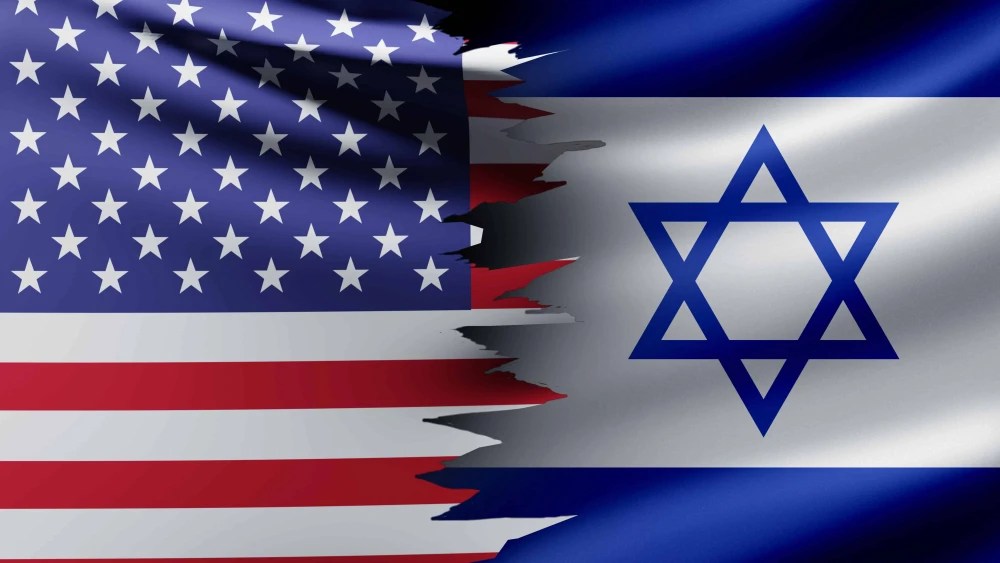
The fraying relationship between Israel and the United States. Credit: FOTOGRIN/Shutterstock.

The shift in U.S. public opinion is real and can’t be denied. Though polls still show a plurality of Americans are still on the side of the Jewish state and that the alliance with Washington has never been stronger, the decline in overall support has been precipitous. Since the Hamas-led Palestinian Arab terror attack on Israeli communities on Oct. 7, 2023, growing numbers of Americans, especially among the young, have decided that the Israelis are the perpetual bad guys in the ongoing conflict with the Palestinians. The joint U.S.-Israeli efforts to stop Iran from getting a nuclear weapon may have only accelerated this trend and the accompanying surge in antisemitism that has made itself felt in public discourse, as well as on college campuses and in the streets of American cities.

Predictably, this has led to a continual stream of articles from a variety of sources in the secular press and the Jewish world purporting to explain why this has happened. Some come from outlets that are intrinsically hostile to Israel and celebrate the collapse of what was once considered a bipartisan pro-Israel consensus. Others speak of this change with regret and claim to be motivated by a desire to make Israel popular again.

Internalizing myths about the Jews

But almost all of them are wrong. The mistake is not in recognizing that a problem exists. Rather, it is in imagining that there is much that the State of Israel or its U.S. supporters can do about it.

As with most discussions of antisemitism, which is what the increase in anti-Zionism truly is, the error is in assuming that the critiques of Israel are rooted in what it does or doesn’t do. Israel’s leaders and government are as flawed as those of any other country. But the shift in public opinion is a product of changes in American society, not the mistakes or even the alleged crimes committed by Israelis.

Accepting this terrible truth is as difficult for Israelis and their Jewish supporters as solving the intractable policy dilemmas that Jerusalem faces. Yet accept it they must if they are to avoid compounding the problem by making further blunders that will only make the situation worse.

Ironically, many Israeli and American Jews have internalized some of the most unfortunate tropes of traditional antisemitism. Jew-haters on the right and the left have treated the objects of their abhorrence as if they had supernatural powers to do harm to them. Marxists have imagined them as the not-so-secret force behind the alleged evils of capitalism, colonialism and imperialism. Right-wingers have conceived of them as the masterminds of a global Marxist plot against their national existence or their faith. Many adopt the self-contradictory claims of The Protocols of the Elders of Zion forgery, in which they are somehow part of both conspiracies.

For all of their justified scorn for the calumnies of antisemites, the truth is that many Jews have accepted this mindset, attributing to themselves the power to fix insoluble problems and to persuade people with minds that can’t be changed to see reason.

There is no solution

Just as many, if not most, Israelis and Jews once thought they had the power to win over the Palestinians via goodwill and far-reaching concessions; some are now ready to believe that they have the power to change American public opinion. They think that a change in government, a willingness to stop defending themselves or even by adopting clever public-relations strategies, the downward trend in support can be halted, if not reversed.

Of course, many have also finally come to grips with the fact that the conflict with the Palestinians can’t be ended even by the most generous of peace offers. As such, they ought to understand that the dynamic with respect to the successful mainstreaming of anti-Zionism is similar. Israelis don’t have this power. They never have and never will.

To point this out is not to say that Israel can’t do better at explaining itself to the world—or at least try to do so. Certainly, the current government and its predecessors haven’t consistently put forth much of an effort to do so. Nor is it the case that Israeli governments haven’t made mistakes. They have—and big ones, like any other government, including the world’s other democratic states.

But when you seriously examine the efforts to apportion blame for the current downturn in Israeli popularity, the explanations the critics provide are either inadequate or lead nowhere.

Pointing to Bibi and ‘genocide’

Some blame Prime Minister Benjamin Netanyahu for alienating Americans because of what they consider to be the extremism of his governing coalition or the policies it pursues. They say Israel has become too right-wing, nationalist and religious on his watch. They point to any infraction as corruption. They attribute it to statements of cabinet members like Itamar Ben-Gvir or Bezalel Smotrich, or the allegedly bad behavior of the Jews living in Judea and Samaria (“settlers” in the “West Bank”) or the rare Israeli soldiers who do something indefensible, like the one who desecrated a cross in Lebanon.

Others say Israel blundered by adopting a transactional approach to the United States. According to this argument, embracing Republicans, especially President Donald Trump, while taking umbrage at the Democrats’ positions was mistaken. The pro-Israel community’s willingness to be too critical of former President Barack Obama over his 2015 Iran nuclear deal and of President Joe Biden for his half-hearted backing of the war against Hamas—and slow-walking and even denial of the supply of weapons during the conflict—was, we are told, a misjudgment.

By applauding and working with Trump, the Israelis are alleged to have made a deal with the devil that will come back to haunt them when the Democrats inevitably come back into power. Belief in this thesis has only grown since Trump’s decision to join with Israel in attacking Iran, which the war’s critics blame on Netanyahu dragging him into a conflict that they assert isn’t popular or in America’s interests.

Most of all, they assert that the war Israel waged on the Hamas perpetrators of the Oct. 7 atrocities was too brutal and killed too many civilians in Gaza, where terrorists rule over some 2 million people. They make the same claims about efforts to prevent Hezbollah operatives in Lebanon from making northern Israel uninhabitable or to forestall Iran’s desire to eradicate the Jewish state. It is, they believe, all about the “genocide” Israel is supposedly committing against Palestinians. Stop killing innocent people, they say, and Israel will be better liked—or at least, less unpopular.

While these arguments make sense to Israel’s critics, they have it all wrong.

The rise of the right in the Jewish state wasn’t the product of a reactionary impulse within Israeli society. If Netanyahu, the Likud and its coalition partners have won most of the elections during the course of the last quarter-century, it’s because the peace process championed by the Labor Party and the left wing was exposed as a dangerous delusion. The Palestinians refused multiple offers of statehood in much, if not almost all, of the territory they claim. That destroyed the center-left’s hold on much of the Israeli electorate. That and Palestinian support for terrorism during the years of violence associated with the Second Intifada (2000-2005) and the atrocities of Oct. 7 ended belief in the possibility of a two-state solution among the overwhelming majority of the Israeli public.

To focus on alleged settler violence or other outlier actions is also to ignore the reality in which Israelis live. Even if a tiny minority of Israelis does things they shouldn’t, the entire discussion of such crimes is premised on a willingness to ignore the daily toll of Palestinian terrorism that exists in the territories. Nor is the problem the things said by Ben-Gvir or Smotrich.

Israelis would choose peace, even at the cost of territory, if they could. But you have to be disconnected from the reality of the Middle East to deny that the century-old war against the Jewish presence in the country is inextricably linked to the national identity of the Palestinians. There is no Palestinian partner for peace—and won’t be one until their political culture undergoes a sea change in which they will reject violence and accept that the Jews aren’t going to be wiped out or go away. Those Americans who cling to ideas like two states or imagine that there is anything any conceivable Israeli government can do to persuade the Palestinians to end that war simply haven’t been paying attention to the events of the last 25 years or choose not to do so for reasons of their own.

Israelis remain divided on whether they want Netanyahu to continue leading them after a total of 18 years in power. But they are not divided on the necessity of the wars their country has fought against Hamas, Hezbollah and Iran. The same critiques used against Netanyahu will be employed against his political opponents should they prevail in the elections that will be held in Israel later this year.

Nor should anyone upbraid Israelis for embracing Trump.

The Democrats changed, not Israel

It was not Netanyahu and Israel that turned on the Democrats. It was the Democrats who had increasingly abandoned the Jewish state. In the last generation, the Democratic Party, joined by the education system, the media and the arts, has been largely taken over by woke ideologues. The long march of the progressives through these institutions has helped indoctrinate a generation in the toxic ideas of critical race theory, intersectionality and settler-colonialism that all falsely label Israelis and Jews as “white” oppressors.

As such, everything they do is considered wrong. And everything their opponents, who are accorded the status of oppressed “people of color” and perpetual victims, do is deemed defensible, no matter how wrongheaded or evil. That belief has filtered down throughout the political system in ways that no amount of Israeli concessions or outreach can alter.

Israelis can do more to explain the realities of the Middle East to an American public that knows little of their own history, let alone that of the Jewish state and the Palestinians. But clever messaging, better use of social media or attempts to change the subject to a discussion of the great things Israeli genius has provided to the world are incapable of convincing those who have been taught to believe Zionism is racism to think otherwise.

While this was going on, the vast majority of Republicans remained pro-Israel and hostile to its Islamist enemies. Trump chose to be the most pro-Israel president to sit in the White House since the founding of the modern-day Jewish state. He has done so because he correctly views the alliance with Jerusalem to be in his nation’s interests and believes that stopping Iran is similarly essential to American security. The notion that Israelis and pro-Israel American Jews should have nevertheless rejected him is nonsensical. Only a nation of fools would embrace its foes and give the back of its hand to its friends.

Nor can Israel win back friends or lessen hostility by committing less “genocide” or being kinder to its enemies.

What’s the alternative?

That’s because Israel has not embraced a harsh form of militarism or committed “genocide” in Gaza or anywhere else.

To the contrary, it is its Iranian-backed foes—Hamas, Hezbollah, the Houthis—and their foreign cheerleaders and enablers that seek the destruction of the one Jewish state on the planet and the consequent genocide of half of all of the global Jewish population. The Israel Defense Forces employ rules of engagement and policies that do more to avoid civilian casualties than any other army. The casualties in Gaza are the result of Hamas leaders’ own efforts to sacrifice the population in their midst. The fact is that up to half of those killed are Hamas operatives, meaning that the ratio of civilians to combatants killed is lower than that of any urban combat in modern history.

The only alternative to the policies Israel has pursued in Gaza, Lebanon or Iran is to simply sit back and allow the genocidal terrorists who committed the Oct. 7 atrocities the impunity to do so again at a time of their choosing. That is something no rational government would do. Israel tried during the 17 years that Hamas has ruled Gaza as an independent Palestinian state in all but name to live with this murderous regime. The country learned on Oct. 7 that this was a mistake that would be paid for in the blood spilled during the largest mass slaughter of Jews since the Holocaust.

What those liberal journalists, foreign-policy establishment pundits, and Democratic activists and politicians who criticize Israel’s war policies apparently want is for the Jewish state to repeat that same blunder, regardless of the cost in Jewish lives.

It’s time to recognize that the problem isn’t with Israel but with its critics. More to the point, the issue is the woke war on the West. That has influenced a generation of young people to see Israel, Zionism and Jewish rights as somehow illegitimate. Nor is this limited to the political left. The same people who hate Israel tend to also take a dim view of America’s role in world affairs. As is the case with every other antisemitic conspiracy theory embraced by the left or the right, the issue isn’t what the Jews have or haven’t done. The problem is the lies and distortions that antisemites believe.

Israelis and Jews want to feel they have the power to alter the situation with gestures, policies or even just expressions of goodwill. That apparently can’t happen. Still, it’s wrong to blame them for the delegitimization and demonization of their nation and its rights.

What they can do

What can Israelis and the pro-Israel community do about this?

They have the power to stand with their friends and make themselves as strong as possible. They can make alliances wherever possible with those who want to be their friends and be more skillful in putting their best foot forward to the world, while explaining the facts about the conflict in which they are stuck whenever possible. They can support those seeking to defend the values of the West and the Judeo-Christian heritage that is the foundation of American democracy, as well as Zionism.

Equally important would be for friends of Israel to stop the breast-beating about their supposed sins and start playing offense by pointing out the lies being told about them. In particular, those who care about Israel and the facts should support independent media outlets that tell the truth about the conflict like JNS, rather than those that mainstream antisemitic pro-Hamas propaganda.

The information war that is being waged against Israel and the Jews is exacting a price in isolation that is far from insignificant. But the price of losing the actual war on the ground against genocidal terror regimes would be far higher. And those who counsel Israel to adopt policies that would lead to such a defeat are neither well-meaning nor wise.

It’s time for supporters of Israel to stop internalizing the false arguments that their opponents seek to impose upon them. Israel isn’t perfect and doesn’t have to be. But blaming it for the lies and acceptance of beliefs antithetical to Jewish life and the survival of Western civilization itself is neither logical nor productive. It means blaming the victims for the crimes of their persecutors. That’s a strategy that never worked throughout millennia of Jewish history, and it won’t do so now.


Jonathan S. Tobin is editor-in-chief of the Jewish News Syndicate, a senior contributor for The Federalist, a columnist for Newsweek and a contributor to many other publications. He covers the American political scene, foreign policy, the U.S.-Israel relationship, Middle East diplomacy, the Jewish world and the arts. He hosts the JNS “Think Twice” podcast, both the weekly video program and the “Jonathan Tobin Daily” program, which are available on all major audio platforms and YouTube. Previously, he was executive editor, then senior online editor and chief political blogger, for Commentary magazine. Before that, he was editor-in-chief of The Jewish Exponent in Philadelphia and editor of the Connecticut Jewish Ledger. He has won more than 60 awards for commentary, art criticism and other writing. He appears regularly on television, commenting on politics and foreign policy. Born in New York City, he studied history at Columbia University.

Zawartość publikowanych artykułów i materiałów nie reprezentuje poglądów ani opinii Reunion’68,
ani też webmastera Blogu Reunion’68, chyba ze jest to wyraźnie zaznaczone.
Twoje uwagi, linki, własne artykuły lub wiadomości prześlij na adres:
webmaster@reunion68.com


Anti-Zionists who condemn antisemitic crimes are gaslighting us


Anti-Zionists who condemn antisemitic crimes are gaslighting us

Jonathan S. Tobin


Attempts to separate the movement to accomplish the genocide of half the world’s Jews in Israel from attacks on them elsewhere have zero credibility.

People hold signs during a vigil outside the Australian Consulate in New York City on Dec. 14, 2025, following a terrorist attack in Bondi Beach where two gunmen opened fire on a Chanukah event, killing 15 people and injuring dozens of others. Photo by Alexi Rosenfeld/Getty Images.

Last week’s stabbing attack against two Jews in London’s Golders Green neighborhood was just the latest instance of what even local police agreed was an “epidemic” of antisemitic crimes. It was just one of many such incidents in the United Kingdom, the United States, continental Europe and Australia over the course of the last 31 months in which Jews were subjected to violence merely for being conspicuously Jewish.

Since the Hamas-led Palestinian Arab attacks on Israeli communities on Oct. 7, 2023, such incidents have become commonplace. The connection between the two is not a coincidence. That’s because the Oct. 7 attacks were the spark for a global surge of Jew-hatred. It’s rooted in the idea that the war to destroy Israel—for which the atrocities of Oct. 7 were just a trailer for what would happen to the rest of the Jewish state should Hamas and its allies triumph—was a righteous cause that enlightened progressives should support.

And in the name of this supposedly righteous cause of ending the one state on the planet that is Jewish, where half of the world’s Jews just happen to live, a lot of harm is being done to Jews elsewhere.

They don’t want to be called ‘antisemites’

The curious thing about the people who support these awful ideas is that they don’t wish to be considered antisemitic.

Listen to those like leftist podcaster Hasan Piker and former MSNBC host Mehdi Hasan, who openly support Hamas, and they’ll tell you that while they support the destruction of Israel, they want to assure Jews in the Diaspora that they have nothing to fear from them. Or, at least, not as long as they don’t support Israel.

They are adamant in asserting that anti-Zionism—a movement that denies rights to Jews that no one would think to deny to any other group or people—is not the same thing as antisemitism. Indeed, like New York City Mayor Zohran Mamdani, they are proud of their public advocacy against the Jewish state and their nonstop floating of lies about it committing horrible fictional crimes while denying or rationalizing the actual crimes committed against it and its people.

At the same time, they deny that this has anything to do with the unprecedented worldwide increase in acts of Jew-hatred. Piker was at pains to make this argument in, of all places, JTA, which was once the respected primary source of news about the Jewish world. He claims that he’s trying to fight antisemitism while leading the charge in favor of demonizing the Jews of Israel and their supporters abroad.

Making common cause with right-wing Jew-haters, like former Fox News host and current podcaster Tucker Carlson—their moral equivalent at the other end of the political spectrum—says the same thing. That was exhibited this past weekend, when he attempted to explain himself in a largely friendly interview with The New York Times.

Demonizing Jewish rights

What it boils down to is the claim that the war on the Jewish state is not a war on the Jewish people or Judaism.

That is why college students and their professors chanting for Jewish genocide (“From the river to the sea”) and terrorism against Jews everywhere (“Globalize the intifada”), or demonstrators on the streets of American cities, could believe that they were not behaving indecently—that they were simply doing the right thing. If you’ve been indoctrinated by toxic leftist ideologies to believe that Israelis and Jews are “white” oppressors of Palestinians who are victimized “people of color,” then anything, even a genocidal war, done to them can be rationalized.

This mindset, in which Israel and Zionism are demonized and delegitimized, is the reason why so many left-wing activists and ideologues, especially those who masquerade as mainstream journalists, have spread Hamas propaganda that amounts to blood libels about Israelis committing “genocide” against Palestinian Arabs in Gaza.

Those smears are the core content of what Israeli journalist Matti Friedman dubbed “Gazology,” or what legal scholar and author Alan Dershowitz calls “Palestinianism.” They are both ways of describing an international movement aimed not at uplifting this populace, but of singling out Israel and the Jews as a malevolent global force that is symbolic of all the world’s ills. It’s a long-told sinister fantasy: Their eradication will magically liberate the oppressed people and causes in the world.

That is why Jews are being assaulted and murdered in the name of “Free Palestine” in the streets of England, Australia, and, yes, the United States.

The people who are most prominent in publicizing the ideas that help to incite such crimes, however, are indignant at the claim that what they are doing is antisemitic.

Redefining antisemitism to exonerate the Jew-haters

Their problem is that their advocacy—not to mention the name-calling they indulge in—falls directly into the category of behavior cited in the International Holocaust Remembrance Alliance’s working definition of antisemitism. And, of course, that’s why antisemites and their enablers and apologists consistently oppose the IHRA.

Carlson’s platforming of Holocaust denial is an example of Jew-hatred labeled in the definition. But so do his claims, similar to his left-wing equivalents like Piker, that Israelis are the new Nazis. More than that, their repudiation of the right of self-determination to Jews in their own homeland is inherently antisemitic, judging it by double standards not applied to any other nation. Another classic antisemitic trope is their claims that American Jews who support Israel are guilty of “dual loyalty.”

Let’s also be clear that what Carlson on the right, along with what Piker and Jewish apologist writer Peter Beinart are doing on the left, is not “criticism” of the State of Israel and its government. Like all Americans, Israelis publicly criticize their governments for one reason or another all the time. Criticism of the actions of Jerusalem or of Prime Minister Benjamin Netanyahu and his cabinet is not antisemitic. But claiming that Zionism—the national movement of the Jewish people aimed at securing their rights to live in peace, security and sovereignty in their ancient homeland—is not only racist but uniquely illegitimate when compared to the rights of any other people is indeed an expression of Jew-hatred.

Israel and Judaism

How can they justify this?

They do so by attempting to redefine Jewish identity in a way that strips it of one of its essential elements. It is not merely a set of theological concepts. It is composed of the Torah and the Hebrew bible, combined with the age-old set of works that interpret the scriptures in the oral law that has been handed down in the Mishna and Gemara, known as the Talmud. But it is also composed of Jewish peoplehood and the connection of that people to the land of Israel. To claim that the land is not integral to Judaism and Jewish identity is to demonstrate illiteracy about the faith and history of the Jews.

Yet that is exactly what a generation of anti-Zionists, who repeat talking points written by Soviet propagandists in the 1960s and 1970s, is doing. So brazen are they that those like Max Strasser, the anti-Zionist Jew who is the “Ideas” editor of The New York Times, are actually prepared to mock the idea that the role of Israel in Judaism is nearly as integral to it as circumcision, as he did in a recent book review.

Strasser’s point (like that of Beinart, Piker and Carlson) is essentially to claim that the only way to be a “good” Jew is to pretend that the Jewish connection to their homeland is a modern invention of racist fascists. They ignore the fact that it is noted throughout the Torah, as well as part of the liturgy that religious Jews have invoked three times a day when they prayed for millennia.

Still, to justify this rewriting of history and Judaism to suit their politics and ideologies, they must do more than that. To defend this shameless set of lies, they must also accuse Israelis of being, in Strasser’s formulations, “monsters” that moral people—Jewish and non-Jewish alike—abhor.

That is why Israel’s moral and legal war of defense against genuine genocidal monsters, like the Palestinian Arab supporters of Hamas and the other terrorist groups that comprise their national movement, must be falsely portrayed as “genocide.” That is why the sole democracy in the Middle East must be libeled as a form of “apartheid,” and its American supporters smeared as conspiracists who are determined to drag America into wars against its interests.

Stripped of their disingenuous moral preening about human rights, anti-Zionists and their claim to be concerned about antisemitism can be seen for what it is: a disingenuous smokescreen whose purpose is to conceal backing for a cause that has one purpose. And that is the destruction of Israel and the mass murder of half of the world’s Jews.

The pre-Shoah debate

The debate about Zionism inside the Jewish world before the creation of the modern-day State of Israel was different from what is now asserted by the anti-Zionists. As Jonathan Brent, the head of the YIVO Institute for Jewish Research—the home of the archives of the pre-Holocaust European Jewish world—told me in a podcast interview, the debate among Jews prior to 1939 was not about an Israel that didn’t yet exist.

At that time, the arguments between the socialist Bund (extolled by anti-Zionists like Strasser), which wanted the largely Yiddish-speaking Jewish population to have autonomous rights in Eastern Europe, and Zionists were about how best to preserve Jewish life. Jews faced existential threats from Nazis and Communists, as well as traditional forms of Jew-hatred rooted in the Christian religion and its institutions. As it turned out, the hopes of the Bundists for Jewish survival in Europe died in the Nazi death camps and the Soviet gulags. Zionism provided the only viable path for Jewish survival, even though its triumph came too late to save European Jewry.

To oppose Israel’s existence now, whether in the name of an extinct Jewish movement or fashionable leftist ideologies rooted in toxic ideas about race, is not merely to ignore this basic history. It involves the contemplation of, if not actually cheering for, a new Holocaust in which more than 7 million Jewish lives would be snuffed out to accommodate the Arab and Islamist intolerance for any non-Muslim sovereign entity in the Middle East, coupled with Marxist opposition to Jewish nationalism.

Seen clearly, it’s easy to understand why the mainstreaming of anti-Zionism in liberal outlets like the Times, as well as left and right-wing podcasts hosted by Piker and Carlson, has been accompanied by an increase in the targeting of Jews for violence. Anti-Zionism is not distinct from antisemitism; it is just a variant of it.

The denial of the connection between the two—and the resulting violence that is its inevitable corollary—is not any more of an intellectually coherent argument than the efforts of the likes of Strasser, Piker or Carlson to define Judaism or antisemitism in a way that exonerates their hateful advocacy. It is nothing more than gaslighting and should be treated as such. News outlets like The Times that attempt to portray this compendium of hoaxes and conspiracy theories as an enlightened cause or a well-meaning difference of opinion that deserves a hearing aren’t just wrong. They are as intellectually and morally bankrupt as those who are actually carrying out the antisemitic assaults and murders that they self-righteously claim to deplore.


Jonathan S. Tobin is editor-in-chief of the Jewish News Syndicate, a senior contributor for The Federalist, a columnist for Newsweek and a contributor to many other publications. He covers the American political scene, foreign policy, the U.S.-Israel relationship, Middle East diplomacy, the Jewish world and the arts. He hosts the JNS “Think Twice” podcast, both the weekly video program and the “Jonathan Tobin Daily” program, which are available on all major audio platforms and YouTube. Previously, he was executive editor, then senior online editor and chief political blogger, for Commentary magazine. Before that, he was editor-in-chief of The Jewish Exponent in Philadelphia and editor of the Connecticut Jewish Ledger. He has won more than 60 awards for commentary, art criticism and other writing. He appears regularly on television, commenting on politics and foreign policy. Born in New York City, he studied history at Columbia University.


Zawartość publikowanych artykułów i materiałów nie reprezentuje poglądów ani opinii Reunion’68,
ani też webmastera Blogu Reunion’68, chyba ze jest to wyraźnie zaznaczone.
Twoje uwagi, linki, własne artykuły lub wiadomości prześlij na adres:
webmaster@reunion68.com


Liban: od “Szwajcarii Bliskiego Wschodu” do marionetki Iranu

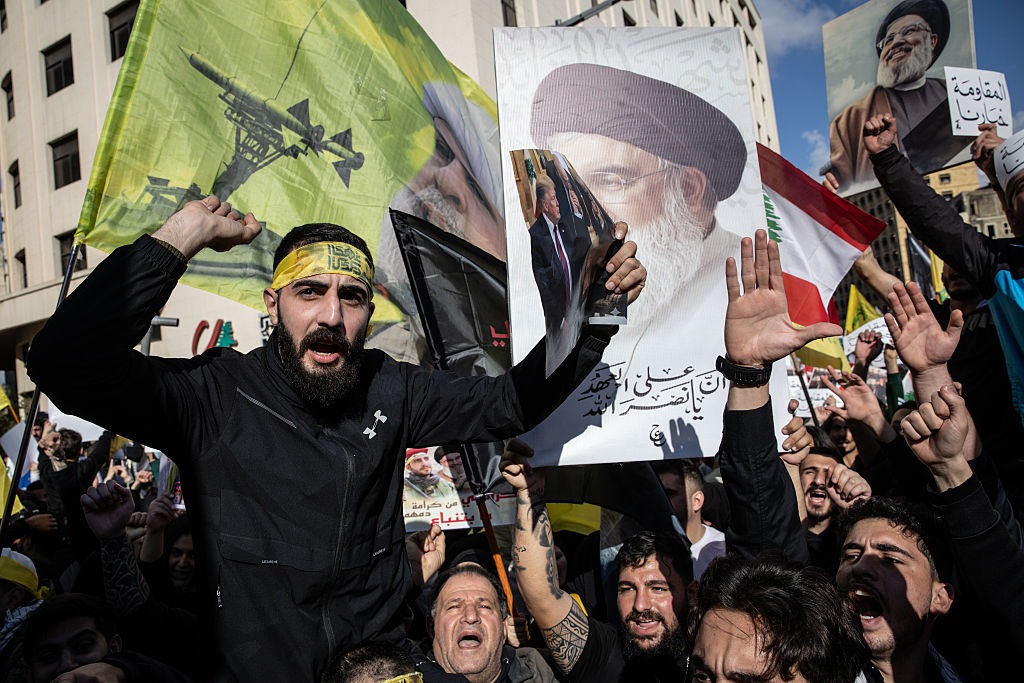
Liban faktycznie stał się protektoratem Iranu. Konsekwencje dla jego mieszkańców są katastrofalne. Na zdjęciu: Zwolennicy Hezbollahu organizują antyrządowy protest 11 kwietnia 2026 roku w Bejrucie w Libanie. (Zdjęcie: Chris McGrath/Getty Images)


Liban: od “Szwajcarii Bliskiego Wschodu” do marionetki Iranu

Khaled Abu Toameh
Tłumaczenie: Andrzej Koraszewski


Gdy rząd libański przygotowywał się do udziału w rozmowach z Izraelem w Waszyngtonie, prowadzonych przy mediacji USA, Hezbollah — wspierana przez Iran organizacja terrorystyczna — ogłosił swój werdykt: żadnych negocjacji, żadnych kompromisów. Tylko wojna.

Rozmowy, które odbyły się 14 kwietnia, mają na celu zapewnienie “długoterminowego bezpieczeństwa północnej granicy Izraela”, przy jednoczesnym wsparciu wysiłków Libanu na rzecz “odzyskania pełnej suwerenności nad swoim terytorium”.

W telewizyjnym wystąpieniu sekretarz generalny Hezbollahu, Naim Qassem, nazwał rozmowy “bezcelowymi” i ponownie potwierdził, że jego organizacja nie złoży broni. Odnosząc się do wypowiedzi premiera Izraela Benjamina Netanjahu, że broń Hezbollahu musi zostać zlikwidowana, a Izrael dąży do rzeczywistego porozumienia pokojowego z Libanem, Qassem oświadczył:

“Nie spoczniemy, nie zatrzymamy się i nie poddamy. Pozwolimy, by pole walki przemówiło samo za siebie. Pozostaniemy na nim do ostatniego tchu”.

Qassem dodał:

“Odrzucamy negocjacje z uzurpującym bytem… Wzywamy do historycznej i heroicznej postawy poprzez odwołanie tego spotkania negocjacyjnego”.

Wafiq Safa, wysoki rangą przedstawiciel Hezbollahu, powiedział agencji Associated Press, że jego organizacja odmówi podporządkowania się jakimkolwiek porozumieniom wynikającym z bezpośrednich rozmów Libanu z Izraelem:

“[J]eśli chodzi o rezultaty tych negocjacji między Libanem a izraelskim wrogiem, w ogóle nas one nie interesują ani nas nie dotyczą… Nie jesteśmy związani tym, na co się zgodzą”.

Te wypowiedzi nie są jedynie retoryką. Stanowią deklarację, że to Hezbollah, a nie rząd libański, zdecyduje, czy Liban pójdzie na wojnę, czy wybierze pokój.

Dzisiejszy Liban niewiele przypomina kraj, którym kiedyś był.

Przed wojną domową w latach 1975–1990 Liban znany był jako “Szwajcaria Bliskiego Wschodu”. W latach 60. i 70. cieszył się znacznym dobrobytem, surowymi przepisami o tajemnicy bankowej oraz reputacją bezpiecznego, neutralnego centrum finansowego dla kapitału regionalnego i międzynarodowego. Jego sektor bankowy należał do najbardziej zaawansowanych w świecie arabskim. Przyciągał inwestycje zagraniczne i uczynił z Bejrutu jedno z wiodących centrów finansowych świata.

Francuski dziennikarz Julien Ricour-Brasseur napisał w 2021 roku w “Middle East Eye”:

“Libańczycy, którzy nie chcą podejmować desperackiej próby przeprawy przez Morze Śródziemne, tłumnie udają się do urzędów, by uzyskać wizy do jakiegokolwiek możliwego miejsca. Szukają czegoś poza morzem, gdzie kusi blask zieleni — zielone światło nadziei — i dolara…

Historia Libanu mogłaby zaczynać się tak: Dawno, dawno temu istniało państwo znane jako Szwajcaria Bliskiego Wschodu. I szczerze mówiąc, na tym historia się kończy”.

Liban wyróżniał się także różnorodnością wyznaniową i pluralizmem religijnym — miejscem, gdzie liczne społeczności muzułmańskie i chrześcijańskie współistniały w ramach stosunkowo otwartego systemu politycznego. Jego geografia — łącząca ośnieżone góry nadające się do sportów zimowych z wybrzeżem Morza Śródziemnego — czyniła go ważnym celem turystycznym. W szczytowym okresie Liban miał jeden z najwyższych poziomów PKB na mieszkańca w regionie i był postrzegany jako oaza stabilności w burzliwym regionie Bliskiego Wschodu. Ten Liban jednak już nie istnieje.

Dekady wojny domowej, korupcji i paraliżu politycznego były głównymi siłami napędzającymi jego upadek. Jednak pojawienie się Hezbollahu jako uzbrojonego państwa w państwie oraz jego powtarzające się wojny z Izraelem w imieniu irańskich patronów są kluczowymi czynnikami, które przyczyniły się do załamania Libanu.

Liban jest obecnie państwem upadającym. W 2022 roku Organizacja Narodów Zjednoczonych napisała:

“Destrukcyjne działania politycznych i finansowych przywódców Libanu odpowiadają za zepchnięcie większości społeczeństwa w ubóstwo, co stanowi naruszenie międzynarodowego prawa praw człowieka — powiedział w opublikowanym dziś raporcie specjalny sprawozdawca ONZ ds. skrajnego ubóstwa i praw człowieka, Olivier De Schutter…

‘Bezkarność, korupcja i nierówności strukturalne zostały wbudowane w zepsuty system polityczny i gospodarczy zaprojektowany tak, by zawodzić najuboższych — ale nie musi tak być’ — powiedział De Schutter, niezależny ekspert powołany przez Radę Praw Człowieka ONZ.

‘Elity polityczne wiedziały o nadchodzącej katastrofie przez lata, ale niewiele zrobiły, by jej zapobiec. Osoby dobrze powiązane wyprowadzały nawet swoje pieniądze za granicę…

‘Polityka banku centralnego doprowadziła w szczególności do spirali spadku wartości waluty, zniszczenia gospodarki, wymazania oszczędności życia wielu ludzi i pogrążenia społeczeństwa w ubóstwie'”.

Co gorsza, Liban faktycznie stał się protektoratem Iranu. Konsekwencje dla jego mieszkańców są katastrofalne.

Hezbollah wciągnął Liban w dwa zgubne konflikty z Izraelem w ciągu zaledwie ostatnich trzech lat.

Pierwszy miał miejsce po inwazji Hamasu na południowy Izrael 7 października 2023 roku, kiedy Hezbollah rozpoczął ostrzał Izraela z terytorium Libanu jako “front wsparcia” dla swoich sojuszników terrorystycznych w Strefie Gazy.

Druga wojna, którą Hezbollah rozpoczął przeciwko Izraelowi, nastąpiła po izraelskich i amerykańskich atakach na cele irańskie w czerwcu 2025 roku. Hezbollah ponownie rozpoczął ataki rakietowe i dronowe na Izrael w “geście solidarności” z irańskim reżimem. Obie rundy walk przyniosły mieszkańcom Libanu kolejne zniszczenia, przesiedlenia i załamanie gospodarcze.

Schemat jest już jasny: Hezbollah wybiera śmierć i zniszczenie, a Libańczycy płacą za to cenę.

Utworzony, finansowany i uzbrojony przez reżim irański Hezbollah nadal działa jako najpotężniejszy pośrednik Iranu na Bliskim Wschodzie. Jego przywódcy deklarują lojalność nie Libanowi, lecz mułłom w Iranie. Jego arsenał nie znajduje się pod kontrolą państwa libańskiego. Decyzje o wojnie i pokoju dyktowane są przez regionalną strategię Iranu, a nie przez interesy narodowe Libanu.

Choć nie były to formalne negocjacje pokojowe, spotkanie w Waszyngtonie w tym tygodniu sygnalizowało możliwy krok w kierunku bardziej uporządkowanego dialogu i normalizacji między Izraelem a Libanem.

Pokój między Libanem a Izraelem przyniósłby przede wszystkim korzyści mieszkańcom Libanu. Ustabilizowałby kraj, otworzył drogę do odbudowy gospodarczej, przyciągnął inwestycje i rozpoczął proces odwracania dekad upadku państwa. Co ważniejsze, przywróciłby Libanowi to, co Hezbollah mu odebrał: zdolność działania jako suwerenne państwo realizujące własne interesy narodowe.

Wezwanie przywódcy Hezbollahu do odwołania rozmów w Waszyngtonie odzwierciedla obawy tej organizacji terrorystycznej, że dyplomacja mogłaby się powieść i że Liban mógłby zacząć uwalniać się spod wpływów reżimu irańskiego. Dla mieszkańców Libanu pokój z Izraelem mógłby oznaczać coś bardziej podstawowego: szansę na odzyskanie swojego kraju z cyklu wojny, śmierci i zniszczenia. Dopóki ta rzeczywistość się nie zmieni, Liban pozostanie uwięziony nie tylko w konflikcie z Izraelem, ale także w głębszym kryzysie suwerenności, tożsamości i przetrwania.


Khaled Abu Toameh jest nagradzanym dziennikarzem mieszkającym w Jerozolimie.


Zawartość publikowanych artykułów i materiałów nie reprezentuje poglądów ani opinii Reunion’68,
ani też webmastera Blogu Reunion’68, chyba ze jest to wyraźnie zaznaczone.
Twoje uwagi, linki, własne artykuły lub wiadomości prześlij na adres:
webmaster@reunion68.com


The dawn of a new world order


The dawn of a new world order

Melanie Phillips


An increasingly hostile public in the United States has little idea of the necessity and importance of the war against Iran.

U.S. forces patrol the Arabian Sea near M/V Touska after the Iranian-flagged vessel attempted to violate the U.S. naval blockade, April 20, 2026. Credit: U.S. Navy.

Most people in America are against the war with Iran, as they are in Britain, too.

Very few, however, actually understand why this war is as necessary as it is unavoidably complex.

Few seem aware that Iran has been actively at war against America for the past 47 years. Few seem to grasp that Iran’s fanatical Islamic regime has killed hundreds of U.S. servicemen, perpetrated numerous attacks on U.S. bases, committed countless terrorist atrocities and taken Americans hostage.

Few grasp that U.S. and Israeli intelligence had discovered that Iran was poised to create both a nuclear bomb and a missile arsenal so enormous and so buried underground that no one would ever be able to tackle the mortal threat posed by the regime.

Instead, the American and British public have been fed a remorseless mainstream media narrative framed entirely by obsessive hatred of U.S. President Donald Trump and Israeli Prime Minister Benjamin Netanyahu. This presents the war as a reckless choice into which Trump was bounced by Netanyahu, that it was always going to be a disaster, and that it’s already been lost.

Israel, however, which is desperate for the Iranian regime to be prevented from ever harming it again, fears that Washington is once again leaving it hanging out to dry. The Israeli public thinks that Trump’s ceasefire—and then its extension—shows that he hasn’t got the commitment to see this thing through. They fear that he seeks to make a deal he can call victory, but that will leave the Tehran regime in a position where it can rearm and come back even more deadly than before.

Others, though, think that Trump is displaying strategic brilliance. They point out that he’s flipped the script over the Strait of Hormuz by turning Iran’s supposed chokepoint for the world into a deadly weapon against the regime itself.

America’s blockade of the Strait is causing Tehran to lose hundreds of millions of dollars a day in vital revenue, while the buildup of oil will potentially cripple the oil wells themselves and put them out of further use.

The fact is that this war is neither won nor lost. Both sides say they have the upper hand. Everything depends on Trump. His repeated outbursts on Truth Social, which often seem to contradict each other, are giving many people severe emotional whiplash.

No one knows how this is going to end. But it’s very alarming that opposition to the war in America is feeding into a growing general public animus against Israel.

Public opinion shows that the majority of Americans are now more sympathetic to the Palestinian Arabs than to the Israelis. In a Pew Research Center survey conducted in March, 60% of U.S. adults held an unfavorable view of Israel, including 80% of Democrats and 41% of Republicans.

This animus, reversing decades of general public support for Israel, is due to three things: the education system, social media and increasing political hostility on both sides of the aisle.

Some of this is due to the funding of anti-Israel materials in the education system by Qatar. But mostly, it’s due to the Marxist, “anti-colonialist” and anti-Western orthodoxy that has been standard in the universities for years, which has now infused the K-12 syllabus in schools and frames Israel falsely as a colonialist oppressor.

With the education system having widely replaced teaching how to think with what to think, young people have become vulnerable to the enormous pressure of the fashionable consensus. This is disseminated, in turn, by social media, which presents cranks and oddballs as having credibility, and who are accordingly believed by the credulous and ignorant.

At the same time, the political world is increasingly abandoning the rational center ground for extremism. The left has entered into an unholy alliance with Islamists in the common aim of overturning the West—even though their intended replacement societies are the polar opposite of each other—and of hatred of Israel, the Jewish people and Judaism.

Last week, 40 of 47 Democrats voted for a resolution blocking the sale to Israel of bulldozers, while 36 opposed the sale of thousand-pound bombs—in the middle of a war in which America and Israel are fighting side by side.

The frontrunner in Maine’s Democratic Senate primary, Graham Platner, who has a Nazi-associated tattoo on his chest, wrote in 2014 of Hamas military tactics: “From a strictly professional standpoint, this was a damn fine looking and successful raid against a superior opponent. I dig it.”

The Republican Party is fracturing along similar lines, with a significant faction claiming that Israel drags the United States into foreign wars—a charge now given rocket fuel by the war against Iran—such as the 2003 war in Iraq.

This claim is idiotic and untrue. Israel’s prime minister at the time, Ariel Sharon, advised Washington against the Iraq war, while successive U.S. presidents have repeatedly restrained Israel from doing what it has needed to do to keep itself safe.

Now the left is joining the right in this particular canard. Last weekend, the former Democratic presidential candidate and U.S. vice president, Kamala Harris, spoke about the war to a Democratic convention, saying that Trump “got pulled into it by Bibi Netanyahu, let’s be clear about that.”

And Rahm Emanuel, the White House chief of staff under former president Barack Obama, said on Bill Maher’s TV talk show that there should be no more U.S. taxpayer support for Israel, which should “get the same deal that any one of our allies does,” and that the United States “should never spill any blood for the State of Israel’s security.”

This was an odious and twisted remark. American military assistance to Israel requires much of that funding to be spent on American-made defense systems. This means that the United States profits hugely from the aid flowing back into the American economy through supporting domestic manufacturing, defense jobs and technological development.

Other allies, such as Japan and Germany, have thousands of U.S. troops stationed on their soil at huge expense. And Israel is a unique ally in that it provides America with priceless intelligence, military expertise and technological developments.

These Democrats are singing from the same Jewish-conspiracy song sheet as the vicious Republican faction led by podcast host Tucker Carlson.

Disturbingly, U.S. Vice President JD Vance has refused to repudiate this faction. So if he becomes the Republican presidential candidate in 2028 against an anti-Israel Democrat, Israel’s supporters may feel presented with a choice between the devil and the deep-blue sea.

Israel’s governing class is all too aware of this deeply troubling American trajectory. Concern about Trump’s successor has meant that Israel has begun to develop its own arms industry to reduce its dependency on the United States. The Jewish state is also acutely aware that many American Jews are turning against it, since some three-quarters of them are signed up to the Democratic Party and to progressive ideologies that are anti-Israel and anti-West.

Israel is accordingly developing new partnerships, notably with India and Africa. Whatever the eventual outcome of the Iran war, it is clear that Israel has become the main regional power in the Middle East.

If the Tehran regime finally bites the dust, Israel will be at the heart of trade and infrastructure links that will hugely reduce the blackmail power of Russia, China and North Korea, the evil empire that has revolved around the Iranian regime.

Growing anti-Israel animus in the United States isn’t just a warning sign for American Jews. It suggests that America is going the same way as Europe, if more slowly. Britain and Europe are in the process of succumbing to Islamization and destroying their own historic culture and identity. If Republicans can’t hold the line for the defense of civilized values, then America will be lost.

This is an inflection point for civilization, and Israel is poised to become the fulcrum of a new world order.

Israel is very concerned that it may be losing America. America should be no less concerned that it’s losing Israel.


Melanie Phillips, a British journalist, broadcaster and author, writes a weekly column for JNS. Currently a columnist for The Times of London, her new book, Fighting the Hate: A Handbook for Jews Under Siege, has just been published by Wicked Son. Her previous book, The Builder’s Stone: How Jews and Christians Built the West and Why Only They Can Save It, was published in 2025. Access her work at: melaniephillips.substack.com.


Zawartość publikowanych artykułów i materiałów nie reprezentuje poglądów ani opinii Reunion’68,
ani też webmastera Blogu Reunion’68, chyba ze jest to wyraźnie zaznaczone.
Twoje uwagi, linki, własne artykuły lub wiadomości prześlij na adres:
webmaster@reunion68.com