Archive | 2025/07/21

Malarstwo Maurycego Gottlieba w Łodzi

 Maurycy Gottlieb, fragment obrazu “Pisarz Tory”, Muzeum Narodowe we Wrocławiu,ok. 1879, olej na tekturze, fot. Muzeum Pałac Herbsta


Malarstwo Maurycego Gottlieba w Łodzi

Culture.pl


Niepokazywane od wielu lat w Polsce dzieła jednego z najwybitniejszych malarzy pochodzenia żydowskiego można oglądać do 1 lutego 2015 r. w Muzeum Pałac Herbsta.

Autorom wystawy “Maurycy Gottlieb. W poszukiwaniu tożsamości” udało się zgromadzić ponad 30 dzieł malarza pochodzących z polskich i zagranicznych kolekcji, m.in. z Musée d’Art et d’Histoire du Judaisme w Paryżu, The Israel Museum i Tel Aviv Museum of Art. Kilka dzieł nie było dotąd w ogóle prezentowanych w Polsce.

Maurycy Gottlieb zmarł w wieku zaledwie 23 lat. Mimo to uważany jest za najwybitniejszego malarza żydowskiego XIX wieku. Artysta pozostawił dorobek, który w niezwykły sposób łączy w sobie młodzieńczą emocjonalność z dojrzałością, a ekspresję z biegłością warsztatową. Sięgał zarówno do tematów inspirowanych rodzimą tradycją, polską kulturą, poezją i wydarzeniami historycznymi.

Ostatnia monograficzna wystawa artysty odbyła się w Polsce w 1991 roku. Jak przyznała kuratorka wystawy Maria Milanowska, zgromadzenie dzieł Gottlieba w jednym miejscu nie było łatwe, gdyż  wiele z nich zostało zniszczonych lub zagrabionych podczas II wojny światowej, a inne są rozproszone po prywatnych i muzealnych kolekcjach na całym świecie.
 

Milanowska podkreśliła, że dla Gottlieba malarstwo stanowiło narzędzie do nawiązania dialogu pomiędzy Polakami i Żydami, a wystawa prezentowana w Pałacu Herbsta ma przybliżać dążenia artysty do pojednania obu narodów. Kuratorka dodała:

“Gottlieb wywodził się z tradycyjnego środowiska żydowskiego, ale należał do nurtu haskali, czyli żydowskiego oświecenia. Uczynił malarstwo językiem uniwersalnym, umożliwiającym porozumienie pomiędzy przedstawicielami różnych wyznań i narodowości”.

Łódzka ekspozycja podzielona została na trzy części. W pierwszej można zobaczyć dzieła o tematyce żydowskiej, a jej “perłą” – jak powiedziała Milanowska – jest wielkoformatowy obraz “Żydzi modlący się w trakcie święta Jom Kipur”, wykonany na niespełna rok przed śmiercią artysty, a pochodzący z Muzeum Sztuki w Tel Avivie. Jom Kipur to Święto Pojednania, a dzieło nawiązuje do idei Gottlieba, który dążył do pojednania poprzez sztukę ponad nacjami.

“To dzieło o silnej wymowie, co podkreśla również fakt, że sam artysta umieścił w nim swoje autoportrety – przedstawił się jako mały chłopiec, nastolatek i młody mężczyzna, który w centralnej części kompozycji stoi podparty i pogrążony w myślach. Zastanawia się nad swoim losem, ale myślę też, że nad ideą swojej sztuki” – dodała kuratorka wystawy.

Na wystawie zgromadzono także kilka autoportretów artysty. Zobaczyć można m.in. jeden z jego najsłynniejszych autoportretów “Ahaswer” z 1876 r., pochodzący z kolekcji Muzeum Narodowego w Krakowie. Artysta przedstawił na nim siebie zarówno pod postacią króla perskiego Ahaswerusa, który ofiarował Żydom wolność, ale także mitycznego Żyda Wiecznego Tułacza. Zdaniem Milanowskiej dzieło to spina praktycznie całą ideę malarstwa Gottlieba, który z jednej strony pragnął pojednania i porozumienia, a z drugiej strony miał świadomość tego, że skazuje się na wieczną tułaczkę.

Innym niezwykle cennym dziełem jest pochodzący z paryskiego Musée d’Art et d’Histoire du Judaisme autoportret namalowany w 1879 r., czyli w roku śmierci artysty, najprawdopodobniej ostatni, nad którym pracował. “Dzieło niezwykle nowoczesne w sposobie malowania, wręcz awangardowe. Pokazuje Gottlieba jako twórcę otwartego też na inne nurty i zjawiska w sztuce, a jednocześnie ukazujące jego emocjonalność i wrażliwość” – oceniła Milanowska.

W trzeciej części ekspozycji zobaczyć można dzieła prezentujące różnorodność malarstwa Gottlieba – kompozycje nawiązujące do motywów biblijnych, odwołujące się do tematyki orientalnej, historycznej oraz portrety. W tej ostatniej dziedzinie – jak przyznaje kuratorka wystawy – był on artystą wyjątkowym:

“Był fenomenalnym portrecistą i w tej dziedzinie wykonywał dzieła naprawdę mistrzowskie. Widzimy już w pełni ukształtowanego artystycznie człowieka, który malując portrety skupia się nie tylko na podobieństwie fizycznym, ale na oddaniu stanu emocjonalnego i charakteru portretowanych osób”.

Milanowska przyznała, że rozmowy z polskimi i zagranicznymi instytucjami na temat wypożyczenia prac Gottlieba na wystawę nie były łatwe i trwały długo. “Pertraktacje zwykle nie są proste, ale jestem szczęśliwa z efektu finalnego i że dzieła, które nie były w Polsce prezentowane przez lata, możemy przedstawić w Łodzi” – podkreśliła.

Ekspozycję w łódzkim muzeum będzie można oglądać do 1 lutego 2015 roku. Wystawie towarzyszyć będzie publikacja naukowa zawierająca eseje poświęcone twórczości Gottlieba, jego wpływowi na rozwój sztuki i kultury żydowskiej. Na początku grudnia planowana jest również konferencja naukowa poświęcona artyście. Muzeum planuje też wydarzenia edukacyjne m.in.: warsztaty rodzinne, dla osób z dysfunkcją wzroku, a także koncert muzyki klezmerskiej. Dział edukacji przygotował audiodeskrypcję do kilku wybranych prac prezentowanych na wystawie.

Maurycy Gottlieb (1856-1879) jest jednym z najwybitniejszych polskich malarzy pochodzenia żydowskiego. Studiował malarstwo w akademiach sztuk pięknych, m.in. w Wiedniu, Krakowie i Monachium. Był uczniem Jana Matejki.

Wśród dzieł Gottlieba przeważają obrazy o tematyce żydowskiej (“Żydzi modlący się” z 1878 r. lub “Shylock Jessyka” z 1876 r.), biblijnej (“Chrystus w świątyni” z 1879 r.) oraz historycznej (“Zygmunt August i Barbara” z 1874 r.). Artysta był też autorem portretów i studiów portretowych. Wszystkie jego obrazy, utrzymane w gamie soczystych barw, cechuje nastrojowość, ekspresja i egzotyka. Był obdarzony wyjątkowym wyczuciem harmonii, koloru i wrażliwością na światło. Zmarł na skutek powikłań po zapaleniu gardła.

Źródło: PAP, oprac.km, październik 2014


“Ahaswer” uznawany jest za najbardziej zagadkowy, a zarazem najbardziej przesycony znaczeniami spośród wszystkich autoportretów Maurycego Gottlieba.

Przejdź na stronę kategorii#sztuki wizualne


Zawartość publikowanych artykułów i materiałów nie reprezentuje poglądów ani opinii Reunion’68,
ani też webmastera Blogu Reunion’68, chyba ze jest to wyraźnie zaznaczone.
Twoje uwagi, linki, własne artykuły lub wiadomości prześlij na adres:
webmaster@reunion68.com



Anti-Israeli NGO Seeks Arrest of IDF Soldiers at Tomorrowland

Anti-Israeli NGO Seeks Arrest of IDF Soldiers at Tomorrowland

i24 News and Algemeiner Staff


Israeli Chief of the General Staff Herzi Halevi speaks at a ceremony for the 70th cohort of military combat officers, at an army base near Mitzpe Ramon, Israel, Oct. 31, 2024. Photo: REUTERS/Amir Cohen

The Hind Rajab Foundation (HRF), a Palestinian organization headquartered in Belgium, has filed a legal complaint seeking the arrest of two Israeli Defense Forces (IDF) soldiers who were seen waving a Givati Brigade flag at the Tomorrowland music festival last weekend. The move has drawn sharp attention in Europe amid rising legal and diplomatic tensions over the Gaza conflict.

According to a statement posted Saturday evening on the HRF’s official website, the organization, in collaboration with the British legal advocacy group Global Legal Action Network (GLAN), has petitioned the Belgian Attorney General to arrest and prosecute the soldiers under Belgium’s universal jurisdiction laws.

The foundation accuses the two men of committing “serious international crimes, including war crimes and genocide in the Gaza Strip.”

The two soldiers reportedly attended Tomorrowland, one of the world’s largest electronic music festivals, held annually in Boom, Belgium. Video footage circulating on social media showed them holding up the Givati Brigade flag, a symbol linked to one of the IDF’s frontline infantry units.

HRF claims these men were directly involved in combat operations in Gaza and argues their presence in Belgium constitutes an opportunity for prosecution under international law. The Givati Brigade has been cited in several international reports on alleged IDF misconduct during recent military campaigns.

In a separate announcement, the foundation revealed it had also filed a criminal complaint in Portugal last week against another Israeli national, identified in Lisbon, whom it accuses of involvement in what it terms the Israeli “genocide campaign” in Gaza. Portuguese authorities have yet to confirm any action in response.

These legal moves are part of HRF’s broader campaign to hold Israeli soldiers accountable for their roles in military actions in the Gaza Strip. The group has made it clear that it aims to pursue legal avenues in any country where universal jurisdiction allows prosecution of foreign nationals for alleged war crimes.

In response to escalating international pressure and the growing legal risks faced by IDF personnel abroad, Israel’s Chief of Staff, Lt. Gen. Herzi Halevi, recently issued a directive mandating the concealment of the identities of all officers involved in operational activities related to combat, from the rank of lieutenant colonel and above. This measure affects thousands of active-duty and reserve soldiers, many of whom had previously operated publicly under their real names.

The Hind Rajab Foundation was formally registered in Belgium in September 2024 and is led by Dyab Abou Jahjah and Karim Hassoun, both known for their longstanding anti-Israel activism. Jahjah, in particular, has a controversial history, having publicly expressed support for Hezbollah and claimed past participation in its military training. Both leaders have also voiced public support for the October 7, 2023, Hamas-led attacks on southern Israel, which resulted in the deaths of over 1,200 people.

Israeli officials have condemned HRF’s actions, calling them politically motivated and legally baseless. “These so-called legal pursuits are nothing more than attempts to delegitimize Israel’s right to defend itself,” said a spokesperson for Israel’s Ministry of Foreign Affairs.

Belgian authorities have yet to comment publicly on the HRF’s legal filings. However, if accepted, the cases could set a precedent for European enforcement of universal jurisdiction laws against foreign military personnel.


Zawartość publikowanych artykułów i materiałów nie reprezentuje poglądów ani opinii Reunion’68,
ani też webmastera Blogu Reunion’68, chyba ze jest to wyraźnie zaznaczone.
Twoje uwagi, linki, własne artykuły lub wiadomości prześlij na adres:
webmaster@reunion68.com

Israeli Air Force strikes Houthi targets in Yemen

Israeli Air Force strikes Houthi targets in Yemen

JNS Staff


Hudaydah Port was hit days after a missile aimed at Israel was intercepted.

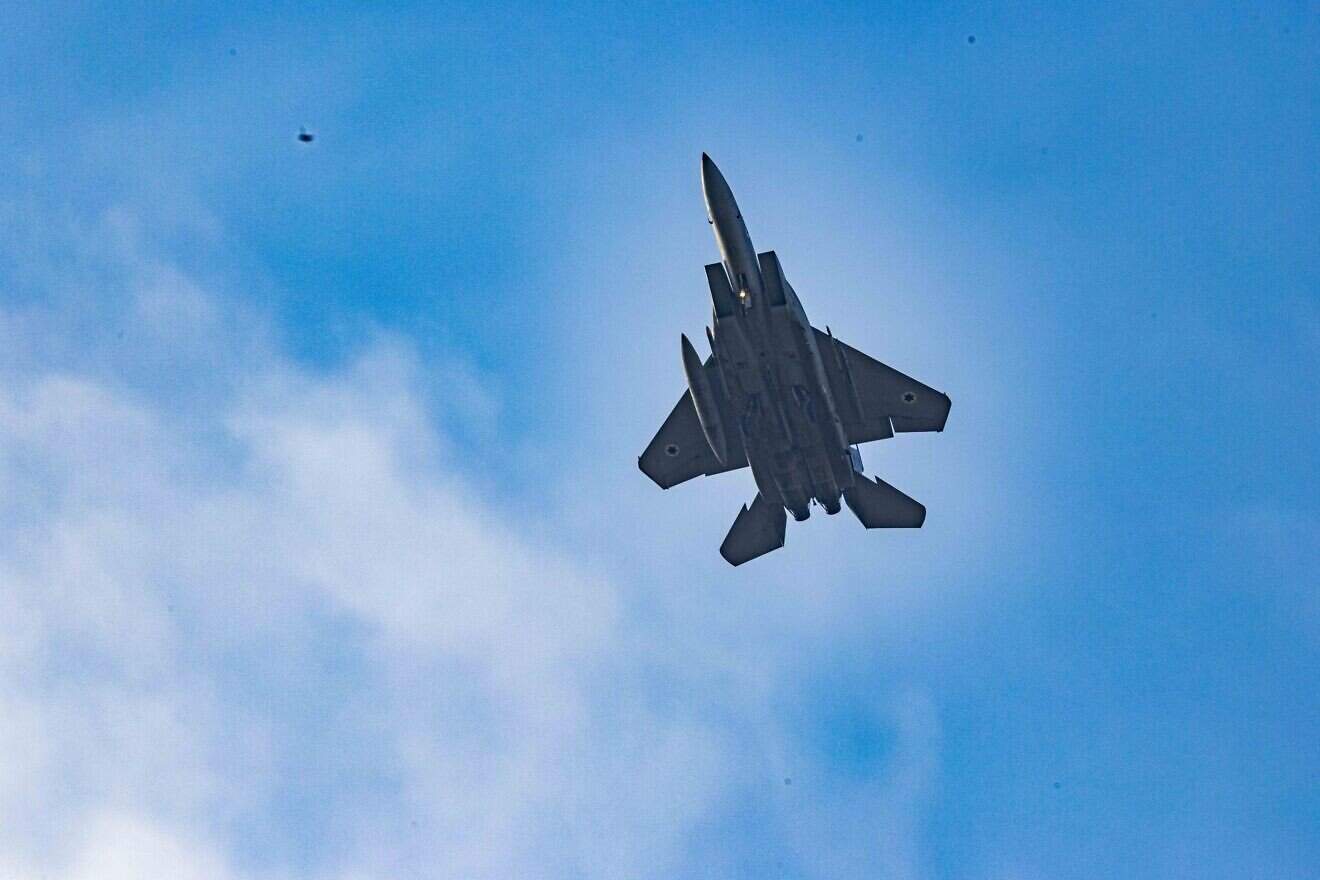
An Israeli Air Force fighter jet flying over central Israel, June 23, 2025. Photo by Nati Shohat/Flash90.

The Israeli Air Force attacked Houthi targets in Yemen on Monday, acting after repeated missile and drone fire by the terrorist group against the Jewish state.

“The IDF has just struck terror targets of the Houthi terrorist regime at the port of Hudaydah and is vigorously acting against any attempt to restore the terror infrastructures that were previously attacked,” Defense Minister Israel Katz said.

“As I have clarified—the same rules apply to Yemen as to Tehran. The Houthis will pay a heavy price for launching missiles toward the State of Israel. We will continue to act at all times and in all places to defend the State of Israel.”

The Israel Defense Forces provided further details on the operation, saying that among the targets struck were engineering vehicles used to reestablish the port’s infrastructure, fuel containers, naval vessels and boats in the maritime zone adjacent to the port. The IAF also attacked additional Houthi terrorist infrastructure.

According to the military, the port has been used to transfer weapons from the Iranian regime for attacks on Israel and its allies. The IDF said it acted after detecting Houthi efforts to rebuild its terrorist infrastructure at the port.

“The Houthi terrorist regime exploits the maritime zone for the use of force and to carry out terrorist attacks against passing vessels and global maritime trade. The targets struck demonstrate how the Houthi terrorist regime utilizes civilian infrastructure for military and terrorist purposes,” the IDF said.

“The IDF will operate decisively against the repeated attacks of the Houthi terrorist regime against Israeli civilians, and remains determined to continue operating against any threat posed to the civilians of the State of Israel, wherever it is required,” the statement continued.

Hazam al-Assad, a senior member of the terrorist group’s “political” wing, tweeted that “attempts by the Zionist enemy to deter the Yemeni people from fulfilling their duty to support Gaza are doomed to failure.

“Our military operations deep into the entity [Israel] and our naval strikes targeting Israeli shipping will continue until the aggression stops and the siege on Gaza is lifted,” the terrorist spokesman added.

The Yemeni National Resistance Force, loyal to the internationally recognized government fighting against the Houthi movement in the Yemeni Civil War, intercepted a “massive” shipment of Iranian weapons intended for the terrorist group, U.S. Central Command reported on July 16, highlighting Tehran’s active role in resupplying its terrorist proxy.

Monday’s operation at Hudaydah Port is Jerusalem’s most recent strike on the Houthis as part of an ongoing response to a wave of missile and drone attacks that began after the Hamas-led assault in southern Israel on Oct. 7, 2023.

The IAF intercepted a ballistic missile fired by Houthi terrorists in Yemen on Friday night, the military said.

The attack triggered air-raid sirens across central Israel, including in Tel Aviv, Jerusalem and parts of Judea and Samaria, sending millions of civilians rushing to bomb shelters during Shabbat.

There were no reports of injuries or damage.

On Wednesday, Israeli air defense systems shot down another projectile fired from Houthi-controlled territory, this time heading toward southern Israel near the Dead Sea and Negev regions.

A day earlier, the IDF intercepted a drone launched from Yemen.

The Houthis have in recent months escalated attacks on Israel, including a direct hit near Ben-Gurion International Airport on May 4.

In response, IAF fighter jets earlier this month carried out a series of strikes targeting Houthi infrastructure in Yemen—including facilities at the ports of Al Hudaydah, Ras Isa, and Salif, as well as a power plant. The operation involved approximately 20 aircraft and the deployment of more than 50 munitions.

An operation in May called “Golden Jewel” targeted the airport in Yemen’s capital, Sanaa.


Zawartość publikowanych artykułów i materiałów nie reprezentuje poglądów ani opinii Reunion’68,
ani też webmastera Blogu Reunion’68, chyba ze jest to wyraźnie zaznaczone.
Twoje uwagi, linki, własne artykuły lub wiadomości prześlij na adres:
webmaster@reunion68.com