
Archive | December 2025

Netanyahu’s high-stakes holiday visit to Mar-a-Lago


Netanyahu’s high-stakes holiday visit to Mar-a-Lago

Alex Traiman


The Israeli prime minister’s meeting with the U.S. president will determine the next phases of war and peace.
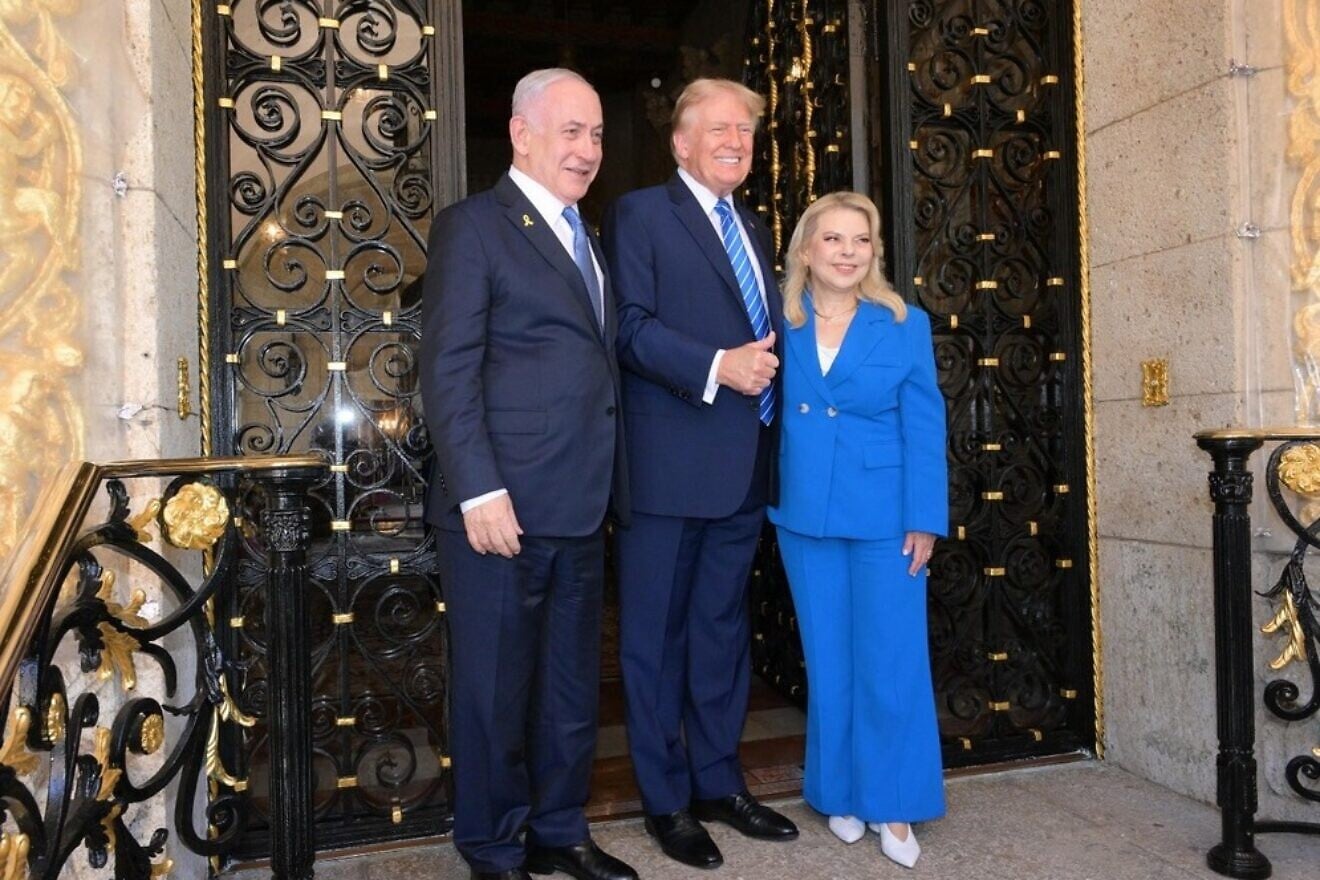
Israeli Prime Minister Benjamin Netanyahu and his wife, Sara, meet Donald Trump at Mar-a-Lago in Palm Beach, Fla., on July 26, 2024. Photo by Amos Ben-Gershom/GPO.

Israeli Prime Minister Benjamin Netanyahu is traveling to the United States this week to meet with U.S. President Donald Trump at Mar-a-Lago in Florida.

The prime minister can hope to get some downtime with his wife, Sara, after two years of leading a difficult war, and testifying in an ongoing corruption trial that has been unraveling, all while leading a fragile coalition in one of the world’s most complex democracies.

There are not many places Israel’s embattled prime minister can travel to since the International Criminal Court issued warrants for his arrest. A visit to the luxurious Trump-owned club at Mar-a-Lago represents as close to a holiday vacation destination as possible.

Yet the essence of the trip is not rest and relaxation. As is most always the case on diplomatic missions to meet an American president, this visit is a high-stakes one.

Reports over the past several weeks have suggested that the prime minister will seek permission to renew attacks against the Islamic Republic of Iran. Yet these reports come from the same journalists, citing so-called anonymous senior sources, who have been attempting to sour the relationship between Trump and Netanyahu. So many of these reports over the past few years have proven to be false. 

That said, the situation with Iran is serious. There are indications that Iran is attempting to rebuild its ballistic missile arsenal as quickly as possible. More complicated than assembling the missiles themselves is rebuilding the missile launchers. As the 12-day war last June raged on, Israel managed to take out more than 50% of Iran’s launch capacity, creating a significant bottleneck.

As Iran struggles to rebuild its missile arsenal, Israel is restocking its missile defense systems.

Additionally, since the war ended, Israel has likely been working covertly to subvert Iran’s Islamic clerical regime and help prepare the groundwork for the domestic overthrow of the Islamic Republic.

Yet Iran is not the only item on Netanyahu’s agenda. Hezbollah continues its attempts to regroup after Israel’s stunning military achievements against it.

Israel succeeded in pushing Hezbollah away from the Israeli border and severely degraded the terror organization’s missile-launching capacity. According to some estimates, that capacity was reduced by as much as 80%.

Yet efforts by the Lebanese army to complete the disarmament of Hezbollah are proving unsuccessful. Israel has been striking with increasing regularity against Hezbollah’s growing violations of the ceasefire agreement signed on Nov. 27, 2024.

Trump would like to see Israel enter into some kind of normalization agreement with Lebanon, but for that to happen, Hezbollah will need to put down its arms or face harsh consequences.

Whether Israel will receive a green light to restart hostilities remains to be seen.

The situation in Syria also remains unstable. A little more than a week ago, the United States conducted its own military strikes in Syria in response to Islamic State-affiliated terrorists killing three American military personnel there. Some have suggested that the terrorists were not only linked to ISIS, but also to former Al-Qaeda terrorist turned president of Syria, Ahmed al-Sharaa, also known by his nom de guerre, Abu Mohammad al-Jolani.

Trump has lifted sanctions against Syria in the hopes of bolstering Al Jolani and bringing Syria into the Saudi and American orbits. Yet there is little indication that the new president can control his forces to protect the many minorities who have been routinely massacred since the fall of former president Bashar Assad. The U.S. president may be running out of patience with al-Jolani.

At the same time, Trump would also like to see Israel enter into some sort of formal defense agreement with Syria.

Yet the most important front to be discussed between the two allies will be Gaza. It has been three months since Israel and Hamas signed the comprehensive 20-point plan to return all remaining Israeli hostages and end hostilities.

Israel withdrew from parts of the Gaza Strip, and currently controls 53% of the territory. Hamas has released all of the living hostages and has been slowly returning the remains of other hostages. At the time of publication, only one body, that of Ran Gvili, remains in the Strip.

Yet Hamas continues to cling to power in the western 47% of Gaza. It has been reestablishing control of the remaining territory by attacking the clan leaders that Israel had been working with in an attempt to create localized leadership alternatives to Hamas.

Trump would like to see the ceasefire agreement transition to Phase 2. This includes the establishment of the “Board of Peace,” chaired by the American president himself. While it remains unclear which countries will join the board, recent reports have suggested that Italy, Germany, Britain, Turkey, Qatar and Egypt could all participate.

Equally important is the possible establishment of an international stabilization force (ISF) to uphold the ceasefire in Gaza. The composition of the stabilization force is a matter of great debate. Turkey is prepared to send troops, but while America is open to the idea, Turkey’s participation in the ISF is a complete non-starter for Israel.

U.S. Secretary of State Marco Rubio recently stated that the mandate of the ISF remains undefined. It is not clear whether ISF troops would engage Hamas directly. If not, the fear is that the ISF will only prevent Israel from striking Hamas leadership and terrorists despite continued ceasefire violations.

Netanyahu has vowed that Hamas will be completely defeated and disarmed, and that the Gaza Strip will be completely demilitarized. Rubio has seconded those calls.

Yet for Israel, there is a growing fear that the United States is prepared to give in to the calls of Qatar, Turkey and Egypt for Hamas to be left intact in nearly half of Gaza.

Instead of anyone else being able to successfully disarm Hamas, Netanyahu hopes for the Israel Defense Forces to be given the green light to launch renewed counterterrorism operations in Gaza.

Trump and his advisers—son-in-law Jared Kushner, and U.S. special envoy to the Middle East and close friend Steve Witkoff—would like to see the tenuous ceasefire hold and hope to advance a modern rebuilding project within the coastal enclave. They dream of a Dubai-style metropolis to be built on the rubble of Gaza.

The trio believes, along with Qatar, that if Gaza were to receive a heavy dose of upward mobility, those who incited against Israel for many years would drop their terror campaign and genocidal ambitions. Israel is not convinced.

Furthermore, Israel is distrustful of Qatar. While the United States has classified Qatar as an important ally, Israel sees the wealthy Gulf state as an enemy nation that houses Hamas leaders and is ultimately trying to protect the Sunni terror organization.

Qatar, Turkey and Egypt all pushed Hamas to accept Phase 1 of the ceasefire agreement and return all the hostages. However, they are apparently uninterested in advancing to Phase 2, which calls for the complete disarmament of Hamas and the demilitarization of the Gaza Strip.

What Qatar wants instead is further Israeli withdrawal, and for the rebuilding effort in Gaza to begin. Qatar is trying to convince Trump that Hamas will change its stripes once given the economic incentive to do so.

The idea that the terror organization that has the destruction of Israel as a major tenet of its charter will suddenly turn into a peaceful entity is absurd.

For Netanyahu himself, the stakes are high as Israel is entering an election season, with polls scheduled for the end of October 2026, but with the possibility of early elections.

The last thing Netanyahu wants is for the opposition and prime ministerial hopefuls to be able to claim that he failed to finish the war, and that his calls for total victory were just wishful thinking. Netanyahu desperately wants to finish the job, to conclusively win the war, and to carry that military victory into the upcoming elections.

While Netanyahu and his first lady could use some time to recharge their batteries, the prime minister will need to be on top of his game this week. As he has done so many times in the past, he will need to advance Israel‘s interest, even when that interest may not be perfectly aligned with the will of the American president.

Netanyahu will need to use all his statesmanship, balanced by his genuine friendship and alliance with the president, who has been the greatest friend of Israel to ever sit in the White House.

If he succeeds, he will get to enjoy a few precious moments of much-needed respite in between the political, legal, diplomatic and military battles that only he can simultaneously manage.
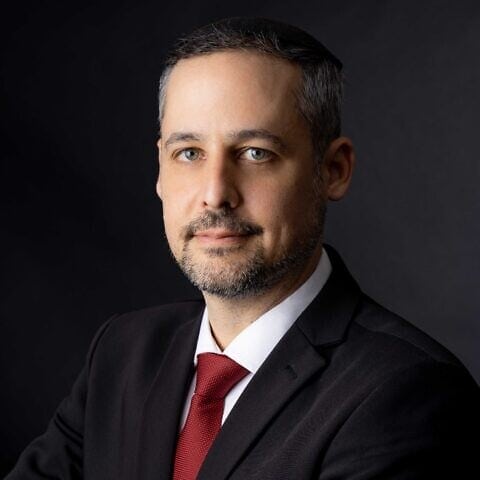

Alex Traiman is the CEO and Jerusalem bureau chief of the Jewish News Syndicate (JNS) and host of “Jerusalem Minute.” A seasoned Israeli journalist, documentary filmmaker and startup consultant, he is an expert on Israeli politics and U.S.-Israel relations. He has interviewed top political figures, including Israeli leaders, U.S. senators and national security officials with insights featured on major networks like BBC, Bloomberg, CBS, NBC, Fox and Newsmax. A former NCAA champion fencer and Yeshiva University Sports Hall of Fame member, he made aliyah in 2004, and lives in Jerusalem with his wife and five children.


Zawartość publikowanych artykułów i materiałów nie reprezentuje poglądów ani opinii Reunion’68,
ani też webmastera Blogu Reunion’68, chyba ze jest to wyraźnie zaznaczone.
Twoje uwagi, linki, własne artykuły lub wiadomości prześlij na adres:
webmaster@reunion68.com

Netanyahu on trial: Case 4000 unravels as witness exposes alleged suppression of exculpatory evidence


Netanyahu on trial: Case 4000 unravels as witness exposes alleged suppression of exculpatory evidence

Alex Traiman


This is no longer merely a trial of a prime minister. It has become a trial of the system that brought him to the dock.

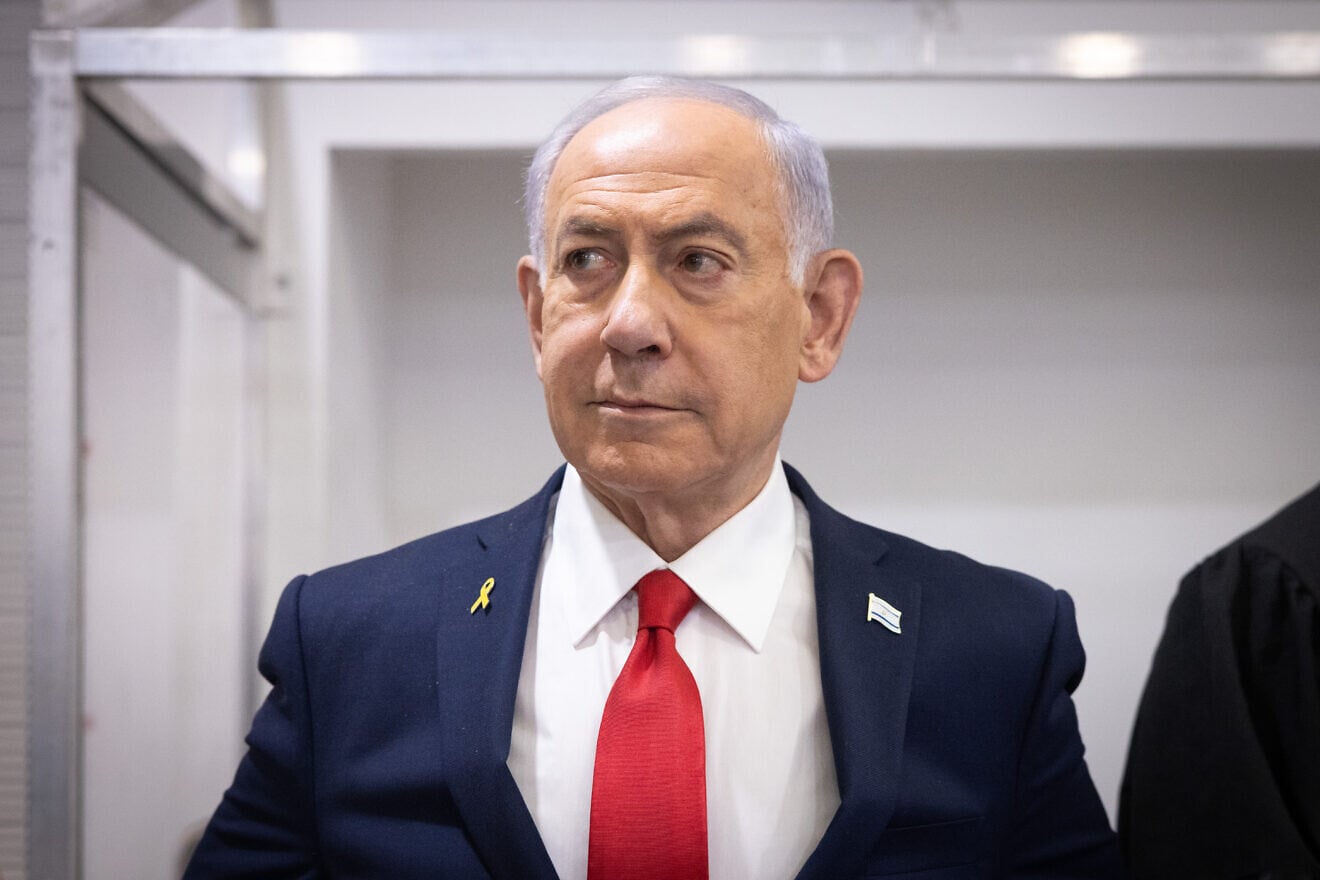
Israeli Prime Minister Benjamin Netanyahu in the Tel Aviv District Court, before the start of his testimony in the trial against him, Oct. 28, 2025. Photo by Miriam Alster/Flash90.

Case 4000—the most serious and consequential of the criminal cases against Israeli Prime Minister Benjamin Netanyahu—has long been portrayed by prosecutors as the centerpiece of their corruption allegations. Yet testimony heard this week in the Jerusalem District Court has intensified claims by Netanyahu’s allies that the case is not merely weak, but compromised by investigative misconduct.

According to Likud spokesman Guy Levy, testimony delivered on Tuesday by Ron Solomon, a serving senior investigator in the Israel Police’s signals intelligence (SIGINT) unit, revealed evidence of intentional suppression of exculpatory material, alteration of professional findings and continued investigative activity even after indictments were filed—all in service of sustaining a narrative that was unraveling under its own weight.

The flagship case and why it mattered most

Among the three cases against Netanyahu—Cases 1000, 2000 and 4000—Case 4000 has always been regarded by prosecutors as the most severe. Unlike the others, it alleged a direct quid pro quo: that Netanyahu, while serving as communications minister, advanced regulatory decisions favorable to Bezeq, Israel’s largest telecom company, owned by Shaul Elovitch, in exchange for favorable coverage on the Walla news site.

Central to that theory is an alleged meeting between Netanyahu and Shlomo Filber, the former director general of the communications ministry, who signed a deal to become a state’s witness in 2018, during his first week in office. The prime minister has consistently denied that such a conversation ever took place.

On the witness stand, Solomon testified that cell phone location data never placed Filber together with Netanyahu at the time of the alleged meeting. According to his testimony, the police had assembled a detailed chronology early in the investigation, demonstrating that the meeting did not occur.

That data, Solomon said, was transferred to the prosecution.

According to Levy, the significance is unmistakable: The prosecution allegedly knew that the foundational claim of the meeting was false, yet indicted Netanyahu anyway while withholding the contradictory location evidence from the defense and the court.

If correct, this would amount to concealment of exculpatory material, misrepresentation to the court and the filing of indictments based on claims known to be untrue.

From ‘favorable coverage’ to ‘exceptional responsiveness’

Solomon’s testimony also addressed the prosecution’s shifting theory regarding media coverage.

Initially, prosecutors alleged that Netanyahu received positive coverage from Walla. During pre-indictment hearings before then–Attorney General Avichai Mandelblit, the defense demonstrated that the coverage was frequently hostile, inconsistent and often negative.

Faced with that reality, the prosecution rebranded the allegation as “exceptional responsiveness” or unusually preferential treatment.

Solomon testified that he was tasked with reviewing Walla’s coverage of Netanyahu’s controversial Election Day 2015 statement warning that Arab voters were turning out “in droves.”

His findings contradicted the prosecution’s narrative. Walla was the third outlet to report the statement, later published a follow-up article debunking Netanyahu’s claim, and framed its coverage in a sharply hostile tone, including accusations of racism from opposition leaders.

Solomon testified that he had submitted these findings to the commander of the police’s financial crimes unit—only to be instructed to delete the information supporting Netanyahu’s position.

According to Solomon, the directive came from above, under guidance from the prosecution.

The big picture

The developments in Case 4000 come against the backdrop of the other cases against Netanyahu, each of which the defense and Likud officials describe as increasingly tenuous.

In Case 1000, prosecutors allege that Netanyahu and his family received gifts, such as cigars, champagne and even a Bugs Bunny doll, valued at approximately $230,000 over many years from wealthy acquaintances. The prosecution concedes there was no specific quid pro quo, arguing instead that accepting gifts constituted a breach of trust because it might have compromised Netanyahu at some undefined future point.

In Case 2000, Netanyahu is accused of discussing a possible quid pro quo with Arnon (“Noni”) Mozes, publisher of Yediot Achronot, under which Netanyahu would advance legislation restricting the free distribution of the pro-Netanyahu daily Israel Hayom in exchange for more favorable coverage. The prosecution openly acknowledges that the quid pro quo never occurred, yet argues that the mere conversation constitutes a criminal breach of trust.

A broader pattern of alleged misconduct

Likud spokesman Levy argues that when viewed together, the cases reflect an unprecedented legal theory: criminal liability without demonstrated corruption, benefit or outcome. The picture that emerges is not of an investigation following evidence, but of evidence being reshaped to fit a predetermined conclusion.

Likud officials further allege that evidence in the cases was illegally collected and then selectively leaked to the media during consecutive election cycles, shaping public opinion and influencing electoral outcomes. They also point to the use of state witnesses who, they claim, were subjected to intense pressure and threatened with severe consequences unless they provided testimony aligning with the prosecution’s theory.

These claims remain contested, but Solomon’s testimony, Levy argues, lends new credibility to longstanding allegations of investigative overreach.

The pardon question

Against this backdrop, Netanyahu recently requested a presidential pardon from Israeli President Isaac Herzog, who possesses the constitutional authority to bring the proceedings to an end.

Supporters of the move argue that after years of political paralysis, repeated elections and deep social division, a pardon would serve the national interest regardless of one’s view of Netanyahu himself.

The issue gained international attention after U.S. President Donald Trump sent a letter to Herzog urging him to grant a pardon, describing the case as politically driven and destabilizing.

Whether Herzog will act remains unclear. But after Solomon’s testimony, pressure on the prosecution—and on Israel’s political leadership—to address the legitimacy of the proceedings is likely to intensify.

A case on trial

Ultimately, the court will determine the weight of Solomon’s testimony and the credibility of the allegations surrounding it. Yet one conclusion is already evident: The case once billed as the prosecution’s strongest is now the one most visibly unraveling.

As Levy put it, Case 4000 is no longer merely a trial of a prime minister. It has become a trial of the system that brought him to the dock.


Alex Traiman is the CEO and Jerusalem bureau chief of the Jewish News Syndicate (JNS) and host of “Jerusalem Minute.” A seasoned Israeli journalist, documentary filmmaker and startup consultant, he is an expert on Israeli politics and U.S.-Israel relations. He has interviewed top political figures, including Israeli leaders, U.S. senators and national security officials with insights featured on major networks like BBC, Bloomberg, CBS, NBC, Fox and Newsmax. A former NCAA champion fencer and Yeshiva University Sports Hall of Fame member, he made aliyah in 2004, and lives in Jerusalem with his wife and five children.


Zawartość publikowanych artykułów i materiałów nie reprezentuje poglądów ani opinii Reunion’68,
ani też webmastera Blogu Reunion’68, chyba ze jest to wyraźnie zaznaczone.
Twoje uwagi, linki, własne artykuły lub wiadomości prześlij na adres:
webmaster@reunion68.com


Rozbite okna zabijają Żydów


Rozbite okna zabijają Żydów

Paul Finlayson


Jednym z najbardziej niebezpiecznych mitów współczesnego życia politycznego jest przekonanie, że ruchy przemocowe objawiają się od razu w pełnej formie — że istnieje wyraźny podział moralny między „zwykłymi protestującymi” a „ekstremistami”, między słowem a rozlewem krwi.

To pocieszające bzdury.

Przemoc nie pojawia się nagle i w pełnej krasie. Wyłania się stopniowo, w wyniku testowania granic. W każdej masowej mobilizacji nie mamy do czynienia z jednorodną postawą moralną, lecz z rozkładem. Większość to osoby po prostu złe, zagubione albo inscenizujące swoją urazę dla zdobycia uznania. Dalej pojawiają się stopniowe odcienie: ci, którzy rozkoszują się podburzającą retoryką; ci, którzy normalizują groźby; ci, którzy czerpią satysfakcję z zastraszania; ci, którzy są gotowi do wandalizmu; ci, którzy dopuszczają się napaści — i wreszcie nieliczna, lecz decydująca mniejszość, która zabije, jeśli jej się na to pozwoli.

Gdy pozwalamy na działania z niższego szczebla, pojawiają się te z wyższego. Retoryka twardnieje w groźbę, groźba przechodzi w działanie, a działanie kończy się okrucieństwem — pogromy w Amsterdamie, rzeź na plaży w Bondi, zabójstwa w Nowym Jorku. Nic z tego nie dzieje się nagle. To proces narastający.

Co kluczowe, niemal żadna z tych osób nie wie z góry, gdzie leży ich granica. Ich ograniczenia nie są wewnętrzne. Odkrywają je dopiero wtedy, gdy zostaną im objawione. Ludzie posuwają się tak daleko, jak im się pozwoli. Jeśli nikt ich nie zatrzyma — idą dalej.

To właśnie ta obserwacja stała u podstaw teorii „rozbitych okien”, z sukcesem zastosowanej w Nowym Jorku lat 90. przez burmistrza Rudy’ego Giulianiego. Zajmij się drobnymi naruszeniami porządku — graffiti, wandalizmem, jazdą na gapę, zastraszaniem w przestrzeni publicznej — a poważniejsza przestępczość się nie rozwinie. Nieład wysyła sygnał przyzwolenia. Egzekwowanie prawa — sygnalizuje granice.

Rezultat był mierzalny, nie teoretyczny. Przemoc, rozboje i morderstwa gwałtownie spadły. Miasto, które było synonimem chaosu, stało się jednym z najbezpieczniejszych w Ameryce Północnej. Wniosek był jasny: granice działają.

Nieład nie jest stanem stałym — to forma eksploracji. Drobne naruszenia nie są nieszkodliwe — to sygnały. Jeśli tolerujemy graffiti, pojawi się wandalizm. Jeśli zignorujemy wandalizm, pojawi się kradzież. Jeśli usprawiedliwimy kradzież, nadejdzie przemoc. Tak działa nie tylko przestępczość uliczna, ale i radykalizacja. Zaniechanie reakcji na pierwsze wykroczenia nie utrzymuje pokoju. Ono produkuje eskalację.

Dziś rozbite okna są retoryczne, instytucjonalne i moralne — a Żydzi stoją bezpośrednio pod nimi.

Jesteśmy już dawno poza etapem, w którym można to sprowadzać do debaty o wolności słowa. Kanada, Wielka Brytania i Australia mają już odpowiednie przepisy. Propaganda nienawiści jest przestępstwem. Publiczne groźby i nawoływanie do przemocy to przestępstwa. Wzywanie do eksterminacji narodu to przestępstwo.

Brakuje nie prawa, lecz determinacji. Nasza policja, uczelnie, instytucje publiczne gotują się w mętnej zupie ambicji, tchórzostwa i antysemityzmu — bez etykiety, bez podania proporcji — a jednocześnie serwują społeczności żydowskiej frazesy i nazywają to troską.

Wykrzykiwanie „Żydzi do gazu”, wzywanie do „Intifady teraz”, hasła „Od rzeki do morza”, nazywanie Żydów pedofilami czy przedstawianie ich zbiorowo jako morderców dzieci — to nie prowokacyjne komentarze. To — w świetle obowiązującego prawa — przestępstwa. Ustawodawstwo to uznaje. To, co zawiodło, to egzekwowanie prawa.

A gdy prawo nie jest egzekwowane, pierwsze w co uderzy kamień — to szyba.

W całej Kanadzie i na Zachodzie metafora stała się dosłowna. Szyby są tłuczone. Szkło jest wybijane do środka. Odłamki rozsypują się po chodnikach i kampusach, podczas gdy władze stoją z założonymi rękami, zapewniając opinię publiczną, że sytuacja jest „skomplikowana”.

Na Uniwersytecie Metropolitalnym w Toronto demonstranci próbowali siłą wedrzeć się na spotkanie z izraelskim prelegentem, atakując ochronę. Policja przybyła z opóźnieniem i interweniowała ostrożnie. Nikogo nie aresztowano. Odwołano się do „kontekstu”. Wspomniano o „relacjach społecznych”.

Na Uniwersytecie York profesorowie obrzucili farbą — przypominającą krew — księgarnię Chapters, po czym spokojnie wrócili do życia akademickiego, gdy szkło zostało już zamiecione, a formalności dopełnione. W USA profesor z Cornell, który określił masakrę z 7 października jako „ekscytującą”, udał się na krótką przerwę, po czym powrócił do nauczania, a jego słowa potraktowano jako chronione prawem wypowiedzi — zamiast jako jawne, podżegające do przemocy oświadczenie.

W Kolumbii Brytyjskiej, na Langara College, profesor, który również wychwalał te same zbrodnie, został zawieszony na kilka miesięcy, po czym przywrócony do pracy — po tym, jak orzeczono, że jego wypowiedź była chroniona. W każdym z tych przypadków pękła szyba — i nic się nie stało, poza dźwiękiem kolejnych wymówek.

Na tym tle Uniwersytet w Guelph i Humber College wyróżniają się negatywnie.

O ile wiem, to jedyne uczelnie wyższe w Kanadzie, które zwolniły profesora za wyrażenie poparcia dla Izraela i trafne porównanie Hamasu do nazistów, a jednocześnie tolerowały — i wręcz aktywnie wspierały przez formalne sojusze z sympatykami Hamasu — ogromne ilości jawnie antysemickiej retoryki w swoich murach.

Gdzie indziej szyby pękają, a tłum posuwa się naprzód. Tu szyba jest naprawiana tylko po to, by ukarać nie tego, kto ją rozbił.

Te dwie instytucje mogą być na innych polach akademicką przeciętnością, ale w igrzyskach bigoterii, tchórzostwa i moralnej kapitulacji przed antysemickim motłochem rywalizują na najwyższym poziomie.

W Montrealu propalestyńskie zamieszki przerodziły się w podpalenia i palenie pojazdów. W Toronto z drzwi starszych osób zrywa się mezuzy. W Europie synagogi są obrzucane koktajlami Mołotowa, a żydowskie domy oznaczane jako cele. W Stanach Zjednoczonych tłumy zajmują budynki uczelni, zastraszają żydowskich studentów i jawnie chwalą masowe mordy, a administratorzy zamiast wprowadzać dyscyplinę — negocjują warunki.

To nie przypadek. To sekwencja.

Teoria rozbitych okien nigdy nie dotyczyła wyłącznie wandalizmu. Chodziło o przyzwolenie. Gdy pierwsza szyba zostaje wybita, a nic się nie dzieje — nie ma aresztowania, nie ma sankcji, nie ma jednoznacznego potępienia — sygnał zostaje odebrany. Odłamki zostają na ziemi. Pęknięcie się powiększa. To, co zaczęło się od słów, przechodzi w działanie. To, co zaczęło się od hasła, staje się pchnięciem. To, co zaczęło się od zastraszenia, staje się napaścią. Każdy nieukarany akt mówi następnemu sprawcy, że bariera już pękła.

Dlatego twierdzenia, że trzeba wyrzucić z centrum handlowego osobę w bluzie IDF „dla bezpieczeństwa”, są prawnie i logicznie odwrócone. Zagrożenie nie pochodzi od spokojnie stojącej osoby pod nietkniętą szybą. Pochodzi od tłumu, który już nauczył się, że może bezkarnie niszczyć. Karanie widocznej mniejszości przy jednoczesnym pobłażaniu zagrażającej większości to nie zarządzanie ryzykiem. To kapitulacja.

Prawo nie zniknęło. Po prostu się przez nie patrzy — jak przez szybę już rozbitą, z framugą wciąż stojącą, ale bez funkcji.

I to zaniechanie jest nieustannie przedstawiane jako rozwaga.

Widziałem, jak policja stoi z boku, gdy wykrzykiwane są groźby, gdy trwa zastraszanie — raz po raz. Dzieje się to w Australii. Dzieje się to w Kanadzie. Dzieje się to w Wielkiej Brytanii. Wzorzec jest stały: prawo istnieje, władza istnieje, lecz egzekwowanie jest wstrzymywane ze strachu — przed odwetem, przed niepokojami, przed oskarżeniami o stronniczość. Ale przede wszystkim ze strachu przed tymi, którzy wydają się żyć na krawędzi przemocy.

To nie jest neutralność. To moralne tchórzostwo przebrane za mądrość.

Starożytni rozumieli tę dynamikę długo przed tym, jak współczesne biurokracje nauczyły się nazywać paraliż „powściągliwością”.


Publiliusz Syrus
, rzymski pisarz i moralista z I wieku p.n.e., ujął to brutalnie jasno:

„Kto oszczędza winnego, krzywdzi niewinnego.”

Brak egzekwowania prawa nie jest powściągliwością. Jest szkodą.
Kiedy państwo odmawia działania wobec tych, którzy łamią prawo, przerzuca koszt tej decyzji na tych, którzy go przestrzegają — to niewinni płacą za pobłażliwość wobec winnych.

Słyszymy, że egzekwowanie prawa pogorszy sytuację, że interwencja zaogni napięcia, że wycofanie się to postawa odpowiedzialna.
Ale społeczeństwo, które odmawia egzekwowania własnych zasad ze strachu przed reakcją, już porzuciło rządy prawa — nie dramatycznie, lecz po cichu.
Prawo nie znika nagle. Ono się eroduje.

To zaniechanie sięga dziś nie tylko retoryki, ale także przestrzeni fizycznej.

Blokowanie ulic, blokowanie przejść dla pieszych, klękanie do fałszywej modlitwy w środku centrum handlowego czy korytarzy komunikacji miejskiej — to nie są starożytne obyczaje cudownie odkryte na nowo.
To się nie działo dziesięć lat temu.
To nie są spontaniczne akty pobożności.
Ludzie są wolni, by modlić się w domach. Są wolni, by modlić się w miejscach kultu. Ta wolność nigdy nie była zagrożona.

Nowością jest twierdzenie, że tożsamość religijna daje prawo do zawłaszczania przestrzeni publicznej, zakłócania porządku obywatelskiego i narzucania się innym wedle uznania.

To też jest rozbite okno.

Modlitwa publiczna, która celowo zakłóca życie publiczne, nie ma nic wspólnego z Bogiem. Nie ma nic wspólnego z duchowością. To akt polityczny — deklaracja dominacji.
To mówi: będziemy robić, co chcemy, gdzie chcemy, a wy będziecie nas znosić.
To mówi: jesteśmy następni na ich liście.
To groźba, nie modlitwa — albo może modlitwa, która błaga Boga o przemoc wobec świata „Dhimmi”.

I to się dzieje tylko z jednego powodu: bo jest tolerowane.
To, co tolerowane — staje się normą.
To, co staje się normą — eskaluje.

Media wzmacniają tę kapitulację.

Kanadyjskie media — CBC, CTV, Globe and Mail, Toronto Star, Global TV, a nawet National Post — wykazują zdumiewającą niechęć do nazwania antysemityzmu po imieniu, gdy ten przybiera współczesną ideologiczną formę.

Gdy ratowniczka medyczna z North York oskarżyła Żydów o zwabienie dzieci na wysypisko w Gazie w celu ich zamordowania — czyli powtórzyła groteskową współczesną wersję średniowiecznego oszczerstwa o mord rytualny — reakcją mediów nie było podkreślenie powagi i przestępczego charakteru jej słów.
Reakcją było współczucie dla jej konsekwencji zawodowych.

Treść zarzutu — jawna dehumanizacja Żydów — została potraktowana jako sprawa drugorzędna.

Ale to nie była po prostu obraźliwa wypowiedź. To była propaganda nienawiści, wprost objęta przepisami Kodeksu karnego (art. 318, 319).
Brak jednoznacznego nazwania tego złem nie był dziennikarską ostrożnością. Był moralnym znieczuleniem. Kolejna szyba, której nikt nie naprawił.

Uniwersytety poszły tą samą ścieżką, z jeszcze większym zapałem.

Na kampusach kanadyjskich — także na moim — sytuacja dawno przekroczyła granice insynuacji.

Profesorowie publicznie określali Żydów mianem Untermenschen — podludzi.

Opisują Żydów jako czcicieli diabła i satanistów.
Zarzucają im zbiorową kolaborację z nazistami.
To nie są prywatne wypowiedzi ani pomyłki skorygowane po fakcie.
To są słowa wypowiadane otwarcie, przez wykładowców związanych z administracją uczelni.

Zawiadamiani są wyżsi administratorzy i „oficerowie ds. praw człowieka”.
Nie następuje żadna reakcja.

Moje zwolnienie za to, że byłem jedynym głosem przeciwko chórowi instytucjonalnej nienawiści wobec Żydów, nie było wyjątkiem, lecz symptomem nowej normy, w której instytucje aresztują i karzą nie sprawców, lecz tych, którzy odważą się im przeciwstawić.

Rzeczywiście, Żydzi i ci, którzy publicznie identyfikują się z Izraelem, są zatrzymywani, przesłuchiwani lub usuwani tylko za samo istnienie.
W Wielkiej Brytanii aresztowano mężczyznę za noszenie gwiazdy Dawida — uznając, że jego widoczność stanowi prowokację.
W Kanadzie żydowscy przechodnie byli rozpraszani lub zatrzymywani, choć nie robili nic — podczas gdy tłumy wokół dopuszczały się gróźb i wandalizmu, a reakcje służb były pełne powściągliwości.

Przekaz nie mógłby być bardziej wyraźny:
jedna strona ma licencję na sianie grozy,
druga — jest karana za samą obecność.
Obecność staje się winą.
Tożsamość — przestępstwem.

To przewidywalny skutek selektywnego egzekwowania prawa pod płaszczykiem wrażliwości.

Prawo człowieka, jeśli egzekwowane uznaniowo, a nie zasadniczo, staje się prawem kapryśnym.

Uczy tłumy, jak daleko mogą się posunąć — pokazując, co nie będzie ukarane.
Każda nietknięta szyba zaprasza do sięgnięcia po kolejny kamień.
Każda tolerowana groźba zaostrza kolejną.
A gdy prawo w końcu interweniuje, nie spada na tych, którzy szybę wybili, ale na tych, którzy stali za nią.

Gdy taki przekaz zostaje wysłany, eskalacja przebiega zgodnie z logiką, nie emocjami.

Gdy kara dotyka tylko jednej strony moralnej skali, druga posuwa się naprzód.
Ludzie uczą się, że retoryka jest bezpieczna.
Potem groźby.
Potem zastraszanie.
Potem nękanie.
Potem przemoc — pobicie Żyda, rzucenie kamieniem w synagogę, zerwanie mezuzy z drzwi.

A potem — rozstrzelanie dziesięcioletnich dzieci i ich rodzin na małym mostku z widokiem na plażę podczas obchodów Chanuki.

Instytucje i politycy pocieszają się, że zareagują, „gdy zajdzie za daleko”.
Ale wtedy ta granica już się przesunęła.
Co będzie „za daleko” za rok?
Czy zabicie dwóch Żydów będzie dopuszczalne, bo „to przecież nie trzech”?
Czy wybicie szyb w żydowskich sklepach będzie „akceptowalne”, dopóki nikt nie podpala?

I tu najbardziej liczy się jasność.
Kiedy ludzie mówią, że będą kolejne Bondi, to nie cyniczna rozpacz nad „schodzącym na psy” społeczeństwem.

To nie proroctwo. To nie histeria.
To empiryczna, psychologiczna ocena tego, jak ludzie zachowują się, gdy znika granica.

Teoria rozbitych okien to nie moralna metafora — to prognoza.


Przyzwolenie na naruszenia
,
przyzwolenie na groźby przemocy,
przyzwolenie na propagandę nienawiści
— to nie są odosobnione błędy.
To wskaźniki wiodące.


Jeśli to się utrzyma, będą kolejne Bondi.

Nie dlatego, że ludzie są szczególnie źli.
Lecz dlatego, że instytucje zdecydowały się nie egzekwować zasad, które powstrzymują zwykłe ludzkie impulsy.

To mówi teoria rozbitych okien.
To potwierdza psychologia.
To notuje historia.

Po Kristallnacht nikt nie miał już wątpliwości, co naprawdę znaczą rozbite szyby.


Jutro idę do centrum handlowego i zakładam bluzę IDF
 — nie jako prowokację.

Nie po to, by testować teorię.
Lecz jako zwykły fakt obywatelski: w cywilizowanym społeczeństwie, jako cywil chodzący po ulicach, mam prawo nosić bluzę IDF.

Jeśli ten zgodny z prawem akt wywoła groźby lub przemoc, to nie ja sprowokowałem.
Po prostu skorzystałem z wolności, która należy do mnie jako kanadyjskiego obywatela — i której nie zamierzam się wyrzec tylko dlatego, że nasze ulice są dziś traktowane jak własność brutalnych, antysemickich zbirów.

Dam znać, jak poszło.


Link do oryginału: https://www.freedomtoffend.com/p/broken-windows-are-killing-jews

Freedom to Offend, 21 grudnia 2025


Zawartość publikowanych artykułów i materiałów nie reprezentuje poglądów ani opinii Reunion’68,
ani też webmastera Blogu Reunion’68, chyba ze jest to wyraźnie zaznaczone.
Twoje uwagi, linki, własne artykuły lub wiadomości prześlij na adres:
webmaster@reunion68.com


The Maccabees of Bondi Beach


The Maccabees of Bondi Beach

Nicole Wizman


On Hanukkah night, amid terror and confusion, the true story was written by Jews who ran toward danger to protect one another

Gefen Bitton / Cayli Barr / gofundme.org

On the first night of Hanukkah, the Jewish community was thrust into another nightmare, when at least 15 people were killed and more than 40 wounded in a mass shooting by a father-son duo at a Chabad event in Bondi Beach. Those killed in the attack included a 10-year-old named Matilda Bee Britvan, whose family moved to Australia to escape the war in Ukraine, and Alex Kleytman, a Holocaust survivor killed while trying to shield his wife. Australian authorities later confirmed that the gathering had been deliberately targeted and meticulously planned, marking one of the deadliest antisemitic attacks in the country’s history.

In the hours and days that followed, one story quickly rose above the rest. Footage circulating online showed a heroic bystander, later identified as Ahmed al-Ahmed, rushing toward one of the attackers and wrestling a gun out of the terrorist’s hands.

As the footage spread rapidly across social media and news broadcasts, it soon came to dominate the public conversation, increasingly framing the attack as a story of Muslim-Jewish reconciliation rather than an act of antisemitic violence, with Ahmed al-Ahmed becoming the central figure through which the massacre was understood. This reframing allows Australia to look away from its deeper failures that made the attack possible. It also obscures another critical fact: that there were many Jews at the event who also behaved with unbelievable heroism and bravery, whose names have been largely absent from the narrative.

It is obvious that the Australian state failed in its fundamental responsibility to protect its people. For one, the attack was perpetuated by an Indian national and his son who had documented ties to ISIS and were on Australia’s intelligence agency radar since 2019—yet had somehow been allowed to stay in the country. For another, missing from most of the coverage is the past two years of increasingly explicit antisemitic rhetoric in Australia, including pro-Palestinian demonstrations featuring chants such as “Gas the Jews” and “Long live the intifada,” alongside repeated acts of vandalism against Jewish places of worship. There are also allegations that the police failed to act with adequate haste to protect the Jews at the event.

Hanukkah commemorates that insistence on Jewish strength and dignity. We are not victims waiting in the dark for someone else to save us.

Survivor Vanessa Miller recalled that as gunfire rained down, police were “standing there, listening, and watching this all happen, holding me back” as she tried to convince them to let her take the gun off the wounded officer and shoot at the terrorists. Miller was not alone in her impulse to defend the community, acting on the understanding that no meaningful protection was forthcoming from the authorities.

Reuven Morrison, a member of the local Chabad known for his generosity and for donating earnings to charity, lost his life while confronting the gunmen in his own bid to protect the Jewish community. According to his daughter, Sheina Gutnick, in an interview with CBS, Morrison ran toward the danger as soon as the shots rang out, hurling bricks at one of the attackers in an attempt to disrupt the assault and slow the carnage. “I believe after Ahmed managed to get the gun off the terrorist, my father had then gone to try and unjam the gun, to try and attempt shooting. He was screaming at the terrorist,” she said. Originally from the former Soviet Union, Morrison had come to Australia to seek safety from antisemitism and to be able to afford a better life for his family. One year earlier (almost to the day), Morrison had warned in an ABC interview that antisemitism was rising and that Jewish vigilance was becoming a way of life again.

Chaya Mushka Dadon, 14, daughter of Chabad Rabbi Menachem and Shterny Dadon, was shot protecting young girls stranded beside their wounded parents, leaving her own hiding place to get to them. She dragged the children to cover and then lay over them, taking a bullet to her thigh while she recited prayers. Chaya refused to move a limb until help came and her father found her. Her surgeons later removed the bullet, and she is expected to make a full recovery. The little girls she flung herself over also are safe thanks to Chaya’s bravery.

Boris and Sudia Gurman, a couple in the area when the shooting started, were incredible heroes, with dashcam footage showing Boris exiting his vehicle, running at the terrorist, wrestling with him on the ground, and briefly gaining control of the gun while Sofia rushed close behind. Both were shot during the struggle and pronounced dead at the scene.

Leibel Lazaroff, 20, amid the shooting, rushed to aid a wounded police officer, tore off his shirt to fashion into a tourniquet, pressing it against the officer’s wound. As the attack unfolded, Lazaroff heard his rabbi and mentor, Rabbi Eli Schlanger, screaming that one of the terrorists was advancing toward a van filled with people. Lazaroff pleaded with the wounded officer to act, asking for the officer’s weapon, and telling him he was licensed, trained, and knew how to use it. Before anything further could happen, Lazaroff was shot and wounded. He survived, but watched his rabbi and mentor be murdered feet away. Lazaroff is currently recovering in the ICU. Those who know him say he understood the risk he was taking and accepted it anyway.

Geffen Bitton, 30, an Israeli who had been living in Australia for roughly three years, has recently been identified as the man in the red T-shirt who ran behind Ahmed al-Ahmed to confront and disarm the terrorist. Bitton initially escaped to safety, but when he saw one of the attackers advancing near the footbridge, he turned back. In the moments that followed, Bitton was shot, fell to the ground, and was shot again. He remains in intensive care, unresponsive, after undergoing multiple surgeries for severe internal injuries caused by shattered pelvic bone fragments. Friends say his decision to run back was instinctive, a reflection of who he is. His father has since flown to Sydney to be by his bedside as friends and family keep vigil.

These are the stories that deserve recognition. All who intervened, Ahmed al-Ahmed and the Jewish community members who rushed toward danger, are heroes. But their stories hold a message for the Jewish community specifically: We must remember who we are. We are lions. The Maccabees understood this when they faced impossible odds and refused to submit. Hanukkah commemorates that refusal, that insistence on Jewish strength and dignity in a world that has never guaranteed our safety.

In an antisemitic climate where leaders offer empty platitudes in lieu of protection, we cannot afford to forget our own power. We must tell these stories of Jewish heroism because, evidently, no one else will. The murdered and wounded of Bondi Beach were defended by those who understood that Jewish survival demands Jewish courage. To be proud, celebrate without fear, and take up space. As we light the final Hanukkah candles this year, these heroes remind us: We are not victims waiting in the dark for someone else to save us. We are the light that pushes back.


Nicole Wizman is The Scroll’s editorial intern.


Zawartość publikowanych artykułów i materiałów nie reprezentuje poglądów ani opinii Reunion’68,
ani też webmastera Blogu Reunion’68, chyba ze jest to wyraźnie zaznaczone.
Twoje uwagi, linki, własne artykuły lub wiadomości prześlij na adres:
webmaster@reunion68.com


A French Court Acquitted a Nanny Who Poisoned a Jewish Family of Antisemitism. Now Prosecutors Are Appealing.


A French Court Acquitted a Nanny Who Poisoned a Jewish Family of Antisemitism. Now Prosecutors Are Appealing.

Ailin Vilches Arguello


Procession arrives at Place des Terreaux with a banner reading, “Against Antisemitism, for the Republic,” during the march against antisemitism, in Lyon, France, June 25, 2024. Photo: Romain Costaseca / Hans Lucas via Reuters Connect

Prosecutors in France have appealed a court ruling that convicted a nanny of poisoning the food of the Jewish family for whom she worked but cleared her of antisemitism charges, in the latest flashpoint as French authorities grapple with an ongoing nationwide surge in antisemitism.

On Tuesday, the public prosecutor’s office in Nanterre, just west of Paris, announced it had appealed a criminal court ruling that acquitted the family’s nanny of antisemitism-aggravated charges after she poisoned their food and drinks.

Last week, the 42-year-old Algerian woman was sentenced to two and a half years in prison for “administering a harmful substance that caused incapacitation for more than eight days.”

Residing illegally in France, the nanny had worked as a live-in caregiver for the family and their three children — aged two, five, and seven — since November 2023.

The French court declined to uphold any antisemitism charges against the defendant, noting that her incriminating statements were made several weeks after the incident and recorded by a police officer without a lawyer present

The family’s lawyers described the ruling as “incomprehensible,” insisting that “justice has not been served.”

The nanny, who has been living in France in violation of a deportation order issued in February 2024, was also convicted of using a forged document — a Belgian national identity card — and barred from entering France for five years.

First reported by Le Parisien, the shocking incident occurred in January last year, just two months after the caregiver was hired, when the mother discovered cleaning products in the wine she drank and suffered severe eye pain from using makeup remover contaminated with a toxic substance, prompting her to call the police.

After a series of forensic tests, investigators detected polyethylene glycol — a chemical commonly used in industrial and pharmaceutical products — along with other toxic substances in the food consumed by the family and their three children.

According to court documents, these chemicals were described as “harmful, even corrosive, and capable of causing serious injuries to the digestive tract.”

Even though the nanny initially denied the charges against her, she later confessed to police that she had poured a soapy lotion into the family’s food as a warning because “they were disrespecting her.”

“They have money and power, so I should never have worked for a Jewish woman — it only brought me trouble,” the nanny told the police. “I knew I could hurt them, but not enough to kill them.”

According to her lawyer, the nanny later withdrew her confession, arguing that jealousy and a perceived financial grievance were the main factors behind the attack.

At trial, the defendant described her statements as “hateful” but denied that her actions were driven by racism or antisemitism.

The appeal comes as France continues to face a steep rise in antisemitic incidents in the wake of the Palestinian terrorist group Hamas’s Oct. 7, 2023, invasion of and massacre across southern Israel.

In a disturbing new case, French authorities have also opened an investigation after a social media video went viral showing a man harassing a young Jewish child at a Paris airport, shouting “free Palestine” and calling him a “pig.”

Widely circulated online, the video shows a young boy playing a video game at Paris’s Charles de Gaulle Airport when a man approaches, grabs his toy, and begins verbally assaulting him.

“Are you gonna free Palestine, bro?” the man, who remains off-camera, yells at the boy.

“If you don’t free them, I’ll snatch your hat off, bro,” the assailant continues, referring to the child’s kippah.
.

The man is also heard repeatedly telling the child, “Dance, pig,” while the confused and frightened boy is seen trying to comply

Local police confirmed that an investigation has been launched into the incident, classified as violence based on race, ethnicity, nationality, or religion, as authorities work to identify the individual and bring him to justice.

Paris police chief Patrice Faure expressed his “outrage at these unacceptable and intolerable remarks,” promising that the incident “will not go unpunished.”

Yonathan Arfi, president of the Representative Council of Jewish Institutions of France (CRIF) — the main representative body of French Jews — condemned the incident, calling it “yet another illustration of the climate of antisemitism that has prevailed in Europe” since the Hamas-led atrocities of Oct. 7, 2023.


Zawartość publikowanych artykułów i materiałów nie reprezentuje poglądów ani opinii Reunion’68,
ani też webmastera Blogu Reunion’68, chyba ze jest to wyraźnie zaznaczone.
Twoje uwagi, linki, własne artykuły lub wiadomości prześlij na adres:
webmaster@reunion68.com