Archive | January 2026

Miłość lewicy/progresywnych do irańskich ajatollahów


Miłość lewicy/progresywnych do irańskich ajatollahów

Paul Finlayson


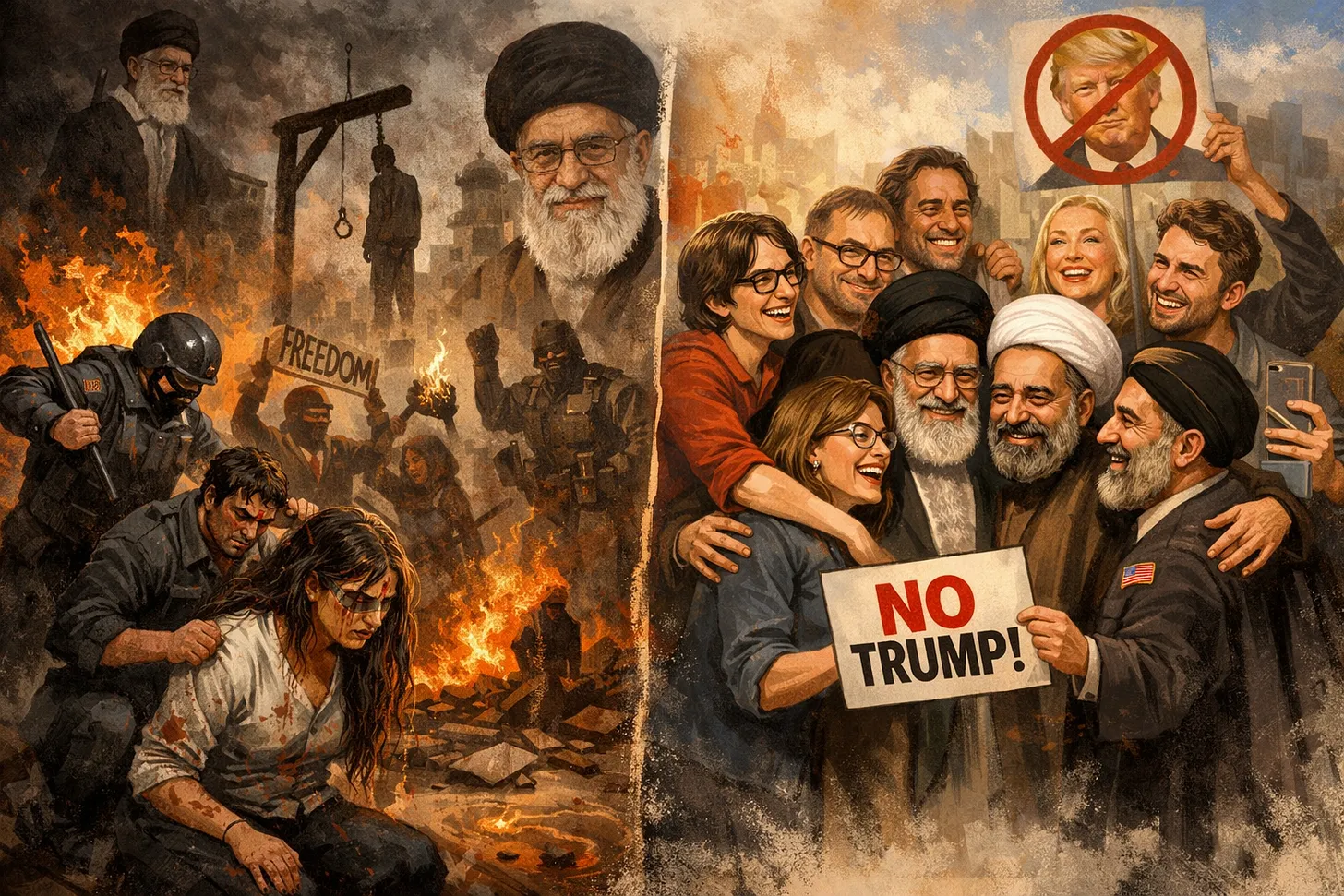
W zachodniej polityce progresywnej istnieje osobliwa tendencja do doszukiwania się ofiar tam, gdzie ich nie ma. To nie przypadek, lecz instynkt — i obecnie przejawia się w pełni w pobłażliwym traktowaniu Islamskiej Republiki Iranu.

To reżim, który co roku wykonuje setki egzekucji swoich obywateli, więzi tysiące za słowa, ubiór czy sprzeciw, i strzela do protestujących na ulicach, gdy kończy mu się cierpliwość. Ta przemoc nie jest incydentalna — jest systemowa. W ostatnich dniach protesty wywołane załamaniem gospodarczym rozprzestrzeniły się poza Teheran, obejmując prowincjonalne regiony Iranu, w tym zamieszkane przez mniejszości, od dawna zaniedbywane przez klerykalne państwo. Już co najmniej siedem osób zginęło.

To największe protesty od 2022 roku, napędzane nie tylko inflacją, gwałtownym spadkiem wartości riala i jego przyspieszającą deprecjacją, ale także hasłami bezpośrednio wymierzonymi w teokrację. Niedobory chleba są iskrą — czterdzieści pięć lat represji to paliwo.

Iran należy do światowej czołówki pod względem liczby egzekucji w przeliczeniu na mieszkańca. Klerykalne rodziny gromadzą ogromne majątki, podczas gdy zwykli Irańczycy ustawiają się w kolejkach po chleb, leki i wizy wyjazdowe. Wstępne sygnały prezydenta Masouda Pezeshkiana o „dialogu” giną w huku pałek i strzałów — jak zawsze, gdy reżim czuje, że traci kontrolę. Nikt temu nie zaprzecza. To wszystko jest udokumentowane, nagrane i opisane — kiedy w ogóle jest relacjonowane. To, co się dzieje, nie jest po prostu kolejną falą protestów ekonomicznych, lecz dobrze znanym irańskim schematem: finansowy upadek obnaża moralne bankructwo, a reżim odpowiada nie reformą, lecz przemocą.

A jednak w zachodnich stolicach i miasteczkach akademickich reżim został starannie opakowany na nowo — jako niezrozumiana ofiara „zachodniej agresji”. Nie naród irański — kobiety zrywające hidżaby, studenci skandujący przeciwko Najwyższemu Przywódcy, robotnicy strajkujący mimo pewności aresztu — lecz sam reżim. „Iran” traktowany jest tak, jakby był tożsamy z jego władcami, podczas gdy ludzie bici, więzieni i mordowani są wymazywani z obrazu.

Widziałem tę przewrotność na własne oczy, gdy mój własny związek zawodowy, CUPE, ogłosił akcję, którą określił jako „proirańską”. Niezależnie od intencji, język tej deklaracji idealnie współgrał z interesami ajatollahów, a nie ich ofiar. To była solidarność bez dysydentów, współczucie bez refleksji i polityka uprawiana wyłącznie na poziomie sloganów.

Błąd moralny nie jest tu subtelny. Oburzenie dawkuje się według ideologii, a tyrania zostaje przebaczona, o ile tylko obraża właściwych wrogów. Nie naród irański. Reżim.

To nie jest pomyłka. To odruch.

Iranem rządzi dziś gerontokratyczna kasta kleryków, która przez 45 lat tłumiła sprzeciw, kontrolowała kobiece ciała, wieszała homoseksualistów, eksportowała terror za pomocą proxy i doprowadziła kraj do moralnego i ekonomicznego upadku. Tysiące Irańczyków siedzi w więzieniach za słowa. Setki zostały zabite od czasu rozpoczęcia powstania „Kobieta, Życie, Wolność”, zapoczątkowanego śmiercią młodej kobiety, która nie dość starannie nosiła hidżab — Mahsy Amini. To nie są sporne fakty. To życiorys reżimu.

A jednak w Londynie, Toronto, Nowym Jorku czy Paryżu odbywają się wiece progresywnej lewicy, potępiające „zachodnią agresję wobec Iranu”, ostrzegające przed eskalacją i żądające zniesienia sankcji — przy jednoczesnym zdumiewającym przemilczeniu. Slogany mówią wszystko: „Ręce precz od Iranu”, „Przestańcie bombardować Iran”. Rzadko „Precz z ajatollahami”. Rzadko „Wolność dla Irańczyków”.

To rozróżnienie nie jest semantyczne. Jest moralne.

Sprzeciw wobec wojny to uzasadnione stanowisko. Pobłażanie tyranii — już nie. To, czego jesteśmy świadkami, to najstarszy i najbardziej kompromitujący nawyk lewicy: mylenie antyzachodniości z powagą moralną. Jeśli reżim definiuje się jako przeciwnik Ameryki lub Izraela, otrzymuje warunkowe rozgrzeszenie moralne — bez względu na to, jak barbarzyńskie są jego rządy.

To ta sama choroba intelektualna, która kiedyś romantyzowała Castro, usprawiedliwiała Mao, racjonalizowała Pol Pota, a dziś — bez cienia ironii — broni Hamasu. Wróg mojego wroga staje się moim przyjacielem, nawet jeśli ten „przyjaciel” rządzi pejczem, szubienicą i celą więzienną.

Ostatnie niepokoje w Iranie obnażyły tę patologię z brutalną jasnością. Irańsko-brytyjski komentator Mahyar Tousi trafnie zauważył, że znaczna część zachodnich mediów błędnie przedstawia obecne niepokoje jako serię odosobnionych „protestów ekonomicznych”. To unikanie prawdy. Upadek riala mógł być iskrą, ale grona gniewu dojrzewają od dekad. To, co się dzieje, to ogólnonarodowy bunt przeciwko samej Islamskiej Republice.

Protestujący skandują hasła przeciwko Najwyższemu Przywódcy Alemu Chameneiemu. Zrywają symbole reżimu. Nie krzyczą „Śmierć Ameryce”. Krzyczą „Śmierć dyktatorowi”.


Link do oryginału: https://substack.com/home/post/p-183302653

Freedom to Offend, 7 stycznia 2026


Zawartość publikowanych artykułów i materiałów nie reprezentuje poglądów ani opinii Reunion’68,
ani też webmastera Blogu Reunion’68, chyba ze jest to wyraźnie zaznaczone.
Twoje uwagi, linki, własne artykuły lub wiadomości prześlij na adres:
webmaster@reunion68.com


Chikli urges Australia to confront radical Islam


Chikli urges Australia to confront radical Islam

JNS Staff


In a letter to Cabinet minister Tony Burke, Israel’s Diaspora affairs minister offered assistance in training security personnel.

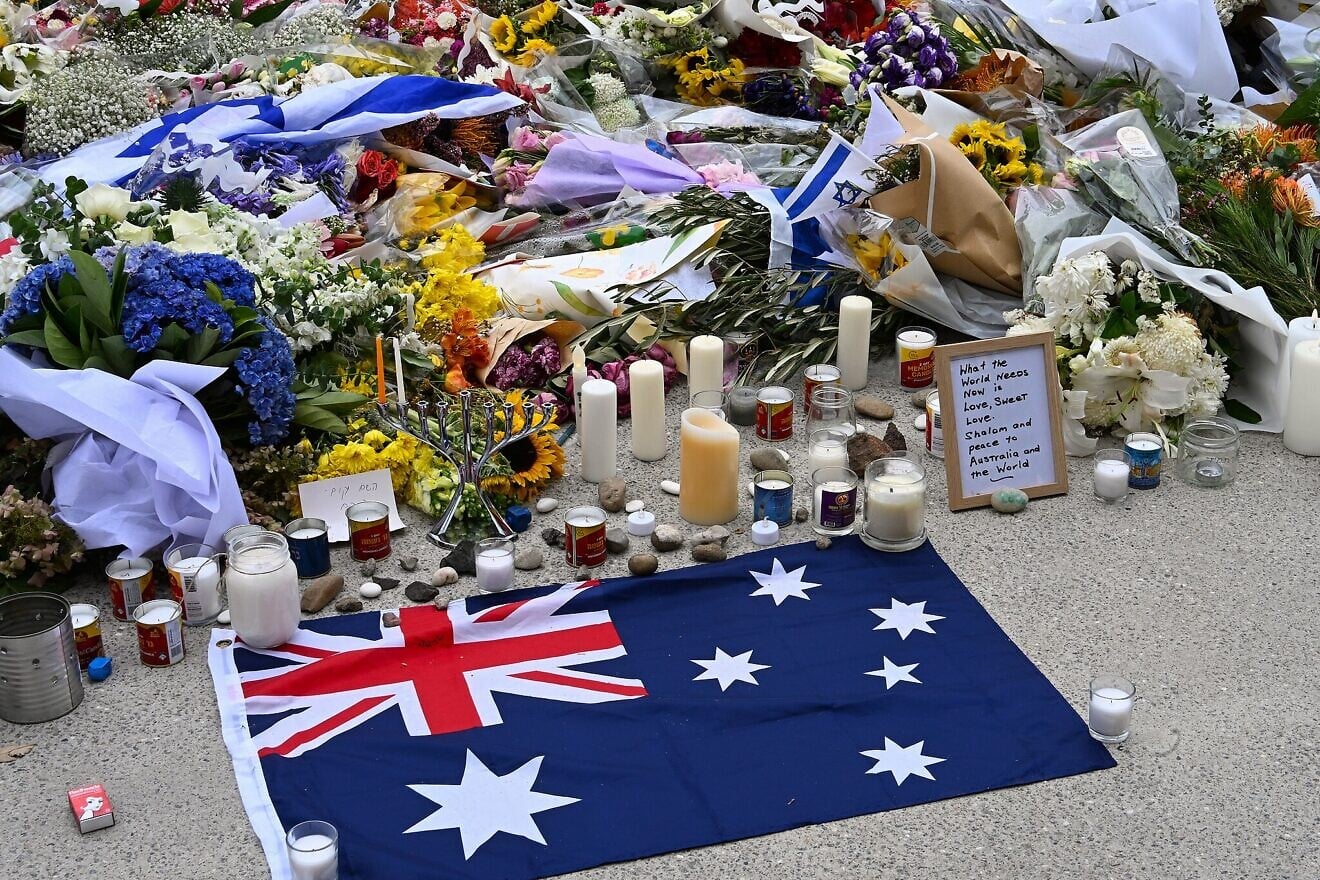
A tribute at Bondi Pavilion for the victims of the Dec. 14 terrorist attack during a Chanukah celebration at Bondi Beach in Sydney, Dec. 16, 2025. Credit: Sardaka via Wikimedia Commons.

Amichai Chikli, Israel’s minister of Diaspora affairs and combating antisemitism, has written a sharply worded letter to Australian Cabinet Minister Tony Burke, warning that Canberra’s failure to explicitly name radical Islam as the ideological driver behind the recent Bondi Beach terrorist attack is undermining efforts to confront the threat.

Burke serves in several post simultaneously, including as minister for home affairs, minister for immigration, citizenship and multicultural affairs, and minister for cyber security.

In the Dec. 31 letter sent following his visit to Australia after the deadly attack on the first night of Chanukah, Chikli said the Jewish community expects decisive action from the Australian government and offered Israeli assistance in training security personnel.

“The Jewish community expects the Australian government to ensure its safety, just as it does for every Australian citizen,” Chikli wrote. 

The Israeli minister traveled to Australia in the immediate aftermath of the Bondi Beach attack to stand in solidarity with the Jewish community. During his visit, he attended funerals of some of the 15 slain, visited some of the 39 wounded in hospitals and met with grieving families and community leaders. He also brought an Israeli delegation of trauma and resilience experts to provide professional support.

Chikli was hosted at a solidarity event at Chabad Bondi by the Australian Jewish Association, alongside former Australian Prime Ministers Tony Abbott and Scott Morrison.

In his letter, Chikli stressed that rhetoric surrounding Israel and the Palestinians has real-world consequences.

“When crowds are permitted to chant slogans such as ‘from the river to the sea’ and ‘globalise the intifada,’ the consequences should not be dismissed as abstract or rhetorical,” he wrote. “The attack at Bondi Beach was precisely that—a globalization of the intifada, with deadly devastating consequences.”

Chikli argued that while gun control measures are important, they do not address the root cause of the violence.

“Guns do not act independently—it is the perpetrators, driven by a dangerous and violent ideology, who must be directly confronted,” he wrote, identifying radical Islamist extremism as the core threat facing the Jewish community and Australian society at large.

Referring to Burke’s previous correspondence to him, Chikli said that broadly condemning extremism and antisemitism without naming radical Islam as the driving ideology behind the attack weakens the response. He added that the failure of Australian Prime Minister Anthony Albanese and Foreign Minister Penny Wong to clearly identify the source of the violence “undermines the ability to confront it.”

“The first step in fighting terrorism and antisemitism is precise diagnosis —not merely focusing on the weapons used, but on the extremist ideology responsible for the violence,” Chikli wrote.

The minister emphasized Israel’s readiness to assist Australia, citing the Jewish state’s extensive experience in combating terrorism and antisemitism.

“Israel stands ready and willing to assist Australia at this critical juncture,” he said, offering to host and train senior police officers and security personnel in Israel and share best practices in counter-terrorism.

“I look forward to meaningful cooperation on this vital issue,” Chikli concluded.


Zawartość publikowanych artykułów i materiałów nie reprezentuje poglądów ani opinii Reunion’68,
ani też webmastera Blogu Reunion’68, chyba ze jest to wyraźnie zaznaczone.
Twoje uwagi, linki, własne artykuły lub wiadomości prześlij na adres:
webmaster@reunion68.com


Argentine Doctor Suspended After Threatening to Cut Jewish Throats


Argentine Doctor Suspended After Threatening to Cut Jewish Throats

David Swindle


Dr. Miqueas Martinez Secchi. Photo: Screenshot
A doctor in Argentina has been suspended from his job at a hospital in Buenos Aires after posting antisemitic messages on social media that included explicit calls for violence against Jews.

The suspension of Miqueas Martinez Secchi, a resident physician specializing in intensive care at José de San Martín Hospital in La Plata, marks yet another example of rising antisemitism in health-care settings across the West.

“Instead of performing circumcision, their carotid artery and main artery should be cut from side to side,” Secchi wrote in one post.

The medical professional’s antisemitic online activity was exposed by journalist and commentator Dani Lerer, who posted the graphic messages on the social media platform X.

The posts prompted widespread outrage, leading Secchi to delete his social media account — but not before other users were able to save screenshots.

Buenos Aires Province Health Minister Nicolás Kreplak released a statement responding to the incident.

“Any aggressive message or one showing a lack of respect for human life is incompatible with health care practice and particularly with medicine. They are fundamental values of training as a health professional,” he posted on X. “Health is one of the essential assets of society, and it is indispensable to be firm against any act of discrimination and racism. As is public knowledge.”

Kreplak then referenced Secchi and noted he is under investigation.

“Due to this message, consistent with other previous behaviors that now acquire relevance, the resident doctor at Hospital San Martín de La Plata who made those public statements is suspended and in an administrative and judicial investigation process, in order to conduct an evaluation under an ethical, technical, and professional committee that will determine whether it is appropriate or not for them to resume their training process,” the minister said.

The incident in Argentina continues an alarming pattern of rampant antisemitism in health care across the Western world which has left Jewish communities feeling unsafe and marginalized.

In November, for example, a Jewish columnist from Amsterdam said she was denied medical care by a nurse who refused to remove a pro-Palestinian pin shaped like a fist.

Elsewhere in the Netherlands, local police opened an investigation into Batisma Chayat Sa’id, a nurse who allegedly stated she would administer lethal injections to Israeli patients.

In Italy, two medical workers filmed themselves at their workplace discarding medicine produced by the Israeli company Teva Pharmaceuticals in protest of the Jewish state and the war in Gaza.

In Belgium, a local hospital suspended a physician after discovering antisemitic content on his social media, including a cartoon showing babies being decapitated by the tip of a Star of David and an AI-generated image depicting Hasidic Jews as vampires poised to devour a sleeping baby.

The same doctor came under fire after he recently diagnosed a nine-year-old patient by listing “Jewish (Israeli)” as one of her medical problems on his report.

Several such incidents have occurred in the United Kingdom, where British Prime Minister Keir Starmer unveiled a new plan in October to address what he described as “just too many examples, clear examples, of antisemitism that have not been dealt with adequately or effectively” in the country’s National Health Service (NHS).

One notable case drawing attention involved Dr. Rahmeh Aladwan, a trainee trauma and orthopedic surgeon, who police arrested on Oct. 21, charging her with four offenses related to malicious communications and inciting racial hatred. In November, she was suspended from practicing medicine in the UK over social media posts denigrating Jews and celebrating Hamas’s terrorism.

That same month, UK Health Secretary Wes Streeting called it “chilling” that some members of the Jewish community fear discrimination within the NHS, amid reports of widespread antisemitism in Britain’s health-care system.

Incidents in the UK included a Jewish family fearing their London doctor’s antisemitism influenced their disabled son’s treatment. The North London hospital suspended the physician who was under investigation for publicly claiming that all Jews have “feelings of supremacy” and downplaying antisemitism.

In Australia, two nurses filmed themselves bragging online about refusing to treat Israelis, making throat-slitting gestures, and boasting of killing Jews. Both lost their licenses and now face criminal charges.

A US-born Jewish woman who moved from Israel to Australia six years ago told The Algemeiner last year that she no longer feels safe in hospitals given the atmosphere of heightened antisemitism.

“In the past year alone, my little boy has witnessed many hostile protests where ‘anti-Zionists’ have actually come into the Jewish community without permits to intimidate us. Time and time again, instead of [authorities] dispersing and arresting anyone in the crowd for screaming racial slurs and threats, Jews are asked to evacuate and told if they don’t run away, they are inciting violence,” the woman said.

“Now they actually brag online about killing Israeli patients,” she continued, referring to the case in Australia. “I don’t know how safe I would feel giving birth at that hospital.”


Zawartość publikowanych artykułów i materiałów nie reprezentuje poglądów ani opinii Reunion’68,
ani też webmastera Blogu Reunion’68, chyba ze jest to wyraźnie zaznaczone.
Twoje uwagi, linki, własne artykuły lub wiadomości prześlij na adres:
webmaster@reunion68.com


Pęknięcia


Pęknięcia

Anna Grabowska (Anne Goldschmid)


Pęknięcia

Widać to nie tyle po tym, co mówi, ile po tym, jak długo milczy, a kiedy już przestaje milczeć, robi to okrężnie, ostrożnie, jakby każde zdanie należało wcześniej obejrzeć z trzech stron i sprawdzić, czy nie pęknie pod ciężarem własnych implikacji. To nie jest jej naturalny temat. Nie pasuje do gotowych matryc, do wygodnego podziału świata na sprawców i ofiary według klucza, który przez lata dobrze się sprzedawał w debacie publicznej. Iran ten klucz łamie. Brutalnie. Bez ostrzeżenia.

Oficjalne reakcje, tam gdzie w ogóle się pojawiają, brzmią znajomo. Aż do bólu. “Zaniepokojenie”, “apel o powściągliwość”, “wezwanie do dialogu”. Język wygładzony do granic bezsensu, jakby problemem był nadmiar emocji, a nie systemowa przemoc, jakby istniała symetria między państwem strzelającym do ludzi na ulicach a ludźmi wychodzącymi z domów bez haseł, bez ochrony, często bez planu powrotu. Ten język nie opisuje rzeczywistości. On ją rozmywa, rozpuszcza, zostawia po sobie mgłę, w której wszystko da się powiedzieć i niczego nie trzeba nazwać.

W Polsce nie ma nawet tego. Lewica Polska nie wydała żadnego oficjalnego, wyraźnego stanowiska wobec obecnej fali protestów w Iranie. Żadnej zbiorowej deklaracji. Żadnego gestu solidarności, który miałby polityczny ciężar. Cisza. Pojedyncze głosy w mediach społecznościowych, rozproszone, nieskoordynowane, bez przełożenia na realną narrację partyjną. Partia, która tak chętnie operuje językiem praw człowieka, w tym przypadku nie mówi nic. I to milczenie samo w sobie staje się komunikatem. We Francji cisza jest bardziej elegancka, lepiej opakowana. Lewica instytucjonalna, socjaliści, radykalna lewica, skrzydła ekologiczne, nie uczyniła z protestów w Iranie tematu politycznego. Są ogólniki o prawach człowieka, są obawy przed “eskalacją”, są sformułowania, które brzmią “odpowiedzialnie”, bo niczego nie ryzykują. Brakuje jednego, jasnego opowiedzenia się po stronie ludzi, którzy wychodzą na ulice, wiedząc, że mogą nie wrócić do domu. W Niemczech padają poprawne zdania o nadmiernym użyciu siły i prawie do pokojowego protestu, administracyjna moralność, instytucjonalne potępienie, ale nie ma z tego wspólnego frontu, nie ma solidarności rozumianej jako identyfikacja z buntem, a nie przypis w raporcie. W krajach anglosaskich lewica skupia się na czymś innym, żeby nie było interwencji, żeby nie było eskalacji, żeby Zachód “nie wykorzystał sytuacji”. To są ważne pytania, ale w tej narracji protestujący Irańczycy zwyczajnie znikają. Stają się tłem dla debaty o polityce Zachodu wobec Bliskiego Wschodu, a ich gniew, ich strach, ich ciała nie są w centrum. W centrum jest lęk, żeby nie znaleźć się po niewłaściwej stronie ideologicznego lustra.

I jeszcze paradoks, którego zachodnia lewica nie znosi najbardziej. Najgłośniejszy, najbardziej jednoznaczny głos poparcia dla manifestujących Irańczyków pada spoza jej świata. Donald Trump mówi wprost o poparciu dla protestujących, o odwadze ludzi wychodzących na ulice, o odpowiedzialności reżimu za przemoc i ofiary. Bez eufemizmów, bez “kontekstu kulturowego”, bez symetrii. Grozi konsekwencjami, jeśli represje będą eskalować. Język brutalnie prosty i właśnie dlatego dla lewicy nie do przyjęcia. Nie trzeba Trumpa lubić, żeby to zauważyć, ale wielu woli tego nie słyszeć, bo jeśli to on nazywa przemoc przemocą, a bunt buntem, cała misterna konstrukcja moralnej wyższości zaczyna się poważnie chybotać. Lepiej zdyskredytować źródło niż przyznać rację ofiarom, jeśli te ofiary nie pasują do właściwej narracji. Trump nie jest tu wyjątkiem, tylko najbardziej drażniącym przykładem. Obok niego pojawiają się inni politycy, którzy, każdy z własnych powodów, mówią dziś o Iranie wyraźniej niż zachodnioeuropejska lewica. Benjamin Netanyahu od lat publicznie wspiera Irańczyków protestujących przeciwko teokratycznemu reżimowi, nazywając ich walkę walką o wolność, a władzę w Teheranie władzą, która boi się własnego społeczeństwa, również bez symetrii, bez udawania, że to tylko kolejna wewnętrzna sprawa państwa. Jest też Reza Pahlavi, postać dla lewicy szczególnie niewygodna i wcale nie dlatego, że nie ma znaczenia, ale właśnie dlatego, że ma. Mówi wprost do Irańczyków, wzywa do wytrwałości, apeluje do świata o jasne stanowisko, jest słuchany w diasporze i, co ważniejsze, w samym Iranie. Nie pasuje do żadnej z ulubionych narracji, więc najłatwiej go zignorować albo sprowadzić do przypisu. Są wreszcie politycy z Europy Środkowej i Wschodniej, Czesi, Bałtowie, którzy potrafią mówić o represjach w Iranie bez asekuracji, bez retorycznej napompowanej waty, bez chowania się za instytucjonalnym językiem. Ich głos nie dominuje światowej debaty, ale istnieje i pokazuje coś, co dla zachodniej lewicy jest szczególnie nie do przyjęcia; to, że jednoznaczność jest możliwa.

Ten kontrast boli bardzo bolesny, bo kiedy jasne słowa solidarności z Irańczykami padają z ust polityków, których lewica i tak uznała za “moralnie skończonych”, cała reszta woli milczeć. Lepiej nie powiedzieć nic, niż powiedzieć coś, co zabrzmi podobnie, nawet jeśli stawką są ludzie, którzy wychodzą na ulice Teheranu, Isfahanu, Meszhedu, wiedząc, że mogą nie wrócić. Po stronie lewicy radykalnej obraz jest jeszcze bardziej bezlitosny, relatywizacja, sankcje, pożal się Boże – “kontekst kulturowy”i ryzyko “instrumentalizacji. Jeśli protest nie niesie właściwego znaku ideologicznego, traci prawo do empatii. A Irańczycy protestują źle, nie w tym języku, nie przeciw temu, przeciw czemu wypada. Są antyteokratyczni, często świeccy, czasem otwarcie wrodzy wobec politycznego islamu. To poznawczy koszmar dla środowisk, które zbyt długo myliły antyimperializm z automatycznym rozgrzeszaniem każdej władzy nienawidzącej Zachodu.

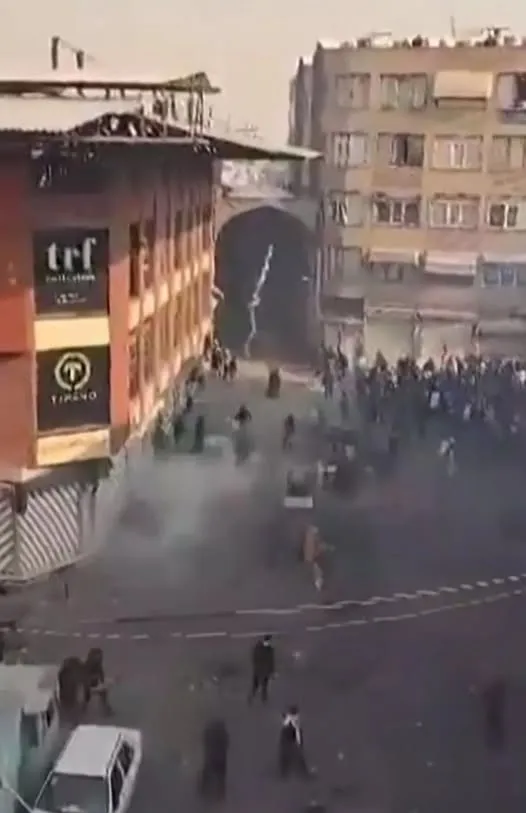
Tymczasem to nie dzieje się w próżni ani w nagłówkach, nie w analizach ani w studiach telewizyjnych. To dzieje się na ulicach, w Teheranie, w Isfahanie, w Meszhedzie, także w miastach, których nazw świat zwykle nie zapamiętuje, dopóki nagle nie “zanika łączność”. Po zmroku, bo wtedy jest najniebezpieczniej i wtedy najłatwiej zniknąć. Ludzie wychodzą w małych grupach, rozproszeni, bez transparentów, często bez skandowanych haseł. Wiedzą, że każde słowo może zostać nagrane, każde nagranie użyte jako dowód. Wiedzą też, że kamera w telefonie nie jest już tarczą, jest ryzykiem. Słychać krzyki z klatek schodowych, uderzenia w metalowe rolety zamykanych bazarów, szybkie kroki, pościgi. Są nagrania, krótkie, trzęsące się, nagle urwane. Nie, nie dlatego, że ktoś źle trzymał telefon, dlatego, że łączność znika. Internet w całym kraju zostaje gwałtownie ograniczony, miejscami niemal całkowicie odcięty. To nie jest awaria, to jest decyzja.

Kobiety idą bez chust, bez gestu, bez deklaracji. Normalnie, jakby właśnie ta normalność była dziś aktem sprzeciwu. Mężczyźni stoją obok, niektórzy krzyczą, inni milczą. Czasem ktoś upada, czasem ktoś już nie wstaje. Są ranni i są zabici. Liczby nie układają się w jedną statystykę, bo przy odciętej komunikacji nic nie jest oficjalne, ale jedno jest potwierdzone, ofiar śmiertelnych są dziesiątki, zatrzymanych tysiące. Wśród zabitych są bardzo młodzi. Są postrzeleni podczas demonstracji. Są ranni, którzy boją się iść do szpitala, bo szpital bywa dziś przedłużeniem aparatu bezpieczeństwa.

Pogrzeby zamieniają się w zgromadzenia. Żałoba znów staje się formą protestu. Rodziny szukają zaginionych, krążą między szpitalami, komisariatami, improwizowanymi listami. Często słyszą, że “nie ma informacji”, albo że “proszę przyjść jutro”, albo nie słyszą nic. To nie jest “fala protestów”. To nie są “niepokoje społeczne”. To jest życie przeniesione na ulicę, bo dom przestał być bezpieczny, a milczenie przestało chronić.

Reżim reaguje rutyną, blokady sieci, ograniczenia telefonii, nocne aresztowania, posterunki na skrzyżowaniach, gaz, pałki, w części miejsc także broń palna. Są potwierdzone strzały w kierunku demonstrantów. Są ranni od ostrej amunicji. Są ciała. I jest jeszcze coś, co odróżnia tę falę od poprzednich, panika władzy, widoczna, udokumentowana. Odcinanie internetu nie jest reakcją na chaos, lecz próbą jego ukrycia. Bez obrazu łatwiej zaprzeczać, ale też łatwiej kłamać.

Równolegle protest przestaje być wyłącznie uliczny. W niektórych miastach zamykają się bazary, miejsca, które w Iranie od dekad są barometrem społecznego nastroju. Są strajki i przerwy w pracy, także w częściach przemysłu naftowego. Nie wszędzie i nie naraz. Ale wystarczająco często, żeby władza zaczęła reagować nerwowo. Gospodarka, już osłabiona inflacją i spadkiem waluty, dostaje kolejny cios. To nie jest jeszcze strajk generalny. Ale to sygnał, a w Iranie takie sygnały są czytelne. Tło jest proste i brutalne, drożyzna, spadek wartości pieniądza, zmiany w dotacjach – uderzające w codzienność. To nie są wskaźniki, to jest tamtejsze życie. A wtedy, kiedy pęka codzienność, pęka też strach. Każda dyktatura wierzy, że strach jest zasobem odnawialnym. Nie jest. W pewnym momencie zostaje nazwany po imieniu i przestaje działać. I właśnie wtedy najbardziej widać, kto naprawdę wierzy w prawa człowieka, a kto tylko używa ich jako wygodnego języka. Solidarność, która kończy się tam, gdzie zaczyna się dyskomfort ideologiczny, nie jest żadną solidarnością. Jest milczeniem w ładnym lecz tanim opakowaniu.

Iran jest dziś pełen takich pęknięć. Gasi światło, bo boi się tego, co widać, gdy ludzie przestają się bać.


Źródła:

https://apnews.com/article/54e4024a0b9e6a9f3ab49153c8e28f05

https://www.reuters.com/…/iran-must-show-restraint…/

https://www.wsj.com/…/internet-blackout-hits-iran-as…

https://www.theguardian.com/…/children-killed-iran…

https://www.reuters.com/…/rights-groups-say-least-25…/

https://www.lemonde.fr/…/iran-crackdown-intensifies-as…

https://www.rp.pl/…/art43611371-w-iranie-wrze-nie…

https://www.thenationalnews.com/…/iran-internet…/

https://www.scmp.com/…/protests-sweep-iran-amid…

https://www.ncr-iran.org/…/iran-nationwide-internet…/


Zawartość publikowanych artykułów i materiałów nie reprezentuje poglądów ani opinii Reunion’68,
ani też webmastera Blogu Reunion’68, chyba ze jest to wyraźnie zaznaczone.
Twoje uwagi, linki, własne artykuły lub wiadomości prześlij na adres:
webmaster@reunion68.com


Why do they march for Gaza, but not Iran?


Why do they march for Gaza, but not Iran?

Jonathan S. Tobin


The movement that turned out en masse to demonize the State of Israel for defending itself is uninterested in the slaughter of Iranians. Maybe it’s because they can’t blame it on the Jews.

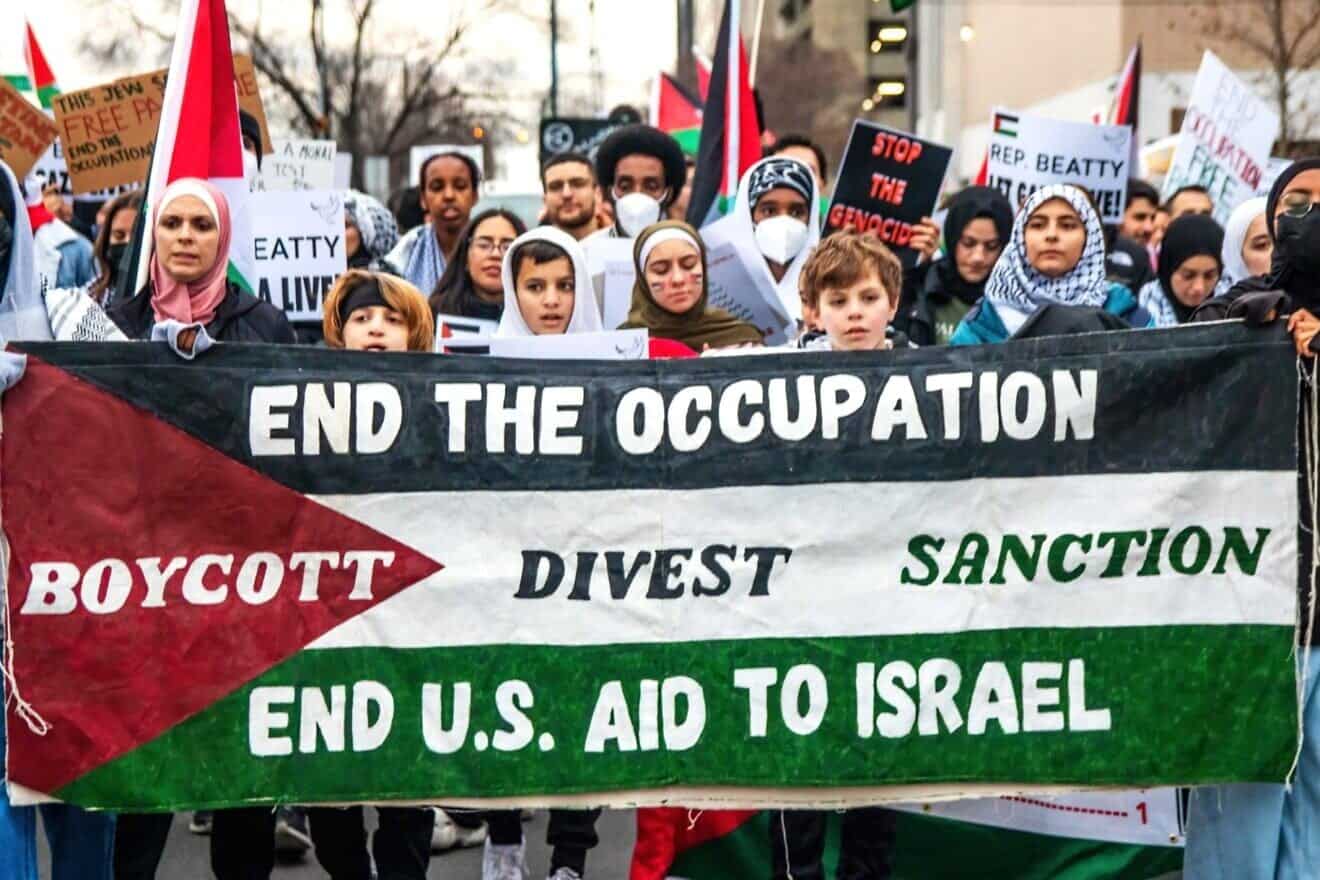
An anti-Israel protest in Columbus, Ohio, on Dec. 22. 2023. Credit: Becker1999 via Wikimedia Commons.

The silence from the chattering classes, Hollywood elites, and university students and faculty has been deafening. The same people who have been conducting mass demonstrations and virtue-signaling about their devotion to the cause of human rights and their abhorrence of civilian casualties when it came to the war in Gaza have been largely silent about what is happening in Iran.

That isn’t because no one knows exactly what’s going on.

Despite attempts by the Islamist regime to black out the internet and halt the flow of information about events inside the country, the scale of the conflict has grown so large that it has been impossible to cover up. Some 2,500 deaths have been confirmed by the U.S.-based Human Rights Activists News Agency, though reports on mass killings of protesters by the Islamic Revolutionary Guard Corps have raised the potential death toll to anywhere from 12,000 to 20,000.

While the liberal mainstream media was slow to pick up the story, it can no longer downplay it. While it has had to compete with its overwraught coverage of the controversy about the Trump administration’s efforts to enforce immigration laws, the Iran protests have been the top story on The New York Times website for multiple days, and have also received extensive coverage in The Washington Post and on NPR. Even leftist human-rights groups like Amnesty International and Human Rights Watch have been posting about it.

Apathy about Iranian victims

But the statistics about casualties and images of military forces shooting peaceful protesters in cold blood haven’t moved the audiences of these outlets in the way they normally do about another conflict in the Middle East. In fact, the same audience that turned out in the tens of thousands to protest the war in the Gaza Strip or to broadcast their identification with Palestinians has zero interest in the Iranian struggle for freedom or the many victims of the Islamist regime.

This apathy makes itself felt on a number of different levels.

No mass street protests, demonstrations or tent encampments can be found in U.S. cities or on college campuses dedicated to supporting Iranian protesters. The opinion columnists at major outlets who have been churning out articles falsely accusing Israel of “genocide” while parroting grossly inaccurate Palestinian casualty figures are mum about Iran. At the Golden Globes awards ceremony, actors and others in past years have shown off their support for the Palestinian war against Israel via lapel pins or biting words. At the event held this past weekend, the cause de jour was protests against the U.S. Immigration and Customs Enforcement Agency (ICE). Not a single person—either on stage or in the audience, as can be seen from the media coverage—was standing in solidarity with the people of Iran.

That’s not surprising.

Concern about the way the Islamist theocracy oppresses the people of Iran has never been among its priorities. Or even a subject about which they were even minimally concerned.

The question is why—given everything heard from the crowd about how terrible it is for the innocent to be killed in conflict—they have nothing to say about Tehran? They’re all very vocal about the backing of a “Free Palestine.” Not so much about a free Iran.

It’s true that not as much attention has been paid to the conflict in Iran as there has been for the two-year war in Gaza; however, a good number of Iranians have been fighting against the mullahs since the Islamic Revolution in 1979.

Another reason may be that the State of Israel is supported by the United States. It’s true that even when Washington was most sympathetic to Iran, and seeking to appease its government during the Barack Obama administration, and to a lesser extent, when Joe Biden was president, America didn’t formally support the government of Iran.

If anything, the fight for freedom there ought to be generating a lot more foreign support than the Palestinian cause. After all, the Palestinians have rejected compromise, peace and a two-state solution to end the Arab-Israeli conflict for nearly a century. And the recent war in Gaza wasn’t an Israeli attempt to stifle democratic protests. It was a morally justified response to a cross-border invasion by Palestinian Arabs on Oct. 7, 2023, which resulted in an orgy of mass murder, rape, torture, kidnapping and wanton destruction.

The main impetus for those rallies, however, wasn’t focused on ending ties between Washington and Jerusalem, though most of the protesters were surely in favor of that idea. Nor was the motivation for the protests simply a matter of backing a ceasefire in the fighting that followed the Oct. 7 massacre in Jewish communities in southern Israel. The ceasefire reached last October didn’t really dampen the ardor of the anti-Israel crowd. It was also not a matter of genuine sympathy for victims; if that were the case, they wouldn’t have been indifferent to the plight of Israeli hostages.

Rather, as the chants of the pro-Hamas mobs made clear, it was their support for the desire of the Palestinians to see Israel eradicated (“From the river to the sea”) and for violence against Jews wherever they lived (“Globalize the intifada”) that lured them to join the cause.

Despite their loud proclamations that the anti-Israel protests were rooted in concern about human rights—something that would surely cause them to speak out about Iran—that just doesn’t pass muster. Nobody who actually cares about human rights can support a cause that aims at the slaughter of an entire people, no matter where they live.

Racialist myths

The reason for this can partly be explained by simple ideology. The indoctrination of a generation in the toxic ideas of critical race theory, intersectionality and settler-colonialism has led many young people to believe that all conflicts are essentially about race.

As such, they have come to believe that the world is divided into two groups perpetually at war with each other: oppressed “people of color” and their “white” oppressors. In that essentially Marxist formulation, Jews are, despite their history of persecution and the persistence of antisemitism, too Western and too successful to merit sympathy, and so must be defined as “white” oppressors. That makes the Palestinians the oppressed racial minority. They believe this myth, even though Jews and Arabs are the same race, and the majority of Israelis are people of color since they trace their origins to the Middle East and North Africa.

The struggle of Iranians to end the rule of tyrannical Islamist theocrats and their terrorist henchmen is irrelevant to this framework because neither side can be identified as “white.” That makes it irrelevant at best, and at worst, a distraction from more interesting battles like the one against Israeli Jews.

It’s equally true that those influenced by these ideas also can’t identify with any struggle against a government that regards itself in conflict with the West, which the intersectional left considers to be irredeemably racist. As historian Niall Ferguson sagely pointed out in The Free Press, because the Iranian protests are an attempt at a “counterrevolution,” rather than one against a pro-Western government, they are indifferent to it. In this way, the reactionary Iranian regime—which, like Hamas, oppresses women and considers gays to be worthy of the death penalty—gets a free pass.

That’s as illogical as it is absurd since it leads people who would be hanged or thrown off rooftops in Gaza or Tehran to march with “Gays for Palestine” placards. Yet it does make sense to those who consider the West, the United States and Israel to be inherently evil, and their opponents, even when they are Islamist murderers, to be somehow sympathetic.

It’s the same reason why far larger and bloodier conflicts, such as the decade-long Syrian civil war—when hundreds of thousands died, and millions were made homeless—never motivated anyone on the left to take to the streets demanding action to stop the fighting. The same was true for what is a real genocide going on in Sudan right now.

The left and right unite in their antisemitism

Still, there’s more to it than just that stale and intellectually vapid ideological construct. The “horseshoe” effect, in which the far left and the far right unite in their antisemitism, is at play when it comes to Iran as much as it is about Gaza.

Anti-Israel extremists on both the left and right are speaking out against any help for the protest movement in Iran. The likes of journalists Max Blumenthal, Glenn Greenwald and Ali Abunimah say they oppose the protests because the demonstrators’ foreign sympathizers just want a pro-Israel government in Tehran. That misses the point. Of course, many people in the West would prefer a government that wasn’t the world’s leading state sponsor of terrorism. But apologists ignore the fact that one of the reasons why Iranians want to overthrow their Islamist tyrants is because the regime has squandered its country’s resources in its frenzy to build a nuclear bomb to obliterate the Jewish state. And that’s despite the fact that Israel and Iran have no real reason to be in conflict other than because of the mullahs’ antisemitic obsessions.

As seen in recent months, the obsessive hatred for Israel on the part of a certain segment of right-wing opinion also leads those who take this position to be supportive of anyone who claims to be an anti-Zionist, even if that leads them to back some of the most anti-American regimes and people in the world.

It’s no accident that former Fox News host and current podcaster Tucker Carlson has been adamant about opposing American efforts to stop Iran from getting a nuclear weapon or efforts on the part of the Trump administration to support anti-regime protesters. The same is true of former Trump staffer turned extremist podcaster Steve Bannon and neo-Nazi “groyper” leader Nick Fuentes.

Though these people claim to be American patriots and believers in an “America First” or “America Only” foreign policy, they oppose efforts by the Trump administration to rein in and stop a regime that has killed Americans and views the United States as the “great Satan,” regardless of its position on Israel.

The only thing that brings them into agreement with the left on Iran is the fact that the Tehran theocrats hate Israel.

There’s no way to look at this issue that doesn’t inevitably lead back to an age-old hatred.

As with other global struggles, antisemites on both ends of the political spectrum are never going to care about a conflict in which neither side is Jewish. As for Iran, its radical oppressors not only support efforts at Jewish genocide but spend enormous sums on terrorist groups and a nuclear program with which that evil objective could be accomplished—money its population never sees.

Under those circumstances, it is to be expected that the same crowd who write, rally and virtue-signal their anguish about Palestinians will be utterly indifferent to the plight of Iranian victims at the hands of Islamists. The explanation isn’t merely ideology or hypocrisy. It can be summed up on one basis: Jew-hatred.


Jonathan S. Tobin is editor-in-chief of the Jewish News Syndicate, a senior contributor for The Federalist, a columnist for Newsweek and a contributor to many other publications. He covers the American political scene, foreign policy, the U.S.-Israel relationship, Middle East diplomacy, the Jewish world and the arts. He hosts the JNS “Think Twice” podcast, both the weekly video program and the “Jonathan Tobin Daily” program, which are available on all major audio platforms and YouTube. Previously, he was executive editor, then senior online editor and chief political blogger, for Commentary magazine. Before that, he was editor-in-chief of The Jewish Exponent in Philadelphia and editor of the Connecticut Jewish Ledger. He has won more than 60 awards for commentary, art criticism and other writing. He appears regularly on television, commenting on politics and foreign policy. Born in New York City, he studied history at Columbia University.


Zawartość publikowanych artykułów i materiałów nie reprezentuje poglądów ani opinii Reunion’68,
ani też webmastera Blogu Reunion’68, chyba ze jest to wyraźnie zaznaczone.
Twoje uwagi, linki, własne artykuły lub wiadomości prześlij na adres:
webmaster@reunion68.com