Archive | December 2025

Prześladowania Żydów – my będziemy następni

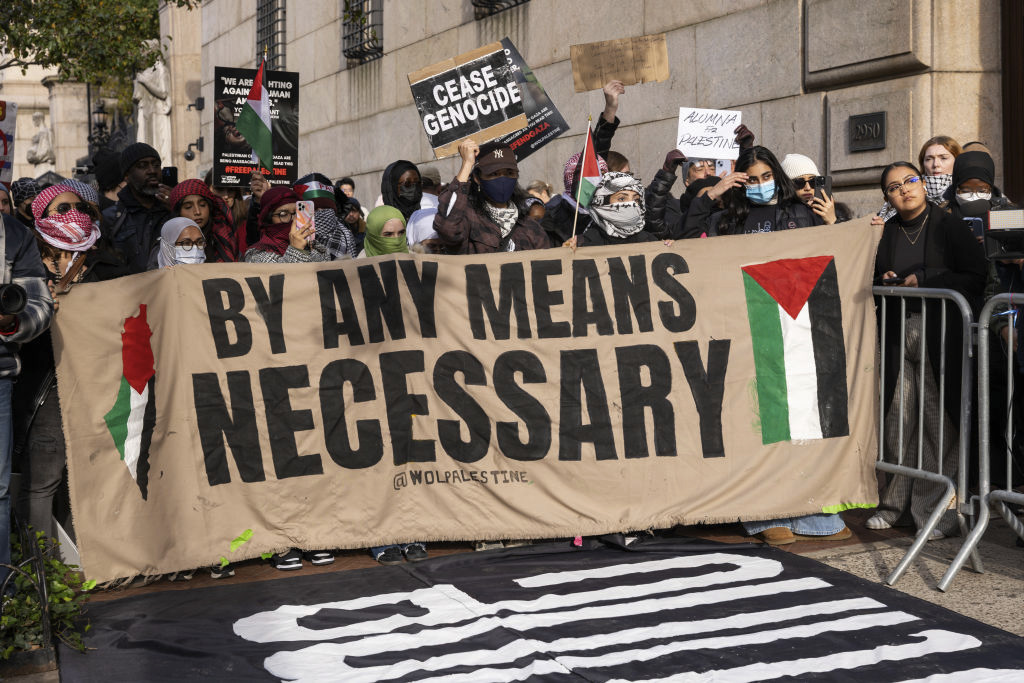
Na zdjęciu: Studenci biorą udział w demonstracji poparcia dla Hamasu przed kampusem Uniwersytetu Columbia, 15 listopada 2023 r. w Nowym Jorku. (Zdjęcie: Spencer Platt/Getty Images)

Prześladowania Żydów – my będziemy następni

Nils A. Haug
Tłumaczenie: Andrzej Koraszewski


Przypomnienie historyczne: Żydzi zostali wypędzeni z Anglii w latach 90. XIII wieku; z Francji w latach 90. XIV wieku; z Hiszpanii w latach 90. XV wieku; z Sycylii pod koniec XV wieku; z Portugalii w XVI wieku; z Ukrainy w latach 40. XVII wieku; z Rosji w latach 80. XIX wieku; z Niemiec w latach 30. XX wieku; oraz z różnych krajów arabskich w latach 40. do 60. XX wieku.

A teraz, w dekadzie 2020, kiedy “dane statystyczne pokazują podwojenie, a nawet potrojenie liczby incydentów antysemickich na ulicach Ameryki”, gdzie Żydzi mają się udać? Jedynym miejscem, które wita ich z otwartymi ramionami, jest ich dom przodków – Izrael. Żydzi z dowolnego miejsca na świecie mają dziś absolutne prawo powrotu do Izraela, na koszt państwa.

Zachodnie kraje wprawdzie przyjmowały żydowskich imigrantów w ostatnich dekadach, lecz historia uczy, że może to być jedynie rozwiązanie tymczasowe, zależne od kaprysów ideologii i politycznych nastrojów. Na Zachodzie, w miarę jak islam zaczyna dominować polityczny, religijny i społeczny krajobraz – także w USA – możliwości Żydów się kurczą.

Począwszy od przybycia Izraelitów do Egiptu w czasie głodu, około 3700 lat temu, za czasów Jakuba i jego synów, Żydzi stali się tam niewolnikami przez 400 lat. Ich długa i udręczona droga powrotna do ziemi obiecanej rozpoczęła się wraz z Mojżeszem, około 1300 r. p.n.e.

Po zburzeniu Jerozolimy i wypędzeniu Żydów przez Rzymian w 70 r. n.e., stali się rozproszeni, pozbawieni państwa i trwałego domu. Przez wieki byli prześladowani, mordowani i wyganiani z niemal każdego miejsca, w którym próbowali się osiedlić.

W 1948 roku, wraz z powstaniem nowoczesnego Izraela jako historycznej ojczyzny narodu żydowskiego, Żydzi ponownie zyskali miejsce, które mogli nazwać swoim. Mimo to wciąż są bezlitośnie demonizowani na arenie międzynarodowej – podobnie jak ich państwo. Główna przyczyna wydaje się nie tkwić w kwestii ziemi, lecz w głęboko zakorzenionym antysemityzmie, który dziś objawia się na poziomie państwowym w postaci rzekomo bardziej poprawnej politycznie wrogości wobec istnienia Izraela (Syjonu).

Sama koncepcja Izraela jako prawowitej ojczyzny autochtonicznych Żydów jest dla wielu nie do przyjęcia. Na Zachodzie, gdzie jawna nienawiść do Żydów bywa uznawana za niekulturalną, wrogowie Żydów posługują się określeniem “syjonista” jako maską dla swojej wrogości. Syjoniści to ci, którzy wierzą w polityczne, prawne, historyczne i religijne prawo Żydów do ich starożytnej ojczyzny – Izraela – państwa, które stało się głównym celem globalnych uprzedzeń, goryczy i ataków.

Dlatego też jesteśmy dziś świadkami pogardliwego użycia słowa “syjonista” jako epitetu, jako nowego, rzekomo społecznie akceptowalnego odpowiednika słowa “Żyd”. Uprzedzenia te często skrywają się pod różnymi pretekstami, by uniknąć oskarżeń o mowę nienawiści w zachodnich społeczeństwach.

W październiku 2025 roku, po uwolnieniu z tuneli Hamasu po dwóch latach spędzonych w ciemności, bliźniacy Gali i Ziv Berman powiedzieli: “Nie zapominajcie – jesteśmy jednym narodem i nie mamy dokąd pójść.” Rzeczywiście, poza Izraelem większość Żydów nie ma dokąd uciec. Wrogość islamistów i ich zwolenników, zarówno z lewej, jak i z prawej strony sceny politycznej, prowadzi do zasadniczego zagrożenia dla wszystkich Żydów: trwającej próby zniszczenia ich azylu, ojczyzny przodków, źródła syjonizmu – Izraela.

Pomimo obecnego zawieszenia broni w Gazie, jedna z brytyjskich studenckich grup antyizraelskich ogłosiła, że ich zadanie “nie zostało zakończone” dopóki “syjonizm nie zostanie całkowicie wykorzeniony”.

“Skoro już pojawiły się wezwania do wykorzenienia syjonistów”, zauważyła brytyjska dziennikarka Melanie Phillips, “to wezwania do eliminacji Żydów zapewne nie są daleko w tyle.” Jak dalej podkreśliła, nienawiść do Żydów “na Zachodzie nie spotyka się z żadnym sprzeciwem.” Globalna nienawiść wobec Żydów eskaluje – bez powodu, bez logiki, bez usprawiedliwienia.

We Włoszech niedawno demonstranci z palestyńskimi flagami skandowali: “Wczoraj partyzanci, dziś antysyjoniści i antyfaszyści” – a nie “antyizraelscy” czy “antyżydowscy.” Tymczasem profesor Maxim Shrayer, który wykładał na Uniwersytecie w Pizie, ujawnił, że “niektórzy włoscy intelektualiści poczuli się na tyle pewnie, by przekształcić swój antysyjonizm (technicznie skierowany przeciwko Izraelowi) w ataki na wszystkich Izraelczyków i Żydów.” Karta Hamasu z 1988 roku, w artykule 7, wyraźnie mówi o “wszystkich Żydach”:

“Dzień Sądu nie nadejdzie, dopóki Muzułmanie nie będą walczyć z Żydami (zabijając ich), a Żyd nie będzie się ukrywał za drzewem lub kamieniem. Wtedy drzewo i kamień powiedzą: O Muzułmaninie, sługo Allaha, za mną jest Żyd, przyjdź i go zabij.”
(Przekazane przez al-Buchariego i Muslima w księdze Hadisów – powiedzeń i czynów Mahometa.)

Shrayer stwierdził, że w rzeczywistości antysyjonizm jest jedynie maską dla nienawiści do Żydów. Parafrazując Katharinę von Schnurbein – unijną komisarz ds. antysemityzmu – “antysemityzm ukrywa się za antysyjonizmem.”

W rezultacie wielu Żydów i Izraelczyków nie czuje się dziś bezpiecznie w większości krajów Europy Zachodniej i wyjeżdża w poszukiwaniu bezpieczniejszych miejsc.

Używanie “syjonisty” jako narzędzia ataku przeciwko Żydom ma swoje korzenie w ZSRR, gdzie panowała polityka państwowego antysemityzmu. W czasach sowieckich “antysemityzm oficjalnie przybierał formę antysyjonizmu.” Jak wspomina rosyjska emigrantka Izabella Tabarovsky, w Rosji i innych krajach bloku wschodniego prowadzono ogromną, zorganizowaną kampanię przeciwko Izraelowi i syjonizmowi – i była ona międzynarodowa.

Obecnie lewicowi “postępowi antyizraelscy” posługują się dokładnie tym samym językiem, co sowiecka propaganda: te same stereotypy, te same motywy, ta sama logika wyjaśniająca, a nawet te same historie. Zachodnie, neomarksistowskie środowiska akademickie w znacznym stopniu przyczyniły się do wzrostu tej irracjonalnej nienawiści, bezrefleksyjnie opierając ją na odwróconych doktrynach sprawiedliwości społecznej, dzielących świat na oprawców i ofiary. Antysemityzm – uważany za najstarszą nienawiść świata – jak widać, nigdy nie wychodzi z mody.

Choć współczesny syjonizm wywodzi się z idei Theodora Herzla (1860–1904) jako ruchu politycznego, jego korzenie sięgają Biblii. Tora opisuje nieodwołalne przymierze z Abrahamem dotyczące wieczystego nadania ziemi jego potomkom – przez jego jedynego prawowitego syna Izaaka, a następnie jego syna Jakuba, ojca 12 plemion Izraela.

Od czasów rzymskiej diaspory przez kolejne stulecia Żydzi czerpali pociechę z boskiej obietnicy zawartej w Księdze Powtórzonego Prawa:

“Choćbyś był rozproszony po krańce nieba, stamtąd Pan, twój Bóg, cię zgromadzi i stamtąd cię zabierze. I sprowadzi cię do ziemi, którą posiadali twoi przodkowie, i ją na nowo obejmiesz.”

“Antysyjonizm to żądanie, by Izrael przestał istnieć jako państwo żydowskie” – pisze publicysta Luke Tress. To istnienie Izraela – nie osiedla czy inne preteksty – leży u podstaw większości konfliktów między Izraelem a radykalnymi islamistami na Bliskim Wschodzie. Niektóre kraje regionu, jak Katar czy Turcja, wydają się bardziej zainteresowane eliminacją Izraela niż pokojem i dobrobytem.

Tę “świętą wojnę” widać choćby w brutalnym przejęciu ziem po Imperium Bizantyjskim przez islamistów na terenach dzisiejszej Turcji.

W społeczeństwach zachodnich antysyjonizm wydaje się “poprawną politycznie” przyczyną społecznych napięć tam, gdzie osiedlili się islamiści. Niestety, jak zachodnie społeczeństwa dopiero się przekonają, chęć eliminacji “niepożądanych” nie ogranicza się jedynie do Izraela i Żydów, lecz obejmuje także chrześcijan oraz innych “niewiernych” – w tym wielu muzułmanów, którzy nie są uważani za “właściwych”: jak alawici, druzowie, ahmadijja, bahaici, a w Turcji – alewici. W Nigerii islamiści mieli zabić ponad 52 000 chrześcijan od 2009 roku – często z dodatkowym motywem przejęcia ich ziemi. W mniejszym lub większym stopniu znaczna część cywilizacji zachodniej mierzy się z tym poważnym problemem “wypierania”.

Jeśli komuś zależy na fizycznym i kulturowym przetrwaniu, niestety nie może już pozostać “neutralny”. Shrayer, odnosząc się do międzynarodowej obojętności wobec Izraela walczącego na siedmiu frontach w obronie Zachodu, napisał: “Reakcja na wojnę w Izraelu dowiodła po raz kolejny, że milczenie oznacza zgodę.” Stawką są nie tylko życie starożytnego i niezwykłego narodu oraz jego prawo do pokojowego życia na ojczystej ziemi, ale również nasze własne.

Elie Wiesel, w przemówieniu wygłoszonym podczas odbierania Pokojowej Nagrody Nobla w 1986 roku, mówił o trwałym obowiązku Zachodu wobec narodu żydowskiego:

“Gdziekolwiek ludzie są prześladowani z powodu rasy, religii, płci czy poglądów politycznych, to miejsce musi – w tym momencie – stać się centrum wszechświata.”

Gdy Żydzi walczą o przetrwanie w obliczu nieustannych prześladowań za rzekomą arogancję w obronie siebie i swojej ziemi – nie czas na milczenie. Bo my będziemy następni.


Zawartość publikowanych artykułów i materiałów nie reprezentuje poglądów ani opinii Reunion’68,
ani też webmastera Blogu Reunion’68, chyba ze jest to wyraźnie zaznaczone.
Twoje uwagi, linki, własne artykuły lub wiadomości prześlij na adres:
webmaster@reunion68.com

Zionists condemned in Bondi terror video


Zionists condemned in Bondi terror video

Joshua Marks


The alleged Bondi gunmen condemned Zionists in a recording justifying the Chanukah attack that killed 15.

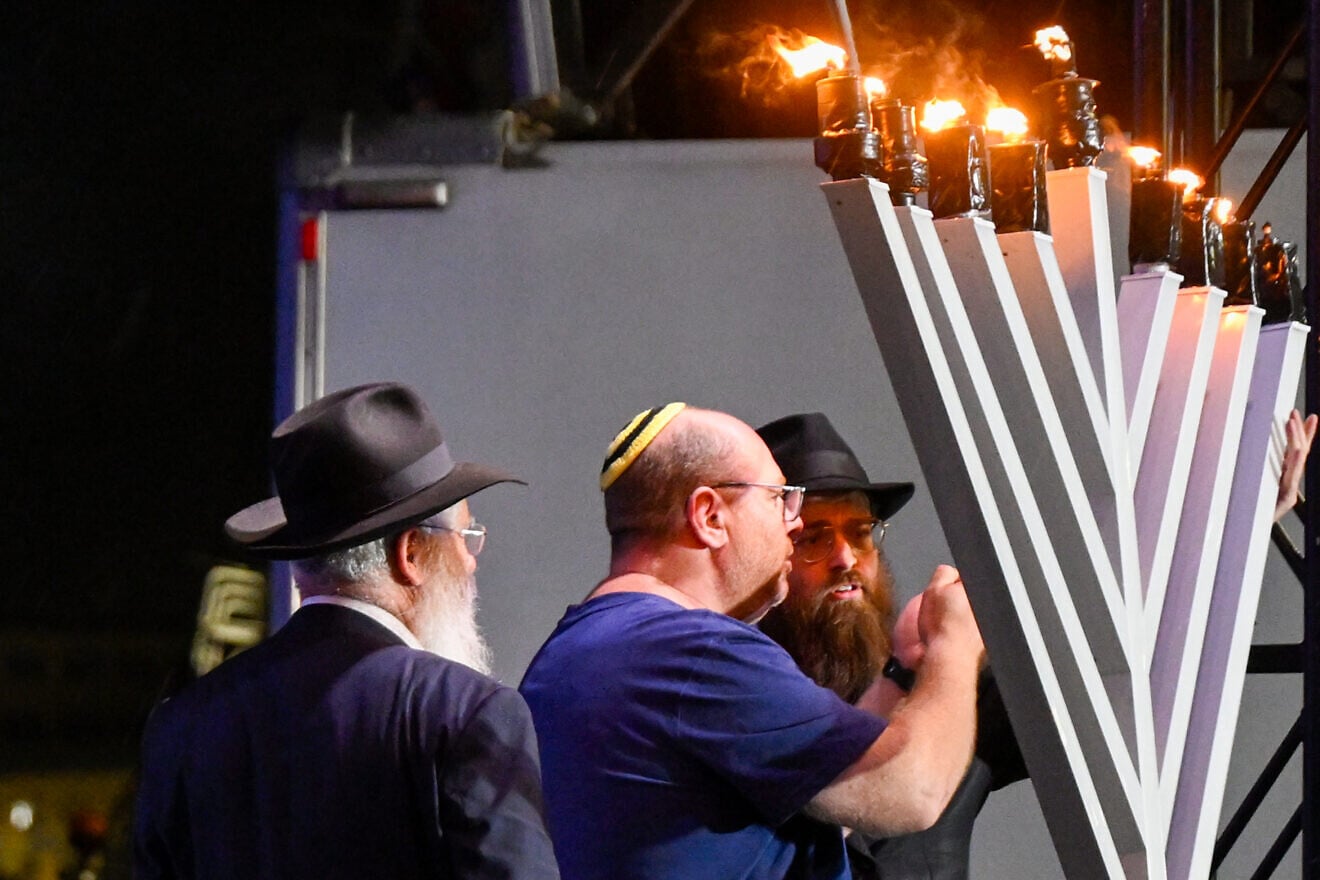
The father of 10-year-old Matilda, who was killed in the Dec. 14 Bondi Beach shooting attack, lights the eighth candle of a Chanukah menorah during a memorial at Bondi Beach in Sydney for the victims of the attack, Dec. 21, 2025. Photo by Izhar Khan/Getty Images.

Zionists were explicitly condemned in a video filmed by the alleged Bondi Beach gunmen as they outlined their justification for the terrorist attack that killed 15 people at a Chanukah event, newly released Sydney court documents say.

Police said Naveed Akram, 24, and his father, Sajid, recorded themselves reciting a Quran passage, with the footage showing Naveed then speaking in English about their motivations for the “Bondi attack” and denouncing the actions of “Zionists” while seated in front of an Islamic State flag and surrounded by firearms, Australia’s ABC News reported on Monday.

Terrorists threw IEDs at the Chanukah event

The pair are accused of throwing four improvised explosive devices at a Jewish crowd at Archer Park, which failed to detonate, before opening fire from a footbridge on the evening of Dec. 14.

Police said the pair parked their car on Campbell Parade in Bondi Beach at about 6:50 p.m. and then draped Islamic State flags over the front and rear windscreens. They then allegedly carried three firearms, three pipe bombs and a homemade “tennis ball bomb” as they walked toward the footbridge and began shooting at the Chanukah by the Sea gathering.

One IED was found in the car that the gunmen drove from the Sydney suburb of Campsie, where they rented a property.

Naveed Akram faces 59 charges, including 15 counts of murder and one count of committing a terrorist act. He was moved on Monday from a hospital to a correctional facility after a Sydney court lifted an interim suppression order to release a redacted police statement of facts. His father was shot dead by police.

Father and son gunmen conducted firearms training

The accused Bondi gunman and his father also conducted firearms training in the countryside, another video dated to late October shows, with the location suspected to be in New South Wales. “The accused and his father are seen throughout the video firing shotguns and moving in a tactical manner,” according to the court documents.

The document also reveals that two males, “believed to be the accused and his father,” were recorded on CCTV on the evening of Dec. 12 surveying the area of Archer Park, exiting their vehicle and walking along the footbridge they would later use as their position for the terrorist attack.

“Police allege that this is evidence of reconnaissance and planning of a terrorist act,” the court documents say.

Albanese receives hostile reception at Bondi vigil

Thousands of mourners gathered on Sunday evening at Bondi Beach to honor the victims one week after the deadliest terrorist incident and second-deadliest mass shooting in Australian history.

NSW Health said on Sunday afternoon that 13 patients remain hospitalized at the Prince of Wales, St George, St Vincent’s, Royal Prince Alfred and Royal North Shore hospitals, including four people in critical but stable condition and nine in stable condition.

Australian Prime Minister Anthony Albanese offered an apology on Monday, saying in Canberra that he is “sorry for what the Jewish community and our nation as a whole has experienced.”

The Labor Party leader was booed and heckled when he was introduced at Sunday’s vigil for the victims at Bondi Beach, in contrast to NSW Premier Chris Minns and Opposition Leader and local MP Kellie Sloane, who received standing ovations.

Albanese, who has called the Bondi Beach shooting an “antisemitic terrorist attack” and the alleged perpetrators “evil antisemitic terrorists,” continues to face criticism over his government’s approach to the problem of Jew-hatred in Australia.

In August, Israeli Prime Minister Benjamin Netanyahu castigated the Australian leader for his failure to confront antisemitism, writing in a letter that his “call for a Palestinian state pours fuel on the antisemitic fire.” Albanese is also facing accusations of avoiding confronting jihadist Islamist violence by deflecting to gun control in the wake of the massacre.


Zawartość publikowanych artykułów i materiałów nie reprezentuje poglądów ani opinii Reunion’68,
ani też webmastera Blogu Reunion’68, chyba ze jest to wyraźnie zaznaczone.
Twoje uwagi, linki, własne artykuły lub wiadomości prześlij na adres:
webmaster@reunion68.com


Can the right unite against antisemitic hate?


Can the right unite against antisemitic hate?

Jonathan S. Tobin


Will the failure of leading conservatives to disassociate themselves from the increasingly antisemitic former Fox News host Tucker Carlson and even more extreme figures like Candace Owens lead to the movement being hijacked by hate-mongers? That’s the question posed by JNS editor-in-chief Jonathan Tobin in the wake of the shocking defense of Carlson by Heritage Foundation president Kevin Roberts in November.

Roberts walked back his denunciation of those who criticized Carlson’s platforming of Holocaust denial as well as neo-Nazi groyper leader Nick Fuentes as being part of a “venomous coalition.” But questions remain about Heritage’s future with many of those involved with the institution leaving as a result of the controversy. But according to Heritage Vice President Victoria Coates, the think tank remains committed to the fight against Jew-hatred and support for Israel.

Coates, who joins Tobin in this week’s episode of “Think Twice,” credits Roberts for the fact that Heritage has played a leading role on the issue. Its Project Esther helped inspire U.S. President Donald Trump’s efforts to hold colleges and universities accountable for their toleration and encouragement of Jew-hatred on their campuses. But she acknowledges that Roberts’s initial video expressing solidarity with Carlson was a mistake and that the think tank head understands that, too, and that he is determined for Heritage to continue to work against the spread of Jew-hatred.

As troubling as the growth of hate on the right may be, she says the mass shooting on Dec. 13 of 15 people (another fatality was confirmed on Wednesday, making the total 16) at a Chanukah event on Australia’s Bondi Beach is a reminder that the most potent threat to Jews and the West remains Islamist and leftist terror.

Coates, who, like Roberts, knows Carlson well, says she can’t explain his turn toward antisemitism as well as his bizarre willingness to deny that Islamists are persecuting and murdering Christians in Africa. But she says there’s no denying the growth of antisemitic attitudes among younger conservatives, which she fears has become widespread.

She also says that’s a product of the crisis induced by leftist indoctrination in the schools, in addition to the COVID pandemic, not to mention the misinformation about Israel and the Middle East that is ubiquitous on social media. Coates believes that what happened at Heritage will help to focus minds on the right on the threat from antisemitic extremism.

Listen/Subscribe to weekly episodes on Spotify, Apple Podcasts, YouTube Music, iHeart Radio or wherever you listen to your podcasts.

Watch new episodes every week by subscribing to the JNS YouTube Channel.


Zawartość publikowanych artykułów i materiałów nie reprezentuje poglądów ani opinii Reunion’68,
ani też webmastera Blogu Reunion’68, chyba ze jest to wyraźnie zaznaczone.
Twoje uwagi, linki, własne artykuły lub wiadomości prześlij na adres:
webmaster@reunion68.com

Gazowa umowa Izraela z Egiptem. Handel energią da pokój na Bliskim Wschodzie?

Platforma wiertnicza Chevron Offshore lub platforma mieszkalna do wydobywania ropy naftowej i gazu na morzu (Fot. Shutterstock)


Gazowa umowa Izraela z Egiptem. Handel energią da pokój na Bliskim Wschodzie?

Andrzej Kublik


Wciągu 15 lat amerykański koncern Chevron ze swoich złóż u brzegów Izraela sprzeda Egiptowi gaz za 35 mld dol. Po przepychankach z USA premier Izraela Benjamin Netanjahu zatwierdził największy w historii Izraela kontrakt na eksport gazu.

“Ta umowa znacząco wzmacnia pozycję Izraela jako regionalnego mocarstwa energetycznego i przyczynia się do stabilności w naszym regionie. Zachęca również inne firmy do inwestowania w poszukiwania gazu na wodach wyłącznej strefy ekonomicznej Izraela” – powiedział premier Izraela Benjamin Netanjahu ogłaszając zatwierdzenie kontraktu na eksport gazu do Egiptu.

Na podstawie tej umowy izraelska spółka NewMed Energy, której głównym udziałowcem jest amerykański koncern Chevron, w ciągu 15 lat sprzeda Egiptowi 130 mld m3 gazu. To surowiec wydobywany z położonych przy brzegach Izraela gigantycznych złóż gazu Lewiatan, które w zeszłej dekadzie odkryli Amerykanie.

.

To największy w historii Izraela kontrakt na eksport gazu. Jego wartość oszacowano na niemal 35 mld dol., czego ponad połowa (18 mld dol.) w postaci podatków i opłat zasili budżet Izraela.

Pod presją Trumpa

Towarzyszący premierowi Izraela na konferencji prasowej minister energii Eli Cohen zachwalał umowę jako “historyczną chwilę” dla Izraela chociaż zaledwie kilka tygodni wcześniej zablokował ją. Twierdził wtedy, że nie ma pewności, czy Izrael dostanie “uczciwą zapłatę” za swój surowiec, i czy realizacji umowy nie spowoduje zbyt szybkiego wyczerpania izraelskich złóż.

W odpowiedzi na decyzję ministra Cohena wizytę w Izraelu odwołał Chris Wright, sekretarz energii USA. Nic dziwnego, bo w zawarcie gazowej umowy był zaangażowany Donald Trump.

Kontrakt na eksport gazu izraelska spółka koncernu Chevron podpisała z Egiptem jeszcze w sierpniu, kiedy toczyły się jeszcze negocjacje o pokoju w Gazie. W tych negocjacjach prowadzonych pod patronatem USA, Egipt odgrywał rolę kluczowego pośrednika między Izraelem a Hamasem, terrorystyczną organizacją walczącą o niepodległość Palestyńczyków.

Jednocześnie relacje Egiptu z Izraelem pozostawały napięte od czasu ataku Hamasu na Izrael w październiku 2023 r. Według dziennika “Axios” Donald Trump uważał, że korzystny dla Izraela i Egiptu kontrakt gazowy poprawi relacje między tymi państwami.

Bliskowschodni “gaz za pokój”

Handel gazem w przeszłości sprzyjał stabilizacji na Bliskim Wschodzie.

Gdy w 1978 r. prezydent Egiptu Anwar as-Sadat i premier Izraela Menachem Begin podpisali umowę pokojową, jej gospodarczym fundamentem była umową w sprawie dostaw po niskiej cenie egipskiego gazu do Izraela. Umowa ta zyskała nazwę “gaz za pokój”. I przez kilka dekad branża gazowa Izraela rozwijała się dzięki surowcowi z Egiptu.

Sytuacja radykalnie zmieniła się, gdy w 2010 r. amerykańska firma Noble Energy (przejęta potem przez Chevron) odkryła u brzegów Izraela złoże Lewiatan o zasobach szacowanych nawet na 650 mld m3 gazu. Z dnia na dzień przed Izraelem, który do tego czasu był całkowicie zależny od importu gazu, otworzyła się szansa na całkowite pokrycie zapotrzebowania na ten surowiec z rodzimych złóż, a także na zarobek na eksporcie gazu.

Pierwszy kontrakt na eksport gazu Izrael zawarł w 2016 r. z Jordanią i ta umową ułatwiła sfinansowanie eksploatacji złóż Lewiatan, rozpoczęte w grudniu 2019 r. A miesiąc później Izrael podpisał umowę na eksport do Egiptu w ciągu dekady 60 mld m3 gazu. Obecnie ten surowiec zaspokaja 10 do 15 proc. zapotrzebowanie Egiptu.  Podpisana teraz umowa zapewni Egiptowi zwiększenie i przedłużenie dostaw z Izraela.

W przeszłości spekulowano, że Egipt będzie pośredniczyć w eksporcie izraelskiego gazu w postaci skroplonego surowca LNG. Egipt ma zakłady do skraplanie gazu, wykorzystywane dotąd do eksportu LNG wytwarzanego z egipskich złóż. Jednak w ostatnich latach ten biznes skurczył się, bo zapotrzebowanie na gaz w Egipcie rośnie, a tamtejsze złoża wyczerpują się.


Redagowała Patrycja Maciejewicz


Zawartość publikowanych artykułów i materiałów nie reprezentuje poglądów ani opinii Reunion’68,
ani też webmastera Blogu Reunion’68, chyba ze jest to wyraźnie zaznaczone.
Twoje uwagi, linki, własne artykuły lub wiadomości prześlij na adres:
webmaster@reunion68.com

The Gaza War: The Lament of the Foreign Journalists and Why Hamas Suddenly Wants Them There


The Gaza War: The Lament of the Foreign Journalists and Why Hamas Suddenly Wants Them There

Bassam Tawil


  • Since 2007, Hamas had been imposing restrictions on foreign journalists. In 2011, the BBC reported that foreign journalists “must now apply [to Hamas] five days in advance in order to work” in the Gaza Strip.
  • According to the report, Hamas asked some foreign journalists to sign forms saying that if they published any items critical of the terror group, then local Palestinian journalists they worked with would be held responsible.
  • “The Palestinian authorities in the West Bank and Gaza are arresting, abusing, and criminally charging journalists and activists who express peaceful criticism of the authorities. The crackdown directly violates obligations that Palestine recently assumed in ratifying international treaties protecting free speech.” — Human Rights Watch, August 29, 2016.
  • The journalists who did visit were not able to see how Hamas and other Palestinian terror groups were transforming the beautiful Gaza Strip into one of the largest bases for Jihad and terrorism in the Middle East.
  • Even if they had seen such activities, they would not have filed reports about them, thanks to Hamas’s restrictions and threats.
  • The foreign journalists who are presently crying that they want to enter the Gaza Strip will face exactly the same threats, restrictions, and harassment by Hamas. They will be permitted to write only stories that depict the Palestinians as victims of Israel, not of the terrorist group Hamas. They will probably comply, telling themselves that lying-by-omission will at least grant them “access.”
  • Journalists who allow themselves to be intimidated by Hamas or any other party will never be able to report with any credibility.

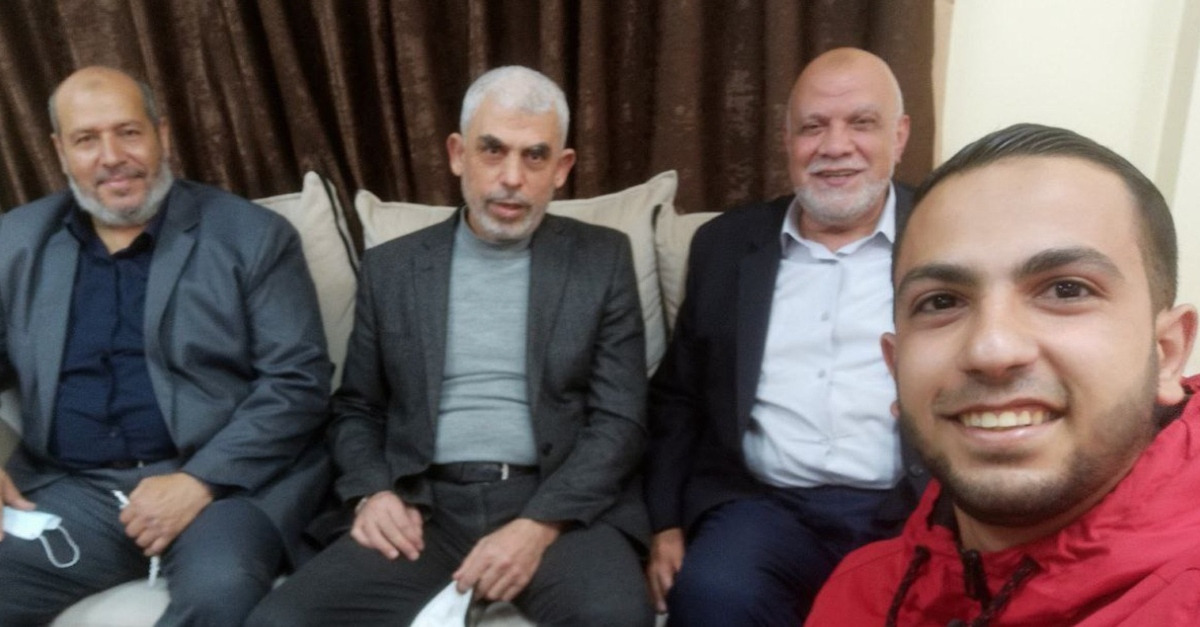
Hamas now wants foreign journalists to come to the Gaza Strip. The terror group needs the journalists to spread its anti-Israel propaganda. Most of the foreign journalists now complaining that Israel is not allowing them into Gaza did not bother to report about nearly 20 years of Hamas crackdowns on their colleagues and human rights activists. Pictured: The late Anas Al-Sharif (R), who commanded a Hamas rocket-launch squad in Gaza while employed as a “journalist” by Qatar’s Al-Jazeera TV news network, smiles for a selfie with senior Hamas officials, including the late Hamas leader Yahiya Sinwar (2nd from left). Photo by Anas al-Sharif

Foreign journalists in Israel are upset. Israel has prevented them from entering the Gaza Strip since the beginning of the war, which began with the Hamas-led invasion of Israel on October 7, 2023. A spokesman for the Foreign Press Association in Israel recently urged authorities to “lift restrictions without delay, allowing all journalists to work securely and without fear or hesitation” in the Gaza Strip.

Before the war, the journalists now complaining that Israel is not allowing them to enter Gaza were able to visit there anytime they liked.

Mostly, however, the foreign journalists chose not to go there. Perhaps they did not think they could come back with an “interesting story,” meaning one that could criticize Israel. Reminder: Israel fully withdrew from the Gaza Strip in 2005.

As far as the journalists were apparently concerned, after Hamas seized control of the Gaza Strip in a violent coup against the Palestinian Authority in 2007, there was nothing to cover. They also might have been afraid to enter an area ruled by Hamas terrorists.

When foreign journalists were allowed into Gaza, we heard no complaints — no complaints when Hamas imposed restrictions on their work inside Gaza, and no complaints when Hamas waged a brutal crackdown on Palestinian and Arab journalists, human rights activists, and political rivals.

Since 2007, Hamas had been imposing restrictions on foreign journalists. In 2011, the BBC reported that foreign journalists “must now apply [to Hamas] five days in advance in order to work” in the Gaza Strip.

According to the report, Hamas asked some foreign journalists to sign forms saying that if they published any items critical of the terror group, then local Palestinian journalists they worked with would be held responsible.

In addition to the restrictions, Hamas also arrested and tortured Palestinian journalists and political activists. In 2017, Amnesty International reported:

“At least 12 activists and journalists were detained and questioned over comments and caricatures posted on social media deemed critical of Hamas authorities. Amnesty International also gathered evidence suggesting at least one of the activists was tortured and otherwise ill-treated in custody including being beaten, blindfolded, and forced into stress positions for prolonged periods.”

Most of the foreign journalists now complaining that Israel is not allowing them into the Gaza Strip did not bother to report about the Hamas crackdown on their colleagues and human rights activists.

In 2016, a Human Rights Watch (HRW) report noted:

“The Palestinian authorities in the West Bank and Gaza are arresting, abusing, and criminally charging journalists and activists who express peaceful criticism of the authorities. The crackdown directly violates obligations that Palestine recently assumed in ratifying international treaties protecting free speech. In Gaza, Hamas authorities detained and intimidated an activist who criticized the government for failing to protect a man with a mental disability; a journalist who posted a photograph of a woman looking for food in a garbage bin; and a journalist who alleged medical malpractice at a public hospital after a newborn baby died.”

Again, most of the foreign journalists chose to ignore Hamas’s campaign of intimidation against Palestinian journalists and human rights activists. Many of the foreign journalists, in fact, habitually turn a blind eye to human rights violations committed by Palestinians against their own people. Instead — a long tradition among the foreign press — they search for stories that reflect negatively on Israel. They seem to believe it is their duty to side with the underdog, the Palestinians, and run cover for their crimes against humanity.

All of that is precisely why Hamas now wants foreign journalists to come to the Gaza Strip. The terror group needs the journalists to spread its anti-Israel propaganda.

According to the news outlet Ynet, a study released this week by the Meir Amit Intelligence and Terrorism Information Center revealed that “about 60 percent of the people described as journalists or media workers who were killed during the war in the Gaza Strip were Hamas operatives or members of other terror groups.”

“Hamas leaders have repeatedly said that the media front is as important as the military one…. The study highlighted the widespread use of dual roles in Gaza, where media workers simultaneously serve as armed operatives. This pattern was especially evident in cooperation between Hamas and the Qatar based Al Jazeera network….. [I]ntelligence and documents seized in Gaza that confirmed the affiliation of several Al Jazeera journalists with Hamas and Palestinian Islamic Jihad. In October last year, the IDF published information identifying six Al Jazeera journalists in Gaza as members of the two terror groups.”

Foreign journalists also always had an opportunity to enter the Gaza Strip directly from Egypt, through the Rafah border crossing, especially before the war. Israel had abandoned the Egypt-Gaza border crossing nearly 20 years ago, leaving it under the exclusive control of Hamas and the Egyptian authorities. Many foreign journalists, however, chose not to travel to Gaza, probably — or because — there was nothing “bad” to report there about Israel.

Today, we know that the majority of the foreign journalists who did enter the Gaza Strip over the past two decades had no access whatsoever to Hamas’s vast network of terror tunnels or to its massive military infrastructure. The journalists who did visit were not able to see how Hamas and other Palestinian terror groups were transforming the beautiful Gaza Strip into one of the largest bases for Jihad and terrorism in the Middle East.

Even if they had seen such activities, they would not have filed reports about them, thanks to Hamas’s restrictions and threats.

“Press freedom violations by Hamas during the war have been vastly underreported,” the Committee to Protect Journalists (CPJ) detailed on May 15, 2025.

“The Palestinian Journalists Syndicate (PJS) often documents Hamas attacks on the media internally, without publicizing them, for fear of reprisals. In other cases, PJS staff hear about events secondhand as journalists are too scared to report them.”

PJS head Nasser Abu Bakr told CPJ:

“There are major violations committed by the Hamas government and group against journalists. The violations range from summonses, interrogations, phone calls, threats, sometimes beatings and arrests, to harassment, publication bans, interference with content, and surveillance.”

The foreign journalists who are presently crying that they want to enter the Gaza Strip will face exactly the same threats, restrictions, and harassment by Hamas. They will be permitted to write only stories that depict the Palestinians as victims of Israel, not of the terrorist group Hamas. They will probably comply, telling themselves that lying-by-omission will at least grant them “access.”

Journalists who allow themselves to be intimidated by Hamas or any other party will never be able to report with any credibility.


Bassam Tawil is a Muslim Arab based in the Middle East. His work is made possible through the generous donation of a couple who wish to remain anonymous. Gatestone is most grateful.


Zawartość publikowanych artykułów i materiałów nie reprezentuje poglądów ani opinii Reunion’68,
ani też webmastera Blogu Reunion’68, chyba ze jest to wyraźnie zaznaczone.
Twoje uwagi, linki, własne artykuły lub wiadomości prześlij na adres:
webmaster@reunion68.com