
Archive | December 2025

Norman Podhoretz’s intellectual journey and the fate of American Jewry


Norman Podhoretz’s intellectual journey and the fate of American Jewry

Jonathan S. Tobin


The “Commentary” editor’s career epitomized both the success of 20th- century Jews and an awakening to the peril posed by the moral collapse of political liberalism.
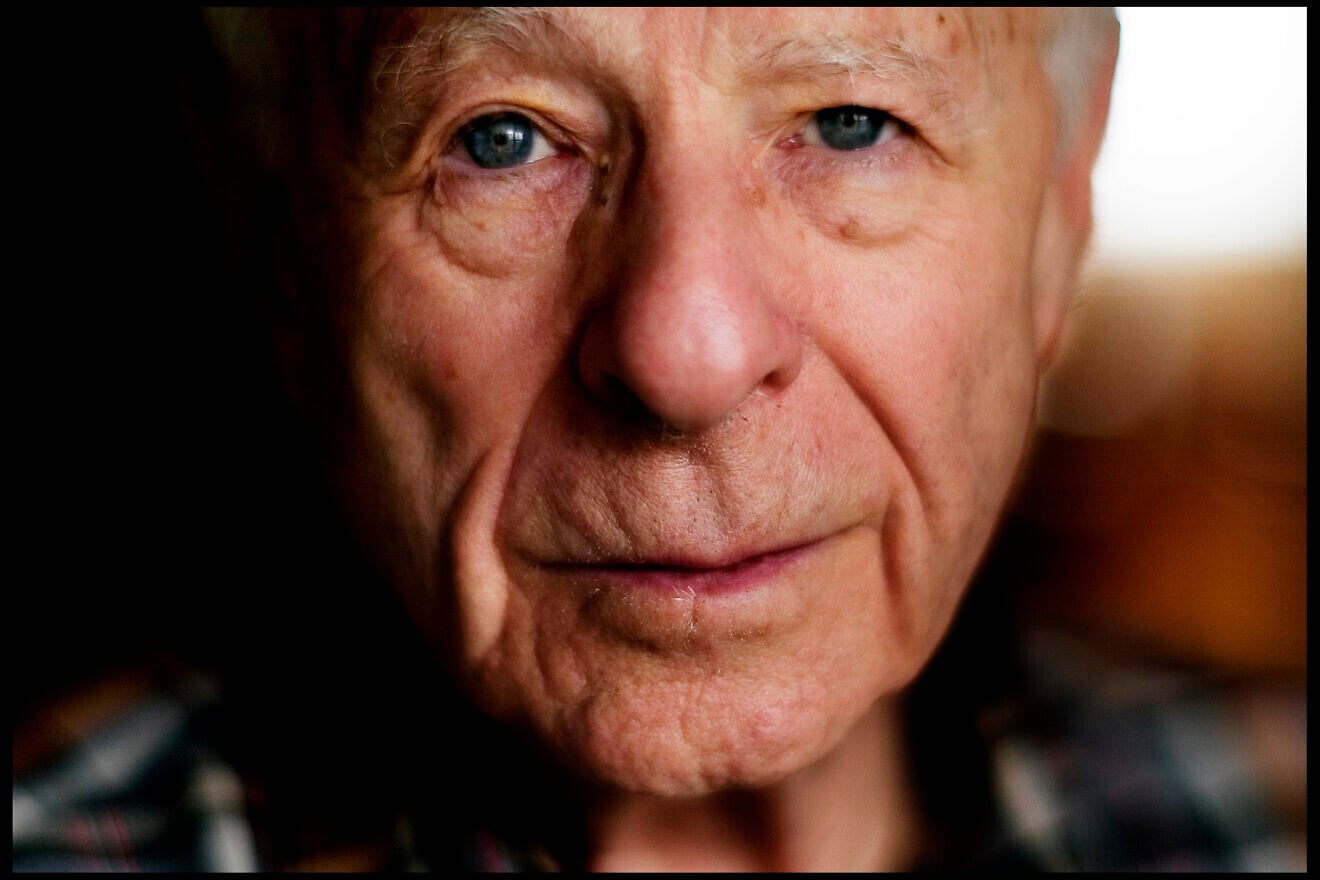
American neoconservative theorist and writer Norman Podhoretz at home in New York City. Photo by David Howells/Corbis via Getty Images.

There are those who insist that no one person, let alone a journal of opinion, can be said to have changed the world. Yet this was true of Norman Podhoretz and Commentary magazineThe man and his magazine helped win the Cold War, while awakening Americans to the moral bankruptcy of modern political liberalism and the threat it posed to the two countries that he loved: America and Israel.

The longtime editor of Commentary, who died on Dec. 15 at the age of 95, was more than a seminal figure among Jewish intellectuals of his era. He was that rare man of letters whose work transcended the worlds of literature, Jewish life and journalism in which he labored for many decades. To take a deep dive into his many essays, the 12 books he authored—not to mention the volumes of issues of the monthly magazine he edited from 1960 to 1995—is to take a journey through the history of the last century.

Still relevant today

The remarkable thing about so much of Norman Podhoretz’s writing is how relevant it is to contemporary political battles. That’s especially true for this work concerning the defense of America and the Jewish people, causes to which he remained devoted throughout his life. In this way, even though the volume of his writing diminished in the last decade and a half of his life, the body of work he created remains fresh and vital to the struggles he engaged in so ardently.

Take, for example, one piece he wrote for the New York Post in May 1986 (prior to that newspaper’s archive being digitized), a clipping of which fell out of one of his books in my personal library when I opened it while preparing to write about him. Titled “Anti-Semitism in the ‘Nation,’” it discussed that left-wing magazine’s decision to publish an openly antisemitic essay by author Gore Vidal in which he referred to Jews as “Israeli fifth columnists,” nothing more than guests in the United States who should shut up about “the politics of the host country.”

That marked, as Podhoretz rightly noted, “an ominous new stage in our public discourse.” Only 40 years after the Holocaust, antisemitism had “begun creeping back” into the national discussion “under the guise of anti-Zionism” and “criticism” of the Israeli government. But what was really going on was that people like Vidal, who were “eaten up with ferocious anti-Jewish feelings” were trying to “get away with putting all the old lies about the Jewish people back into circulation.”

Podhoretz was prescient in this, as he was on most things. Nearly 40 years later, his takedown of Vidal and The Nation also apply to the now fashionable antisemites on the left like New York City mayor-elect Zohran Mamdani, as well as the ones on the right with large followings like former Fox News host Tucker Carlson, both of whom also traffic in the same hateful tropes of dual loyalty and buying influence that they claim is only opposition to the State of Israel.

This is just one example of the arguments that characterized the arc of his career.

A lot of ‘ex-friends’

A brilliant prose-stylist, literary critic and influential editor, he was also well-known as a controversialist who never shied away from conflict with allies or foes. As a consequence, he lost a lot of friends among the luminaries of the world of letters who dominated the culture and society. He chronicled this in books like Breaking RanksThe Bloody Crossroads: Where Literature and Politics Meet and Ex-Friends. Like many American Jews, Podhoretz started out on the left but eventually abandoned it. He began a journey to the right when he realized that the political liberalism of the 1960s and ’70s, second nature to most Jews, was increasingly incompatible with the defense of the West against totalitarian communism and the battle against antisemitism.

That was something for which the New York literary set—inclusion in which was very important to him as a young man—never forgave him. Nor could they abide his willingness to unsparingly expose their hypocrisy, grasping ambition and raw lust for status, power and inclusion among the elites of fashionable society that he made clear in his groundbreaking 1967 memoir Making It.

For a 37-year-old writer and editor to write such a book at all was itself an act of chutzpah. But its memorable first line—“One of the longest journeys in the world is the journey from Brooklyn to Manhattan”—and what followed not only provided important insights about the struggle for acceptance for the generation of children of Jewish immigrants to America. It heralded the arrival of a literary pugilist who was prepared to tell the truth about the high and mighty, and who would also chart a path toward a new way of looking at public policy and society.

In the course of making his way from an impoverished childhood in Brooklyn to the dazzling salons of Manhattan and all it represented, Podhoretz also gained a perspective that most of his peers lacked. His path took him from life at Columbia University as a scholarship student, where he was mentored by some of the great minds of the era, to Cambridge University in England. But as he later wrote, it was during his two years of Army service, in which he encountered the people and the culture outside of New York, that he began to understand the greatness of America and its people. And it was that love for his country that animated his refusal to go along with cultural trends that denigrated it.
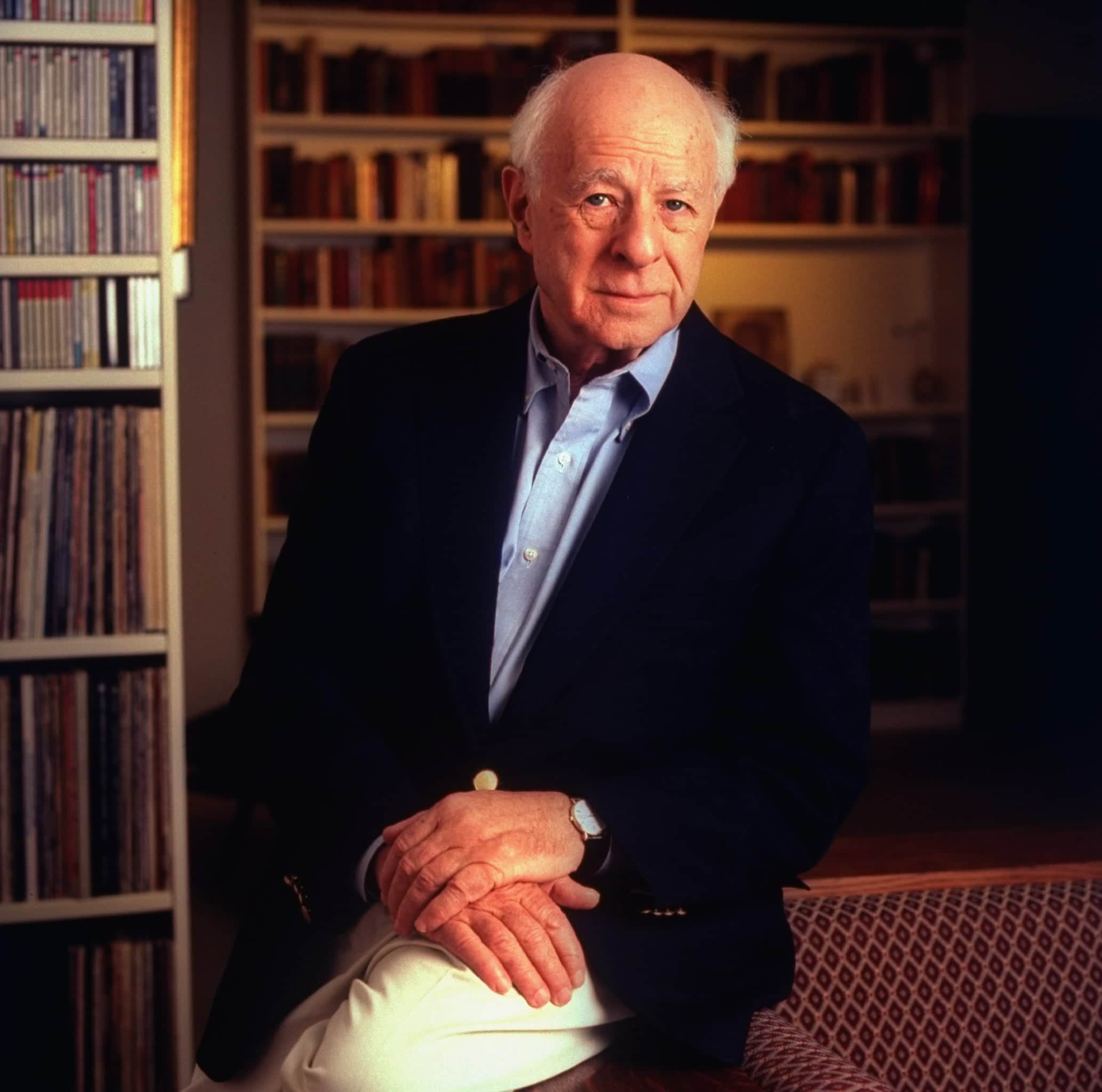
Norman Podhoretz at his home. in New York City Photo by James Keyser/Getty Images.

Understanding neoconservatism

Podhoretz was one of the leading lights of what came to be called “neoconservatism.” That is a term that in the last two decades came to be associated with advocacy for the failed American wars in Afghanistan and Iraq, and the futile attempt to export democracy to Islamic societies that wanted no part of it.

But its meaning—when it first began to be applied in the 1970s to people like the Commentary editor, and his friend and colleague Irving Kristol—bespoke the willingness of a generation of writers and academics who had grown up on the political left to rethink the assumptions of the political liberalism that had dominated American life since the Great Depression.

It involved critiques of the welfare state and its impact on the poor, as well as the consequences of an all-powerful government and administrative state that was increasingly unaccountable to voters. It also involved a spirited defense of American society against the formidable challenge it was undergoing from the so-called “New Left” and the counterculture that had rapidly become the new establishment, which brooked no dissent.

This liberal deconstruction of the foundation of the traditions of Western civilization would eventually lead to the creation of new toxic myths rooted in Marxism and misguided ideas about race that would seek to tear down America. Even 50 years ago, the rot was apparent to those who cared to see it. As Kristol noted, “a neoconservative is a liberal who has been mugged by reality.”

In response, Podhoretz and Commentary mounted a defense of the sort of bourgeois values that centered on the importance of family and patriotism, which elites looked down upon. This same necessary rethinking of where liberalism had led also applied to foreign policy.

In the 1970s, America was reeling from the disaster of Vietnam and suffering from a “credibility crisis” to which both the Lyndon Johnson and Richard Nixon presidencies had contributed. It was also awash in a post-1960s despair about the ability of the West to resist the growing Soviet menace to the free world.

Here again, Commentary helped point the way by championing a vigorous defense of the need to combat communism when fashionable opinion increasingly took the cynical and defeatist view that the two sides in that long conflict were morally equivalent. Podhoretz and his wife Midge Decter, also an accomplished and important writer, were founding members of the Committee for the Present Danger, a group whose members included a number who would serve in the Ronald Reagan administration (including Reagan himself) that sought to raise awareness of the threat from an “evil empire” that liberals were not willing to confront let alone ready to defeat. Decter died on May 9, 2022, at the age of 94.

While some other conservatives (by the end of the Cold War, the notion of a separate group of neoconservatives was more a function of antisemites trying to anathematize what they incorrectly believed were solely Jewish thought leaders than a meaningful distinction) treated the fall of the Berlin Wall as signaling the end of history, Podhoretz readily understood that the next challenge for the West from radical Islam, and its adherents and apologists, would be just as dangerous and perhaps even more difficult to overcome.

Standing up for Israel

And it was in this context that his full-throated defense of the State of Israel must be understood. His opposition to efforts to weaken it or to appease its existential enemies, even via false hopes for peace that were raised by the 1993 Oslo Accords that Podhoretz courageously opposed, again led the establishment to decry yet another example of his unwillingness to bend to conventional wisdom. Where others, especially among the credentialed liberal elites, stood in judgment on an embattled Israel, critiqued its efforts at self-defense and sought to force upon it suicidal concessions to implacable enemies, he pointed to the stakes in this struggle, both for Israelis and Americans.

America’s efforts to transform Afghanistan and Iraq were forlorn hopes sunk by the solid grip of Islamic beliefs that are clearly antithetical to Western democracy. Podhoretz, however, wasn’t wrong to focus on what he saw as an existential threat (detailed in his 2007 book World War IV: The Long Struggle Against Islamo-Fascism), something that has only become clear to less cogent thinkers in the two years since the Hamas-led Palestinian Arab attacks on Israel on Oct. 7, 2023. The global surge in Jew-hatred that has swept over America, especially at campuses like Columbia and now manifesting itself in a long list of terrorist attacks against Jewish targets, illustrates that Podhoretz was again ahead of the curve when it came to understanding what was important.

It must be recognized that the man was a prophet who was largely rejected by those he cared most about. American Jews, for whom political liberalism came to replace traditional Jewish faith. They remained stubbornly wedded to the political left and erstwhile minority allies, who were increasingly willing to treat them and the security of a besieged Israel as unworthy of their concern. They remained stuck in the ideas of the early 20th century, in which they embraced the left and distrusted both new religious allies on the right, and the America that was not a product of the two coasts and elite opinion. He would memorably dissect this problem in his 2009 book, Why Are Jews Liberals? It remains the most important work on the topic.

Even his early writings, such as his controversial essay “My Negro Problem—and Ours,” published in Commentary in 1963, spoke of growing up in a divided neighborhood where the races were at odds with each other. It speaks eloquently to America’s current post-Black Lives Matter problems with its advocacy for a color-blind society, as opposed to efforts by leftists to make such divisions permanent.

The American Jewish experience

Podhoretz’s life was a microcosm of the American Jewish experience in which a child of immigrants raised in poverty ascended to the heights of influence in the worlds of literature and politics. In 2004, President George W. Bush awarded him the Presidential Medal of Freedom—the nation’s highest civilian honor.

The real proof of Podhoretz’s greatness, however, rests in the way his magazine and his writing helped lead the way forward at a moment in history when the forces of totalitarianism seemed to have the wind at their backs. It emerged at a time when the country’s intellectual establishment had essentially disarmed itself in the name of morally bankrupt liberalism.

Just as important, his example fostered a new generation of American thinkers and writers who recognize those threats and who are willing to engage in the intellectual battles needed to defend the West and Israel, as well as to bear witness against antisemitism. Among them are his son John, who followed in his footsteps as editor of Commentary; his daughter, my friend and valued colleague JNS senior contributing editor Ruthie Blum; myself; and many others. Whatever we may achieve as we continue to take up the struggle for this righteous cause that he passed on to us is only because we stand on the shoulders of a giant.

May his memory be for a blessing.

Jonathan S. Tobin is editor-in-chief of the Jewish News Syndicate, a senior contributor for The Federalist, a columnist for Newsweek and a contributor to many other publications. He covers the American political scene, foreign policy, the U.S.-Israel relationship, Middle East diplomacy, the Jewish world and the arts. He hosts the JNS “Think Twice” podcast, both the weekly video program and the “Jonathan Tobin Daily” program, which are available on all major audio platforms and YouTube. Previously, he was executive editor, then senior online editor and chief political blogger, for Commentary magazine. Before that, he was editor-in-chief of The Jewish Exponent in Philadelphia and editor of the Connecticut Jewish Ledger. He has won more than 60 awards for commentary, art criticism and other writing. He appears regularly on television, commenting on politics and foreign policy. Born in New York City, he studied history at Columbia University.


Zawartość publikowanych artykułów i materiałów nie reprezentuje poglądów ani opinii Reunion’68,
ani też webmastera Blogu Reunion’68, chyba ze jest to wyraźnie zaznaczone.
Twoje uwagi, linki, własne artykuły lub wiadomości prześlij na adres:
webmaster@reunion68.com


Nanny Sentenced in France for Poisoning Jewish Family as US Ambassador Slams French Gov’t Over Rising Antisemitism


Nanny Sentenced in France for Poisoning Jewish Family as US Ambassador Slams French Gov’t Over Rising Antisemitism

Ailin Vilches Arguello


Sign reading “+1000% of Antisemitic Acts: These Are Not Just Numbers” during a march against antisemitism, in Lyon, France, June 25, 2024. Photo: Romain Costaseca / Hans Lucas via Reuters Connect

An Algerian woman residing illegally in France was sentenced on Thursday to less than three years in prison for poisoning the food of the Jewish family that employed her as a nanny, but was acquitted of antisemitism-aggravated charges — a ruling that has come amid renewed criticism of the French government’s response to rising antisemitic incidents.

The 42-year-old nanny, who has worked as a live-in caregiver for a family with three children aged two, five, and seven since November 2023, was sentenced at the criminal court in Nanterre, just west of Paris, to two and a half years in prison for “administering a harmful substance that caused incapacitation for more than eight days,” French media reported.

However, the court declined to uphold antisemitism charges against the nanny, accused of poisoning the family by contaminating their food and drinks with toxic substances, noting that her incriminating statements were made several weeks after the incident and recorded by a police officer without a lawyer present.

Solange Marle, the nanny’s lawyer, praised the court’s ruling as “satisfactory.”

“Antisemitism was not at all the motive behind this act. In this case, justice was applied independently, free from political or media influence,” she told French media.

For their part, the family’s lawyers described the ruling as “incomprehensible,” insisting that “justice has not been served.”

They said the court failed to consider the full range of converging evidence — including the children’s testimony, statements from third parties, the nanny’s social media posts, and religious objects vandalized in the house — which, they claimed, showed the antisemitic motive behind the poisoning.

The nanny, who has been living in France in violation of a deportation order issued in February 2024, was also convicted of using a forged document — a Belgian national identity card — and barred from entering France for five years.

First reported by Le Parisien, the shocking incident occurred in January last year, just two months after the caregiver was hired, when the mother discovered cleaning products in the wine she drank and suffered severe eye pain from using makeup remover contaminated with a toxic substance, prompting her to call the police.

After a series of forensic tests, investigators detected polyethylene glycol — a chemical commonly used in industrial and pharmaceutical products — along with other toxic substances in the food consumed by the family and their three children. 

According to court documents, these chemicals were described as “harmful, even corrosive, and capable of causing serious injuries to the digestive tract.”

Even though the nanny initially denied the charges against her, she later confessed to police that she had poured a soapy lotion into the family’s food as a warning because “they were disrespecting her.”

“They have money and power, so I should never have worked for a Jewish woman — it only brought me trouble,” the nanny told the police. “I knew I could hurt them, but not enough to kill them.”

According to her lawyer, the nanny later withdrew her confession, arguing that it offered no proof of an antisemitic motive and emphasizing that jealousy and a perceived financial grievance were the main factors behind the attack.

The court’s ruling comes as international scrutiny of the French government continues to grow over the rising tide of antisemitism in the country, with US and Israeli officials calling on French authorities to take stronger action to safeguard the local Jewish community.

This week, US Ambassador Charles Kushner slammed the French government once again, accusing it of ignoring the surge in antisemitic incidents and warning that “antisemitism has long scarred French life.”

“The majority of Jews in France live in fear and they feel totally abandoned by their government,” Kushner told Time France in an interview. “France has lost its way.”

“There are so many incidents that we have kept track of and that happened in this country, and the government does absolutely nothing,” he continued. “I wouldn’t feel welcomed here if I was scared to walk around with a yarmulke on my head, or scared to put a mezuzah on my door.”

Earlier this year, the French Foreign Ministry summoned Kushner after he accused Paris of failing to act decisively against the rising antisemitism targeting France’s Jewish community.

In a letter to French President Emmanuel Macron, Kushner had voiced his “deep concern over the dramatic rise of antisemitism in France” and criticized the French government for its “lack of sufficient action” to confront it.

However, French authorities rejected such claims as “unacceptable” and warned that Kushner’s letter violated international law.


Zawartość publikowanych artykułów i materiałów nie reprezentuje poglądów ani opinii Reunion’68,
ani też webmastera Blogu Reunion’68, chyba ze jest to wyraźnie zaznaczone.
Twoje uwagi, linki, własne artykuły lub wiadomości prześlij na adres:
webmaster@reunion68.com


Coś niezwykłego dzieje się w izraelskim świecie kultury

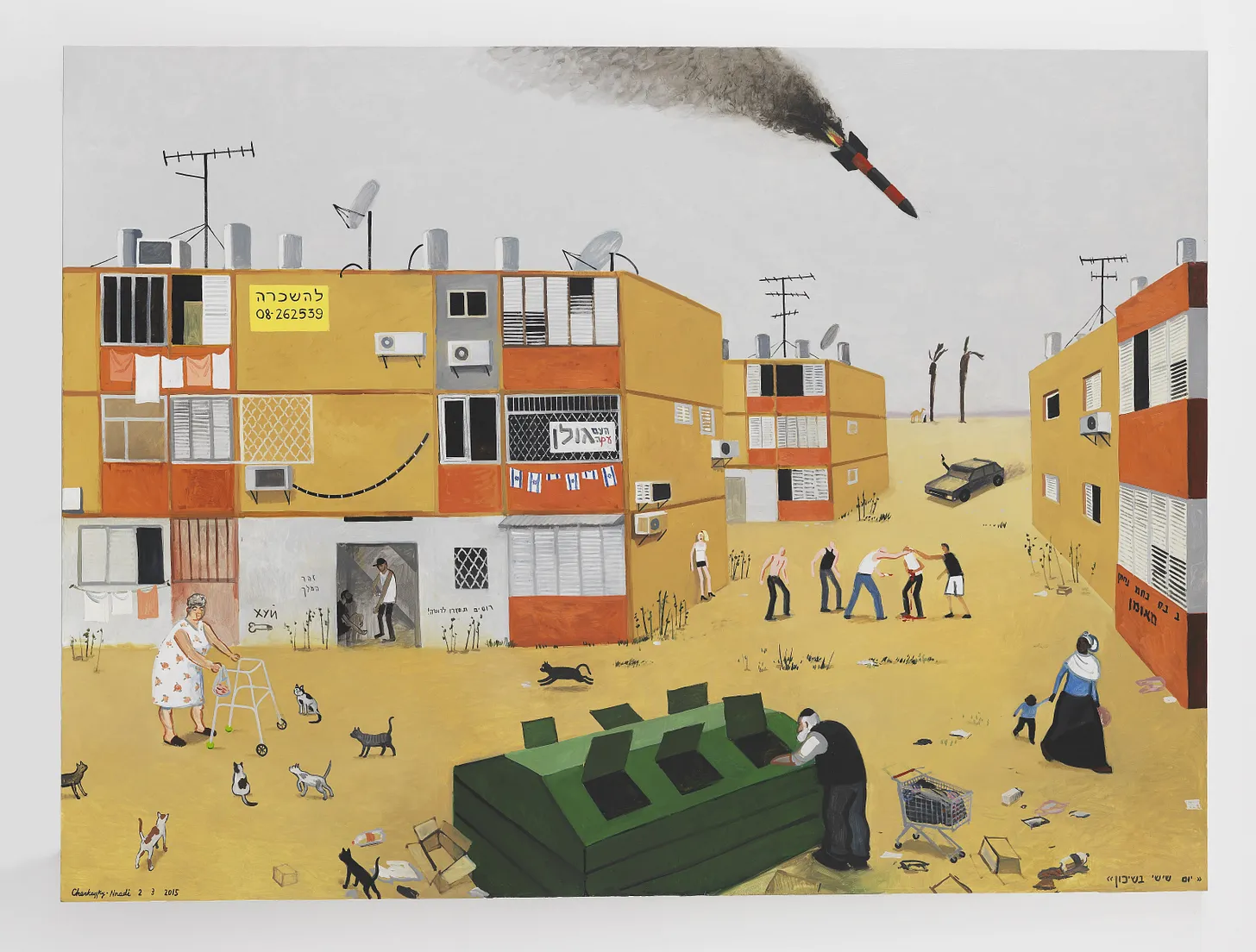
Photo © The Israel Museum, Jerusalem (credit: Ellie Posner)


Coś niezwykłego dzieje się w izraelskim świecie kultury

Joshua Hoffman


Przez świat przelewają się międzynarodowe bojkoty podszywające się pod moralne zasady, w odpowiedzi widzimy jak kreatywne odrodzenie przekształca izraelską tożsamość — napędzane przez artystów, innowatorów i społeczeństwo, które odmawia utraty swojej duszy.

W izraelskim świecie kultury dzieje się coś niezwykłego: cichy, buntowniczy wybuch kreatywności w odpowiedzi na rok naznaczony traumą, wrogością i bezprecedensowym, globalnym wysiłkiem, by zepchnąć izraelskich artystów na margines.

Od 7 października odwołano na całym świecie niezliczone wystawy, koncerty, pokazy filmowe, panele akademickie i festiwale. Część z nich przerwano w chaosie pierwszych miesięcy wojny. Jednak znacznie więcej wydarzeń zniknęło później — odwołanych nie z powodu obaw o bezpieczeństwo, lecz w wyniku jawnych i ukrytych bojkotów kulturowych, podszywających się pod moralną postawę.

A jednak izraelski świat artystyczny nie przygasł — przeciwnie, zapłonął. Przestrzeń opuszczona przez zagranicznych wykonawców, zamknięte możliwości i zamarzniętą dyplomację została energicznie wypełniona przez samych izraelskich twórców. Sztuki wizualne, teatr, muzyka i kino nie tylko trwają — przeżywają renesans. I nie dzieje się to mimo presji i wykluczenia, lecz właśnie z ich powodu.

Choć wojna najprawdopodobniej już za nami, powrót międzynarodowych koncertów do Izraela (zwłaszcza tych z udziałem najbardziej znanych artystów) nie wydaje się bliski. A chłód dotyka nie tylko wykonawców. We wrześniu gwiazdy Hollywood podpisały list zobowiązujący się do niepodejmowania współpracy z izraelską branżą filmową. Wielu muzyków zażądało, by ich utwory nie były dystrybuowane w Izraelu. Izraelscy artyści otwarcie wspierający swój kraj muszą liczyć się z coraz poważniejszymi konsekwencjami.

Przykłady mnożą się w zawrotnym tempie, a to tylko wydarzenia z bieżącego roku:

  • Anta Gathering, pięciodniowy festiwal muzyczny organizowany przez Izraelczyków w Portugalii, został zamknięty przez lokalną policję po kampanii prowadzonej przez ruch BDS.
  • Festiwal muzyczny Tomorrowland w Belgii odwołał występ izraelskiego artysty muzyki elektronicznej Skaziego, powołując się na niejasne „względy bezpieczeństwa”, krótko po wprowadzeniu zakazu eksponowania izraelskich flag.
  • Międzynarodowy Festiwal Filmów Dokumentalnych w Amsterdamie, jedno z najważniejszych wydarzeń tego typu na świecie, wykluczył z udziału kilka istotnych izraelskich instytucji (w tym Docaviv, CoPro i Kan).
  • Na Festiwalu Filmowym w Toronto dokument o izraelskim generale, który 7 października uratował swoją rodzinę, został tymczasowo usunięty z programu z powodu rzekomego braku „praw do materiałów” nakręconych przez Hamas. Reżyser Barry Avrich skomentował to podczas panelu festiwalowego: „O ile wiem, Hamas nie ma działu licencjonowania materiałów filmowych”.

Nawet świat europejskich konkursów muzycznych nie pozostał odporny. Izrael był o krok od wykluczenia z Eurowizji 2026. Gdy ostatecznie dopuszczono go do udziału (co ogłoszono w zeszłym tygodniu), Hiszpania, Holandia, Irlandia i Słowenia wycofały się z konkursu.

Presja sięga także świata sportu — obszaru kiedyś uznawanego za odporny na politykę. Politycy i kampanie społeczne domagają się, by Izrael był traktowany jak Rosja po inwazji na Ukrainę. Porównanie to nie wytrzymuje nawet pobieżnej analizy: to Rosja rozpoczęła wojnę; Izrael nie zainicjował masakry Hamasu ani ofensywy regionalnych proxy Iranu. Mimo to protesty i zakłócenia nasilają się na meczach piłkarskich i koszykarskich w Europie, podczas wyścigów kolarskich i zawodów judo na całym świecie.

Przekaz jest jasny: międzynarodowa sfera kultury próbuje objąć Izrael kwarantanną — nie formalną, jak w przypadku Rosji, lecz społeczną i symboliczną.

A jednak wydarzyło się coś niespodziewanego: reakcją wewnątrz Izraela nie była rozpacz, lecz przebudzenie.

Podczas 16. edycji Israel Music Showcase Festival, który odbył się w zeszłym miesiącu w różnych miejscach kraju, dyrektorka artystyczna Hadas Vananu natychmiast wyczuła zmianę. Jak powiedziała publiczności, tegoroczne wydarzenie „otworzyło coś nowego”, miała wrażenie, że to „początek czegoś nowego”. Revital Malka z izraelskiego MSZ podziękowała zagranicznym gościom za „otwarte uszy i serca” — gest rzadko spotykany wobec Izraela w dzisiejszych czasach.

Zmieniło się coś głębszego. Gdy wybuchła wojna, Showcase Festival porzucił tradycyjny model międzynarodowej delegacji i stał się w pełni izraelskim wydarzeniem — wspólnotą zranionych ludzi, którzy tworzą, słuchają, opłakują i leczą się razem. Kreatywność przestała być rozrywką — stała się wspólnotą i przetrwaniem, zasiewając ziarna czegoś większego.

W całym kraju instytucje kultury obrały podobny kierunek — nie jako ucieczkę, lecz jako odnowę.

W sierpniu Muzeum Sztuki w Tel Awiwie ogłosiło przyjęcie 35 nowych dzieł 11 współczesnych izraelskich artystów. Rzeźba, fotografia, tkaniny, malarstwo — różnorodność mediów odzwierciedlała różnorodność głosów powracających na pierwszy plan. Prace te wejdą teraz do stałej kolekcji muzeum, poszerzając kanon w czasie, gdy międzynarodowe muzea ograniczają dostęp.

W Jerozolimie Muzeum Izraela uczciło swoje 60-lecie, całkowicie przekształcając kolekcję sztuki izraelskiej po raz pierwszy od niemal dekady. Kurator Amitai Mendelsohn, autor wystawy „Sztuka izraelska – Wahadło czasu”, wyjaśnił, że nie chodziło o chronologiczny przegląd, lecz o rezonans z chwilą obecną. Skupił się na trzech stanach psychicznych — rzeczywistości, nadziei i duchowości — formach świadomości, które od zawsze napędzały izraelską sztukę, lecz dziś nabrały nowej pilności.

„Nie można ignorować kontekstu i czasu, w którym żyjemy” — powiedział Mendelsohn². „Wiele dzieł nabrało nowego znaczenia, zwłaszcza w świetle ostatnich wydarzeń… Chcemy stworzyć trajektorię konfrontującą się ze złożoną rzeczywistością poprzez trzy psychiczne sfery: rzeczywistość, nadzieję i ducha. To wahadło, poruszające się między tu i teraz a snem lub ucieczką, zawsze istniało w izraelskiej sztuce.”

Współczesna sztuka izraelska od zawsze odzwierciedlała złożoność kraju, ale dziś jest bardziej zagęszczona, ostrzejsza, mniej przefiltrowana. Galerie w Tel Awiwie — Sommer Contemporary, Dvir, Chelouche — są pełne eksperymentalnych prac badających tożsamość, konflikt, intymność i kruche granice między żałobą prywatną a publiczną. Przestrzenie artystyczne Jerozolimy — zawsze bardziej refleksyjne — konfrontują się ze świętą historią, pamięcią zbiorową i ciężarem rytuału po katastrofie. Artyści nie tworzą już z myślą o międzynarodowej recepcji; tworzą z myślą o prawdzie.

Stawka jest większa. I to widać w ich pracy.

Izraelskie kino, choć może napotykać największe bariery za granicą, również przeżywa jeden z najmocniejszych okresów twórczych ostatnich lat. W szczególności kobiety-reżyserki stały się sercem izraelskiego kina. Dominują podczas nagród Ofir (izraelski odpowiednik Oscarów), debiutują silnymi pierwszymi i drugimi filmami, przesuwając granice izraelskiej narracji.

7 października otworzył nowy rozdział w tym, jak kino przedstawia izraelskie kobiety. Krytyk filmowy Shmulik Duvdevani zauważył, że izraelskie kino przez dekady koncentrowało się wokół macho tsabara: Aszkenazyjczyka, mężczyzny, stoickiego, nieustraszonego. Teraz jednak wiodącymi postaciami wojny stają się kobiety z pierwszej linii — zwłaszcza obserwatorki IDF stacjonujące przy granicy ze Strefą Gazy.

Ich historia jest wstrząsająca. 7 października zginęło szesnaście obserwatorek, siedem zostało porwanych, jedna zginęła w niewoli, jedna została uratowana, pięć wróciło do domu dopiero w 2025 roku. Przez miesiące ostrzegały przełożonych o nadchodzącym ataku — ostrzeżenia te zostały zignorowane.

Dziś kobiety te stają się kluczowymi postaciami izraelskiej pamięci kulturowej. Talya Lavie, znana z kultowej komedii Zero Motivation (2014), tworzy o nich nowy film. Dokument Noa Aharoni Eyes Wide Open (2024) stał się obowiązkową pozycją. W przygotowaniu są dziesiątki innych projektów — fabularnych i dokumentalnych.

Wielu izraelskich twórców filmowych nie chce jednak wypowiadać się do zagranicznych mediów, licząc, że po zakończeniu wojny festiwale znów zaczną przyjmować ich filmy. Jak powiedział anonimowo jeden z reżyserów: „Nie jestem zwolennikiem Bibiego, nigdy na niego nie głosowałem, i to szaleństwo, że moje filmy nie są pokazywane przez politykę, z którą nie mam nic wspólnego. Wyobrażacie sobie, że amerykańskie filmy byłyby bojkotowane tylko dlatego, że komuś w Europie nie podoba się Trump?”³

Odwołania nie dotyczą tylko filmu i muzyki. Na festiwalu Edinburgh Fringe — często chwalonym za otwartość i eksperymenty — żydowskim komikom Rachel Creeger i Philipowi Simonowi odwołano występy z powodu „obaw o bezpieczeństwo”. W rzeczywistości organizatorzy obawiali się protestów. Zamiast chronić artystów, usunięto ich z programu.

Przekaz był głośny i wyraźny: nawet sama żydowskość — nie mówiąc już o izraelskiej tożsamości — może dziś stać się podstawą do wykluczenia w niektórych kręgach kulturowych.

A reakcja w Izraelu? Po raz kolejny — fala lokalnej twórczości. Nowe sztuki, nowe stand-upy, nowe formy performance’u — często surowe, poranione, eksploracyjne i odważne.

Międzynarodowe sceny zamykające drzwi zmusiły izraelskich artystów do zadania radykalnego pytania: Dla kogo tworzymy?

Przez ostatnie dwie dekady izraelska kultura była nastawiona na zewnątrz, silnie zintegrowana z globalnym obiegiem. Nadal chce być częścią świata — i oczywiście na to zasługuje. Ale od 7 października, wraz z zanikającymi zaproszeniami i zamykającymi się drzwiami, narodziło się coś innego: świadomość, że izraelska kultura nie potrzebuje międzynarodowej akceptacji, by się rozwijać.

Artyści zaczęli tworzyć dla własnego społeczeństwa. Publiczność zaczęła wspierać ich z większym zaangażowaniem. Instytucje zaczęły inwestować głębiej. Rezultatem jest twórcza obfitość. Ten renesans wyrasta z przeciwności, ale nie jest nimi zdefiniowany. Kształtuje go wykluczenie, ale napędza — odporność. Izraelscy artyści nie kurczą się — wypełniają przestrzenie pozostawione przez innych.

Jesteśmy świadkami głębokiego przestawienia kulturowego — zwrotu ku wnętrzu, który nie jest ucieczką, lecz ponownym zakorzenieniem. Gdy zagraniczne sceny zgasły, izraelscy artyści rozświetlili puste miejsce własnym światłem. Gdy międzynarodowe instytucje się wycofały, izraelskie wkroczyły naprzód z nowymi zobowiązaniami, nowymi zakupami, wystawami, festiwalami i opowieściami.


Świat zewnętrzny być może teraz nie słucha. Ale publiczność w kraju — tak. I to wystarczy.

Link do oryginału: https://www.futureofjewish.com/p/something-extraordinary-is-happening

Future of Jewish, 9 grudnia 2025


Zawartość publikowanych artykułów i materiałów nie reprezentuje poglądów ani opinii Reunion’68,
ani też webmastera Blogu Reunion’68, chyba ze jest to wyraźnie zaznaczone.
Twoje uwagi, linki, własne artykuły lub wiadomości prześlij na adres:
webmaster@reunion68.com


Australia’s ‘Hanukkah Massacre’ Is Worse Than You Think


Australia’s ‘Hanukkah Massacre’ Is Worse Than You Think

Daniel Pomerantz


Australian Prime Minister Anthony Albanese speaks during a press conference at the Parliament House in Canberra, Australia, June 17, 2024. Photo: Lukas Coch/Pool via REUTERS

Chabad’s “Hanukkah by the Sea” event near Bondi Beach in Sydney, Australia, turned into a bloody massacre on Sunday: 15 murdered and dozens more injured, as of the latest update.

Far from being an isolated incident, this nightmarish display of terror is only the latest symptom of a dangerous and systematic attack by the Australian government against its own Jewish population.

According to news sources, the terrorists were Sajid and Naveed Akram: a father and son of Pakistani origin who had pledged allegiance to ISIS shortly before carrying out their antisemitic bloodbath.

In one rare bright spot, Ahmed Al Ahmed, an immigrant from Syria, heroically risked his life to disarm one of the terrorists, likely saving many innocent lives in the process. Al Ahmed survived several gunshots and is recovering in hospital.

In the aftermath of this modern day pogrom, Australian Prime Minister Anthony Albanese issued a statement in which he made no mention whatsoever of Jews, antisemitism, Hanukkah, Islamic extremism,terrorism, or ISIS.

Albanese referred to the massacre merely as “shocking” and “distressing,” and said that his thoughts were with “every person affected.”

Within hours, Israeli Prime Minister Benjamin Netanyahu utterly excoriated Albanese, accusing him of “pouring fuel on this antisemitic fire,” and noting that he had sent Albanese a letter last August, warning of the very conditions that had brought about this attack, a warning that had gone unheeded.

In tandem with the Israeli Prime Minister’s vigorous public scolding, Albanese held a press conference, in which he finally condemned the Bondi attack as antisemitic.

However, Albanese continued to avoid any mention of Islamic extremism, despite Australian law enforcement having already publicly confirmed that the terrorists had pledged allegiance to the Islamic State terror organization (ISIS), and that they were carrying an ISIS flag in their vehicle.

According to reports, the Mossad had been warning Australia regularly for months about terror plots against the local Jewish community. Local police deny there were specific warnings about this particular attack, but Israeli leaders from all sides of the political spectrum countered that Australia had ignored “countless warning signs.”

Australia’s national failures are reminiscent of the Dutch pogrom of November 2024, in which local Muslim attackers violently hunted Israeli soccer fans through the streets of Amsterdam — after Dutch police ignored urgent warnings from Israeli intelligence.

The conditions for a similar massacre are currently shaping up in New York City, where the incoming mayor responded to a highly threatening antisemitic protest by accusing the local Jewish community of “violations of international law.” (I previously addressed both topics in depth at The Algemeiner).

For the past two years since the October 7 massacre, not only has Australia seen a massive rise in violent antisemitic attacks, but local Jewish leaders have consistently objected to the government’s permissive atmosphere toward attacking Jews, such as failing to apply appropriate penalties and needed protections.

Examples include frequent and enormous marches calling to “Globalize the Intifada” (a phrase that the United States Congress officially recognizes as a call for violence against the Jewish people), public calls to “gas the Jews,” as well as Australia’s recognition of a Palestinian state last September, a move widely regarded in the Arab world as a reward for the October 7 massacre.

Like most countries with free speech protections, Australia also has numerous federal and local laws against incitement, which authorities have routinely failed and refused to enforce in protection of Australia’s Jewish communities.

Prime Minister Albanese has promised to respond to the massacre by tightening Australia’s gun laws. Ironically, Australia already has among the strictest gun control regimes in the entire world. Apparently, gun laws are not enough when a country permits and ignores massive hatred, incitement, antisemitism, ongoing violence, and affiliations with international terror organizations.

Who knew?

Given Australia’s ongoing commitment to a failing “strategy,” its continued protection of Islamist extremists, and its continuing systematic neglect of Jewish safety, it is safe to assume that this is only the beginning of more attacks to come.


Daniel Pomerantz is the CEO of RealityCheck, an organization dedicated to deepening public conversation through robust research studies and public speaking.


Zawartość publikowanych artykułów i materiałów nie reprezentuje poglądów ani opinii Reunion’68,
ani też webmastera Blogu Reunion’68, chyba ze jest to wyraźnie zaznaczone.
Twoje uwagi, linki, własne artykuły lub wiadomości prześlij na adres:
webmaster@reunion68.com


After Bondi Attack, the West Must Face the Reality of ‘Migration Jihad’


After Bondi Attack, the West Must Face the Reality of ‘Migration Jihad’

Jonathan Sacerdoti


A woman keeps a candle next to flowers laid as a tribute at Bondi Beach to honor the victims of a mass shooting that targeted a Hanukkah celebration at Bondi Beach on Sunday, in Sydney, Australia, Dec. 16, 2025. Photo: REUTERS/Flavio Brancaleone

“They don’t move from the Arab world to Europe. They move the Arab world to Europe.” So said Professor Mordechai Kedar when he spoke to me for an extended interview as part of my podcast series. That episode was published the very day the Hanukkah celebration at Bondi Beach in Sydney, Australia, was attacked. The massacre only confirmed his words. Migration, as he described it, does not merely transfer people from one place to another. It carries cultures, ideologies, and systems of meaning with it, and those systems do not remain inert; they spread and even flourish.

Kedar’s claim is not about ethnicity or private belief. It describes the movement of social order, of moral assumptions, of ideas about authority and legitimacy. People do not arrive empty-handed. They bring with them ways of organizing life, ways of resolving conflict, ways of defining who belongs and who does not. When those systems collide with liberal societies uncertain of their own boundaries, pressure accumulates.

The Bondi shooting especially matters because it strips away the last remaining comfort. This was not Gaza, not the West Bank, not a contested border. It was a beach, during a religious festival, in a country geographically and politically distant from the Middle East. A symbol of Australia, freedom, liberty. The perpetrators identified by law enforcement, a Muslim father and son, who had taken part in “military-style training” in the Philippines in the month leading up to the attack, targeted Jews.

Kedar warned me how this form of conquest moves through ideology, through repetition, through intimidation, through the slow reshaping of public space by force and intimidation — a “migration jihad.” Islam is not a private creed, but an all-encompassing framework. As Kedar puts it, it is “not only religion … Islam is also politics, economy, and every aspect of public life.” When that framework relocates, it seeks expression. When it meets hesitation, it expands.

Europe has been living inside this dynamic for years. Jews are often the first target, but the pattern rarely ends with us. Concerts, campuses, cultural events, and public squares have become the battlefields of this unconventional war. Yet political leadership responds with ritual rather than authority: candle lighting, moments of silence, interfaith theater. Expressions of sorrow, memorial gestures, and carefully chosen metaphors replace enforcement and deterrence. In Britain, demonstrations containing explicit antisemitic incitement have been tolerated for months without clear red lines. Around the world, the language of concern circulates freely while responsibility for combating poisonous ideologies and organized dangerous networks is shirked.

Paris has just canceled its traditional open-air New Year’s Eve concert on the Champs-Élysées because authorities judged the security risks too high to safely host such a large crowd of around a million people. The event will be replaced by a pre-recorded broadcast and fireworks only. Christmas markets and other festive sites have also been flagged as high-risk targets and subject to fortified security.

So, it’s not just Jews who are under threat. In Australia the terrorists came for Hanukkah, but they’ve been targeting Christmas for years. In Berlin in December 2016, a Muslim attacker, Anis Amri, drove a lorry into the Christmas market at Breitscheidplatz, murdering 12 people and injuring dozens more in one of the deadliest jihadist attacks in Germany.

In Strasbourg in December 2018, a Muslim attacker inspired by ISIS opened fire near the city’s Christmas market, killing five people, in an assault explicitly framed by French authorities as Islamist terrorism.

And last week federal authorities in the US arrested several people in connection with a planned New Year’s Eve bombing plot in Southern California. The FBI and Department of Justice say the group responsible is “pro-Palestinian” in its outlook as well as anti-law-enforcement and anti-government. The individuals were allegedly preparing improvised explosive devices (IEDs) to be used in coordinated bomb attacks across Los Angeles on New Year’s Eve.

But the response is weak. These days, order is no longer asserted; risk is managed. Jewish institutions are advised to remain calm while accepting abnormal levels of private security as a permanent feature of everyday life. An arrangement that should register as failure is absorbed as routine. Trust erodes this way.

Bondi shows that Europe is no longer the outer boundary of this phenomenon. Australia is now inside it. America, too, is discovering the same pressures through campus unrest, ideological intimidation, and violence that increasingly treats Jewish life as a proxy target for the wider freedoms and values it represents. The geography changes. The structure holds.

What Professor Kedar described was not prediction but trajectory. When people do not simply arrive but bring whole systems with them, the question facing Western societies ceases to be one of tolerance alone. It becomes a question of whether they still possess the clarity and resolve to defend the civic order and freedoms they inherited.


Jonathan Sacerdoti, a writer and broadcaster, is now a contributor to The Algemeiner.


Zawartość publikowanych artykułów i materiałów nie reprezentuje poglądów ani opinii Reunion’68,
ani też webmastera Blogu Reunion’68, chyba ze jest to wyraźnie zaznaczone.
Twoje uwagi, linki, własne artykuły lub wiadomości prześlij na adres:
webmaster@reunion68.com