Archive | January 2026

Dlaczego Zachód jest podzielony w kwestii islamu politycznego

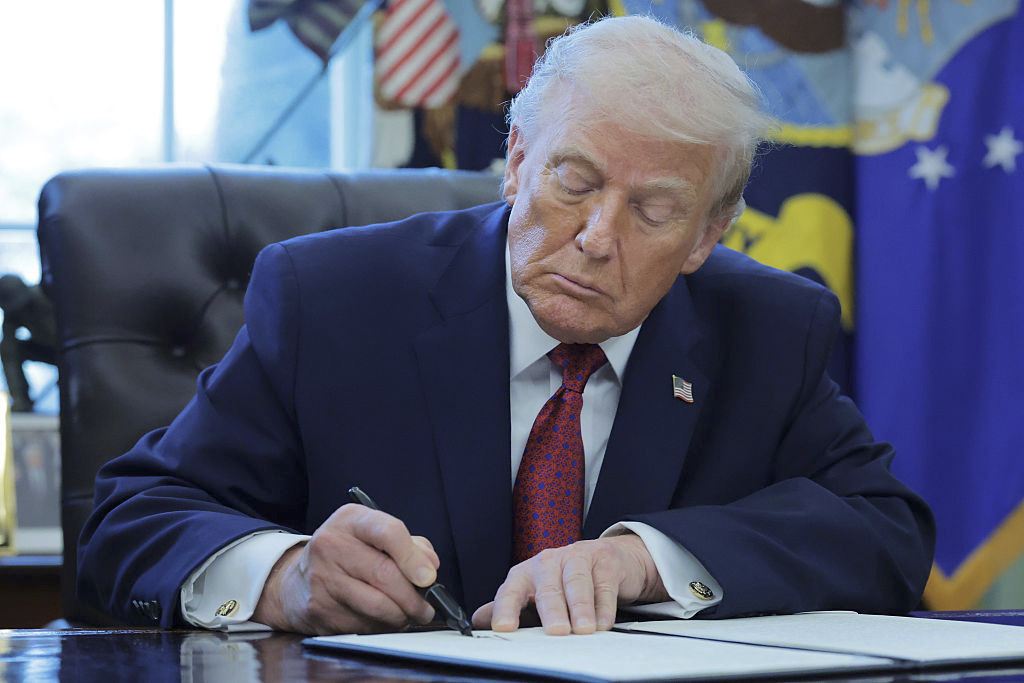
Na zdjęciu: Prezydent USA Donald J. Trump podpisuje rozporządzenie wykonawcze w Białym Domu, 15 grudnia 2025 r., w Waszyngtonie. (Zdjęcie: Anna Moneymaker/Getty Images)

Dlaczego Zachód jest podzielony w kwestii islamu politycznego

Pierre Rehov
Tłumaczenie: Andrzej Koraszewski


24 listopada 2025 r. prezydent USA Donald J. Trump podpisał rozporządzenie wykonawcze, które rozpoczęło formalny proces uznania niektórych oddziałów Bractwa Muzułmańskiego za zagraniczne organizacje terrorystyczne (FTO) oraz globalnych terrorystów specjalnie oznaczonych (SDGT). Rozporządzenie nakazuje sekretarzom stanu i skarbu ocenę oddziałów Bractwa w krajach takich jak Egipt, Jordania i Liban oraz podjęcie działań na podstawie amerykańskiego prawa antyterrorystycznego, by odebrać im zasoby i zdolności operacyjne — posunięcie to zostało wprost powiązane z priorytetami bezpieczeństwa narodowego po inwazji Hamasu na Izrael 7 października 2023 r. i jej konsekwencjach na Zachodzie. Nakreślono harmonogram przedstawienia rekomendacji w sprawie konkretnych oddziałów.

W ten sposób Trump podjął najbardziej zdecydowaną próbę od dekad zmierzenia się z islamistycznymi sieciami politycznymi, które w Waszyngtonie długo były traktowane jako element debaty politycznej, a nie jak śmiertelne zagrożenie dla bezpieczeństwa.

Tymczasem po drugiej stronie Atlantyku reakcja na ten sam nurt ideologiczny nie mogła być bardziej odmienna. W Unii Europejskiej i wielu jej głównych stolicach islam polityczny — często reprezentowany przez organizacje powiązane z Bractwem Muzułmańskim — nadal stanowi element szerszego podejścia opartego na “dialogu z islamistami”. Czy można sobie wyobrazić “dialog z bolszewikami” albo “dialog z III Rzeszą”? Islamscy ekstremiści są traktowani jako uprawniony głos w społeczeństwie obywatelskim i w debacie publicznej. Europejscy decydenci na ogół odrzucają twarde środki prawne, zamiast tego angażując ekstremistyczne sieci muzułmańskie jako interesariuszy w ramach “multikulturowych” modeli rządzenia. Ten kontrast między konfrontacyjnym stanowiskiem Waszyngtonu a ugodowym podejściem Brukseli odzwierciedla głęboki strategiczny rozdźwięk w sposobie, w jaki Zachód postrzega islam polityczny.

To wyraźnie kontrastuje z amerykańską strategią konfrontacji. Administracja Trumpa postrzega Bractwo Muzułmańskie nie jako partnera reform politycznych, lecz jako zagrożenie dla bezpieczeństwa narodowego. Rozporządzenie z listopada 2025 r. podkreśla związki Bractwa z działalnością terrorystyczną, w tym z Hamasem i innymi organizacjami terrorystycznymi. Dyrektywa prezydenta zobowiązuje administrację do zgromadzenia dowodów, które umożliwią uznanie tych struktur za organizacje terrorystyczne, co pozwoliłoby na penalizację wspierania ich oraz ograniczenie ich działalności międzynarodowej.

Ten krok jest efektem wieloletnich debat w administracji i Kongresie USA na temat tego, czy Bractwo spełnia kryteria organizacji terrorystycznej. Historycznie rzecz biorąc, USA odróżniały ugrupowania dżihadystyczne (takie jak Al-Kaida czy ISIS) od islamistycznych ruchów politycznych, jak Bractwo Muzułmańskie, które uczestniczyły w wyborach lub działały w społeczeństwie obywatelskim. Jednak narastająca przemoc islamistyczna i globalna sieć Bractwa skłoniły Waszyngton do zmiany podejścia. Równolegle Kongres USA prowadzi nowe działania ustawodawcze zmierzające do wprowadzenia ram prawnych dla takiego uznania.

W Europie sytuacja wygląda inaczej. UE i stolice państw członkowskich nadal angażują się w dialog z organizacjami powiązanymi z Bractwem Muzułmańskim, oferując im finansowanie, miejsce w konsultacjach obywatelskich i udział w programach polityki multikulturalnej. Przykładem może być Forum Europejskich Organizacji Młodzieży i Studentów Muzułmańskich, które działa w instytucjach unijnych i choć zaprzecza powiązaniom z Bractwem, to niektóre raporty wskazują na takie związki.

Organizacje afiliowane przy Bractwie są obecne w całej Europie — nie tylko wśród studentów. Federacja Organizacji Islamskich w Europie, założona w 1989 roku i mająca siedzibę w Brukseli, stanowi parasol dla dziesiątek ugrupowań islamskich i jest uznanym partnerem instytucji unijnych. Choć przedstawia się jako reprezentantka głównego nurtu muzułmanów, badania akademickie i polityczne wykazują jej głębokie powiązania z Bractwem Muzułmańskim i globalną ideologią islamistyczną.

Europejska polityka “dialogu” wynika z szeroko rozpowszechnionego przekonania, że włączanie “różnorodnych głosów” w struktury społeczne i polityczne ogranicza radykalizację. Krytycy uważają jednak, że angażowanie grup o ideologicznych powiązaniach z islamizmem normalizuje nurty odrzucające wartości liberalne i relatywizuje ekstremizm.

Belgii, zwłaszcza w Brukseli — siedzibie instytucji UE — ta dynamika jest szczególnie widoczna. Raporty parlamentarne ujawniły znaczne fundusze z programów unijnych przekazywane organizacjom powiązanym z Bractwem, co wzbudziło niepokój niektórych eurodeputowanych.

We Francji, rządowy raport z 2025 roku stwierdzał, że sieci Bractwa rozszerzają wpływy przez szkoły, meczety i NGO-sy, kamuflując cele ideologiczne integracją i pomocą społeczną. Prezydent Emmanuel Macron zwołał posiedzenie rządu, by przedyskutować tezy raportu jako zagrożenie dla laickiej republiki. Mimo to pojawiły się oskarżenia o stygmatyzację i upolitycznienie diagnozy.

Podobne napięcia widoczne są w Niemczech, gdzie Wspólnota Islamska Niemiec (IGD) działa legalnie mimo uznania przez służby za centralną strukturę Bractwa. W Szwecji, po publikacji francuskiego raportu, minister Mats Persson powołał zespół ekspertów, ale napotkał silny sprzeciw ze strony socjaldemokratów.

Na całym kontynencie ekstremistyczne organizacje muzułmańskie tworzą sieci edukacyjne i młodzieżowe. We Francji zidentyfikowano setki takich stowarzyszeń, powiązanych z ideologią Bractwa.

Zjawisko “entryzmu“, czyli taktyki infiltracji struktur demokratycznych przez grupy ekstremistyczne, umożliwia islamistom zdobywanie wpływów, kształtowanie debaty publicznej i normalizowanie skrajnych poglądów. W efekcie Zachód asymiluje się do islamu, a nie odwrotnie.

Krytycy wskazują, że europejskie zaangażowanie w sieci Bractwa ma też wpływ na politykę wobec Izraela, gdzie niejednoznaczność UE w ocenie islamu politycznego przyczyniła się do wzrostu radykalizacji i antyizraelskich nastrojów wśród młodych muzułmanów i nie tylko muzułmanów.

Podsumowanie:
Rozporządzenie Trumpa redefiniuje debatę strategiczną — priorytetem staje się bezpieczeństwo narodowe, a nie miraż “dialogu” czy “akomodacji”. Różnice między Europą a USA ukazują głębokie pęknięcie w rozumieniu islamu politycznego: Europa stawia na integrację i inkluzywność, USA — na konfrontację z ideologiami zagrażającymi demokracji.


Pierre Rehov, prawnik (Uniwersytet Paris-Assas), jest francuskim reporterem, powieściopisarzem i dokumentalistą. Autor sześciu powieści, m.in. Beyond Red Lines, The Third Testament i Red Eden. Jego najnowszy esej 7 octobre – La riposte stał się bestsellerem we Francji. Reżyser 17 filmów dokumentalnych kręconych m.in. w strefach wojennych Bliskiego Wschodu, koncentruje się na terroryzmie, uprzedzeniach medialnych i prześladowaniach chrześcijan. Ostatni film Pogrom(s) analizuje wielowiekową nienawiść do Żydów w cywilizacji muzułmańskiej jako główną przyczynę masakry z 7 października.


Zawartość publikowanych artykułów i materiałów nie reprezentuje poglądów ani opinii Reunion’68,
ani też webmastera Blogu Reunion’68, chyba ze jest to wyraźnie zaznaczone.
Twoje uwagi, linki, własne artykuły lub wiadomości prześlij na adres:
webmaster@reunion68.com

Concern about antisemitism on the right isn’t a plot against Vance


Concern about antisemitism on the right isn’t a plot against Vance

Jonathan S. Tobin


The vice president won’t distance himself from a dogmatic faction of Jew-haters led by Tucker Carlson. That’s why some Republicans are drawing conclusions about him.

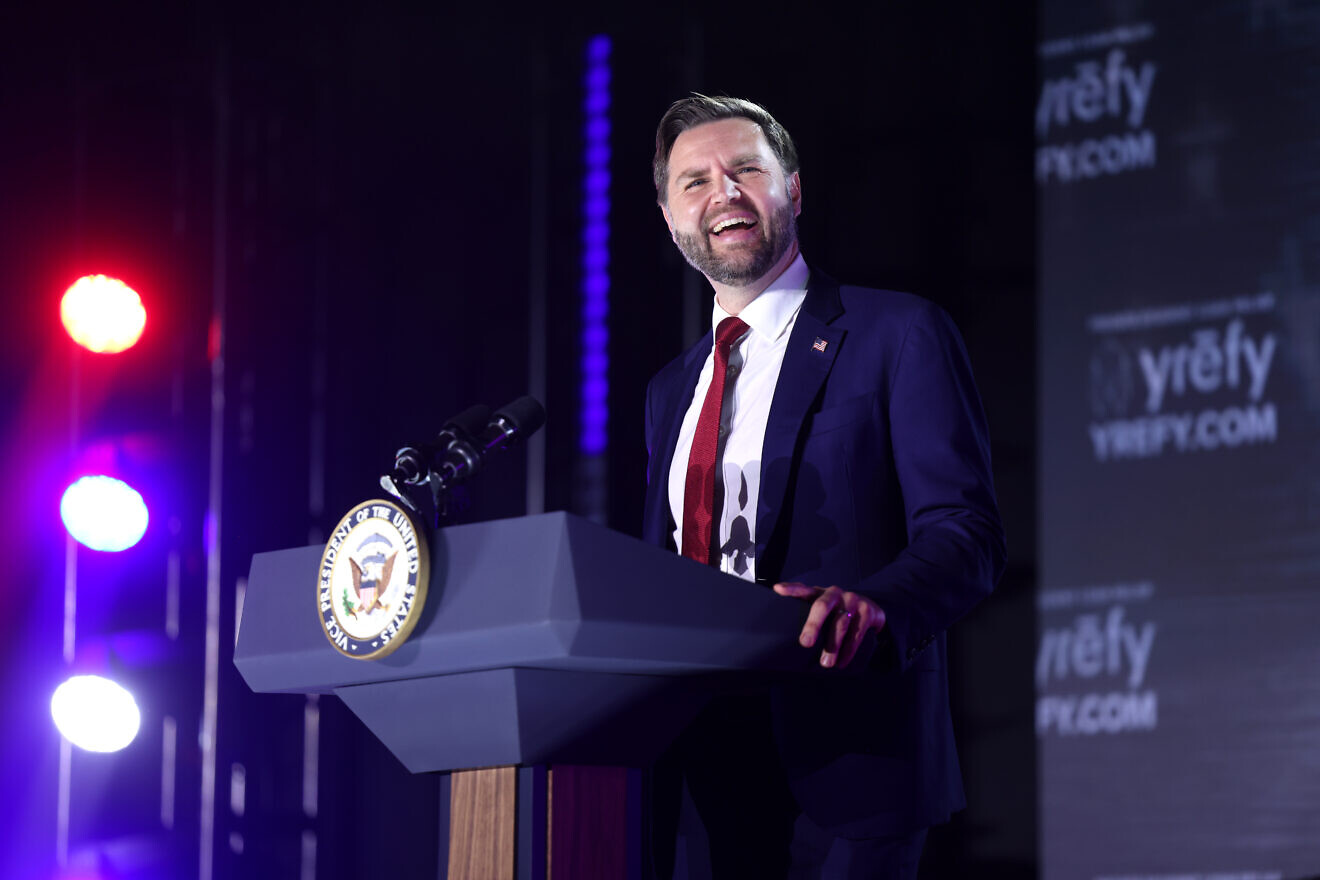
U.S. Vice President JD Vance speaks with attendees at the University of Mississippi tour stop of the “This Is The Turning Point” tour at the SJB Pavilion in Oxford, Miss., Oct. 29, 2025. Credit: Gage Skidmore via Creative Commons.

Believe it or not, 18 months from now, the 2028 presidential race will already have begun. And, assuming that there will actually be a real contest for the Republican nomination, some of Vice President JD Vance’s fans aren’t waiting until the summer of 2027 to begin laying the groundwork for his campaign.

Apparently, their goal is to frame the battle as one between the 41-year-old man who is currently a heartbeat away from the presidency and the former discredited GOP establishment. By that, they refer to those who used to run Washington along with the Democrats before President Donald Trump came down the escalator in Trump Tower in June 2015 and into the country’s political life.

An unwelcome discussion

They are also claiming that those who have noticed the rise of antisemitism inside the Republican Party and the conservative movement in the past year are doing so only to discredit Vance. That was the argument of a recent column in The Spectator by Daniel McCarthy, the editor of the paleoconservative journal Modern Age. It was more or less the same argument made by John Henry Davidson in The Federalist last November as a way to dismiss the criticism of Kevin Roberts, the president of the Heritage Foundation, for his defense of far-right podcaster Tucker Carlson. It also seemed to be the vice president’s explanation for the controversy with comments that he has made about the trouble revolving around whether some people “don’t like Israel.”

That Vance realizes the importance of the issue was made clear last month in his much-anticipated address to the Turning Point USA AmericaFest. There, he declared that the entire discussion about antisemitism among conservatives was not merely unwelcome, but something that was being used to create unnecessary divisions and to distract the right from its main job of defeating the political left.

In his speech, he made it clear that he saw the issue as one of freedom of expression. In this way, he depicted those who are angry about the surge of Jew-hatred around the globe and in the United States as trying to “cancel” conservatives. Following the lead of Carlson and others on the far right, he opposes the backlash against the former Fox News host’s platforming of antisemitism and Holocaust denial. Vance seems to view anger about this as no different from the deplorable manner in which leftists silenced dissent against their toxic doctrines during the moral panic about race following the death of George Floyd over the course of the Black Lives Matter summer of 2020.

The problem with this is more than the fact that this is an utterly disingenuous evaluation of the controversy that has divided the right in the months since the assassination of Turning Point USA founder Charlie Kirk. Since then, Carlson hosted neo-Nazi “groyper” leader Nick Fuentes in a chummy interview on his podcast. In the past year since hosting faux historian and Holocaust denier Daryl Cooper, Carlson’s show has been largely devoted to platforming virtually anyone who will bash Israel and promote the idea that Jews are controlling American foreign policy and the media, all classic tropes of Jew-hatred. He has also become an uncompromising defender of Qatar, the country that is funding Islamist propaganda and terrorism.

Candace Owens, another popular though thoroughly unhinged right-wing podcaster, has gone even further down the rabbit hole of antisemitism and conspiracy theories. She alleges that the Jews and Israelis are guilty of Kirk’s murder on the Utah Valley University campus and various other crimes while also seeking to promote age-old hard-core tropes about the Jews, such as depicting the Talmud as a hate tract.

Vance thinks that he ought not to be asked to condemn these lunatics or even to distance himself from Carlson, a friend who did a lot to foster his political career. Indeed, he remains close to him, reportedly having lunch with the podcaster in the White House on Jan. 9, after which Carlson was allowed to sit in on a meeting between Trump, Vance and oil executives when Venezuela was being discussed.

Megyn Kelly’s temper tantrum

He’s not alone. Megyn Kelly, another heretofore responsible conservative voice who has condemned antisemitism and supported Israel, now believes that it is unreasonable to ask her to do the same when it comes to her friends Carlson and Owens. Indeed, she is so angered by these requests that she has turned on both Jews and Israel.

In what can only be described as a childish tantrum aired in an appearance on Carlson’s show this week, she has declared that she would “rather die” than condemn the anti-Jewish hate flowing from that program or that of Owens. Furthermore, she says she now believes that the media is controlled by Jews “who are not telling the truth about Israel,” as if the overwhelming majority of corporate legacy media hasn’t been mainstreaming Hamas propaganda ever since the terrorist attacks on Oct. 7, 2023. Echoing Carlson, she repeats that the issue isn’t Muslim antisemitism and support for Islamist terror, but that Jews and friends of Israel are responsible for promoting hatred of Muslims in America.

It’s important to remember that Carlson and Kelly are not insignificant figures on the far right but influential media personalities with vast followings on social media, as well as millions of viewers and listeners of their shows. Though Owens and Fuentes don’t have the veneer of respectability that Carlson and Kelly acquired during their stints as prime-time Fox News hosts, they have audiences that number in the millions. More to the point, among them are a sizable percentage of the many young Republicans and conservatives currently working in official Washington.

While Kirk was a strong believer in debate with anyone on anything, he labored to keep his organization free of the influence of Fuentes and the groypers. Now that he’s gone, there is no one to guard the gates of conservatism. Indeed, Vance and others on the right seem to be taking the position that in the post-BLM era, any sort of gatekeeping, even to keep out the most vicious hate-mongers, is wrong.

Is Trump a ‘neoconservative’?

For Vance and his media cheerleaders, any efforts to get him to take a side in the debate about whether there is room in the conservative movement for antisemites are not merely a distraction from the right’s main task of taking on the left. They feel that it’s all just a trick by neoconservatives to win back control of the Republican Party by thwarting the ambitions of Vance.

This is ludicrous for a number of reasons.

Neoconservatism, per se, was a movement that was deeply important and indeed crucial to moving on from the dominant liberalism of the mid-20th century and to winning the Cold War against the Soviet Union. Since then, it has become identified with the failed wars in Iraq and Afghanistan. But to the extent that it actually means anything in 2026, it is merely a way for some on the right to refer to what they think are Jews and others who support Israel. It is a boogeyman with which they can link to any cause they don’t like. It’s also the way they refer to opposition to the kind of extreme isolationism promoted by the likes of Carlson, who more often than not can be found speaking up for any opponent of the United States, whether in Moscow, Tehran or Caracas. That includes not merely Russian President Vladimir Putin, the Qataris and the Iranians (who have started broadcasting Carlson on the Islamic Republic’s state propaganda network). It also includes former Venezuelan president and narco-terrorist Nicolás Maduro, whom Carlson praised for his opposition to gay marriage.

What makes all this even crazier is that there is no differentiation between what these defenders of Vance label as neoconservatism or Bush-era Republican establishmentarians and the actual foreign policy of the Trump administration in which he is serving. As Trump has repeatedly made clear, there is no real daylight between the positions of the United States and Israel on the key issues of Gaza and Iran, which is completely at odds with what Carlson, Kelly and their groyper fans are supporting. Trump’s definition of “America First” is nothing like the “America Only” doctrine that Carlson backs.

Moreover, the administration has prioritized the battle against antisemitism, as was illustrated by the tough tactics that the president has employed against elite universities that tolerated and encouraged the pro-Hamas mobs that targeted Jewish students since Oct. 7.

Moral obfuscation

Yet when asked by CNN’s Scott Jennings to declare that the conservative movement has no room for antisemitism on his radio show, as with every previous opportunity he has been given to put himself on the right side of the issue, Vance prevaricated. While condemning Jew-hatred, he did it in the same manner that many on the left do so—by coupling it to other issues, thereby denying the very real and growing problem.

As writer Liel Liebovitz noted, his response was “malicious moral obfuscation” and not the kind of moral clarity that Americans have a right to expect from a vice president, let alone someone who aspires to the presidency.

Bringing this up is inconvenient for those who see Vance as the future of the Republican Party, as well as the man who can shift the GOP away from the stalwart pro-Israel policies and implacable opposition to anti-Jewish positions that Trump has brought it. 

But doing so is not part of a plot to derail Vance’s 2028 candidacy. To the contrary, as the current frontrunner to succeed Trump, conservatives of all stripes want Vance to take stands that are not just moral but also popular, and thus likely to help Republicans hold onto the White House.

Carlson and now Kelly may think a neo-Nazi like Fuentes is smart and represents views that everyone should listen to. But those individuals who think being soft on antisemitism is smart politics don’t really know anything about the American people. Mimicking the left’s hatred for Israel and alliance with Islamists that has been evident since Oct. 7 is not a winning formula for a party, the vast majority of whose voters are supporters of the Jewish state.

It’s not unfair to ask Vance to take a stand on what is clearly one of the great moral issues of our time, as well as one linked to the defense of Western civilization, against those on the left who wish to tear it down. His failure to do so—and his determination to stick with his buddy Carlson—isn’t a distraction or an attempt to force him into a struggle session in which he does the bidding of a mythical all-powerful Israel lobby. It’s a test of his character. Unfortunately, much like Megyn Kelly, he’s currently failing it.


Jonathan S. Tobin is editor-in-chief of the Jewish News Syndicate, a senior contributor for The Federalist, a columnist for Newsweek and a contributor to many other publications. He covers the American political scene, foreign policy, the U.S.-Israel relationship, Middle East diplomacy, the Jewish world and the arts. He hosts the JNS “Think Twice” podcast, both the weekly video program and the “Jonathan Tobin Daily” program, which are available on all major audio platforms and YouTube. Previously, he was executive editor, then senior online editor and chief political blogger, for Commentary magazine. Before that, he was editor-in-chief of The Jewish Exponent in Philadelphia and editor of the Connecticut Jewish Ledger. He has won more than 60 awards for commentary, art criticism and other writing. He appears regularly on television, commenting on politics and foreign policy. Born in New York City, he studied history at Columbia University.


Zawartość publikowanych artykułów i materiałów nie reprezentuje poglądów ani opinii Reunion’68,
ani też webmastera Blogu Reunion’68, chyba ze jest to wyraźnie zaznaczone.
Twoje uwagi, linki, własne artykuły lub wiadomości prześlij na adres:
webmaster@reunion68.com


UK Home Secretary Says She ‘Lost Confidence’ in Police Chief Following Ban on Maccabi Tel Aviv Soccer Fans


UK Home Secretary Says She ‘Lost Confidence’ in Police Chief Following Ban on Maccabi Tel Aviv Soccer Fans

Shiryn Ghermezian


British Home Secretary Shabana Mahmood speaks on stage at Britain’s Labour Party’s annual conference in Liverpool, Britain, Sept. 29, 2025. Photo: REUTERS/Hannah McKay

British Home Secretary Shabana Mahmood told Parliament on Wednesday that she has lost confidence in the chief constable of the West Midlands Police (WMP) and will push for a new law that will give her power to fire him, after it was revealed that intelligence used by the police force to justify a ban against fans of the Israeli soccer team Maccabi Tel Aviv was “exaggerated or simply untrue.”

Mahmood’s comments came on the same day that her office announced new plans to give the home secretary the power to fire “failing chief constables.”

Speaking to UK lawmakers, Mahmood said that WMP Chief Constable Craig Guildford “no longer has my confidence” and that he should have ensured “more professional and thorough work was done” by police before the ban was implemented late last year. She claimed it has been over 20 years since a home secretary has made such comments about a chief constable.

West Midlands Police had a “failure in leadership” which “harmed the reputation and eroded public confidence in West Midlands police and policing more broadly” across the country, the UK’s home secretary explained in front of the House of Commons.

Maccabi supporters were banned from attending a soccer game at Villa Park in Birmingham on Nov. 6 last year, a decision made by Birmingham City Council in October following advice from a safety advisory group, which acted on a recommendation by West Midlands Police. Traveling Israeli fans were banned from the soccer game between Maccabi and Aston Villa due to “public safety concerns.”

“I do believe all of us in this country need to be able to trust the police when they come forward and they say they have risk assessed an upcoming event; they have come to a professional judgment as to whether an event can take place safety or not,” Mahmood said. “We all need to be able to trust that they have gone about making that risk assessment in a way that is robust, consistent, in line with the law, and just plain old truthful. That is not what’s happened in this case … It’s why I set out what I said about losing confidence in the chief constable.”

Mahmood does not have the power to fire a chief constable because of law changes implemented in 2011. Guildford would have to be dismissed by Simon Foster, the West Midlands Police and crime commissioner. However, Mahmood’s office announced on Wednesday she will push new legislation that will once again restore power to the home secretary to “force the retirement, resignation, or suspension of chief constables on performance grounds.”

Mahmood said she came to the conclusion about Guildford after receiving a “damning” and “devastating” report by His Majesty’s Inspectorate of Constabulary and Fire and Rescue Services, Sir Andy Cook, that “catalogues failures that did not just affect traveling fans” but also “let down our entire Jewish community in West Midlands and across the country.”

Cook’s report provides evidence that WMP only sought evidence to support what Mahmood called the police force’s “desired position” to ban Maccabi fans. The report also elaborates on a series of “misleading” public statements made by the police force, including Guildford, and “misinformation” promoted by the police. Cook’s report showed police “overstated the threat posed by Maccabi fans while understating the risk that was posed to the Israeli fans if they traveled to the area,” according to Mahmood.

“What is clear from this report [is] that on an issue of huge significance to the Jewish community in this country and to us all, we have witnessed a failure of leadership that has harmed the reputation and eroded public confidence in West Midlands Police and policing more broadly,” the home secretary said.

When the ban against Maccabi supporters was first announced in October, Mahmood and British Prime Minister Keir Starmer were among those who voiced concerns about the decision and said Israeli soccer fans should be allowed to attend the game.

Mahmood said police forces across the country should learn a “lesson” from the mistakes of WMP. Police around the UK should remember “they are called to their profession to serve truth and the law, to police our streets without fear or favor, and that community trust and cohesion depends upon them doing that above all else,” she said.


Zawartość publikowanych artykułów i materiałów nie reprezentuje poglądów ani opinii Reunion’68,
ani też webmastera Blogu Reunion’68, chyba ze jest to wyraźnie zaznaczone.
Twoje uwagi, linki, własne artykuły lub wiadomości prześlij na adres:
webmaster@reunion68.com


Wojna w Sudanie ma swój punkt ciężkości: Bractwo Muzułmańskie filarem reżimu al-Burhana


Wojna w Sudanie ma swój punkt ciężkości: Bractwo Muzułmańskie filarem reżimu al-Burhana 

Robert Williams


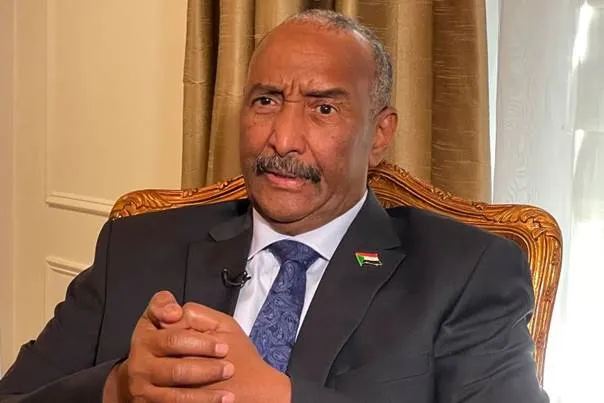
Generał Abdel Fattah al-Burhan, styczeń 2025 (Źródło: Al Dżazira)

Według wszelkich poważnych ocen, wojskowy reżim Sudanu nie działa w izolacji. U jego podstaw znajduje się Bractwo Muzułmańskie — ruch, który od dekad konsekwentnie dąży do przejęcia kontroli nad państwem: siłą, gdy to konieczne; infiltracją, gdy to możliwe; sojuszami regionalnymi, gdy to korzystne.

Bractwo jako rozgrywający w czasie wojny

Od kwietnia 2023 roku lojaliści Bractwa nie ograniczyli się do wsparcia SAF (Sił Zbrojnych Sudanu) — wniknęli w struktury operacyjne, wywiadowcze i polityczne armii.

Sieci powiązane z Bractwem zmobilizowały tysiące byłych oficerów wywiadu, islamistycznych bojowników i weteranów wcześniejszych kampanii dżihadystycznych, by walczyli u boku SAF. Uformowano z nich ideologicznie ukierunkowane milicje, z najbardziej znaną Brygadą Al-Bara ibn Malik, a także jednostkami takimi jak Tarcza Ojczyzny czy Północna Tarcza. Według udokumentowanych źródeł, te formacje otrzymywały broń, finansowanie i wsparcie logistyczne za pośrednictwem oficjalnych kanałów wojskowych, co zatarło granicę między siłami państwowymi a islamistycznymi bojówkami.

Bractwo i sprzymierzone z nim media konsekwentnie sabotują próby zawieszenia broni, odrzucają negocjacje i podważają legalność inicjatyw cywilnych, przedstawiając konflikt jako walkę o przetrwanie przeciwko “zagranicznym agentom” i “wrogom islamu”. Celem tej narracji jest nie tylko legitymizacja ciągłej wojny, ale i zabezpieczenie pozycji Bractwa jako kluczowego sojusznika wojennego.

Tworzenie tzw. struktur “oporu ludowego”, wspieranych przez dowództwo al-Burhana, zapewniło ideologii Bractwa nową instytucjonalną przestrzeń działania po rozwiązaniu jego poprzedniej partii rządzącej. W rezultacie, wojna umożliwiła powrót islamistów do struktur państwowych — tym razem pod płaszczykiem obrony narodowej.

Znany scenariusz: od al-Kaidy do dziś

Dzisiejsza strategia Bractwa powiela wzorce z lat 90., gdy Sudan stał się jednym z głównych światowych ośrodków dżihadyzmu transnarodowego.

W latach 1991–1996 Sudan, zdominowany przez Bractwo, oferował Osamie bin Ladenowi nie tylko bezpieczne schronienie, ale także możliwość prowadzenia działalności gospodarczej i swobodę operacyjną. Al-Kaida tworzyła w tym czasie infrastrukturę finansową, rolniczą i szkoleniową na sudańskim terytorium — pod państwową ochroną.

Skutki tego były globalne. Sudan został powiązany z:

  • zamachem na prezydenta Egiptu w Etiopii w 1995 r.,
  • zamachami bombowymi na ambasady USA w Kenii i Tanzanii w 1998 r.,
  • atakiem na USS Cole w 2000 r.

Te związki doprowadziły do uznania Sudanu za państwowego sponsora terroryzmu — status ten utrzymywał się przez blisko trzy dekady.

Choć Bractwo i al-Kaida różniły się w podejściu ideologicznym, to taktycznie współpracowały. Gdy miały wsparcie państwa, Bractwo umożliwiało działania jeszcze bardziej radykalnych grup.

Hamas, finanse i infrastruktura bojowa

Relacje Bractwa z Hamasem jeszcze wyraźniej pokazują jego rolę jako regionalnego zaplecza ruchów zbrojnych.

Już na początku lat 90. Sudan gościł biura Hamasu, jego personel i struktury inwestycyjne. Przywódca Bractwa, Hassan al-Turabi, pełnił rolę politycznego patrona i mediatora, wspierając konsolidację pozycji Hamasu. Z czasem organizacja ta korzystała z preferencyjnych warunków biznesowych, zwolnień podatkowych i nieograniczonych przepływów kapitału poprzez sudańskie firmy i fundacje charytatywne.

Po obaleniu Omara al-Baszira w 2019 roku władze Sudanu rozmontowały sieć firm powiązanych z Hamasem, przejmując nieruchomości, grunty rolne, fabryki, media i instytucje finansowe o łącznej wartości dziesiątek milionów dolarów. Amerykańskie sankcje potwierdziły później, że przez te struktury przekazano Hamasowi około 20 milionów dolarów.

Sudan był nie tylko centrum finansowym — stanowił logistyczny korytarz.

Iran: pragmatyczny sojusz, strategiczne konsekwencje

Pomimo różnic sunnicko-szyickich, relacja Bractwa z Iranem opierała się na pragmatyzmie. Sudan był punktem tranzytowym irańskiej broni kierowanej do Hamasu, szczególnie w latach 2009–2012. Uzbrojenie z Iranu i postkaddafijskiej Libii trafiało przez Sudan do Strefy Gazy, co przyczyniło się do izraelskich nalotów na cele w Sudanie.

Dla Iranu Sudan był narzędziem projekcji siły. Dla Bractwa — źródłem wpływów, zasobów i pozycji w regionie. Wspólni wrogowie i korzyści liczyły się bardziej niż doktrynalne różnice.

Rdzeń reżimu al-Burhana

Zestawiając powyższe fakty, wniosek jest nieunikniony: Bractwo Muzułmańskie nie jest zewnętrznym dodatkiem do reżimu al-Burhana — to jego ideologiczny i organizacyjny kręgosłup.

Struktury powiązane z Bractwem zapewniają:

  • bojowników i milicje wspierające SAF,
  • kadry wywiadowcze i bezpieczeństwa w strukturach państwowych,
  • polityczną narrację usprawiedliwiającą wojnę,
  • regionalne sieci finansowe, propagandowe i logistyczne.

W zamian al-Burhan daje lojalistom Bractwa legitymację, broń i dostęp do struktur państwowych — powielając układ, który umożliwił islamistyczne rządy pod rządami al-Baszira.

To sprzężenie tłumaczy, dlaczego presja międzynarodowa na negocjacje wielokrotnie zawodziła. Każda realna próba przekazania władzy cywilom zniszczyłaby odtworzoną strukturę wpływów Bractwa — a na to obecny reżim nie może sobie pozwolić.

Dlaczego to powinno obchodzić Stany Zjednoczone

Dla amerykańskich decydentów, kryzys w Sudanie nie może być analizowany jedynie przez pryzmat konkretnych osób czy wydarzeń wojennych. Trzeba zmierzyć się ze strukturalną rolą Bractwa Muzułmańskiego.

Reżim, którego rdzeń opiera się na ruchu z udokumentowaną historią współpracy z al-Kaidą, Hamasem i Iranem oraz sabotażem procesów demokratycznych, nie może być wiarygodnym partnerem na rzecz stabilności.

Ignorowanie tej rzeczywistości to prosta droga do powtórzenia błędów lat 90. — gdy Sudan był traktowany jak zwykły podmiot państwowy, mimo że stanowił inkubator dla siatek, które później destabilizowały region i zagrażały interesom USA.

Wojna w Sudanie ma wiele frontów, ale punkt ciężkości pozostaje ten sam. Dopóki ekstremiści z Bractwa trzymają państwo w garści, pokój pozostanie nieosiągalny — a niestabilność będzie wpisana w strategię rządzących.


https://www.gatestoneinstitute.org/22209/sudan-war-muslim-brotherhood

Gatestone Institute, 19 stycznia 2026


Zawartość publikowanych artykułów i materiałów nie reprezentuje poglądów ani opinii Reunion’68,
ani też webmastera Blogu Reunion’68, chyba ze jest to wyraźnie zaznaczone.
Twoje uwagi, linki, własne artykuły lub wiadomości prześlij na adres:
webmaster@reunion68.com


‘If the Bad Guys Start Shooting, It Comes Over Greenland’ vs. Europe’s Strategic Myopia


‘If the Bad Guys Start Shooting, It Comes Over Greenland’ vs. Europe’s Strategic Myopia

Pierre Rehov


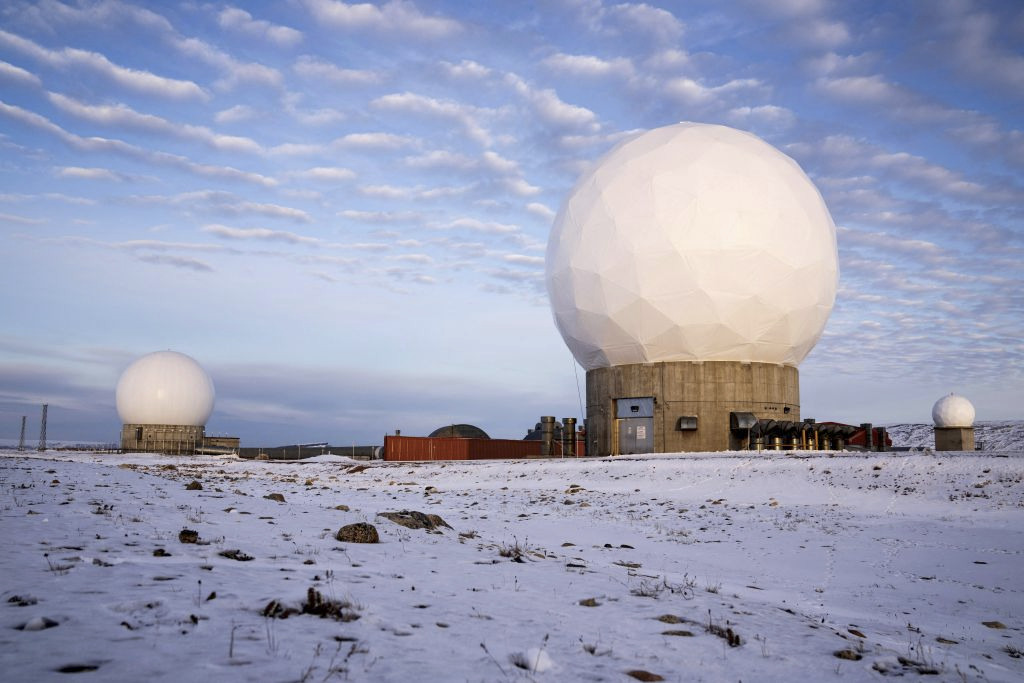
President Donald J. Trump saw what Europe could not, or perhaps would not: that Greenland is not a quaint curiosity; in the 21st century, it is an essential security asset and industrial necessity for the West. Pictured: The US Space Force’s Pituffik Space Base, in Greenland, photographed on October 4, 2023. (Photo by Thomas Traasdahl/Ritzau Scanpix/AFP via Getty Images)


  • President Donald J. Trump saw what Europe could not, or perhaps would not: that Greenland is not a quaint curiosity; in the 21st century, it is an essential security asset and industrial necessity for the West.
  • From the Arctic flight path of Russian and Chinese intercontinental ballistic missiles to the Arctic shipping lanes increasingly packed with Russian warships, Greenland’s importance has surged.
  • The European Union, sadly, still seems to be having trouble emerging from doctrinaire fantasies about its military preeminence, green transitioning, and the illusion that the “Great Replacement” of Europeans and their values — by immigrants and their values — is merely a “conspiracy theory.” Instead, Europe is continuing to betray its industrial base and toss away strategic opportunities.
  • Trump’s push, no matter how undiplomatically articulated, was consistent with a straightforward reality: You cannot safeguard Western security or technological superiority if the strategic routes by land, sea and sky, as well as essential raw materials, are controlled by your adversaries.
  • The great European flaw — from which it hopefully will soon recover — is that its political, economic and industrial policies are rooted in wishful thinking rather than in hard material realities.
  • Europe’s best move would be to allow the United States, which has both the will and the capability, to secure a foothold in Greenland that allows it, along with its allies, to shape and protect the future of the West.
  • China’s dominance in rare earth processing is not a theoretical risk — it is a concrete vulnerability for Western economies. Greenland offers a chance to diversify the supply and break dependence on a self-declared enemy.
  • Europe’s leaders, meanwhile, chase their vainglorious dreams…. just as these leaders still keep believing — or pretending to — that millions of immigrants from a totally different culture will adopt the laws and values of the West.
  • Europe’s dismissive reaction is more than incomprehension; it is symptomatic of a terrifying atrophy.
  • In the Arctic, and beyond, Trump is right — and Europe, once again, is too vain to learn.

For decades, the world treated Greenland as a sentimental footnote in Arctic mythology rather than a linchpin in global security and modern technology. This was strategic negligence with real consequences.

By contrast, President Donald J. Trump saw what Europe could not, or perhaps would not: that Greenland is not a quaint curiosity; in the 21st century, it is an essential security asset and industrial necessity for the West. “Everything comes over Greenland. If the bad guys start shooting, it comes over Greenland,” he said.

From the Arctic flight path of Russian and Chinese intercontinental ballistic missiles to the Arctic shipping lanes increasingly packed with Russian warships, Greenland’s importance has surged.

The US purchase of Alaska from Russia in 1867 was also ridiculed as a “folly.”

The European Union, sadly, still seems to be having trouble emerging from doctrinaire fantasies about its military preeminence, green transitioning, and the illusion that the “Great Replacement” of Europeans and their values — by immigrants and their values — is merely a “conspiracy theory.” Instead, Europe is continuing to betray its industrial base and toss away strategic opportunities.

Greenland’s geopolitical significance was obvious to Trump before it became fashionable to talk about the Arctic as a new theater of great-power competition. Unlike the Brussels bureaucrats who mock and ignore both President Trump and the potential danger, Trump recognized three facts early:

  • Greenland constitutes a strategic military platform for defending both the Western Hemisphere and Europe, and for monitoring adversaries across the Arctic.
  • Melting Arctic ice will open up sea routes that could redefine maritime aggression as well as opportunities for global commerce.
  • Greenland sits atop some of the world’s richest deposits of rare earth elements and critical minerals — materials essential for everything from electric vehicles to missiles and microchips.

In 2019, Trump formally raised the idea of acquiring Greenland from Denmark — not as an offbeat real estate idea, but as a strategic imperative for the United States and the West. Even if the political optics are clumsy, the logic is sound: keeping these assets out of Chinese or Russian hands — as well as their ability to use the Arctic for nuclear and ballistic missile attacks on the West, not to mention integrating Greenland’s assets into the Western supply chain — is vital.

According to multiple sources, Greenland has deposits of rare earth minerals among the largest outside China, and hosts 25 of the 34 minerals deemed “critical raw materials” by the European Commission. Rare earth elements — neodymium, dysprosium, terbium — are essential for permanent magnets in electric motors, smart electronics, and defense systems such as radar and precision guidance of air assets. Today, China controls roughly 70% of global rare earth production and 90% of processing capacity, giving Beijing disproportionate leverage over the global tech supply chain.

Trump’s push, no matter how undiplomatically articulated, was consistent with a straightforward reality: You cannot safeguard Western security or technological superiority if the strategic routes by land, sea and sky, as well as essential raw materials, are controlled by your adversaries.

Europe’s positive response is most welcome. Prior to this week, for example, while the US had moved to secure mining investment — the Trump-era Export-Import Bank considered a $120 million loan to fund the Tanbreez rare earth mine in Greenland — European politicians were negotiating memoranda of understanding and long-term value chains that only delay real production.

The great European flaw — from which it hopefully will soon recover — is that its political, economic and industrial policies are rooted in wishful thinking rather than in hard material realities.

It was not always so. Europe for centuries led the way in upholding civil liberties, equal justice under law, and the values of individual liberty that spring from the Judeo-Christian tradition, the Reformation and the Enlightenment. Europe was once a leader in heavy industry: cars, steel, coal, and defense manufacturing. Today, Europe struggles to keep up with global competitors in sectors that require strategic minerals. Instead, the technocrats in Brussels fixate on ideological goals — often at odds with cultural and economic viability as well as industrial competitiveness.

The European Union’s decision to phase out combustion engines by 2035 epitomizes this disconnect. In Brussels, electric vehicle (EV) mandates were hailed as a triumph of green policy. For many policymakers in France and Germany, it was a moral high ground: a cleaner planet, fewer emissions. What could possibly go wrong?

The scientific reality, alas, tells a more nuanced story. Electric vehicles produce zero tailpipe emissions, yet their environmental footprint is not the utopian “silver bullet” that most Europeans assume. EVs require extensive mining, processing, and battery production — all of which consume energy and raw materials, the application of which can be just as damaging to the planet even if sourced from half a world away.

Moreover, the claim that EVs solve particulate pollution is overstated: they still emit particles from tire and brake wear — and because they are heavier than traditional cars, non-tailpipe particulate concerns persist.

The European Parliament’s own studies acknowledge the “environmental challenges throughout the life cycle of battery electric vehicles,” noting that carbon footprints depend heavily on raw material extraction, production methods, and electricity sources.

Europe traded industrial strength for half-baked environmental virtue signaling, and now must source more and more critical materials — such as those found in Greenland — just to keep its green fantasies alive.

This disconnect highlights two core challenges:

  • Europe lacks secure supply chains. Dependence on Chinese rare earth elements undermines strategic autonomy.
  • Europe’s industrial policies, driven by environmental ideology rather than material science, risk hollowing out its manufacturing base.

Meanwhile, Trump’s America is not afraid to focus on where security for the West, chips for the West and rare earths for the West actually lie.

Today, international news outlets highlight Greenland’s burgeoning role in great-power politics. Melting sea ice will open Arctic shipping lanes, and both Russia and China are increasing their Arctic presence. Greenland’s geographic position — guarding the gateway between the Arctic and Atlantic — makes it invaluable for missile interception, military surveillance, and future naval operations.

Western analysts confirm what Trump grasped years earlier: Greenland is not remote; it is central. It lies at the intersection of climate change’s strategic effects, great-power competition, and the global scramble for critical minerals.

Rather than laugh or dismiss Trump’s interest as “absurd,” European leaders might have asked a more serious question: Why was Trump so intent on it? Today we have answers — and they vindicate Trump’s instinct.

From a geopolitical lens, the competition for Arctic influence is real. China, although at its closest point is 900 miles from the Arctic, quixotically brands itself a “near-Arctic state” and has sought a presence through scientific expeditions and infrastructure investments. Russia maintains military facilities. Europe’s best move would be to allow the United States, which has both the will and the capability, to secure a foothold in Greenland that allows it, along with its allies, to shape and protect the future of the West.

Many Europeans, sadly, will remain content with soft power and diplomatic protests. In 2026, US Treasury Secretary Scott Bessent even suggested that European “weakness” justified increased American presence in Greenland — a statement that, for all its bluntness, reflected Europe’s default strategic vacuum.

Critics of Trump’s Greenland policy often frame it as brash or impractical. Viewed objectively, it is grounded in three hard realities:

  • Control of strategic geography matters in a multipolar world.
  • Critical minerals are national security assets.
  • Policies divorced from reality — including the erosion of Western values by migrants, many of whom at best are conflicted about assimilating — invite decline.

These are principles that any serious global power must recognize. Europe has yet to fully grasp them.

Rare earth elements power wind turbines, electric vehicle motors, fiber-optic communication, defense systems, and advanced semiconductors. China’s dominance in rare earth processing is not a theoretical risk — it is a concrete vulnerability for Western economies. Greenland offers a chance to diversify the supply and break dependence on a self-declared enemy.

Trump’s effort to involve the U.S. Export-Import Bank in financing Greenland’s Tanbreez rare earth mine is evidence of an administration that connects mineral security to national security — a connection Brussels bureaucrats still struggle to make.

Europe’s leaders, meanwhile, chase their vainglorious dreams. As their economies sink, these leaders still insist on green regulations, assuming that the raw materials their regulations require will be plentiful, without even first securing them, just as these leaders still keep believing — or pretending to — that millions of immigrants from a totally different culture will adopt the laws and values of the West.

To sustain EV production at scale, batteries require lithium, cobalt, nickel, and rare earth elements — yet Europe, lacking domestic sources, keeps relying on foreign supply chains that are increasingly unreliable.

This view appears to be a genuine strategic blind spot. While American policymakers debate hard choices over Greenland, European policymakers debate emission targets and bureaucratic carbon accounting. Those matters are not unimportant, but they are insufficient when divorced from the physical realities of production and supply.

Europe’s obsession with ideology over industry has consequences:

  • Loss of auto industry competitiveness as EV mandates make production more expensive and dependent on imported materials.
  • Increased reliance on foreign sources, especially China, for critical inputs like rare earth elements.
  • A strategic deficit in Arctic influence at a time when climate change may begin to reshape global trade routes. 

Compare this with Trump’s approach: bold, unapologetically strategic, and grounded in material interest. Trump did not simply call Greenland “important”— he acted. Whether through investment, diplomatic pressure, or territorial negotiation, his policy treats Greenland as what it is: a linchpin in the emerging Arctic century.

Greenland is not a romantic artifact from some explorer’s diary. It is a geographic chokepoint with defense implications, a repository of minerals that will power future technologies, and a strategic fulcrum in the Arctic’s geopolitical contest. Trump’s focus on Greenland is not whimsy — it is realism.

Europe’s dismissive reaction is more than incomprehension; it is symptomatic of a terrifying atrophy. While Brussels applauds itself for lofty climate goals and soft power diplomacy, Trump identifies what truly matters: power, resources, geography, and readiness to act.

In a world where strategic competition between the US, China, and Russia intensifies, Europe’s fixation on ideological policies rather than material security reveals a profound misunderstanding of the geopolitical game. Trump saw past the fog of political correctness; Europe sadly still remains lost in it.

History will remember this period not for what Europeans dreamed, but for what was accomplished by those who understood the stakes. In the Arctic, and beyond, Trump is right — and Europe, once again, is too vain to learn.


Pierre Rehov, who holds a law degree from Paris-Assas, is a French reporter, novelist and documentary filmmaker. He is the author of six novels, including “Beyond Red Lines”, “The Third Testament” and “Red Eden”, translated from French. His latest essay on the aftermath of the October 7 massacre ” 7 octobre – La riposte ” became a bestseller in France. As a filmmaker, he has produced and directed 17 documentaries, many photographed at high risk in Middle Eastern war zones, and focusing on terrorism, media bias, and the persecution of Christians. His latest documentary, “Pogrom(s)” highlights the context of ancient Jew hatred within Muslim civilization as the main force behind the October 7 massacre.


Zawartość publikowanych artykułów i materiałów nie reprezentuje poglądów ani opinii Reunion’68,
ani też webmastera Blogu Reunion’68, chyba ze jest to wyraźnie zaznaczone.
Twoje uwagi, linki, własne artykuły lub wiadomości prześlij na adres:
webmaster@reunion68.com